
Turbine Flowmeter Fault
Turbine flowmeters are reliable, but faults can cause inaccurate readings, signal loss, or downtime. Common symptoms include no pulse output, low or drifting flow, erratic signals, and no response to flow changes.
Frequent causes are mechanical and electrical. Debris, scale, or viscous fluids can block the rotor. Worn bearings, bent shafts, or damaged blades reduce rotation. A faulty magnetic pickup, loose wiring, moisture, or poor grounding can interrupt pulse transmission. Air entrainment, pulsating flow, cavitation, and incorrect installation also distort measurement.

To diagnose a turbine flowmeter fault, confirm actual flow and process conditions. Check valves, pumps, filters, and pipe vibration. Verify power, wiring polarity, grounding, and pulse output with a multimeter or oscilloscope. Isolate the meter if safe, and inspect the rotor for free movement. Look for debris, bearing wear, magnetic particles, and damage. Compare the signal with a portable flowmeter.
Repairs depend on the root cause. Clean the chamber and replace damaged bearings, rotors, or pickups. Correct wiring, sealing, and grounding. Remove air pockets, stabilize flow, and install the meter with required straight pipe lengths. Recalibrate after service. Regular maintenance, filtration, and condition monitoring prevent repeat faults. A systematic check of fluid, mechanical, and electrical factors restores accuracy and extends meter life. Early fault detection saves time, reduces repair costs, and protects process quality.
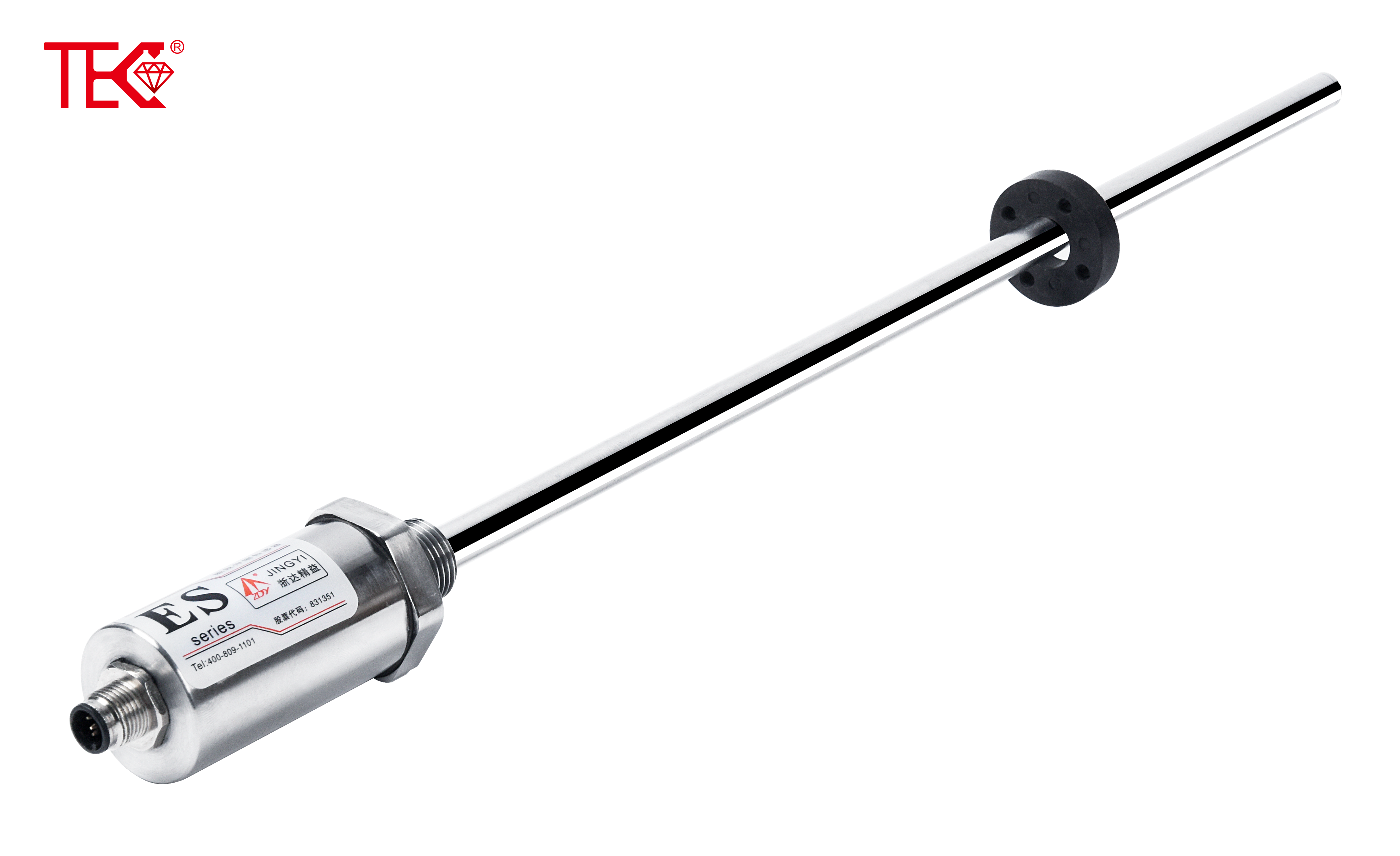 Corrosion-resistant Pressure S
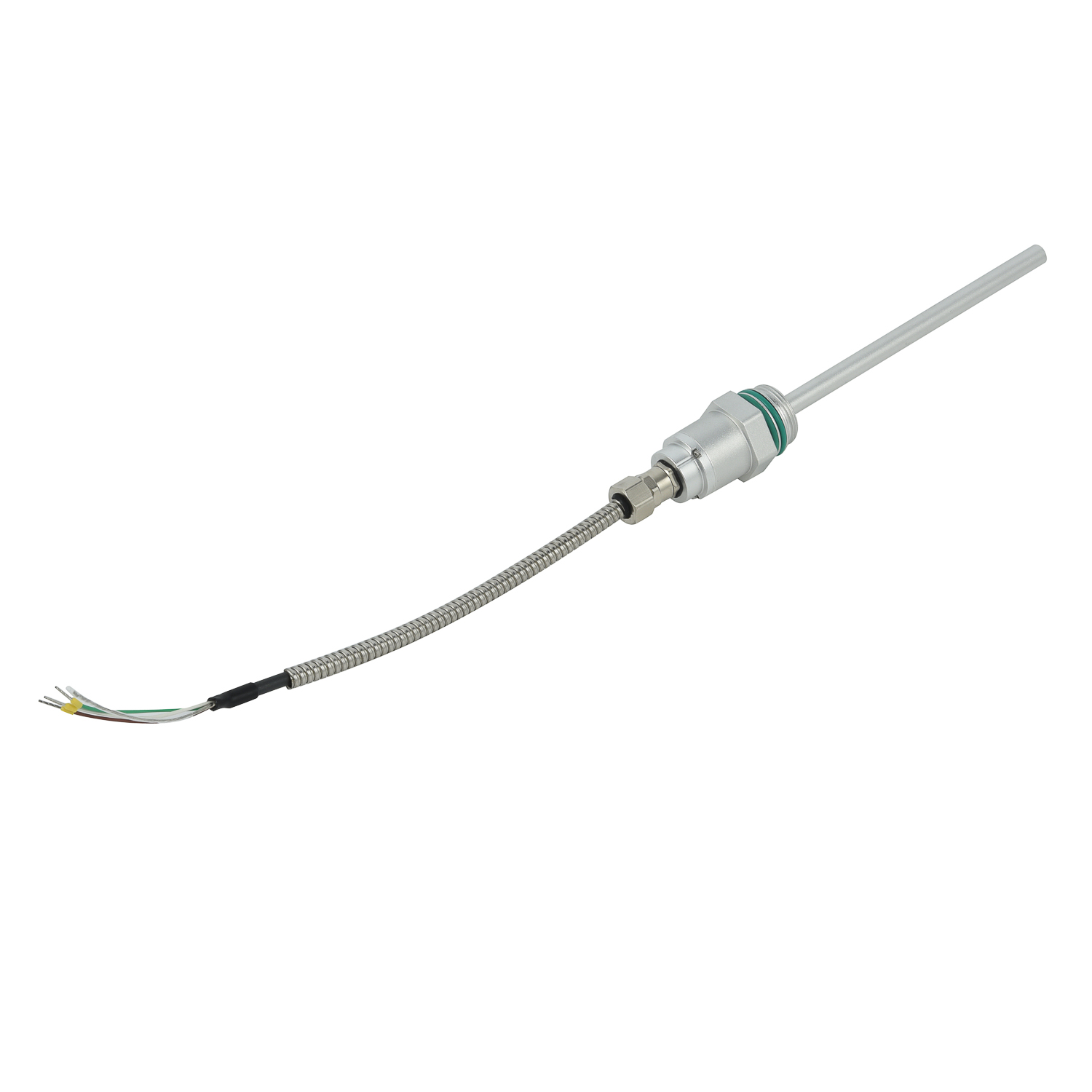 Rod-type Pressure Sensor
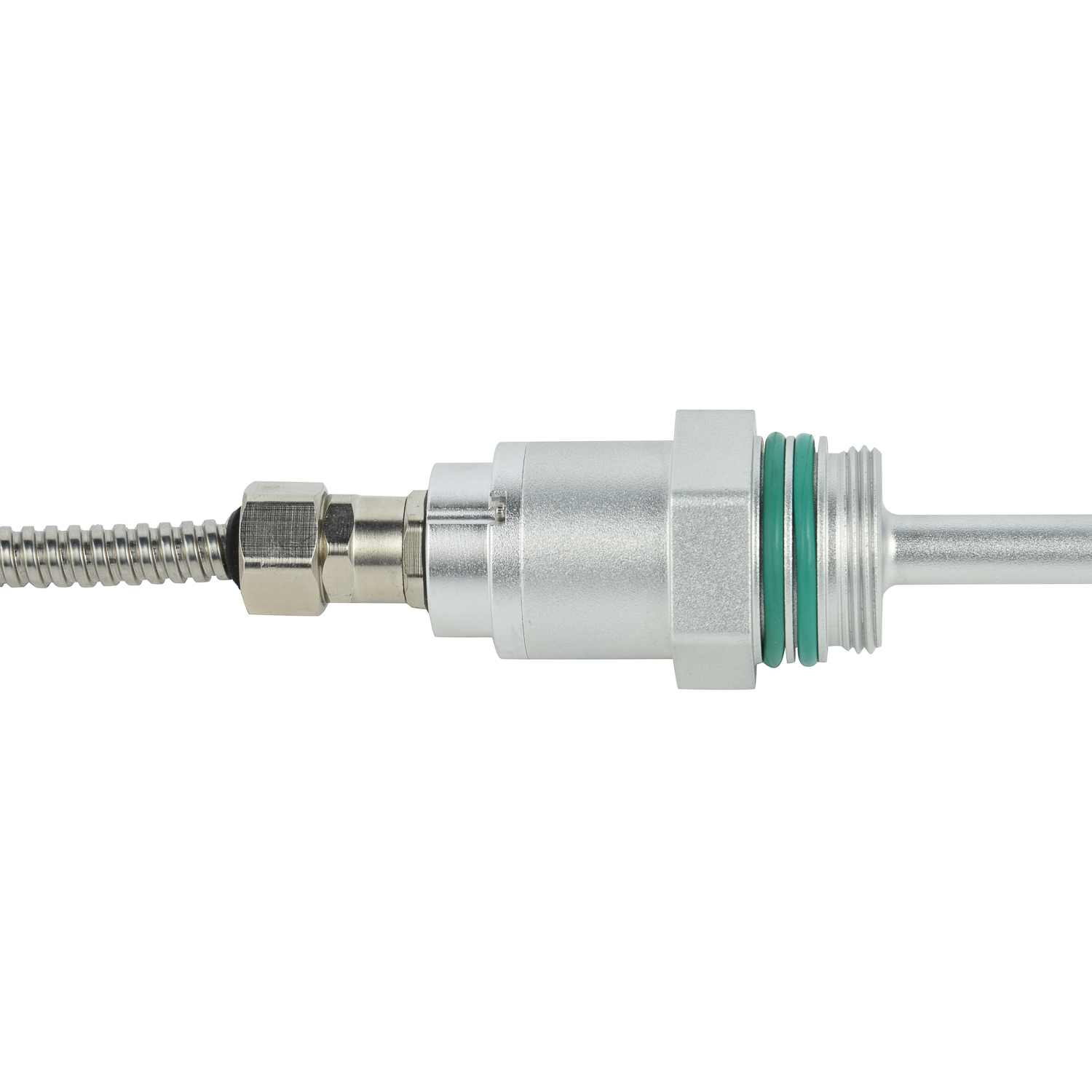 Flange-mounted Pressure Sensor
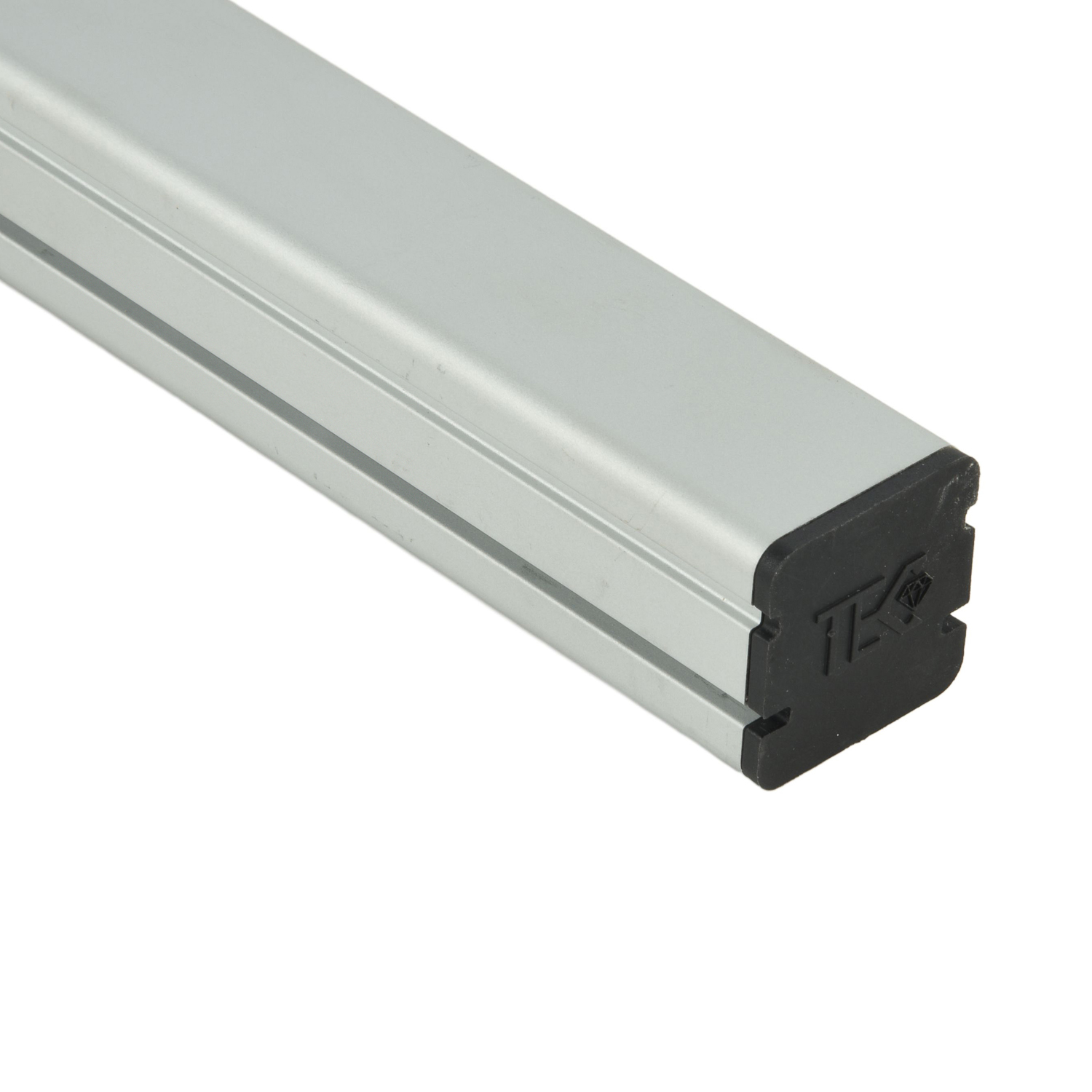 Non-contact Pressure Sensor