
Non-contact Pressure Sensor
Non-contact pressure sensors measure pressure without touching the target surface or medium. They use electric fields, light, sound, or magnetic signals to detect force, deformation, or distance changes. This makes them useful in sterile, fragile, or moving environments where traditional sensors may fail.
Common types include capacitive, optical, ultrasonic, and electromagnetic sensors. Capacitive sensors detect electric-field changes from a flexible membrane. Optical sensors use reflection or interferometry to measure tiny displacement. Ultrasonic sensors read sound-wave changes, while electromagnetic sensors rely on magnetic or inductive effects.
Their main benefits are less wear and contamination. Since no part touches the object, they suit corrosive chemicals, delicate tissue, and fast machinery. They also offer high sensitivity and quick response. In medicine, they monitor blood pressure and infusion systems. In industry, they support robotics, leak detection, and process control. Automotive and aerospace systems use them for tire and cabin pressure testing.
Challenges include temperature, humidity, dust, and electromagnetic interference. Calibration can be complex, and accuracy depends on stable positioning.
Future progress focuses on miniaturization, wireless links, AI calibration, and flexible materials. As smart factories and wearable devices grow, non-contact pressure sensing will become more accurate and affordable, enabling safer measurement across industries.
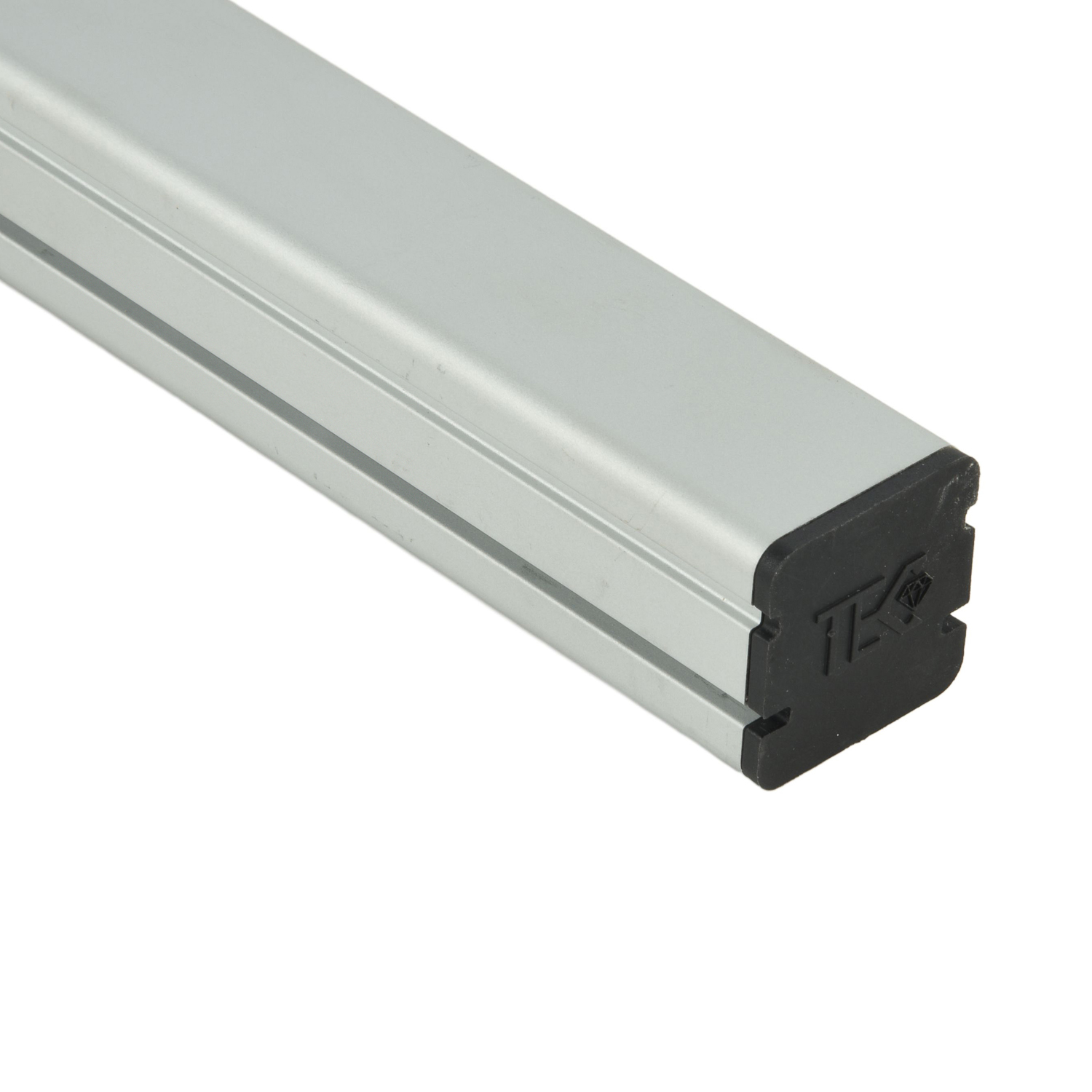
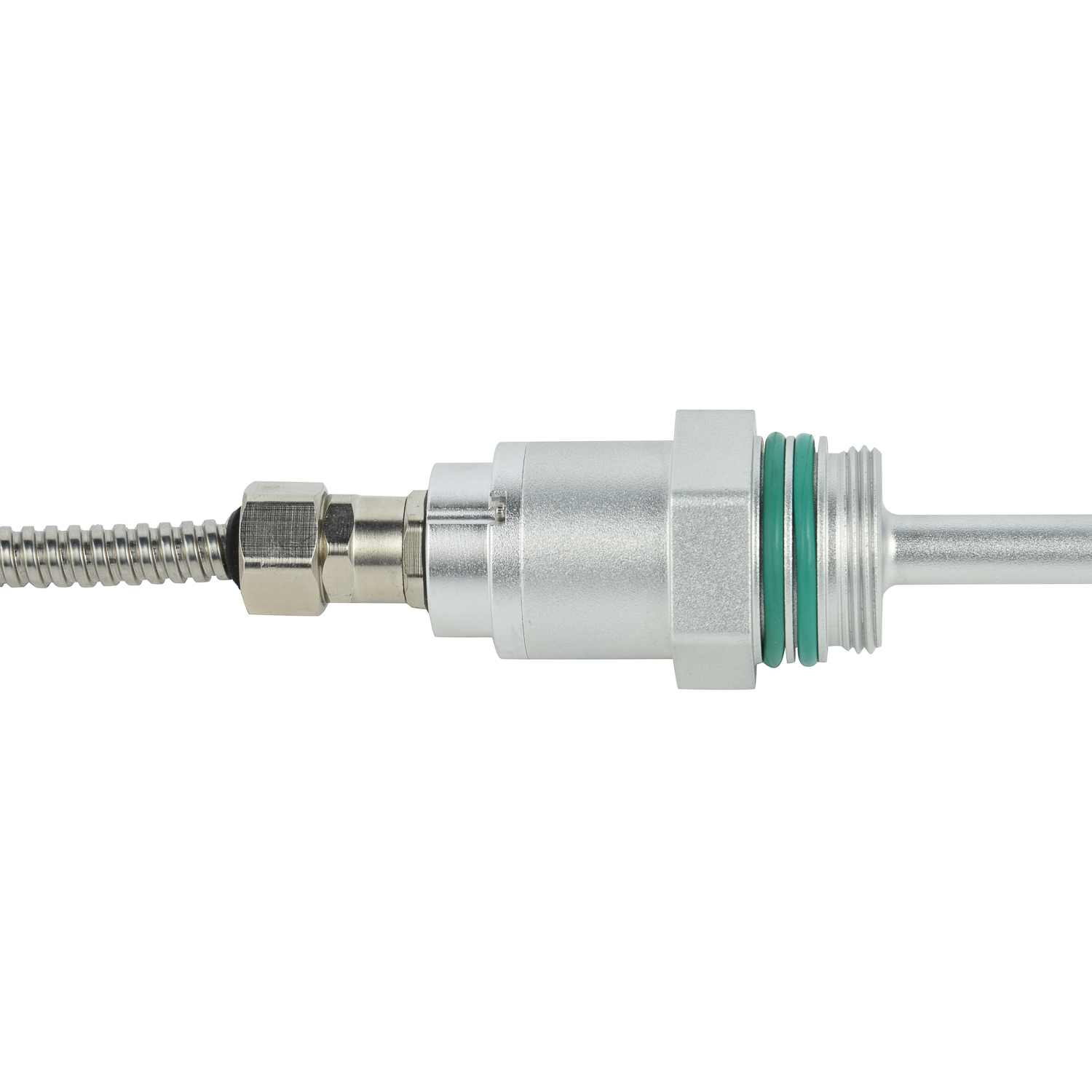 Flange-mounted Pressure Sensor
Non-contact Pressure Sensor
Flange-mounted Pressure Sensor
Non-contact Pressure Sensor
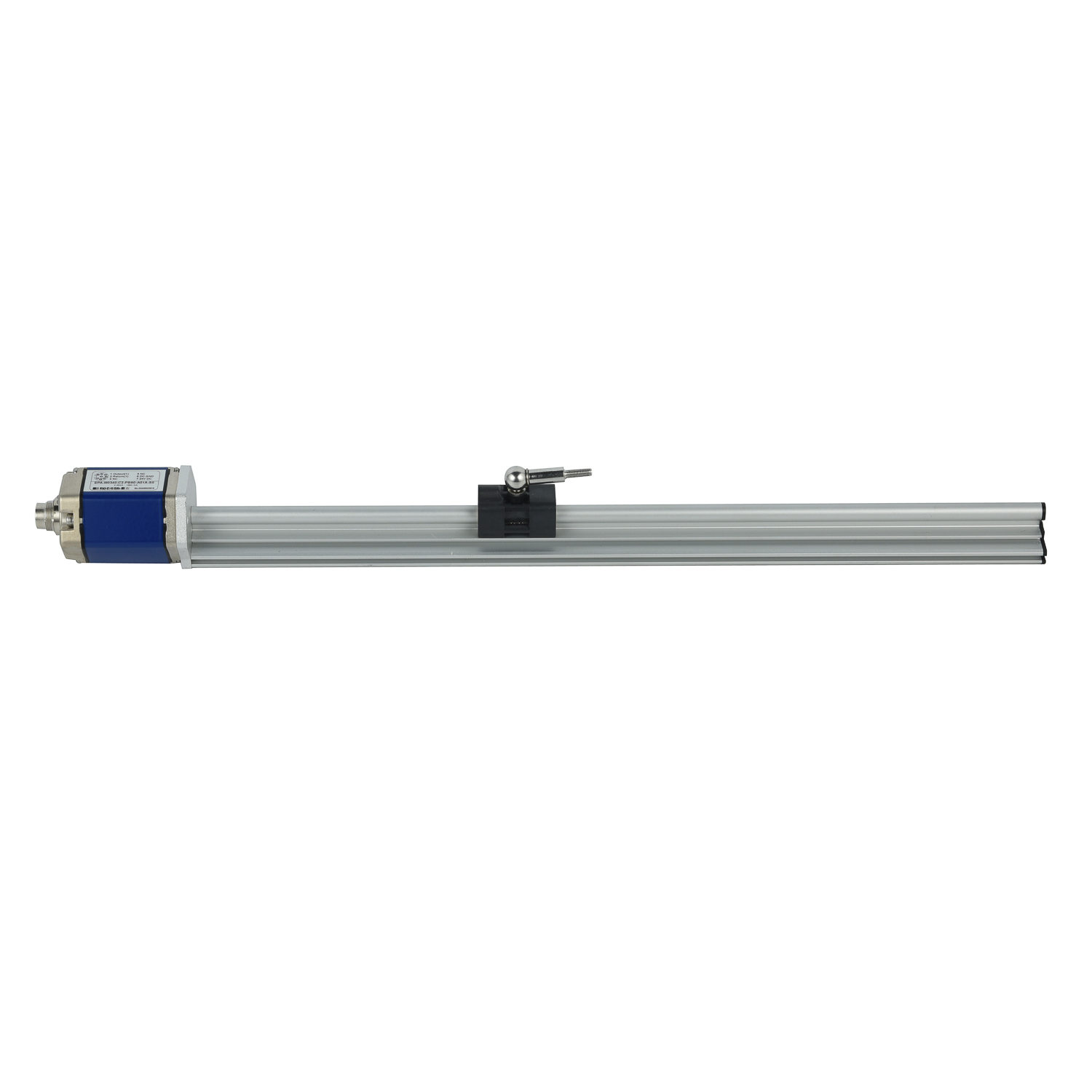 High-pressure Pressure Sensor
 High-temperature Pressure Sens