
High-temperature Pressure Sensor
High-temperature pressure sensors are engineered to measure pressure accurately in extreme heat, where standard sensors may drift, fail, or lose calibration. These devices are essential in aerospace, automotive, oil and gas, power generation, and industrial process control. They monitor combustion pressure, hydraulic systems, exhaust gas, steam lines, and turbine performance, helping engineers improve safety, efficiency, and reliability.
A high-temperature pressure sensor must withstand not only heat but also vibration, corrosion, thermal cycling, and electromagnetic interference. Common technologies include silicon-on-insulator (SOI), silicon carbide (SiC), piezoelectric, piezoresistive, and fiber optic sensing. SiC and SOI designs extend operating ranges beyond conventional silicon limits. Fiber optic sensors offer immunity to electromagnetic interference and can operate in very hot, hostile locations. Piezoelectric sensors are often used for dynamic pressure measurement in engines and turbines.
Packaging is critical. Materials such as stainless steel, Inconel, ceramic, and sapphire protect the sensing element and maintain a stable signal. Advanced bonding, hermetic sealing, and temperature compensation reduce errors caused by thermal expansion and stress. A well-designed sensor can provide repeatable readings from cryogenic conditions to several hundred degrees Celsius, depending on the technology and housing.
With the right technology, these sensors deliver reliable data in extreme heat.

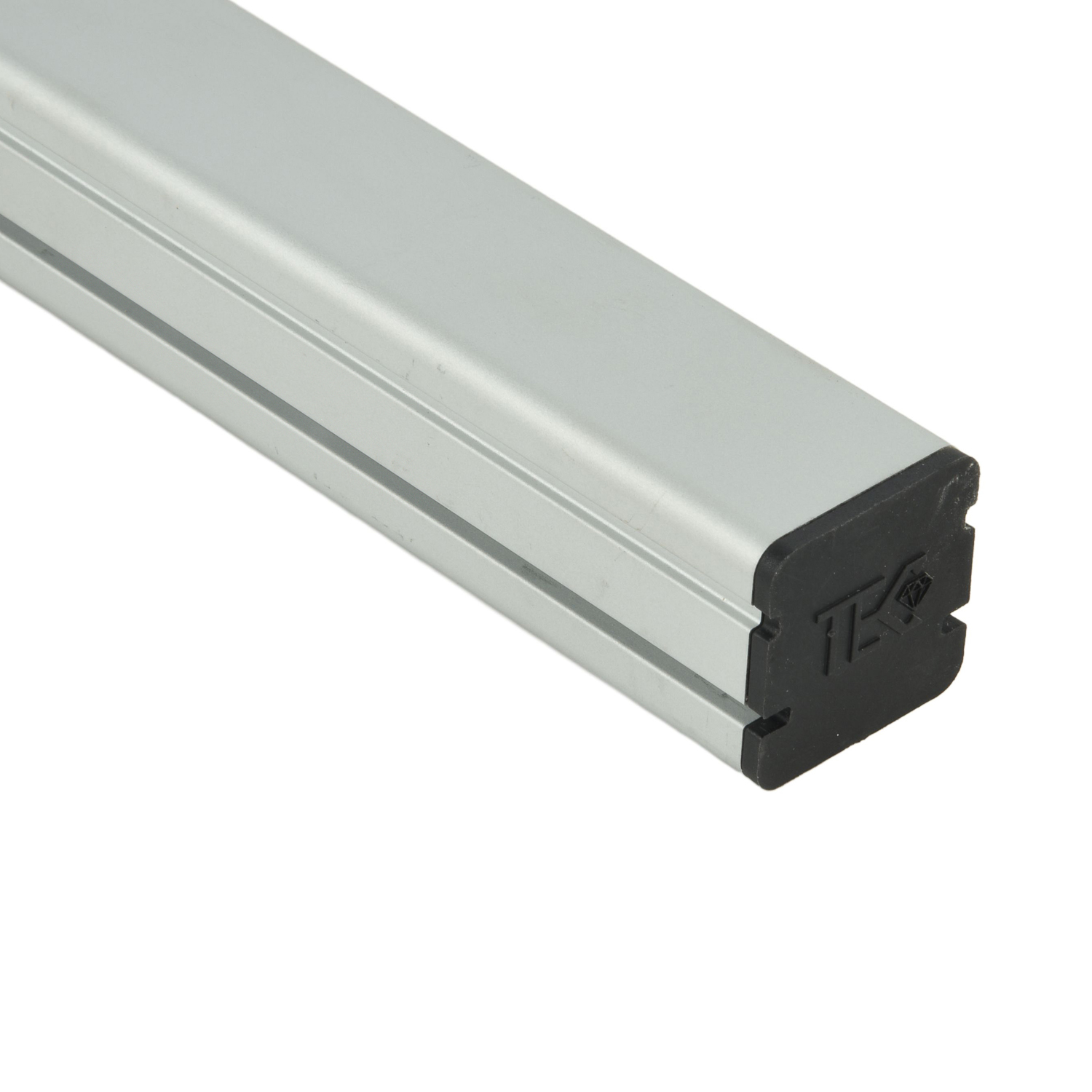 Non-contact Pressure Sensor
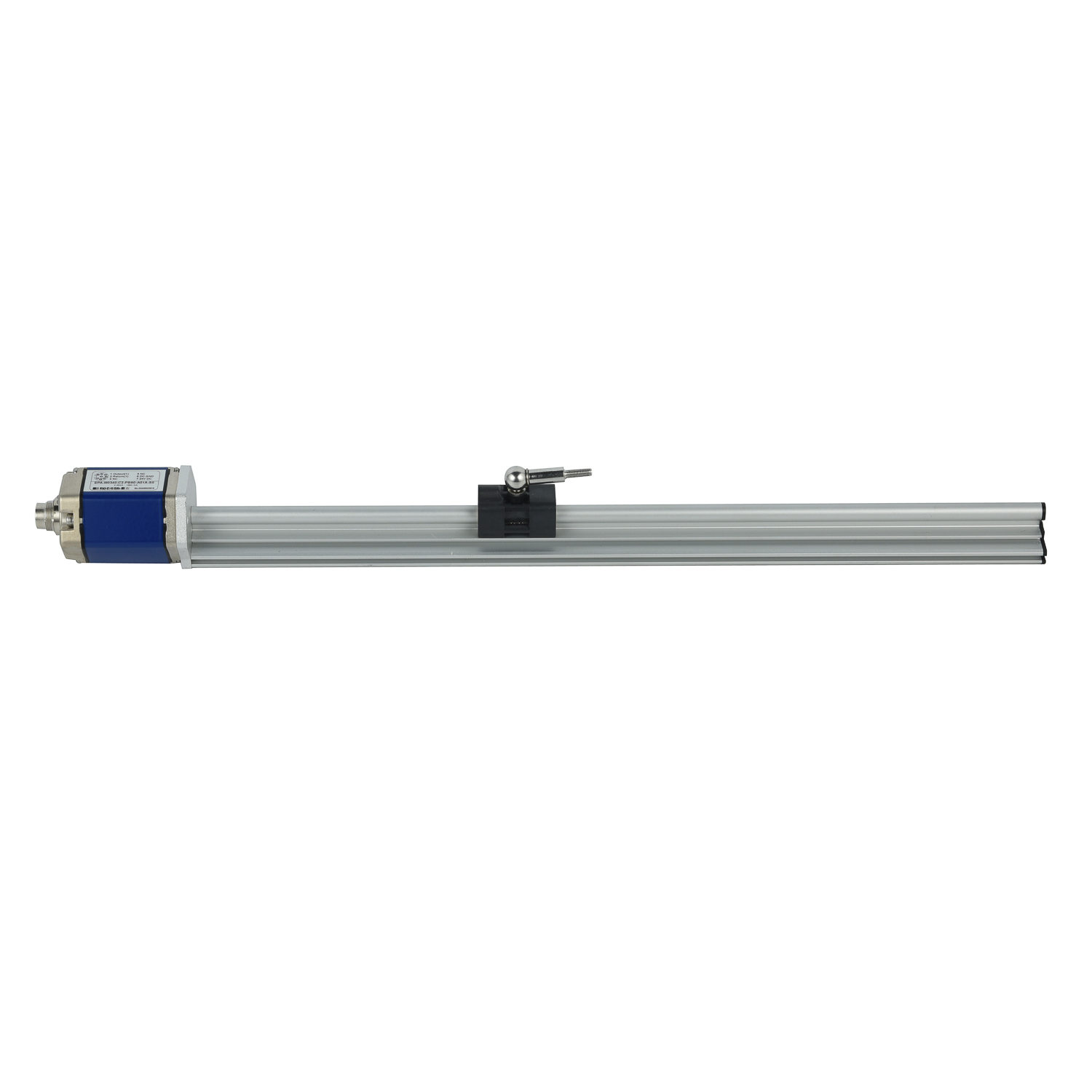 High-pressure Pressure Sensor
High-temperature Pressure Sens
High-pressure Pressure Sensor
High-temperature Pressure Sens
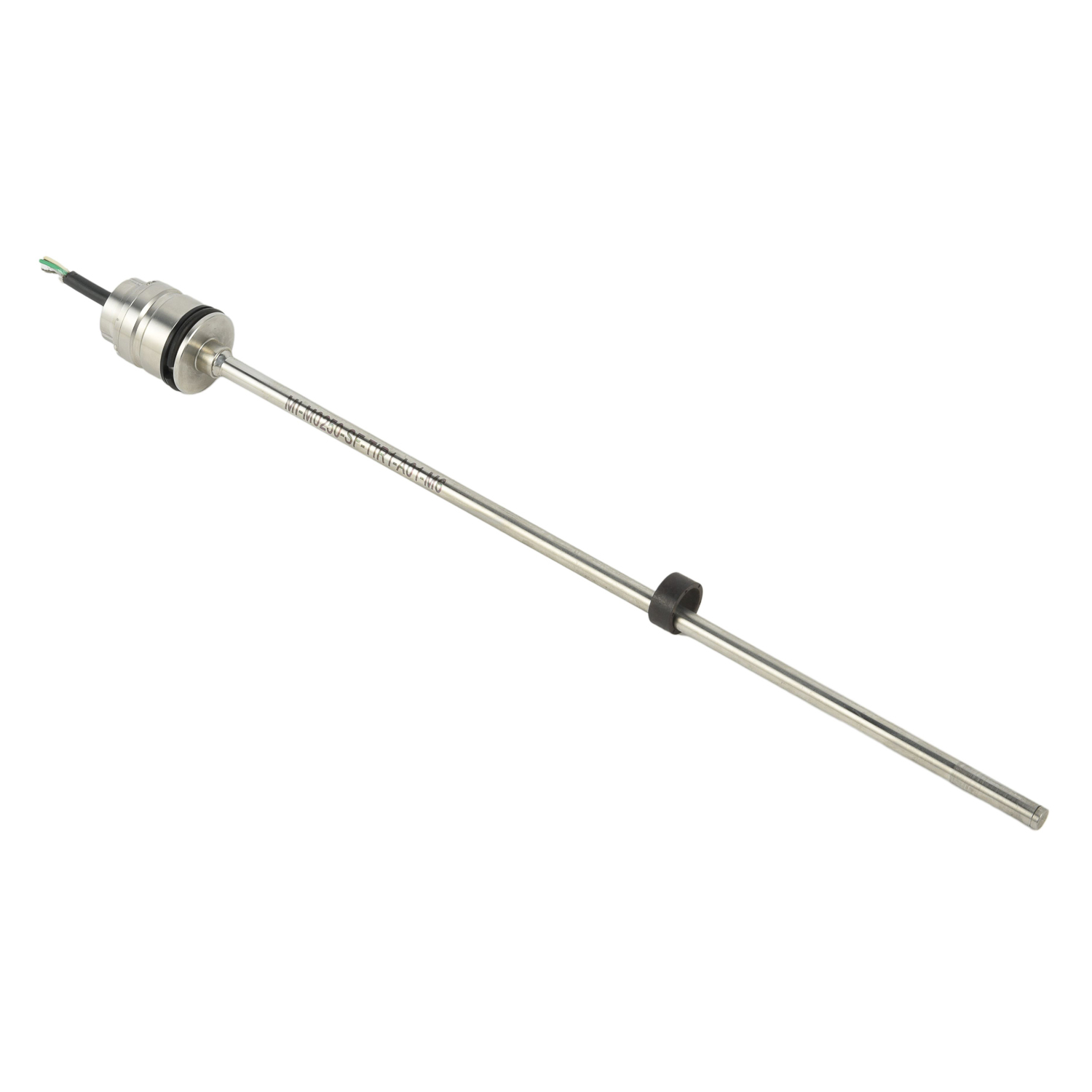 Waterproof Pressure Sensor