
Waterproof Pressure Sensor
A waterproof pressure sensor is designed to measure pressure accurately in wet, humid, or submerged conditions. Unlike standard sensors, it uses sealed housings, corrosion-resistant materials, and protected cable entries to prevent water ingress. Common protection ratings include IP65, IP67, and IP68. An IP68 sensor can operate continuously underwater at specified depths. These devices serve many industries. In wastewater treatment, they monitor tank levels and pump pressure. In marine engineering, they track hydraulic systems and ballast water. In agriculture, submersible sensors measure groundwater and irrigation pressure. Food and beverage plants use washdown-ready models for hygienic processing. Automotive and aerospace testing also relies on waterproof pressure transmitters. Several technologies are available. Piezoresistive sensors offer high accuracy for low-pressure ranges. Ceramic capacitive sensors resist corrosion and pressure spikes. Strain gauge transmitters provide stable performance in hydraulic systems. The right choice depends on media compatibility, pressure range, temperature, output signal, and electrical connection. When selecting a waterproof pressure sensor, check the IP rating, wetted materials, and sealing method. Stainless steel 316L and titanium are common for aggressive liquids. Venting is important for gauge pressure sensors; a waterproof vent filter allows air to enter while blocking moisture. For absolute pressure, the reference chamber is sealed.
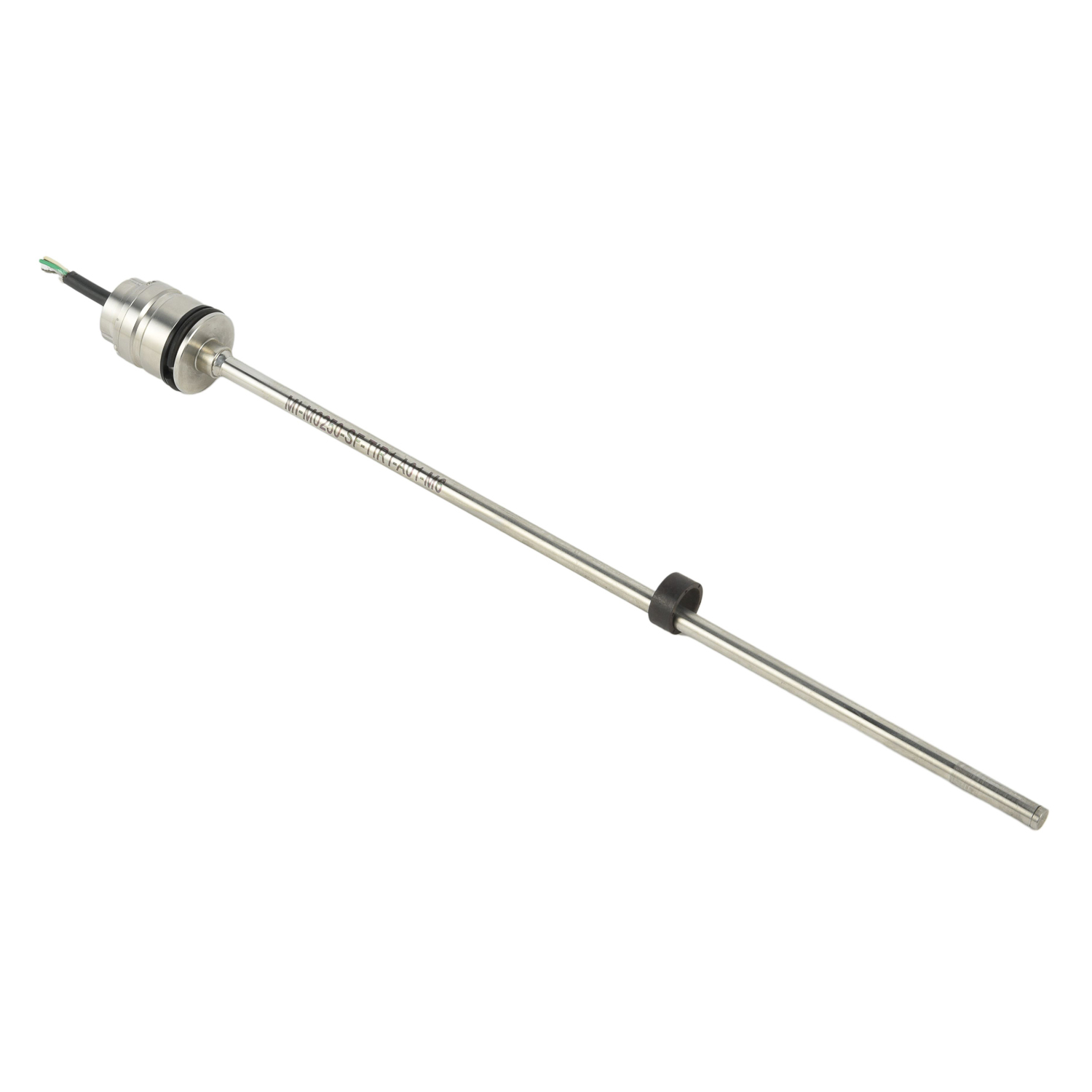
 Non-contact Pressure Sensor
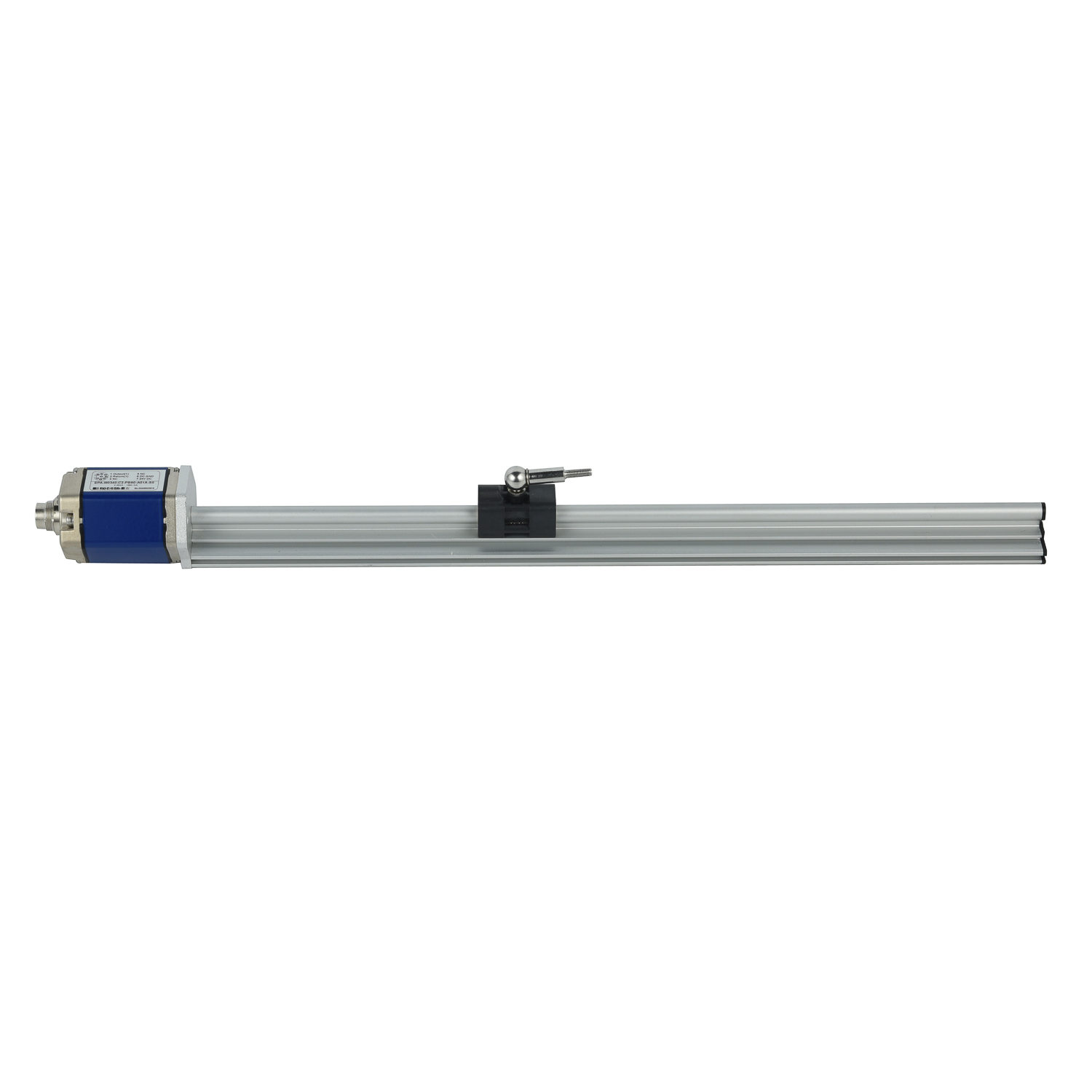 High-pressure Pressure Sensor
 High-temperature Pressure Sens
Waterproof Pressure Sensor
High-temperature Pressure Sens
Waterproof Pressure Sensor