
Flange-mounted Pressure Sensor
A flange-mounted pressure sensor is designed for demanding industrial environments where stable pressure measurement and secure installation are essential. Unlike threaded or clamp connections, a flange connection uses bolts to attach the sensor directly to pipes, tanks, or process equipment. This creates a strong, leak-resistant seal and makes the device suitable for high-pressure, high-vibration, and corrosive applications. The sensor often combines a pressure transmitter with a stainless steel or alloy flange. The diaphragm senses pressure changes and converts them into an electrical signal, such as 4-20 mA, HART, or digital output. Operators can then monitor, control, and optimize processes in real time. Flange standards matter. Common options include DIN, ANSI, and JIS flanges, with different sizes, pressure ratings, and face types. Choosing the right flange ensures compatibility, easy maintenance, and reliable sealing. Materials such as 316L stainless steel, Hastelloy, or PTFE linings improve resistance to chemicals, heat, and corrosion. Typical uses include oil and gas, chemical processing, water treatment, power plants, food and beverage, and pharmaceutical production. In these fields, accurate pressure data supports safety, quality, and efficiency. A flange-mounted pressure sensor can reduce installation time, minimize leak points, and simplify replacement without disturbing the entire pipeline. When selecting a model, consider pressure range, accuracy, temperature limits, output signal, process medium, and certification requirements. Proper installation, correct torque, and regular calibration help maintain long-term performance. With the right flange-mounted pressure sensor, engineers gain dependable measurement, lower maintenance costs, and safer industrial operations.
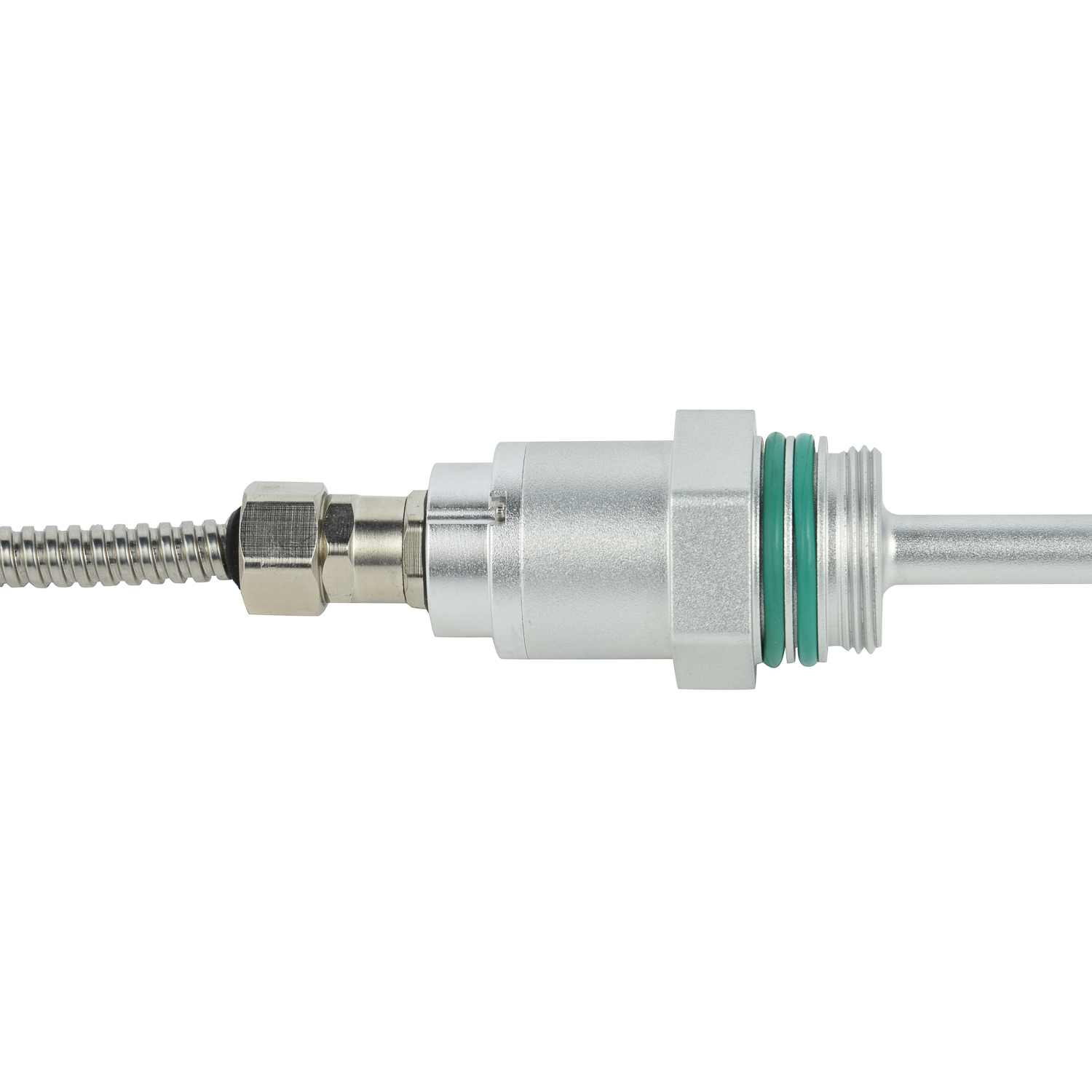
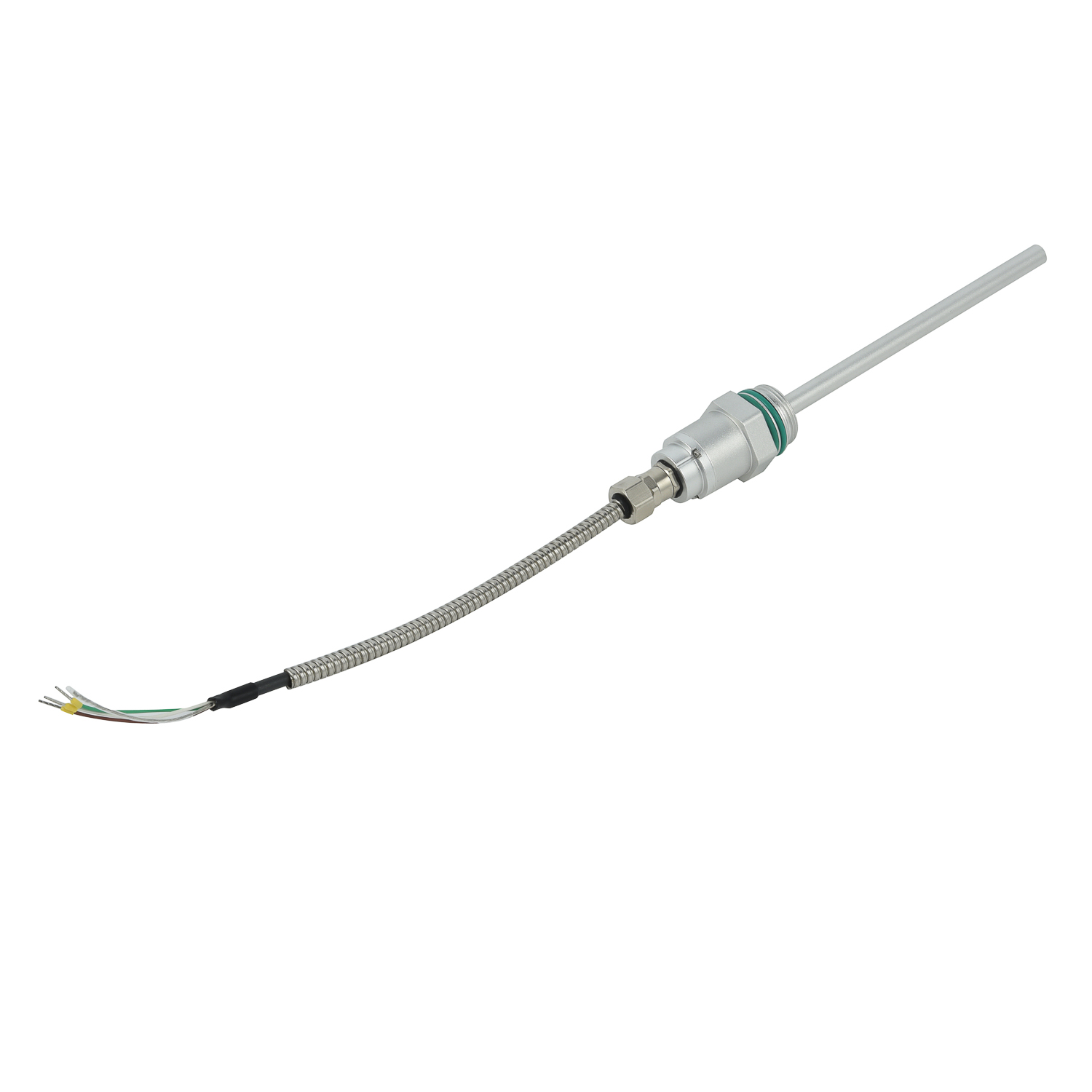 Rod-type Pressure Sensor
Flange-mounted Pressure Sensor
Rod-type Pressure Sensor
Flange-mounted Pressure Sensor
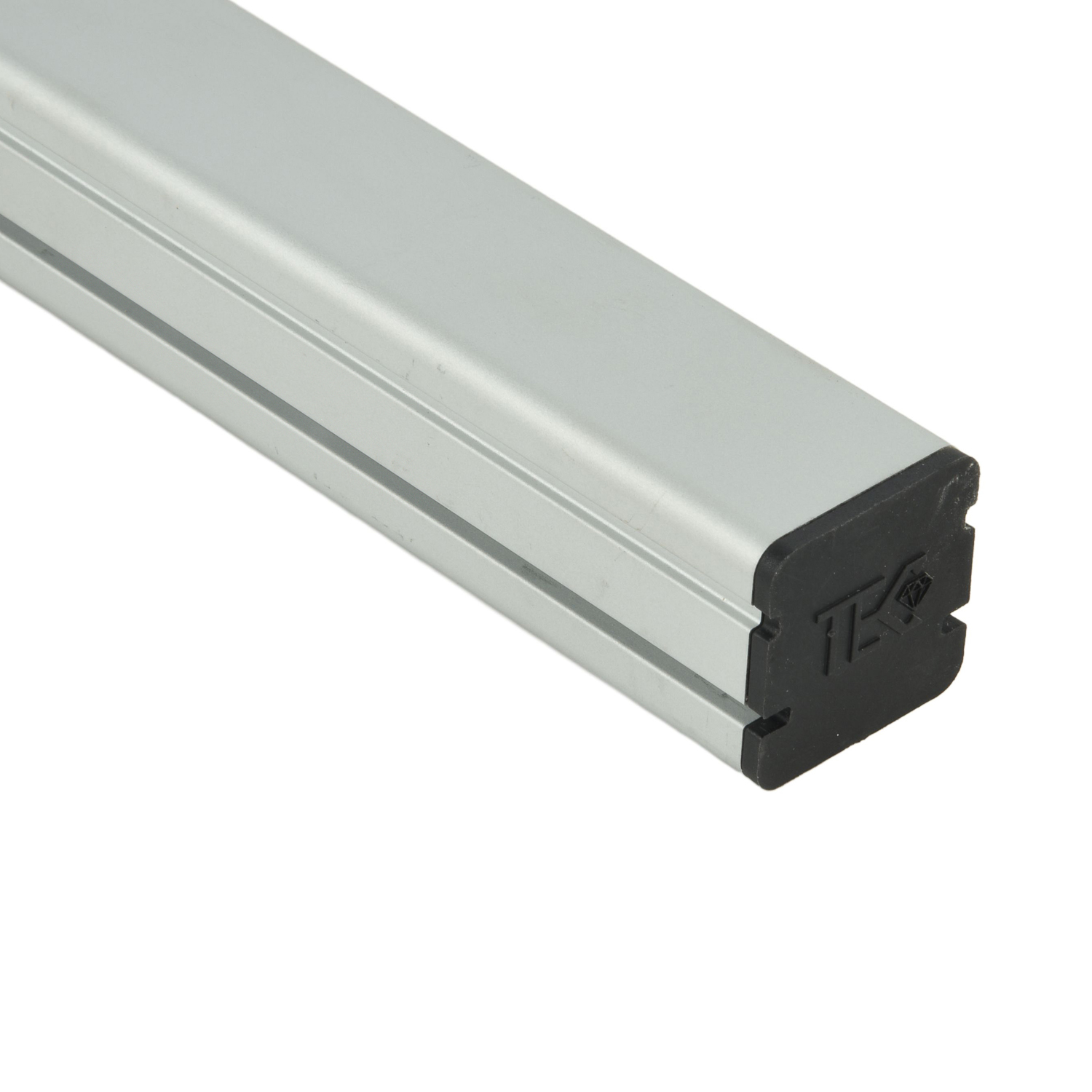 Non-contact Pressure Sensor
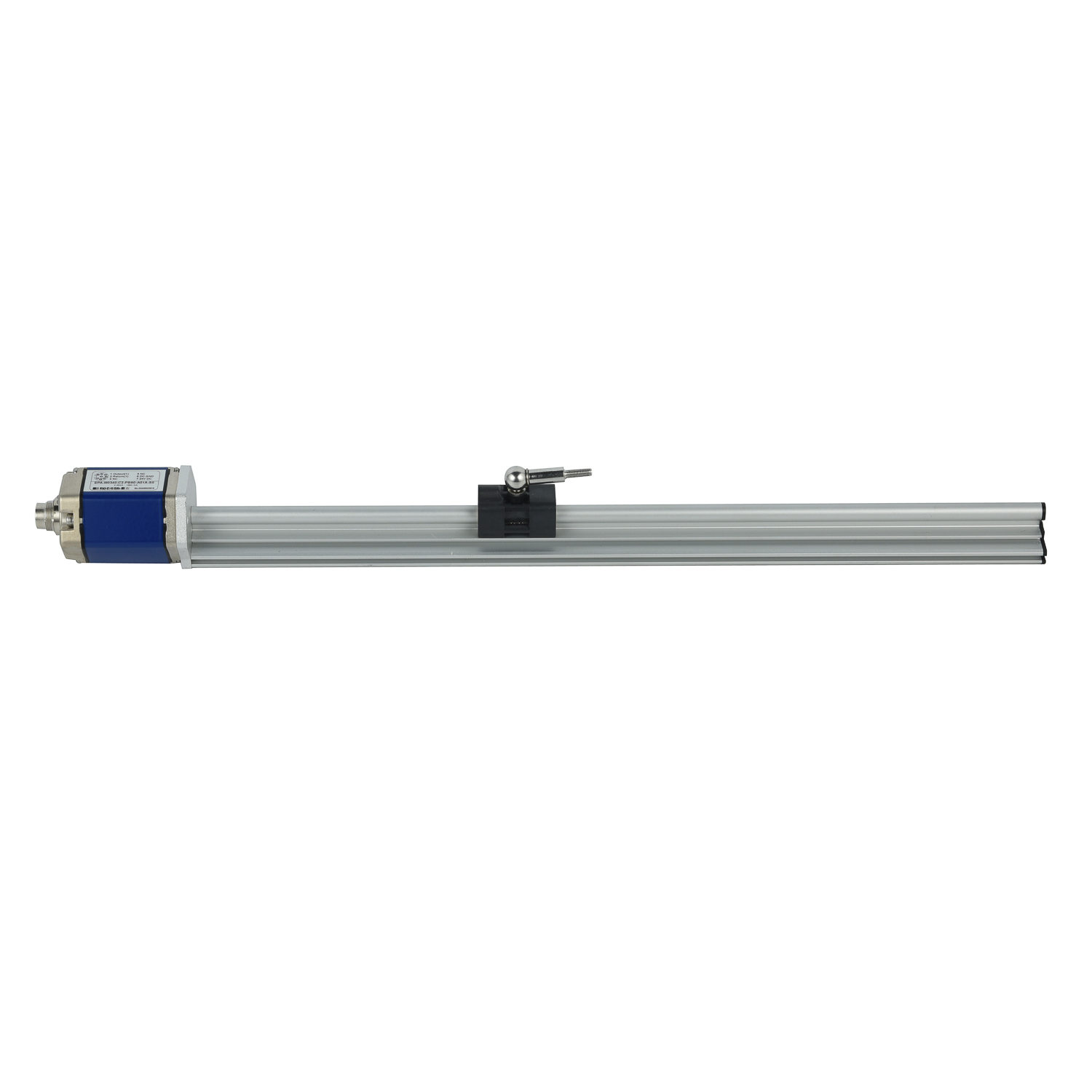 High-pressure Pressure Sensor