
Corrosion-resistant Pressure Sensor
Corrosion is one of the most common causes of pressure sensor failure in aggressive industrial environments. Chemicals, seawater, acids, brine, and humid gases can attack wetted parts, causing drift, leaks, or complete breakdown. A corrosion-resistant pressure sensor is designed to maintain accurate and stable measurement even when exposed to these threats.
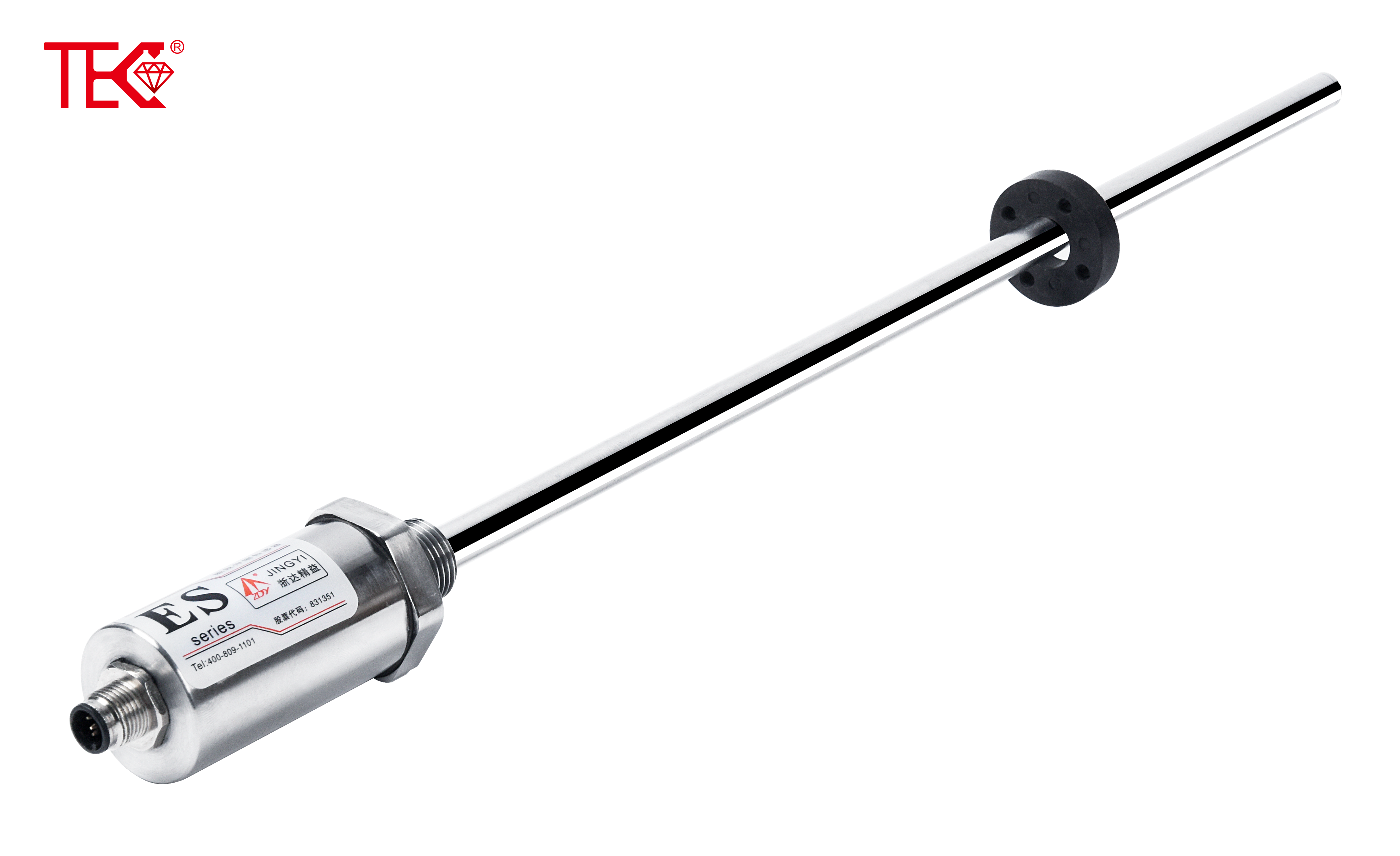
These sensors are widely used in chemical processing, oil and gas, marine systems, water treatment, pharmaceuticals, and food production. To resist corrosion, manufacturers use materials such as 316L stainless steel, Hastelloy, titanium, Monel, PTFE, PVDF, ceramic, and sapphire. The choice depends on the measured medium, temperature, concentration, and pressure range. A compatible diaphragm and process connection are essential for long service life.
Key features include a fully welded stainless steel housing, an isolated diaphragm, high ingress protection, and stable signal output. Common outputs are 4-20 mA, HART, RS485, and Modbus. Accurate temperature compensation helps reduce thermal error. For harsh locations, explosion-proof, intrinsically safe, and IP67 or IP68 ratings may be required.
When selecting a corrosion-resistant pressure sensor, check chemical compatibility first. Then confirm pressure range, burst pressure, accuracy, response time, and operating temperature. Choose the right thread or flange, such as G1/4, NPT, or tri-clamp. Proper installation, sealing, and regular inspection further extend sensor life.
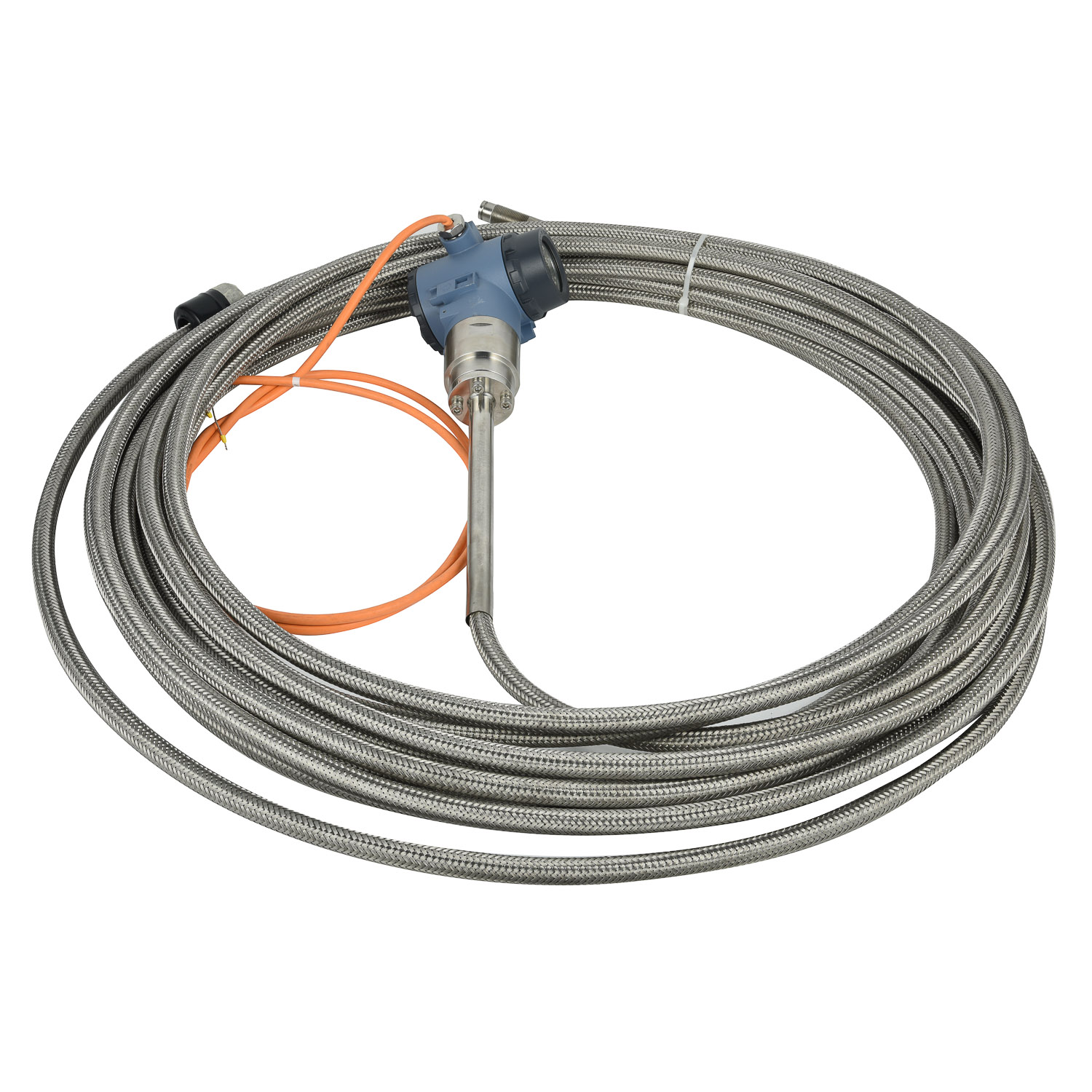 Pressure Sensor Manufacturer
Corrosion-resistant Pressure S
Pressure Sensor Manufacturer
Corrosion-resistant Pressure S
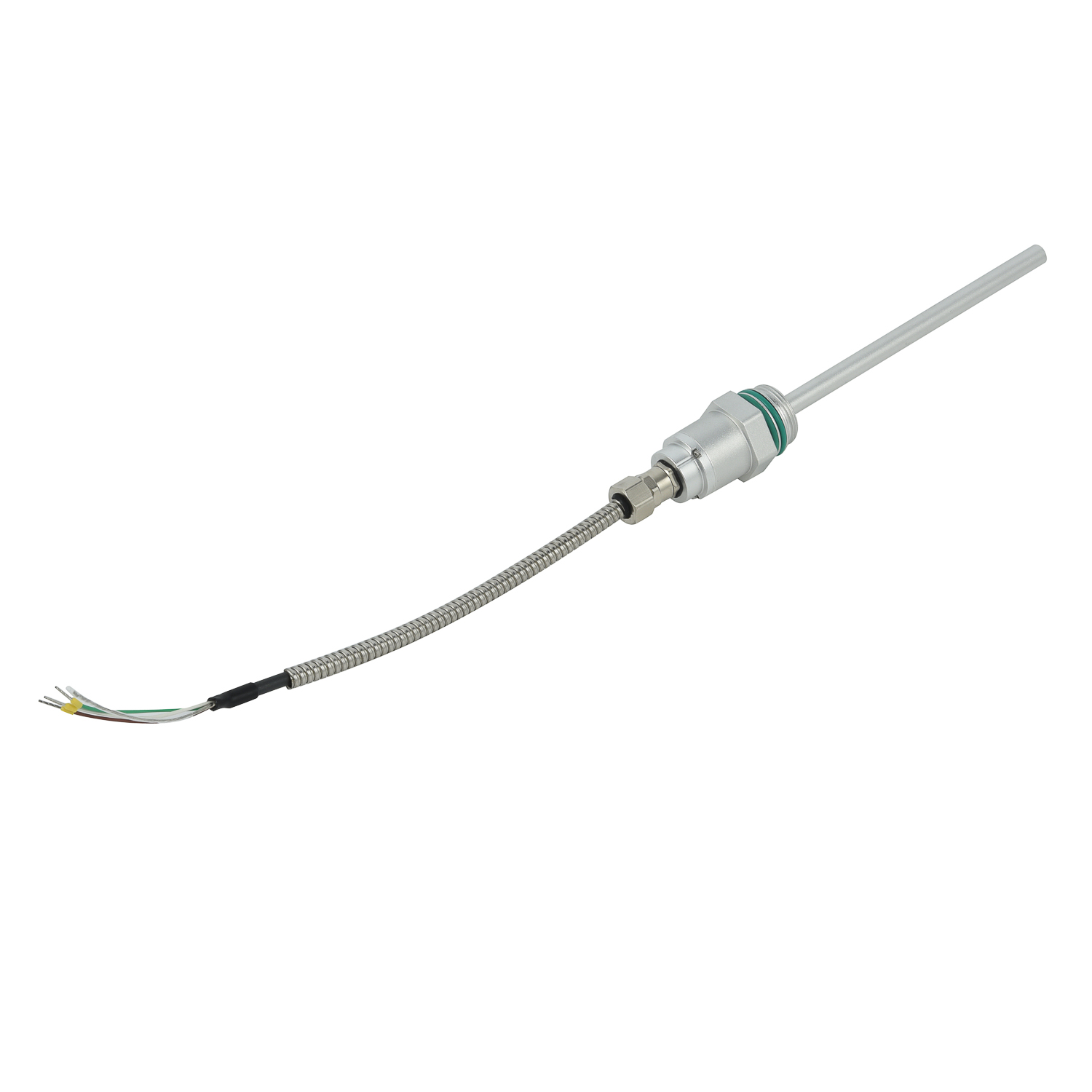 Rod-type Pressure Sensor
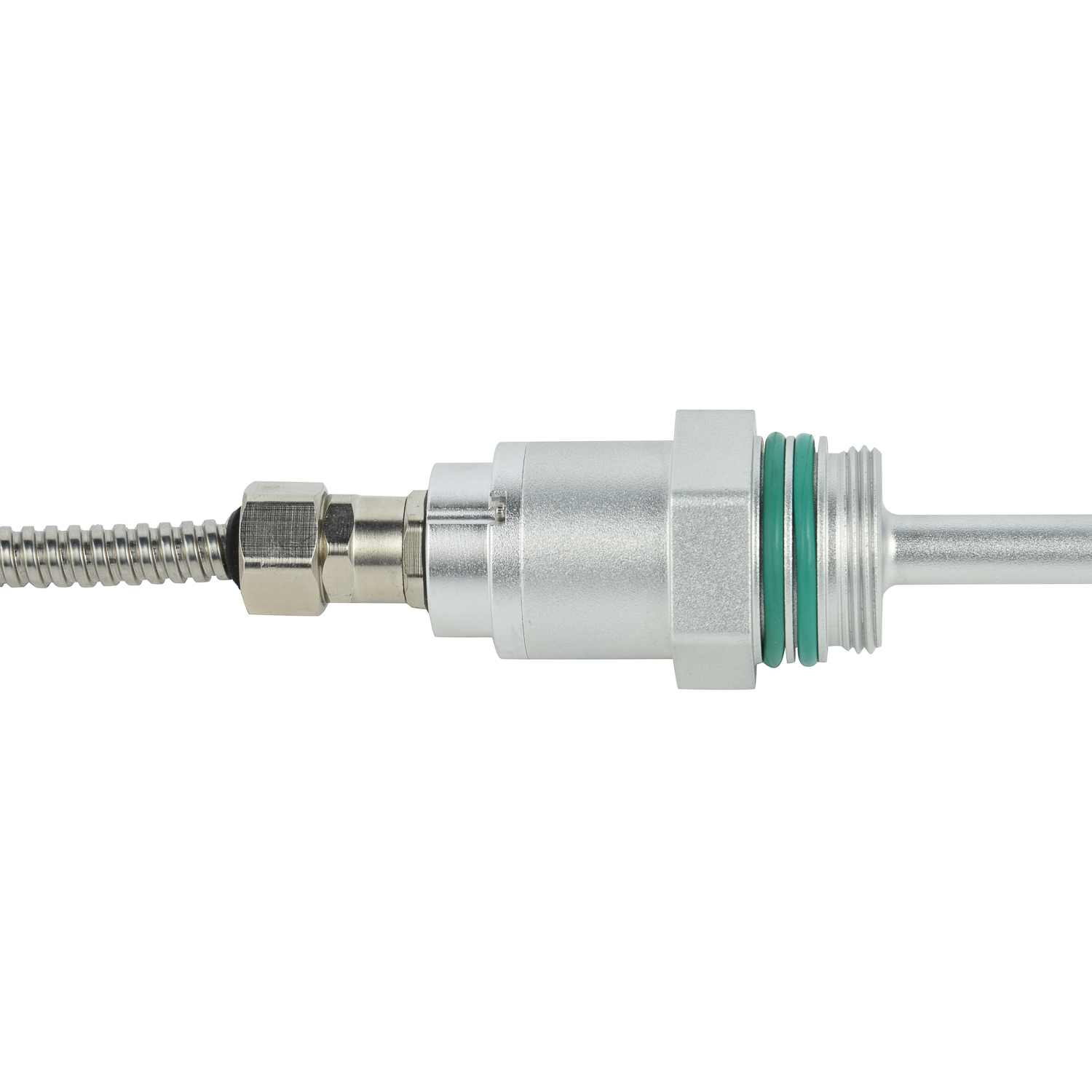 Flange-mounted Pressure Sensor