
Pressure Sensor
A pressure sensor converts pressure into an electrical signal. It measures gas or liquid pressure, helping systems monitor and control processes. Common types include piezoresistive, capacitive, piezoelectric, and optical sensors. Piezoresistive sensors use a diaphragm and strain gauges; pressure changes resistance. Capacitive sensors detect capacitance changes between a diaphragm and an electrode. Piezoelectric sensors generate charge under pressure, ideal for dynamic measurements. Optical sensors use light or fiber Bragg gratings for high accuracy in harsh environments.
Pressure sensors can be absolute, gauge, or differential. Absolute sensors measure pressure relative to a vacuum. Gauge sensors compare pressure to atmospheric pressure. Differential sensors measure the difference between two ports. Key specs include range, accuracy, sensitivity, response time, temperature, and media compatibility. Harsh conditions may require stainless steel, ceramic, or isolated packaging.
Applications are broad. Automotive systems monitor tire, fuel, oil, and brake pressure. Medical devices use sensors for blood pressure, respiration, and infusion pumps. Industrial automation relies on them for hydraulic, pneumatic, and process control. HVAC systems manage airflow and refrigerant pressure. Consumer electronics use them for altimeters and wearables.
Choosing a sensor depends on pressure type, range, accuracy, output, environment, and cost. Proper calibration ensures reliable performance. Improve safety.
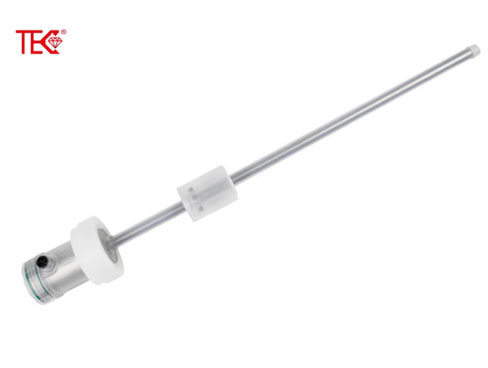
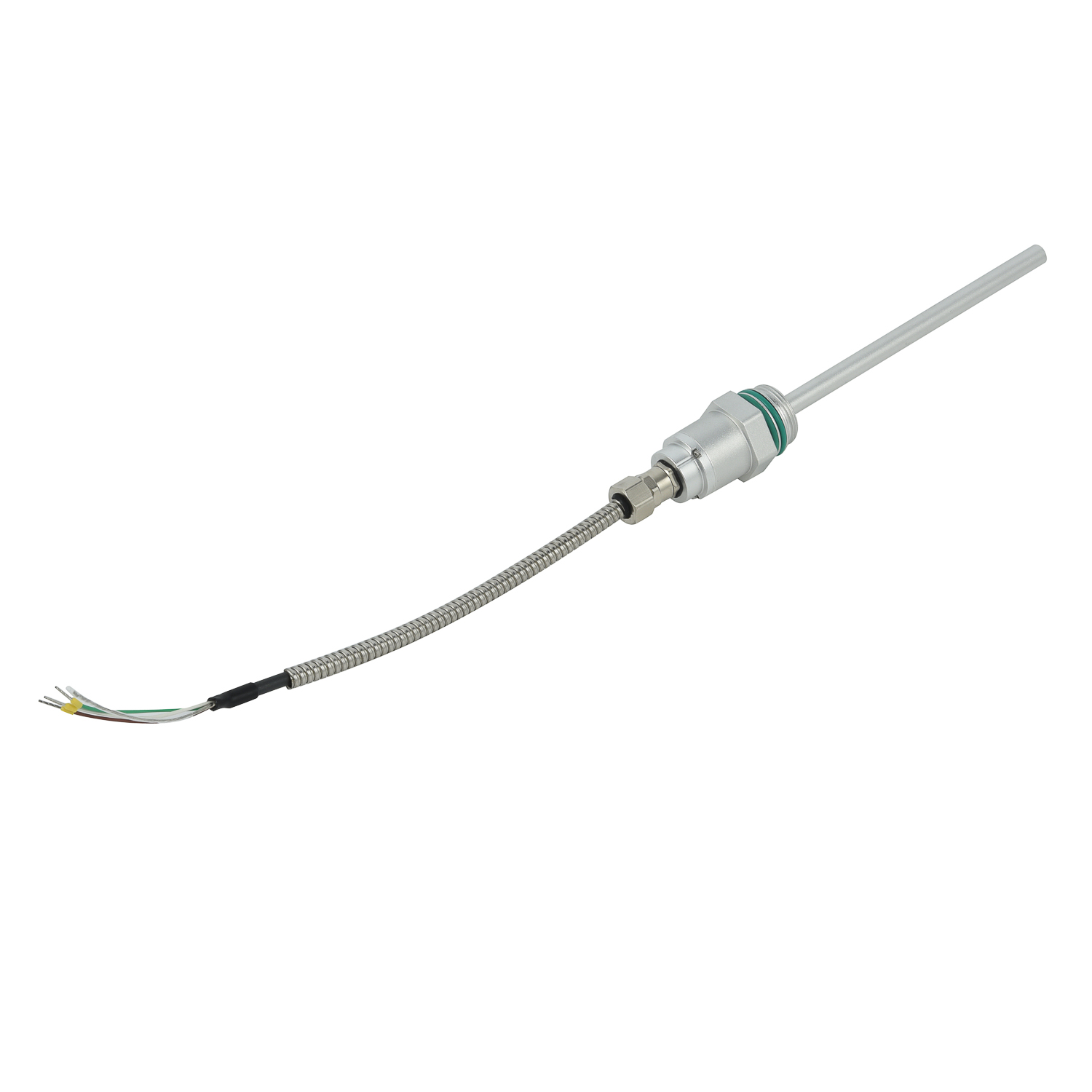 Rod-type Pressure Sensor
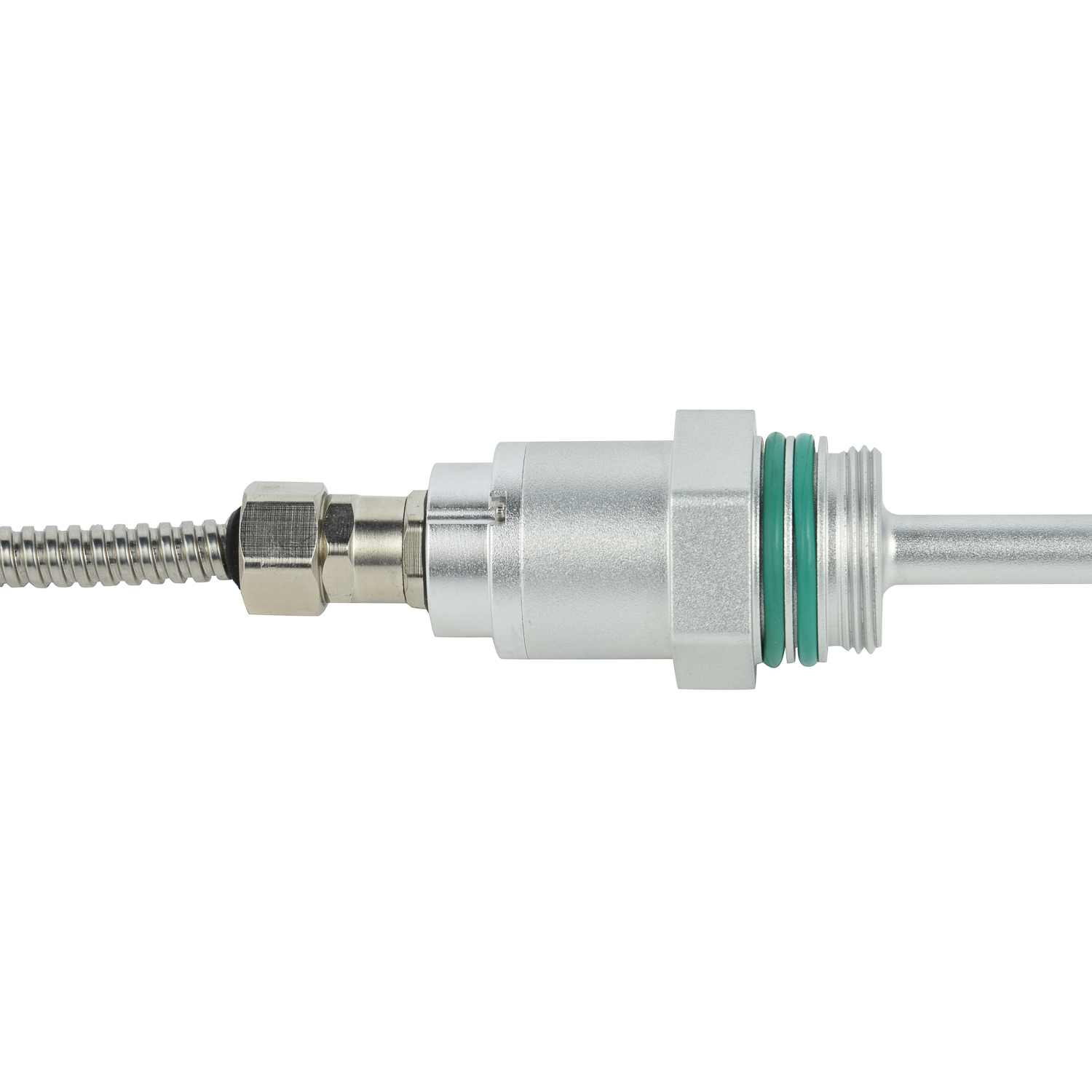 Flange-mounted Pressure Sensor
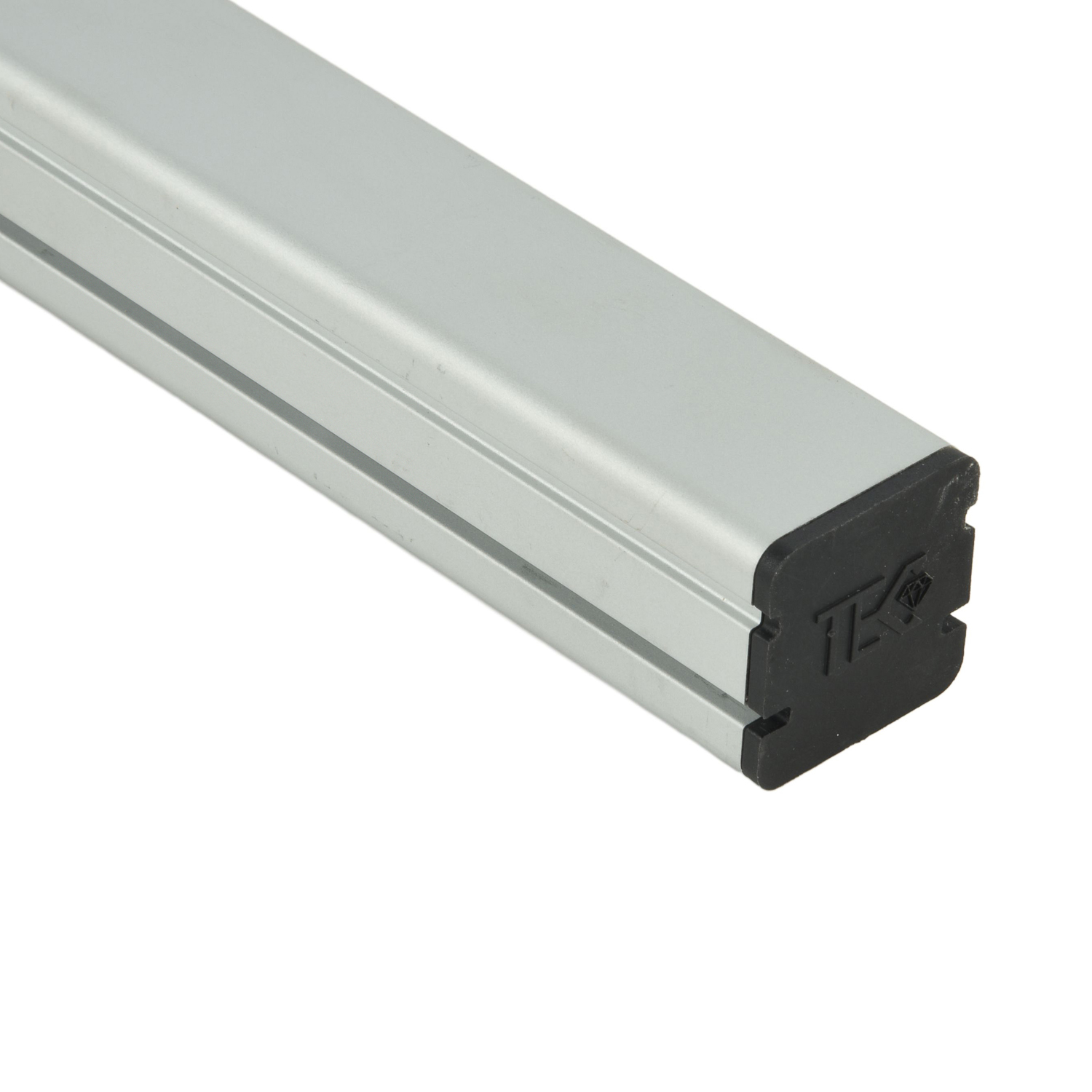 Non-contact Pressure Sensor
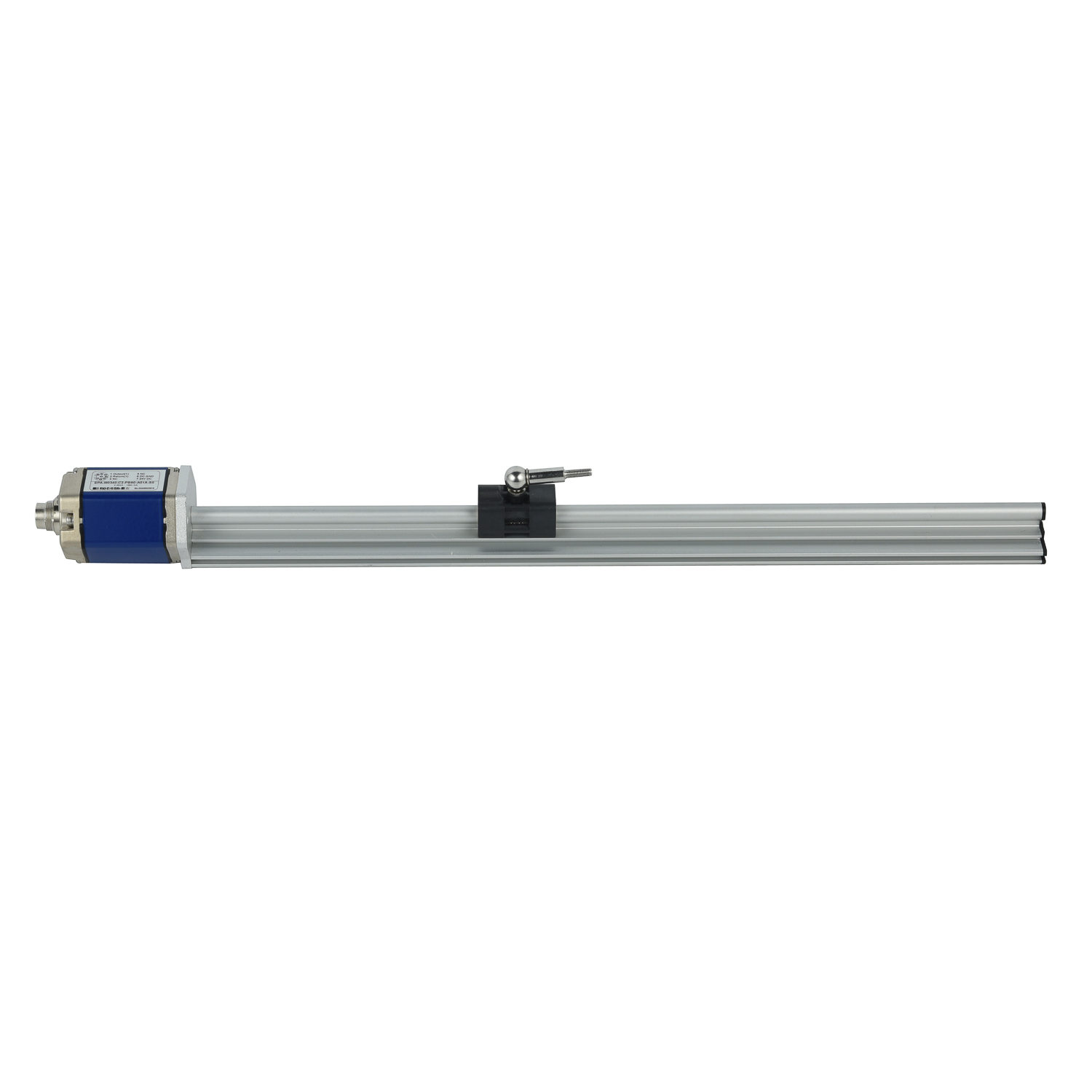 High-pressure Pressure Sensor