
Explosion-proof Pressure Sensor
Modern explosion-proof pressure sensors are essential in industries where flammable gases, vapors, dust, or fibers may be present. These devices measure pressure while preventing ignition, ensuring safe operation in oil and gas, chemical, pharmaceutical, and mining environments. Unlike standard pressure sensors, explosion-proof models are housed in rugged enclosures that contain an internal explosion or prevent sparks from escaping into the atmosphere. They often meet strict certifications such as ATEX, IECEx, and NEC, giving engineers confidence in hazardous area compliance.
Choosing the right explosion-proof pressure sensor depends on the application. Key factors include pressure range, process connection, wetted materials, output signal, temperature limits, and ingress protection. Common outputs include 4-20 mA, HART, Modbus, and digital displays. Stainless steel or alloy housings resist corrosion, while isolation diaphragms handle aggressive media. Proper installation, grounding, and cable sealing are also critical for maintaining protection.
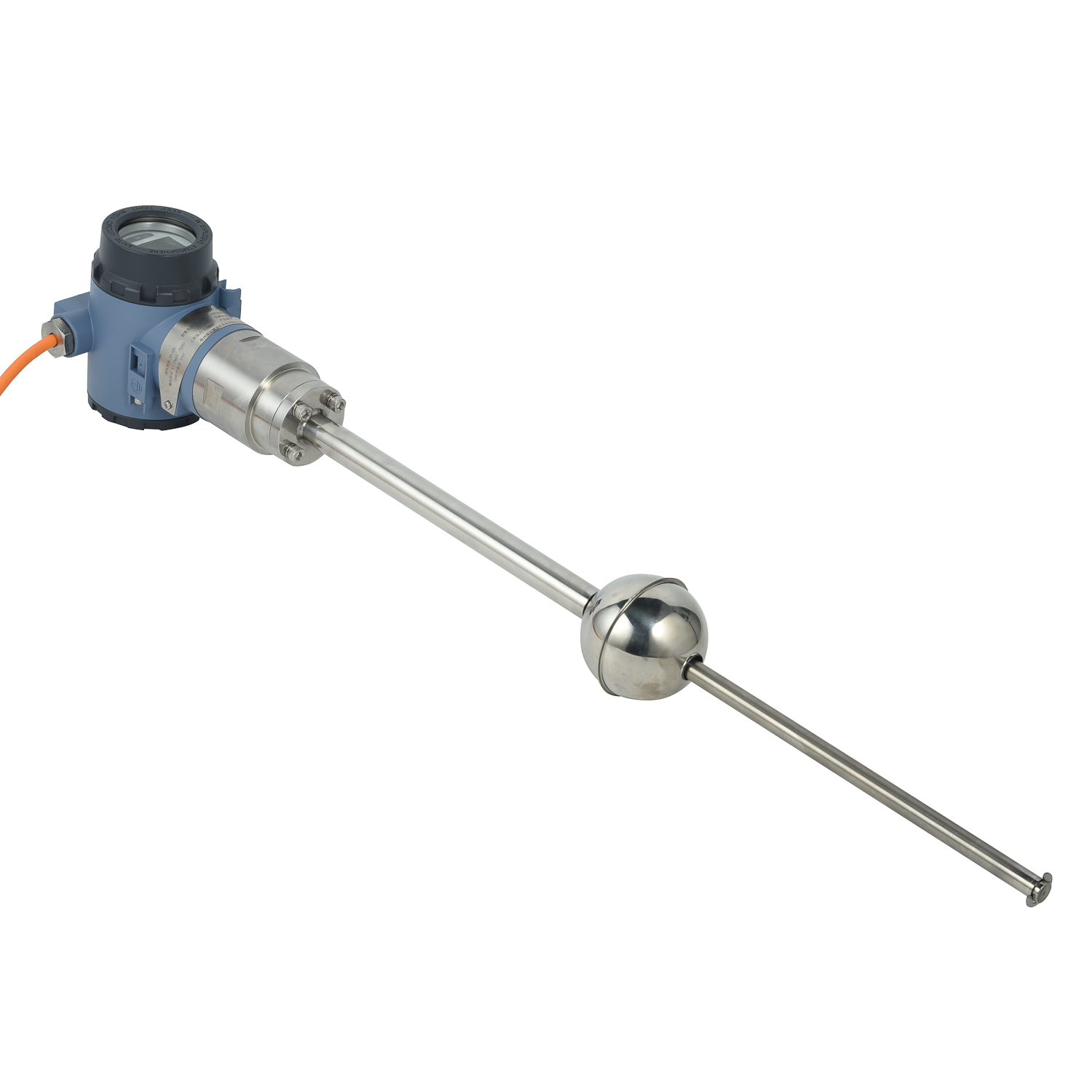
These sensors improve safety and efficiency. They provide accurate, real-time pressure data for monitoring tanks, pipelines, reactors, and compressors. With reliable performance, they help prevent leaks, overpressure, and equipment failure. Regular inspection and calibration extend service life and keep certification valid. For hazardous processes, an explosion-proof pressure sensor is not just a component; it is also a vital safety investment.
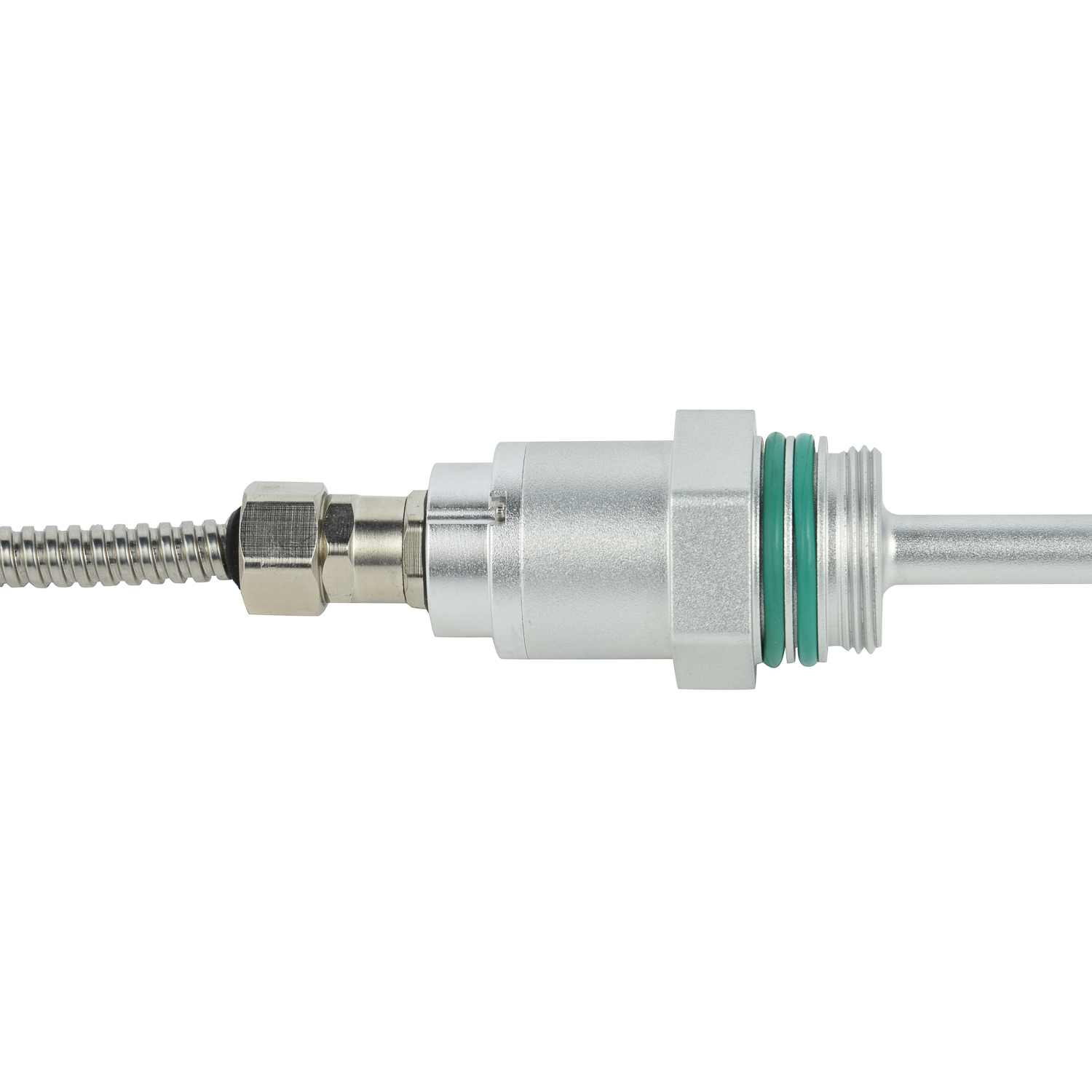 Flange-mounted Pressure Sensor
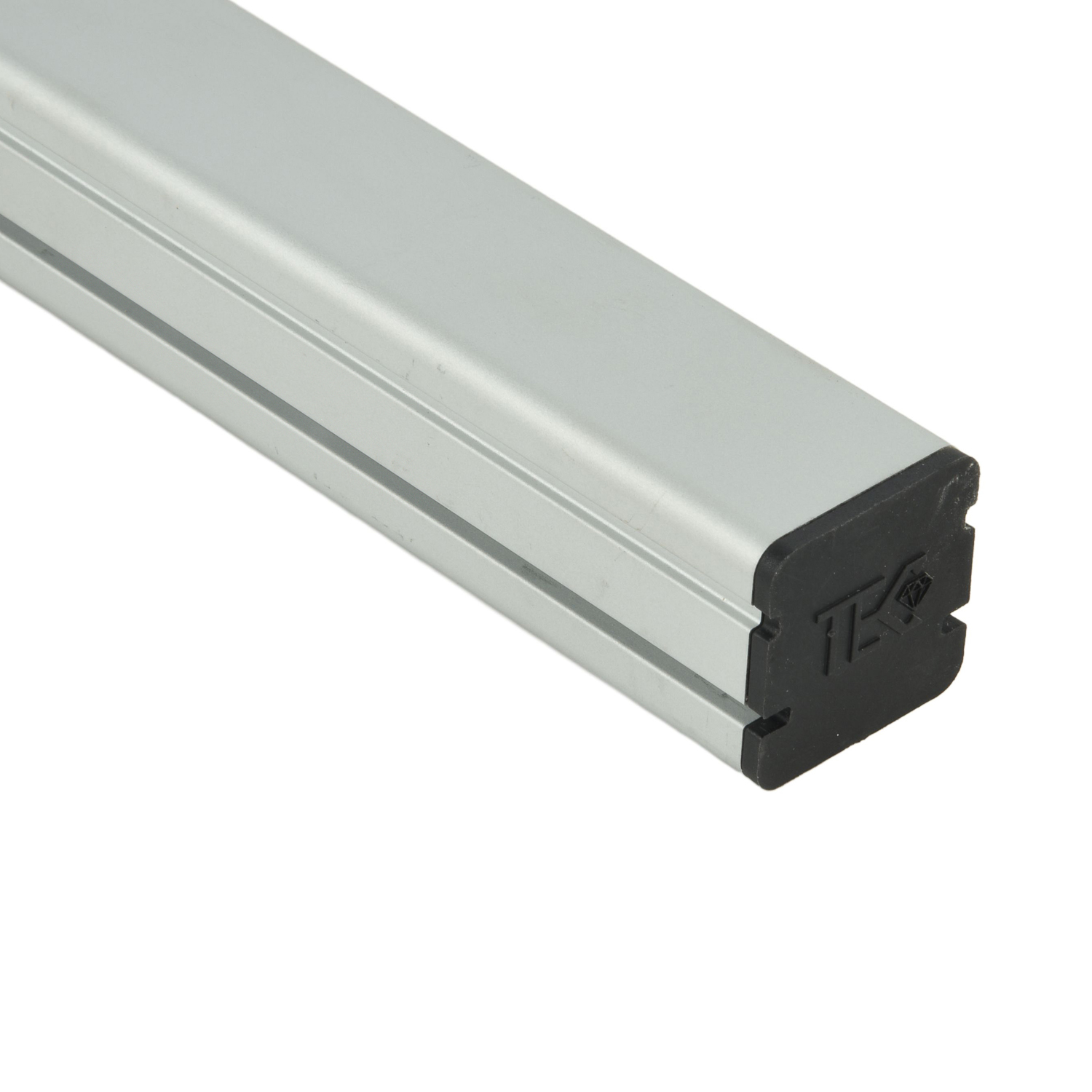 Non-contact Pressure Sensor
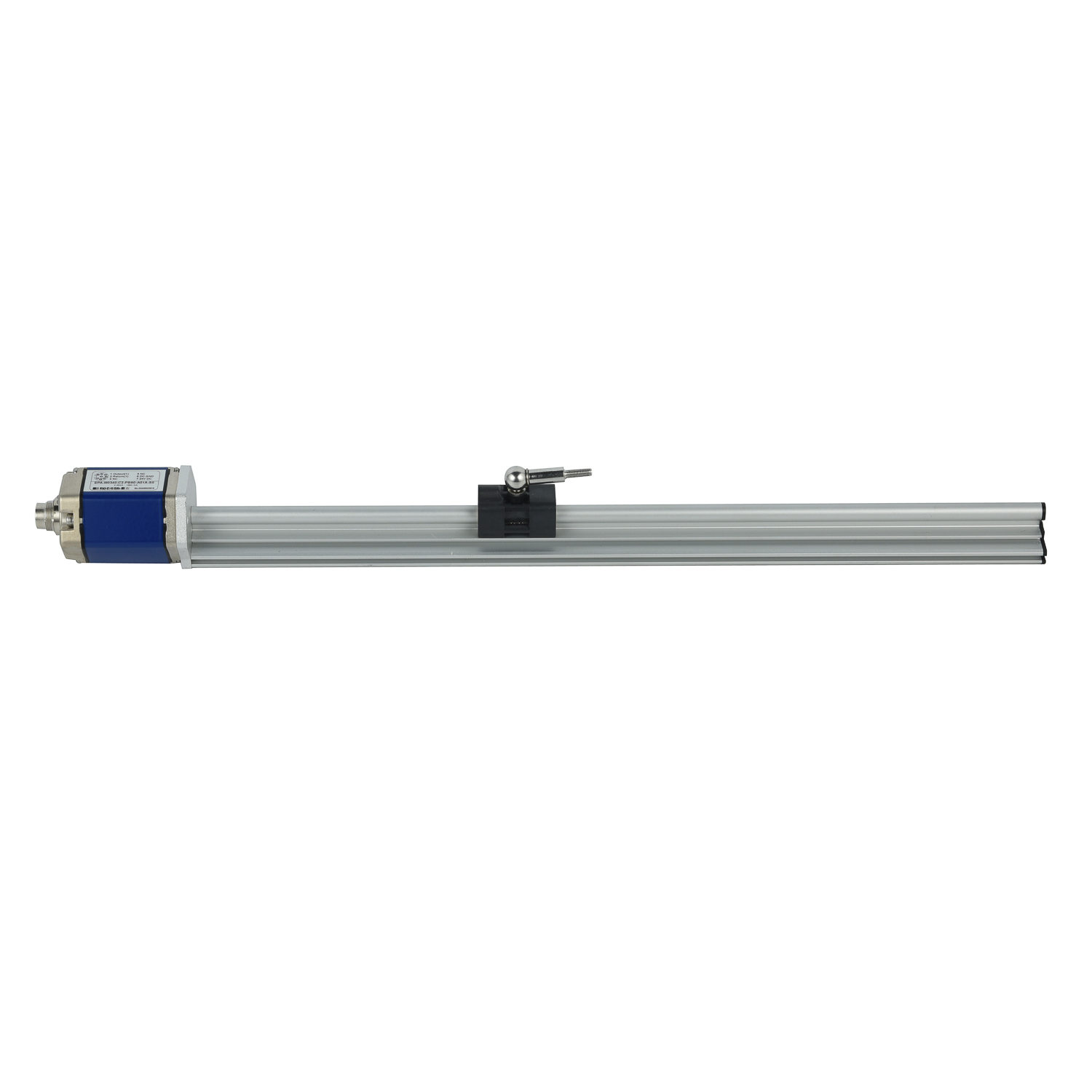 High-pressure Pressure Sensor
 High-temperature Pressure Sens