
Field Application of Turbine Flowmeter
Turbine flowmeters are widely used in field applications where accurate, repeatable flow measurement is required. They convert the mechanical energy of flowing fluid into rotational speed. A rotor spins as liquid or gas passes through the meter, and a magnetic pickup generates pulses proportional to volume flow. This simple principle makes them fast, durable, and easy to integrate with control systems.
In oil and gas fields, turbine flowmeters monitor crude oil, diesel, and natural gas. In water treatment plants, they measure intake, filtration, and distribution lines. Chemical plants use them for solvents, additives, and process liquids. Food and beverage facilities rely on them for batch dosing and clean-in-place lines.
Successful field application depends on proper installation. The meter should be mounted with enough straight pipe upstream and downstream to reduce swirl and turbulence. A strainer upstream protects the rotor from particles. The flow direction must match the arrow on the body. For liquids, the pipe should remain full; for gases, pressure and temperature compensation may be needed. Regular calibration and maintenance keep readings reliable.
Turbine flowmeters have limitations. They are sensitive to viscous fluids, abrasive particles, and pulsating flow. They may not suit low-flow or high-viscosity applications. Despite this, their compact size, fast response, and digital output make them practical for many industrial sites. With correct sizing, installation, and service, they deliver dependable field performance for years.
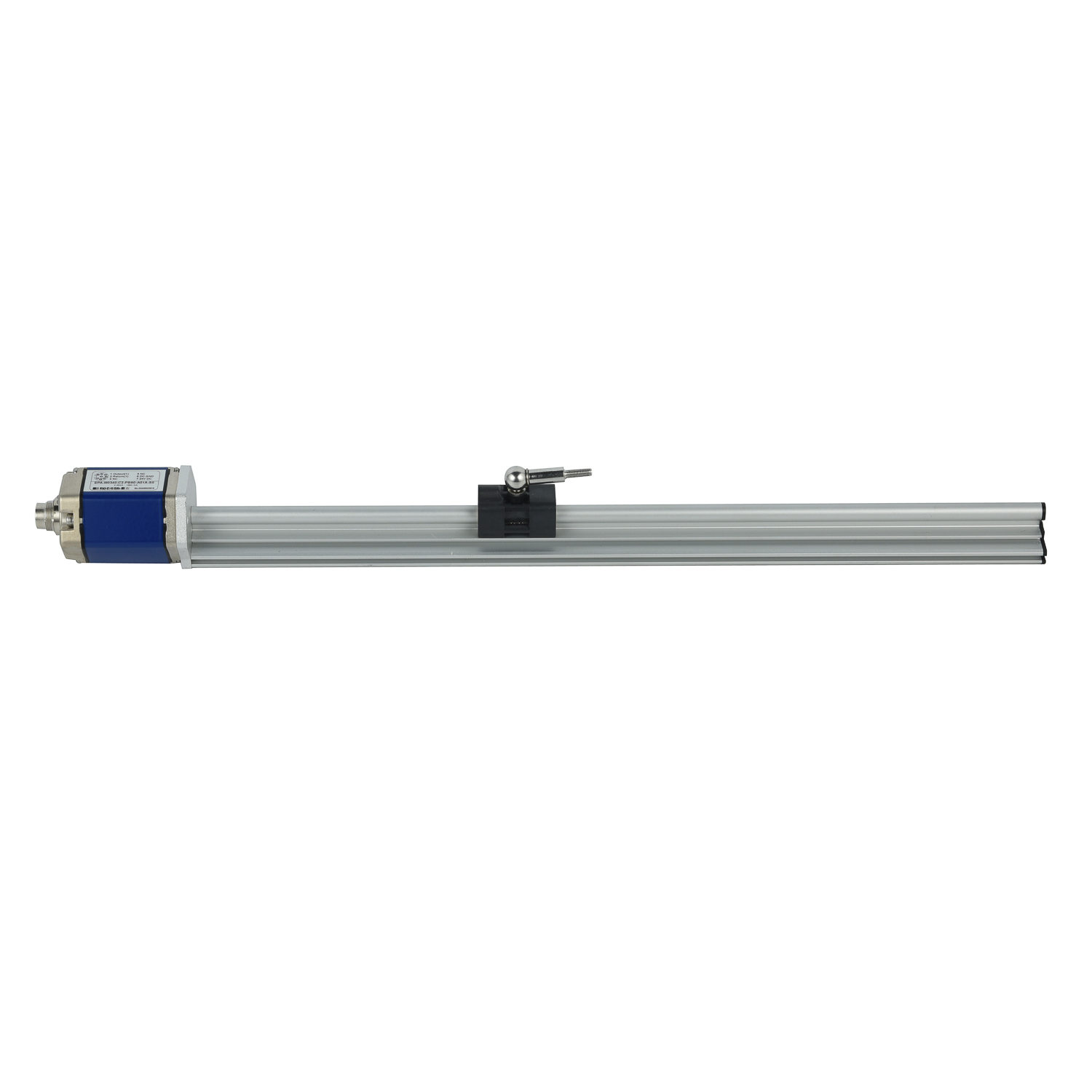
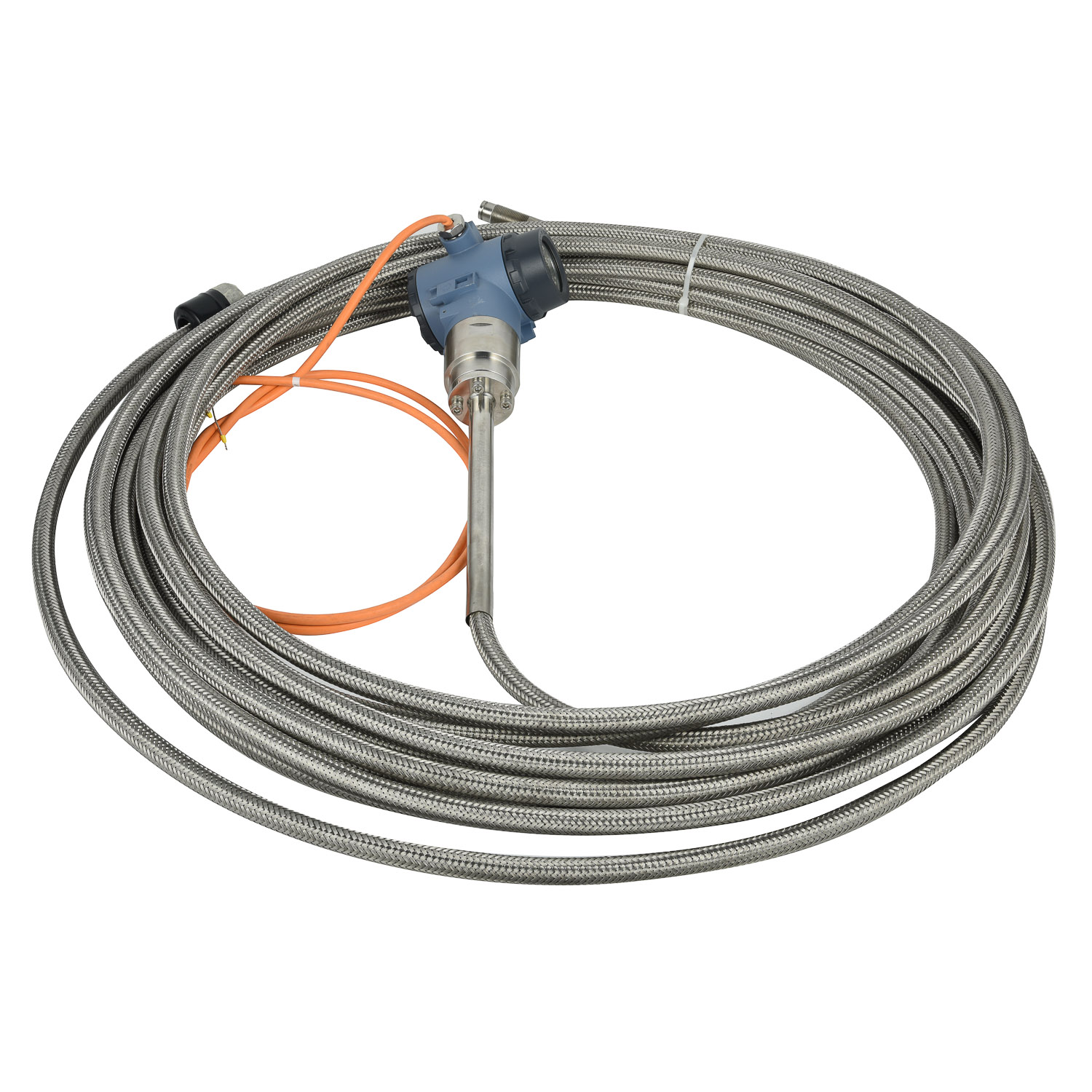 Pressure Sensor Manufacturer
 Corrosion-resistant Pressure S
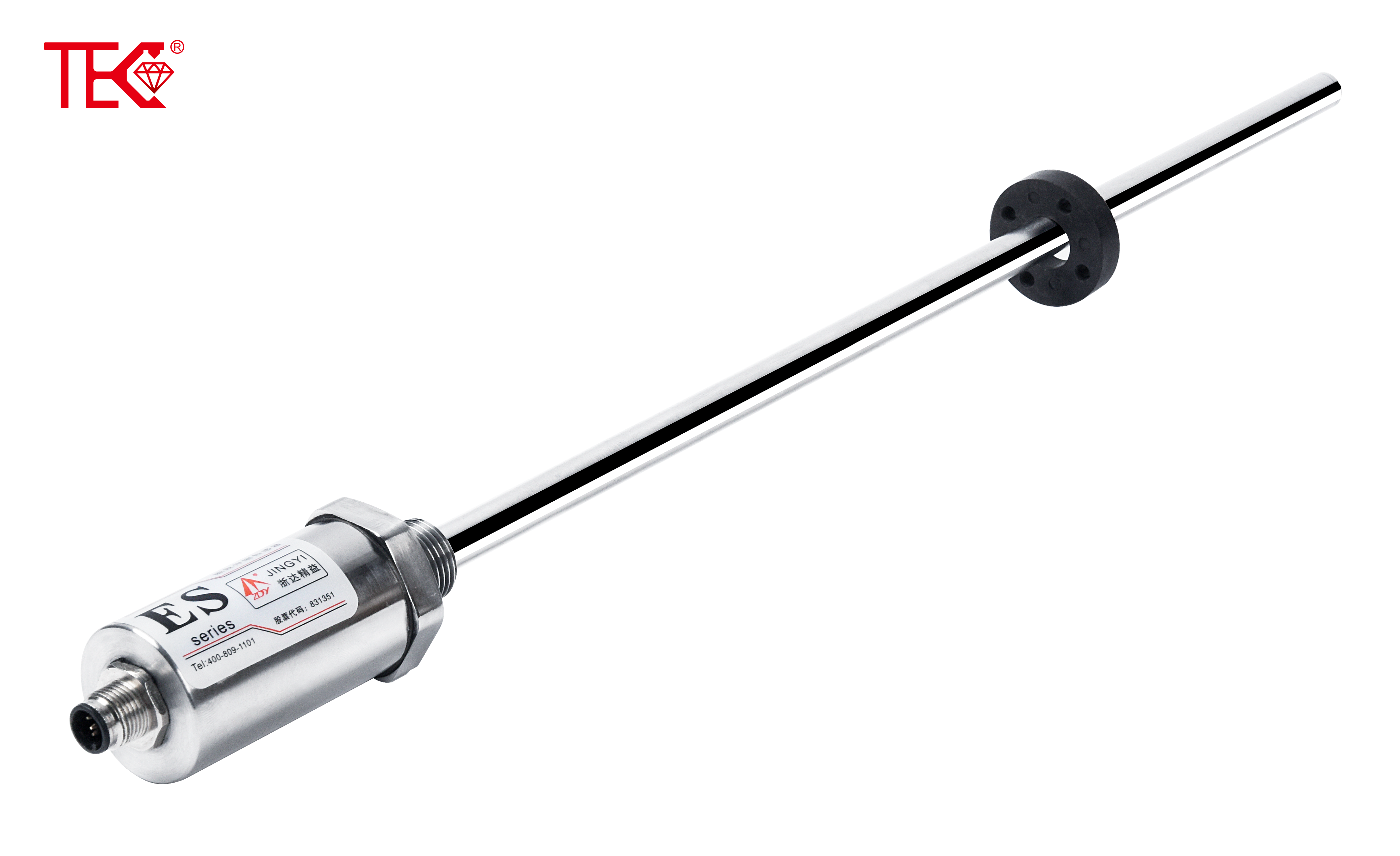
 Rod-type Pressure Sensor
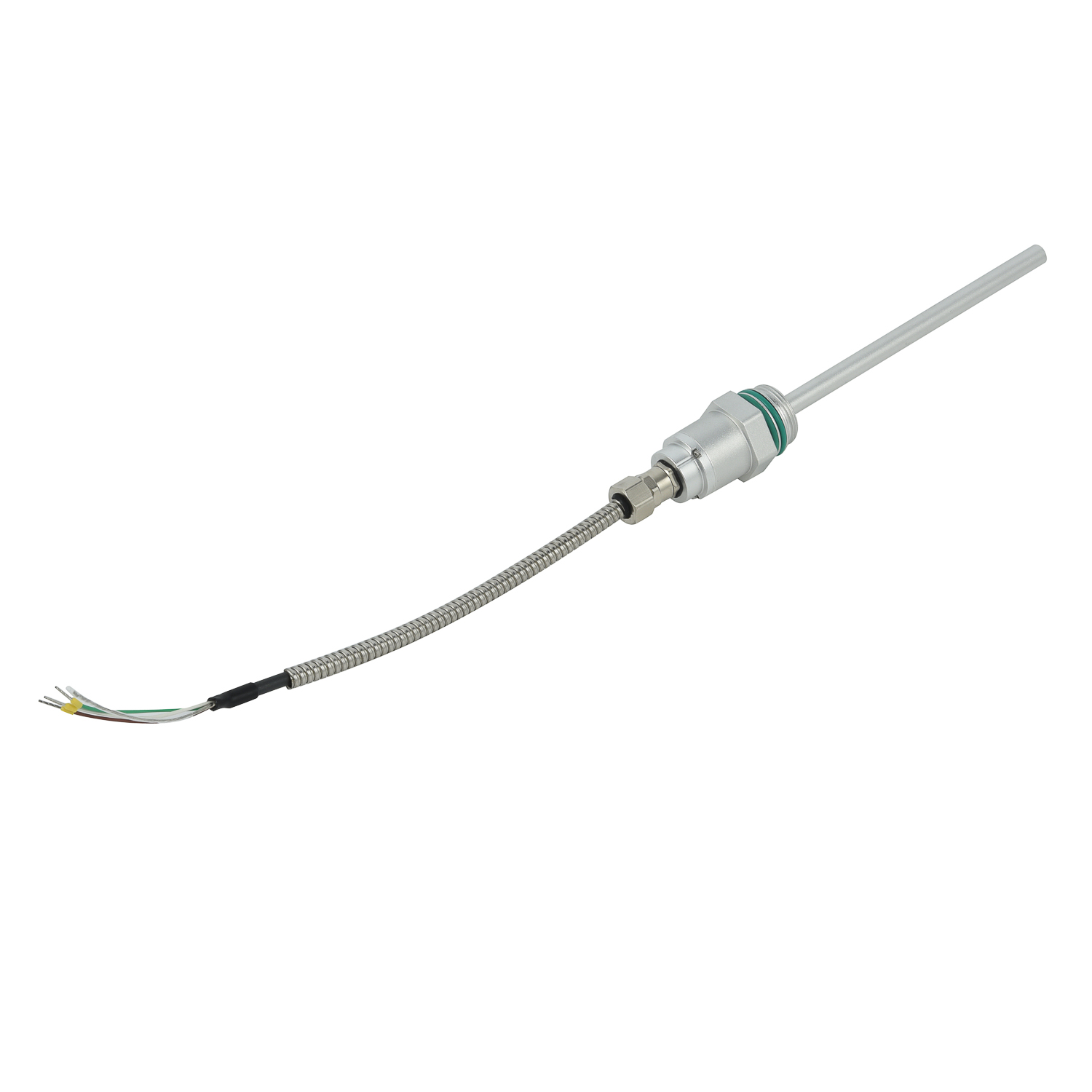
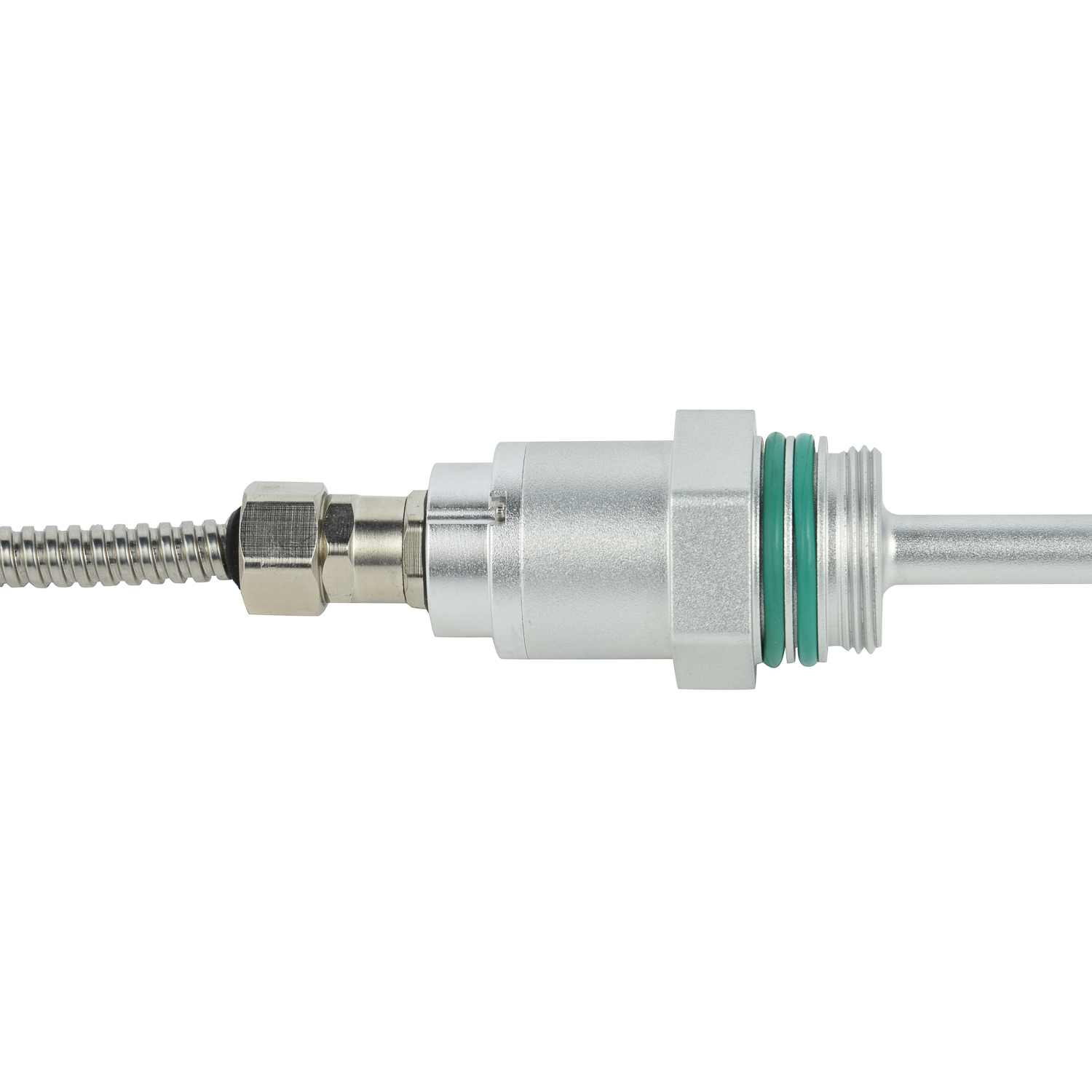 Flange-mounted Pressure Sensor