
Power Plant Bridge Crane Waterproof Crane and Trolley Positioning Field Application
In power plants, bridge cranes operate in demanding environments where steam, dust, humidity, and washdown water are common. A waterproof crane is therefore essential for safe and reliable material handling. The waterproof design uses sealed motors, IP-rated control cabinets, corrosion-resistant coatings, and protected cable systems. These features prevent moisture ingress, reduce electrical faults, and extend service life in boiler rooms, turbine halls, and water-treatment areas.
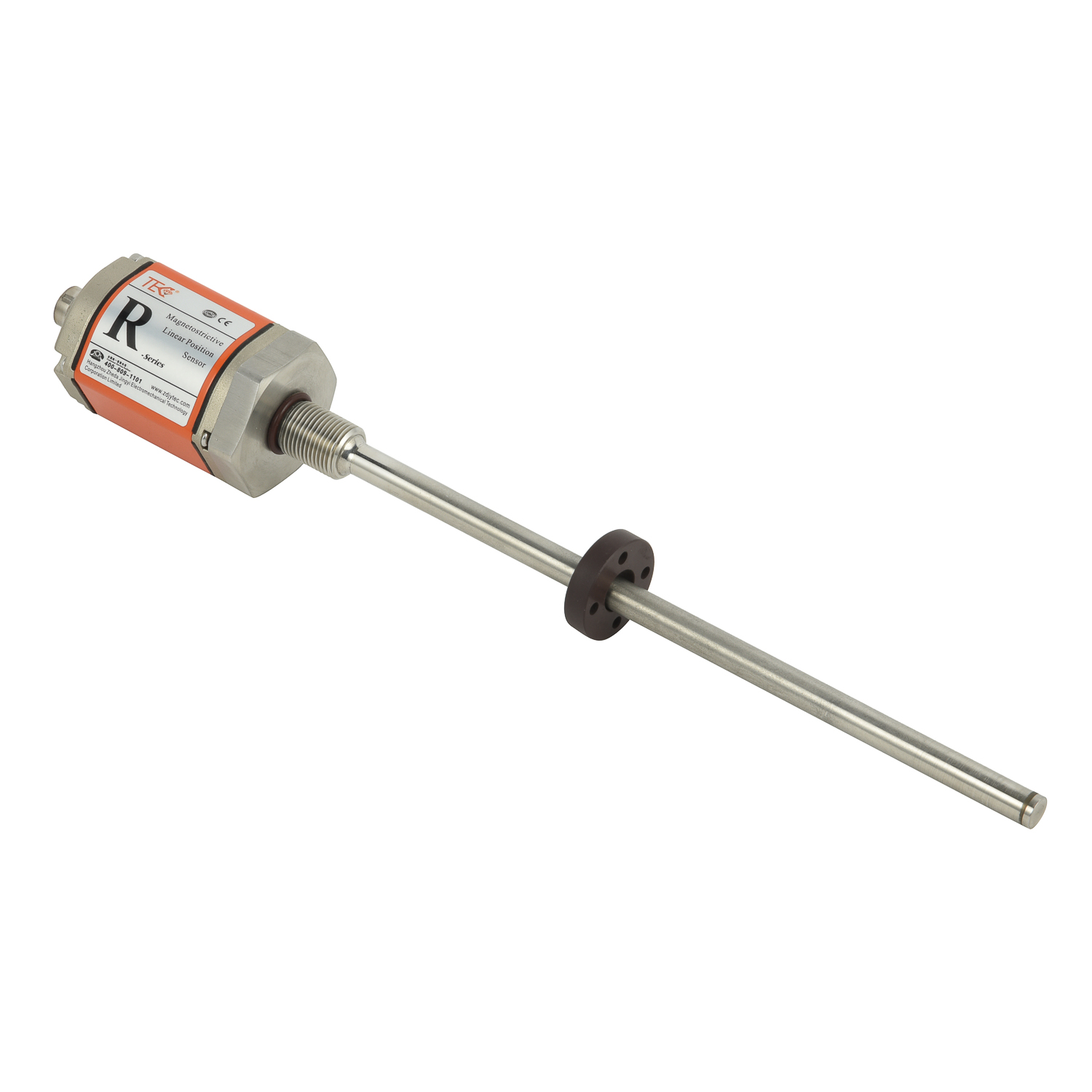
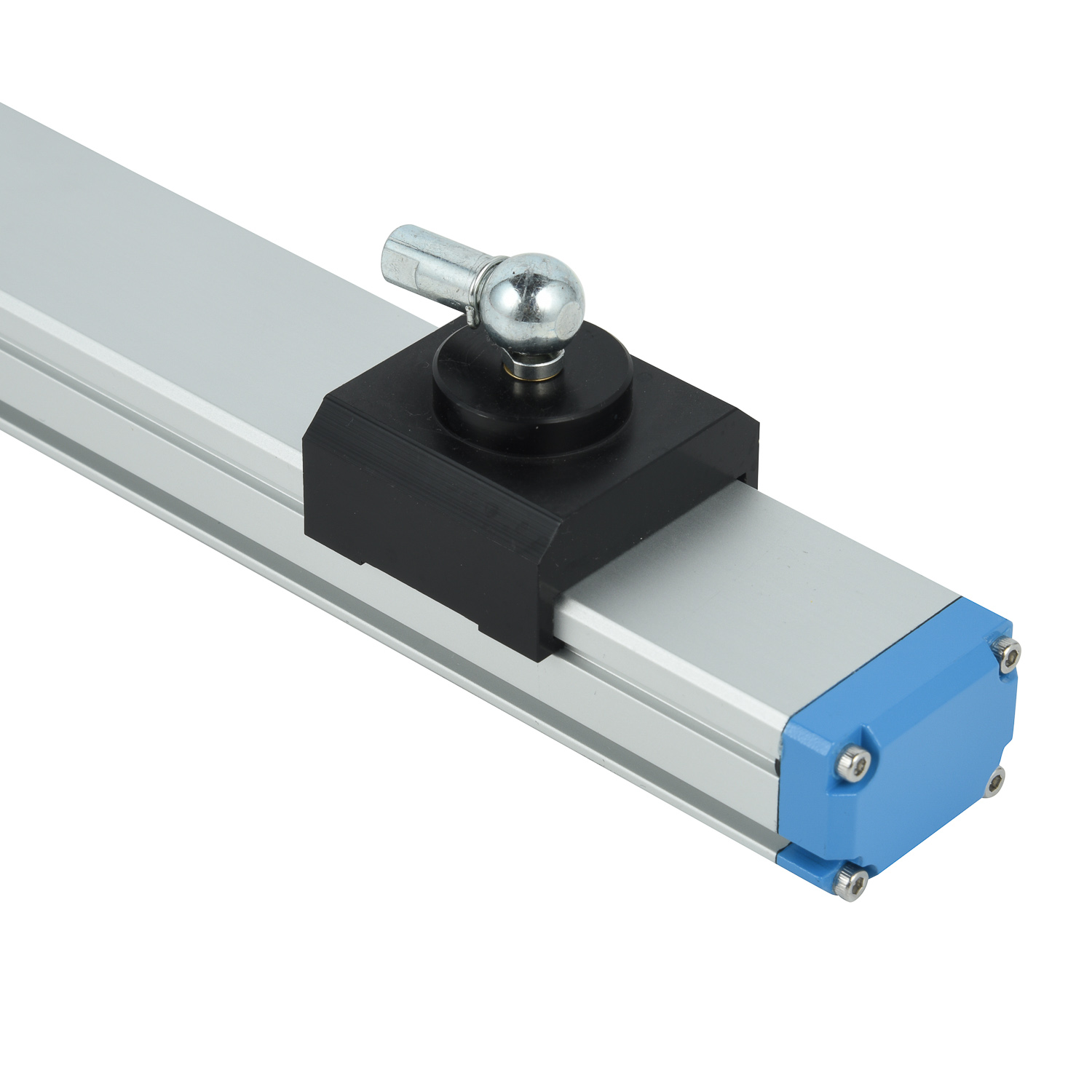
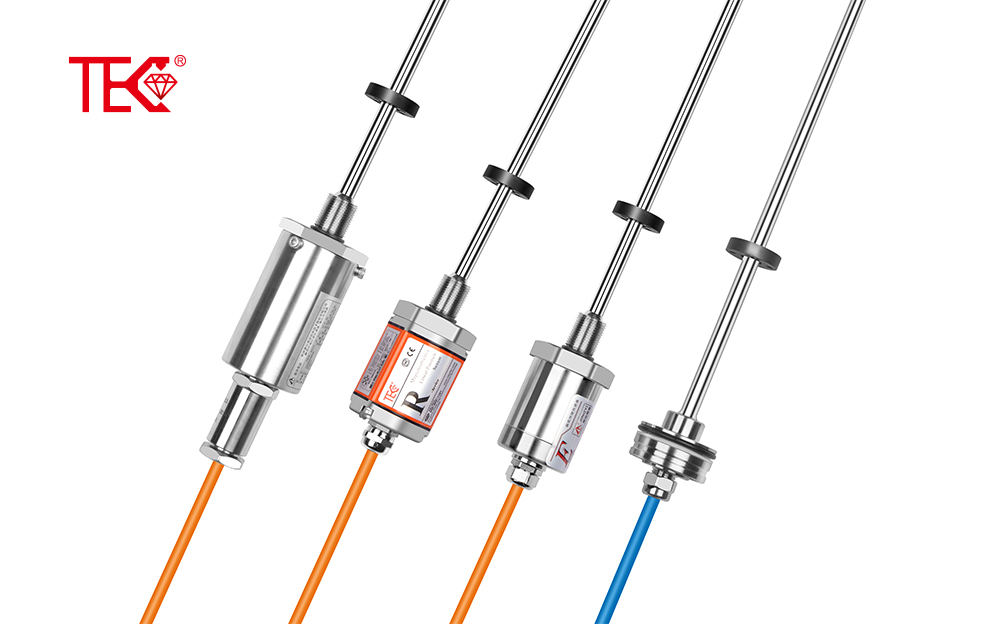
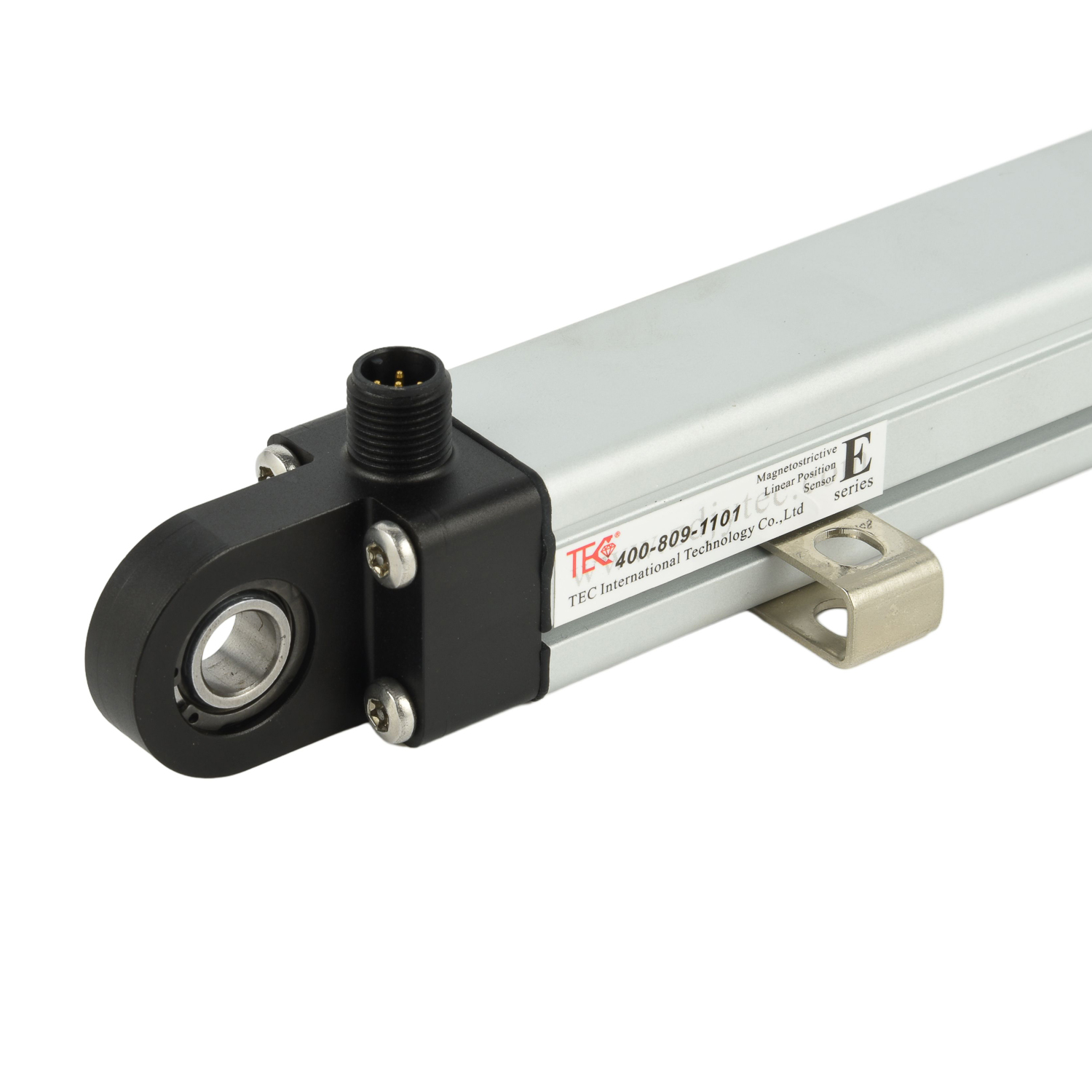
Trolley positioning is another critical factor. Accurate positioning improves load control, prevents collision, and supports automated operations. Field applications often combine encoders, laser distance sensors, and limit switches with PLC control. The system measures trolley travel in real time and sends feedback to the operator cabin or automatic control platform. This enables precise stopping for maintenance lifts, valve handling, and heavy component transport. In dusty areas, protected sensor housings and regular calibration keep positioning stable.
In practical power plant projects, waterproof protection and reliable positioning must be integrated from the design stage. Engineers should match IP ratings to actual washdown and humidity levels, route cables away from hot surfaces, and test trolley positioning under loaded conditions. Regular inspection of seals, sensors, and cables is also important. With proper selection and maintenance, the bridge crane can deliver stable performance, lower downtime, and safer lifting in challenging power generation sites.
 Bridge Crane Corrosion-resista
 Crane Waterproof Crane and Tro
 Overhead Crane High-pressure C
 Stacker-reclaimer High-tempera