
Stacker-reclaimer High-temperature Crane and Trolley Positioning Selection
High-temperature stacker-reclaimer duty demands positioning that survives heat, dust, steam, vibration, and limited service access. For the crane, choose an absolute, rugged solution rather than incremental devices that lose reference after power loss. A geared absolute encoder on the travel drive, combined with a redundant laser distance sensor, gives reliable long-travel feedback. Mount sensors away from radiant heat, add water-cooled or air-purged housings, and use heat-resistant cables.
For trolley positioning, short stroke and fast cycles favor a magnetic tape or stainless linear encoder when the rail is clean. In dusty, high-radiation zones, a laser distance sensor with air purge and a protective hood is often easier to install. Draw-wire sensors suit compact spaces but require heat shielding and frequent wire inspection.
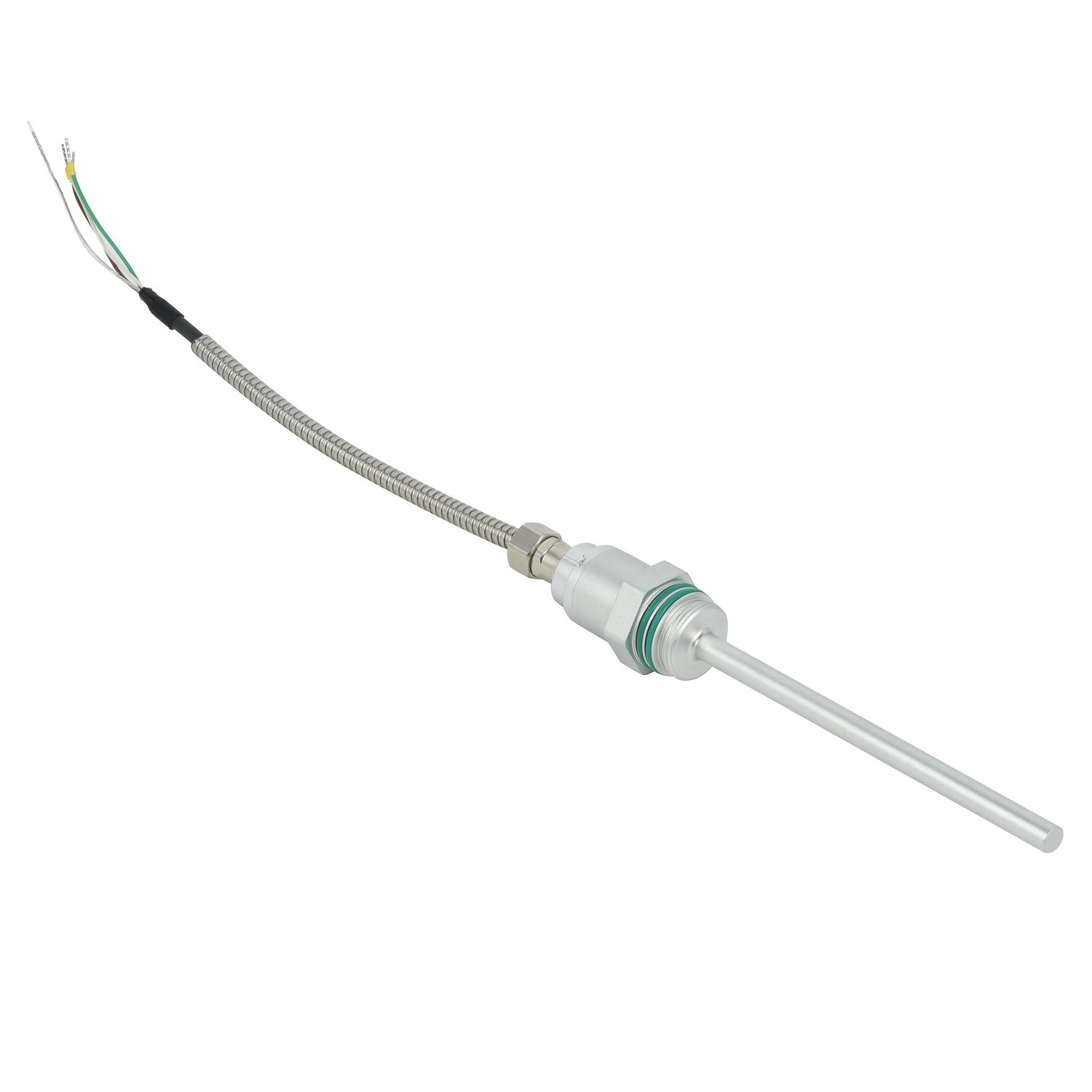
Selection should compare temperature limits, IP rating, shock resistance, calibration effort, and spare-part access. Keep critical signals redundant: one non-contact sensor plus one mechanical/encoder reference. Use shielded cables, isolated power, and temperature alarms. Avoid low-cost optical encoders near hot slag or steam. For maintenance, design external zeroing, quick-release mounts, and remote diagnostics. Final choice: absolute encoder plus purged laser for crane travel; magnetic tape or purged laser for trolley, depending on dust and stroke. This balance delivers stable positioning, fewer stops, and lower lifecycle cost.
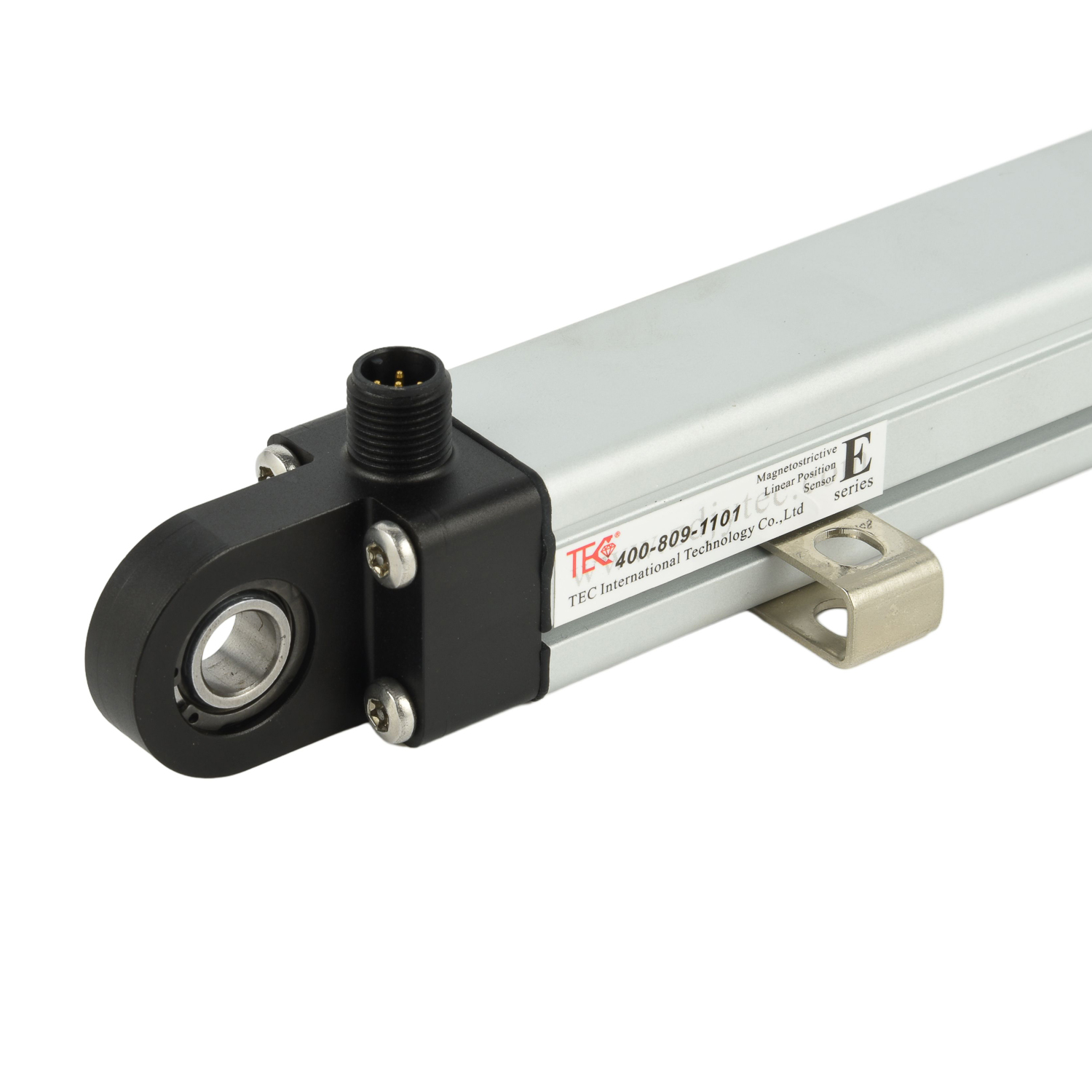 Overhead Crane High-pressure C
Stacker-reclaimer High-tempera
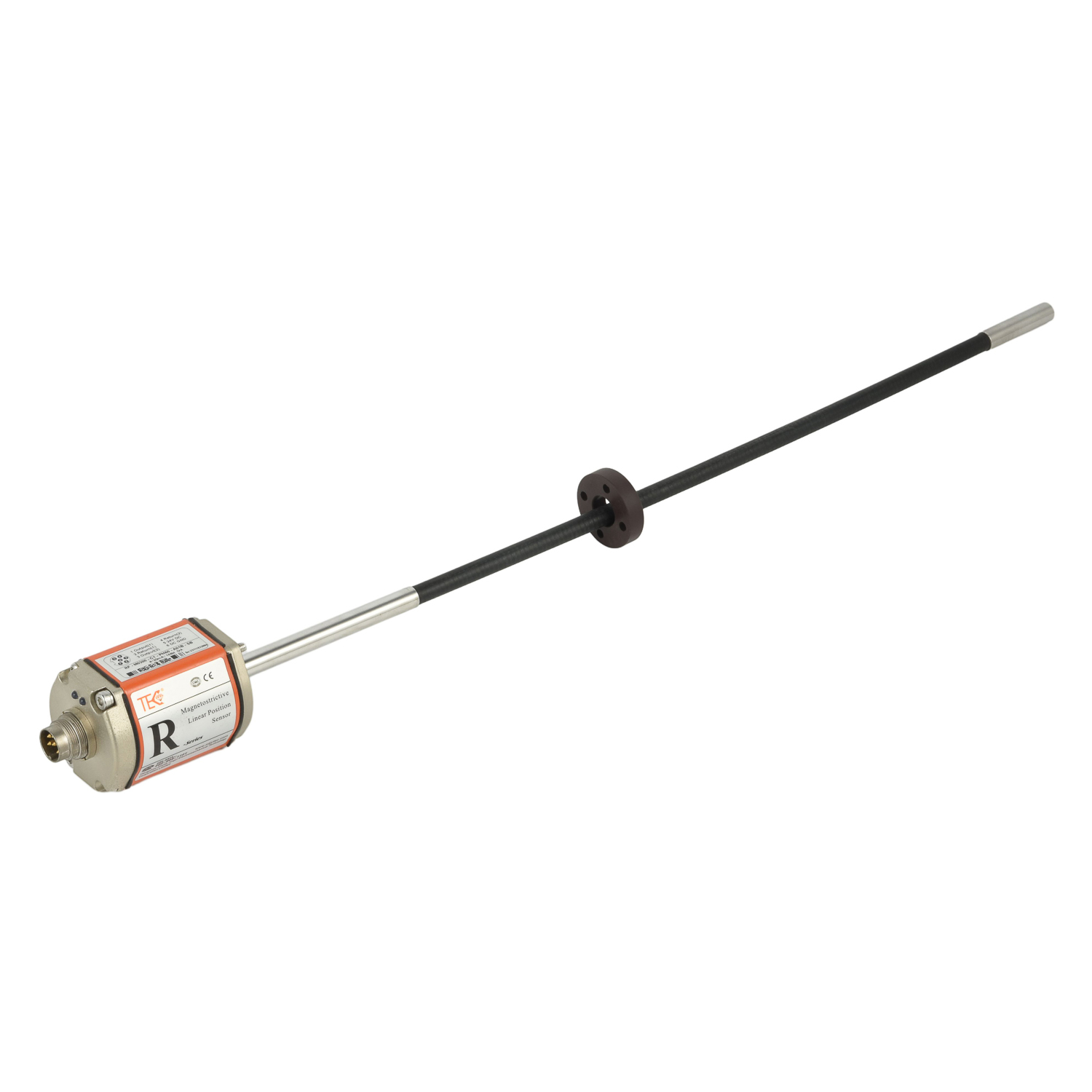 Bucket Wheel Stacker-reclaimer
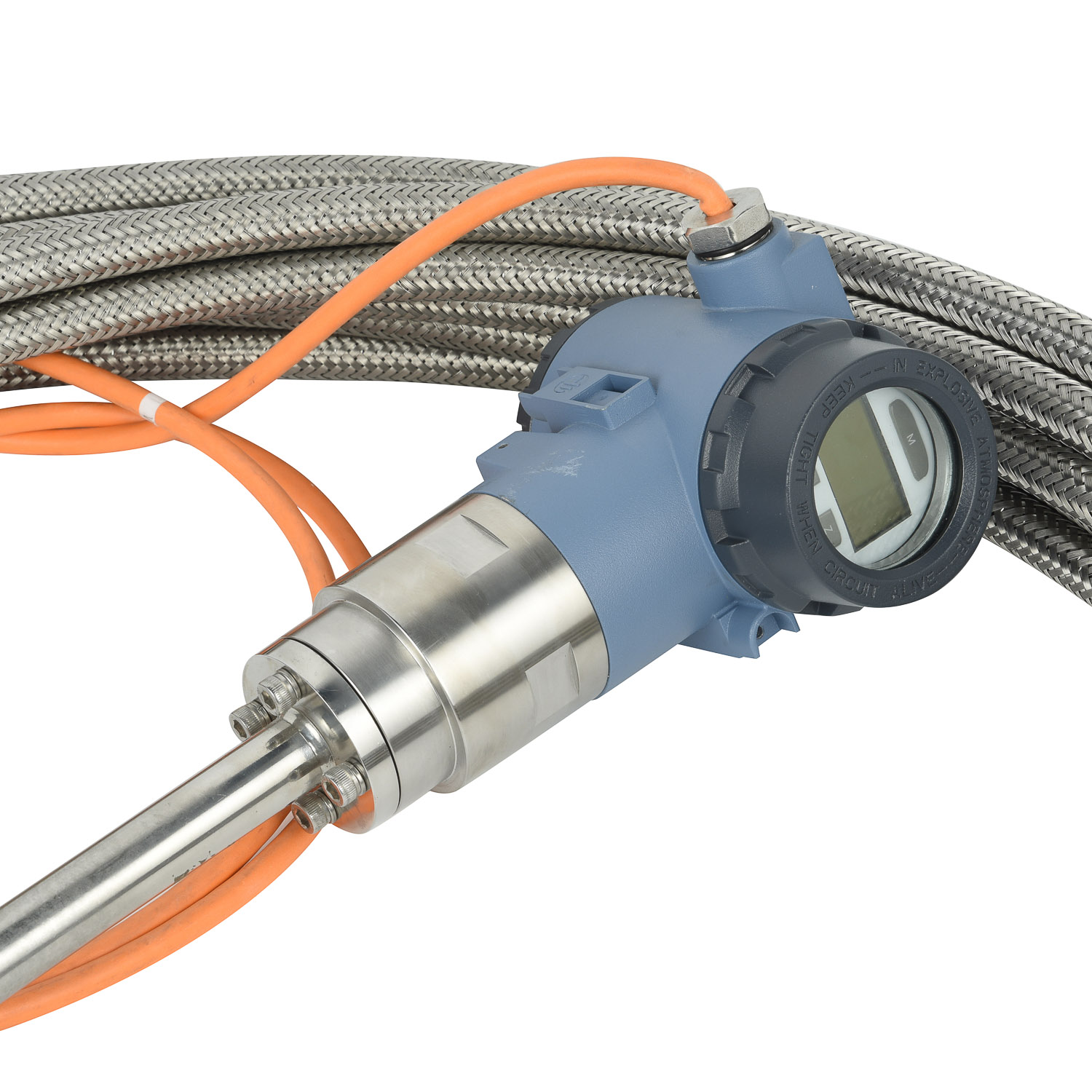 Mixing Station Explosion-proof