
Overhead Crane High-pressure Crane and Trolley Positioning Price
Overhead crane high-pressure crane and trolley positioning price depends on more than the quoted equipment number. Buyers should compare lifting capacity, span, lifting height, duty class, voltage, control method, and safety standards. A high-pressure crane used in demanding environments may require reinforced structures, sealed electrical components, heat-resistant cables, and advanced overload protection, all of which raise cost. Trolley positioning is another key price factor. Basic encoder control costs less, while PLC-based automation, variable-frequency drives, laser or absolute positioning, anti-sway control, and remote diagnostics add value through faster cycles and lower collision risk. Installation, foundation work, commissioning, operator training, spare parts, and after-sales service also affect the total budget. For accurate pricing, provide site conditions, load details, travel distances, required positioning accuracy, and local regulations. A clear technical specification helps suppliers offer comparable quotes and prevents hidden costs. Choosing the right configuration balances initial price with uptime, safety, and long-term maintenance. Request itemized offers that separate crane structure, high-pressure components, trolley positioning system, shipping, and service. This approach helps buyers evaluate real lifecycle cost and select a reliable overhead crane solution for their workload. Always request itemized quotations and confirm warranty terms.
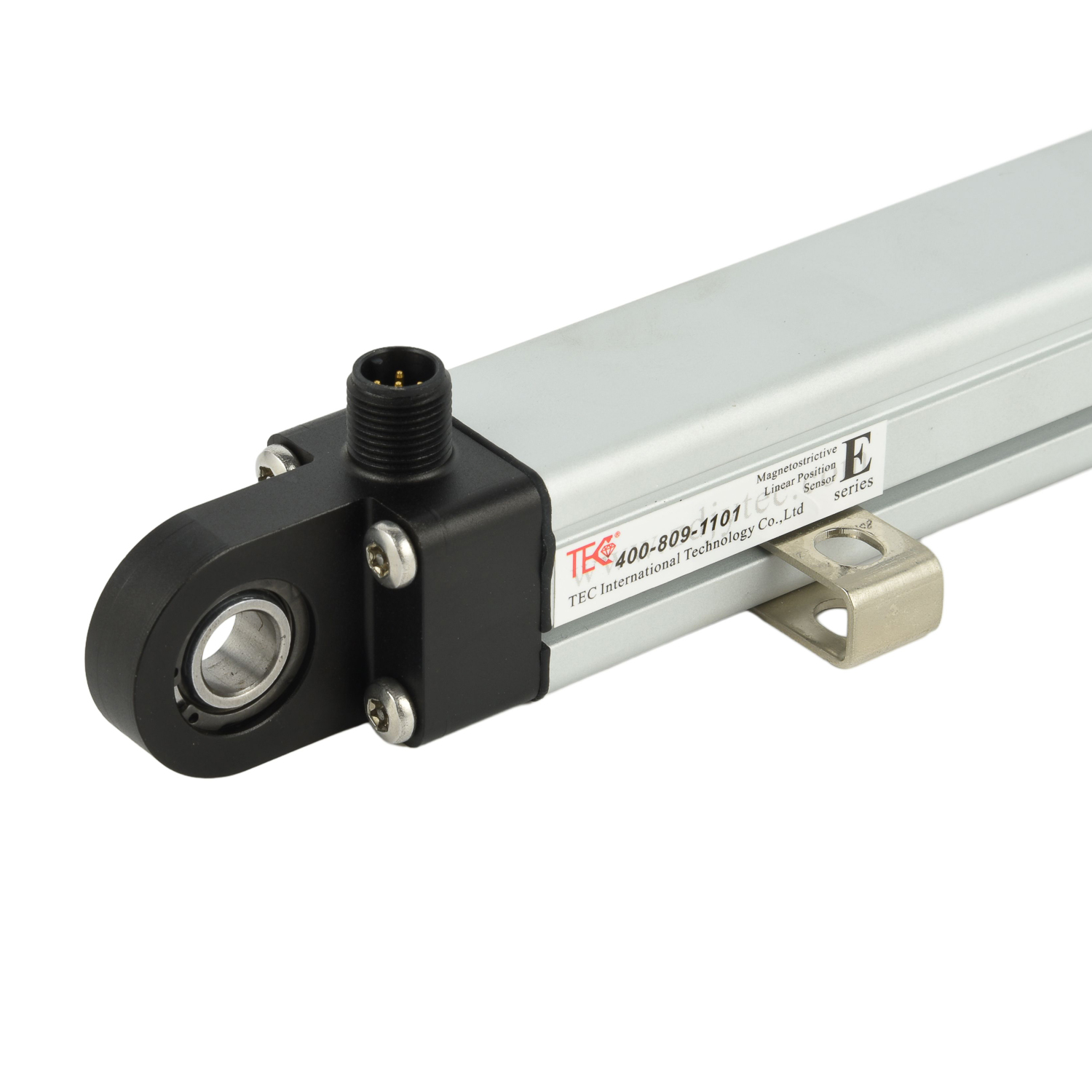 Overhead Crane High-pressure C
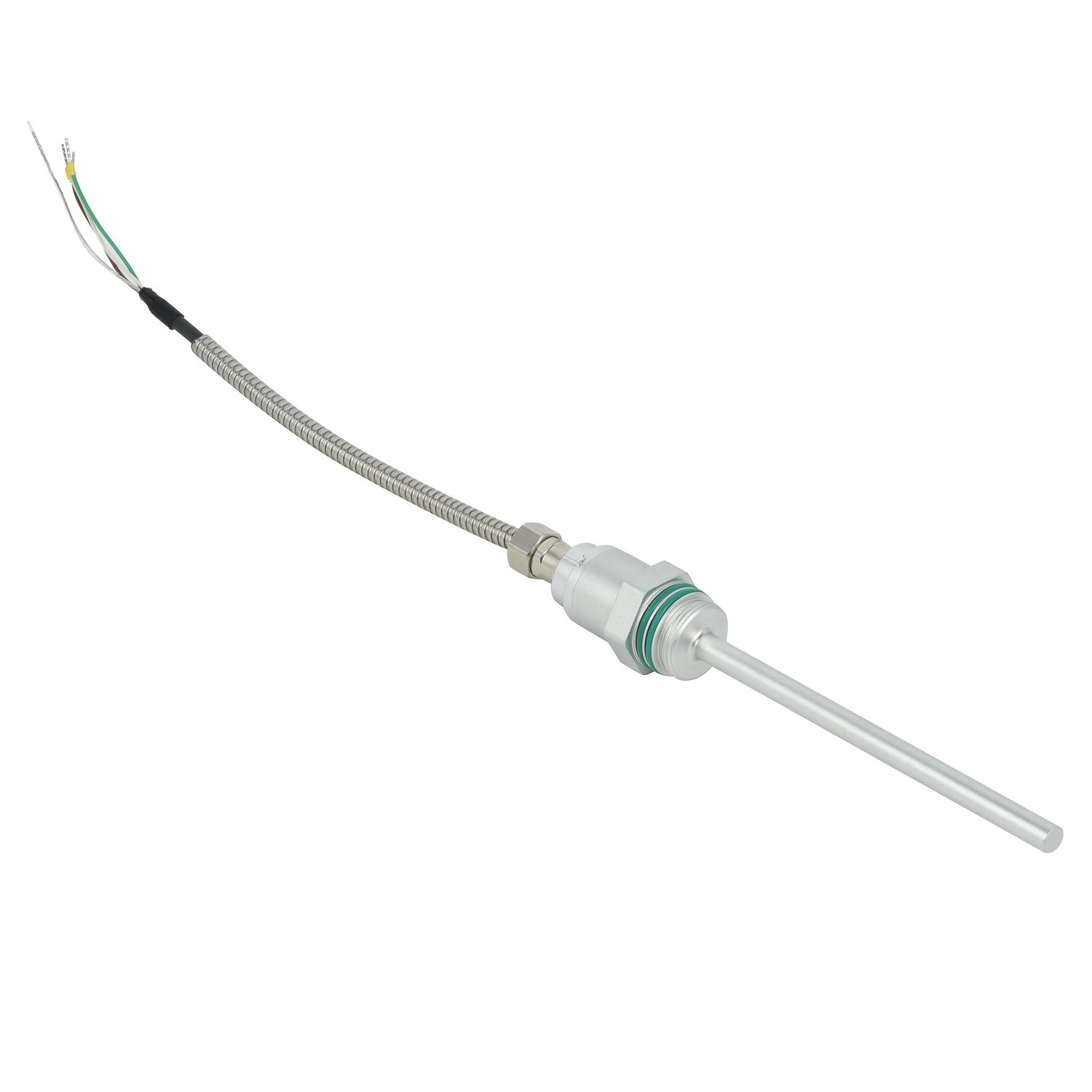 Stacker-reclaimer High-tempera
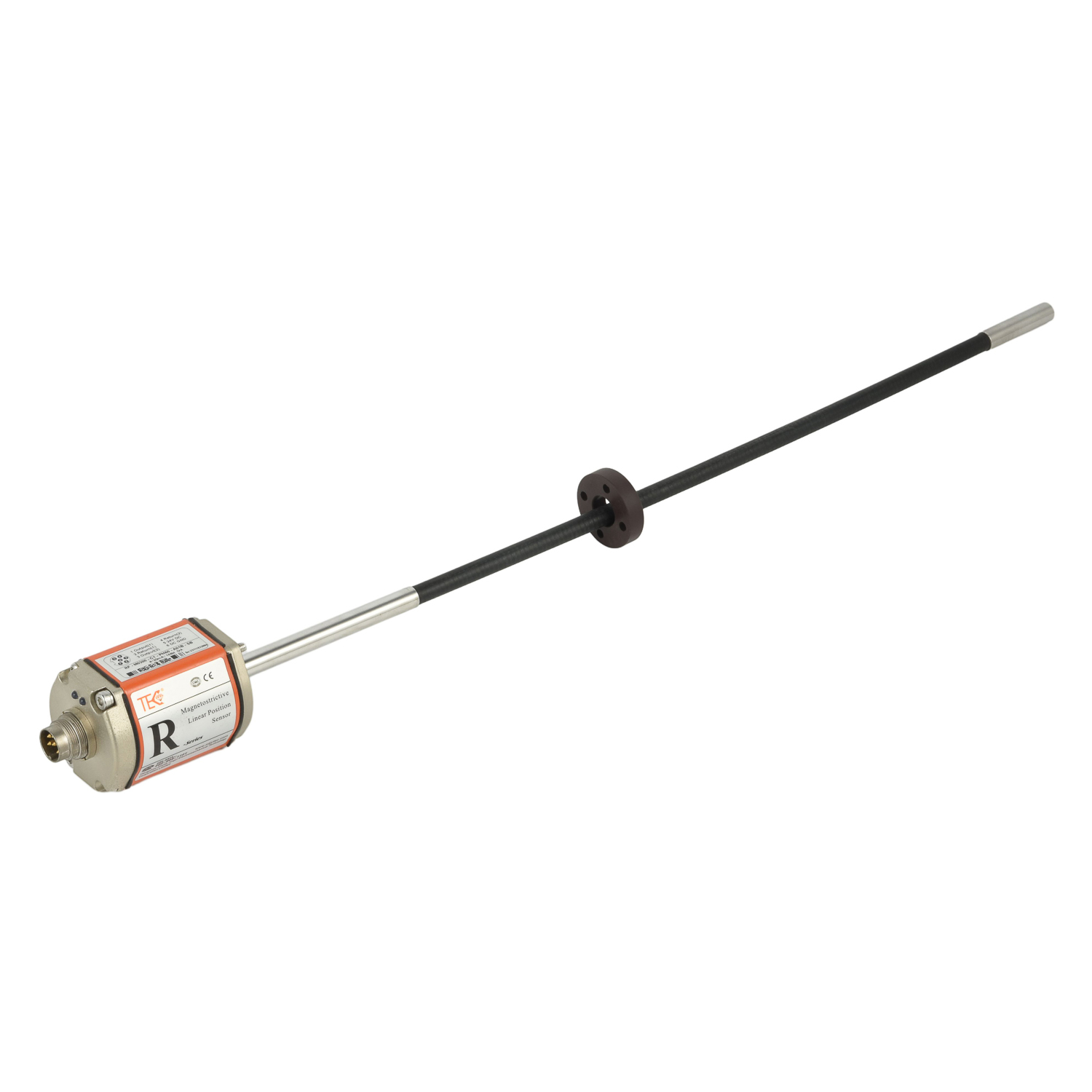 Bucket Wheel Stacker-reclaimer
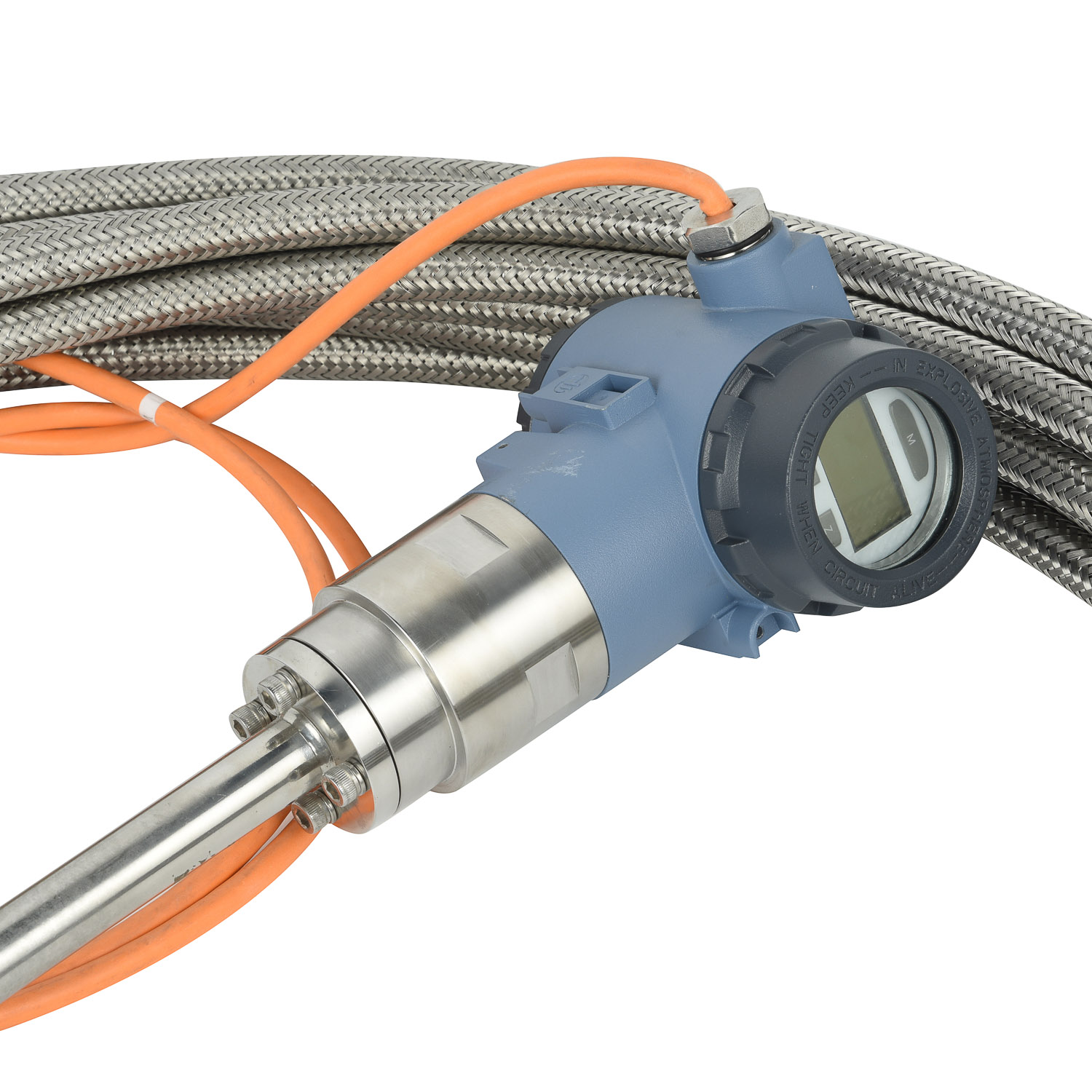 Mixing Station Explosion-proof