
Construction Machinery Crane Crane and Trolley Positioning Fault
Positioning faults on construction machinery cranes show up as inaccurate trolley travel, delayed stopping, drift, repeated limit alarms, or failure to hold a commanded position. These symptoms reduce lifting precision and can interrupt concrete, steel, and heavy-lift work. Start diagnosis with the operator report, fault codes, and the crane positioning sequence. Common causes include encoder misalignment, loose couplings, damaged cables, contaminated sensors, worn trolley wheels, brake drag, and incorrect PLC parameters. Dust, moisture, and vibration on site speed up these failures. Maintenance teams should inspect the trolley encoder, check mounting and coupling play, verify cable shielding and connectors, clean proximity switches, and compare commanded versus actual position in the PLC. They should also test brake release timing, rail condition, and drive inverter feedback. For intermittent faults, record trend data during trolley motion and inspect cable flex points. After repair, run low-speed and full-load positioning tests, confirm repeatability, and update the maintenance log. Preventive action includes scheduled calibration, vibration checks, connector sealing, and spare-part control. A structured troubleshooting plan restores safe crane control and avoids costly downtime. Isolate the crane, confirm zero energy, and follow site safety rules. Compare historical faults, ambient conditions, and load charts to identify recurring causes. Document the root cause and corrective action.
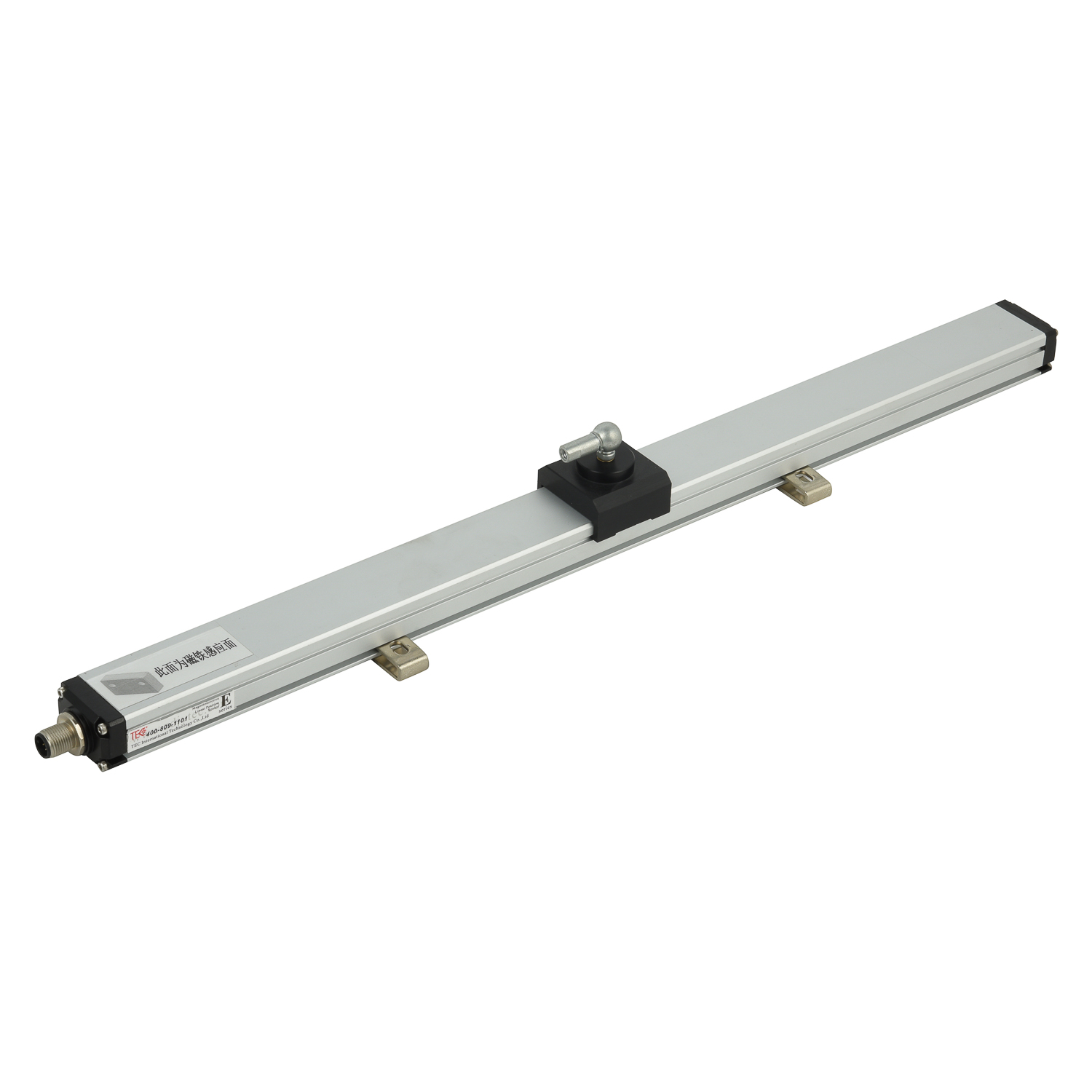
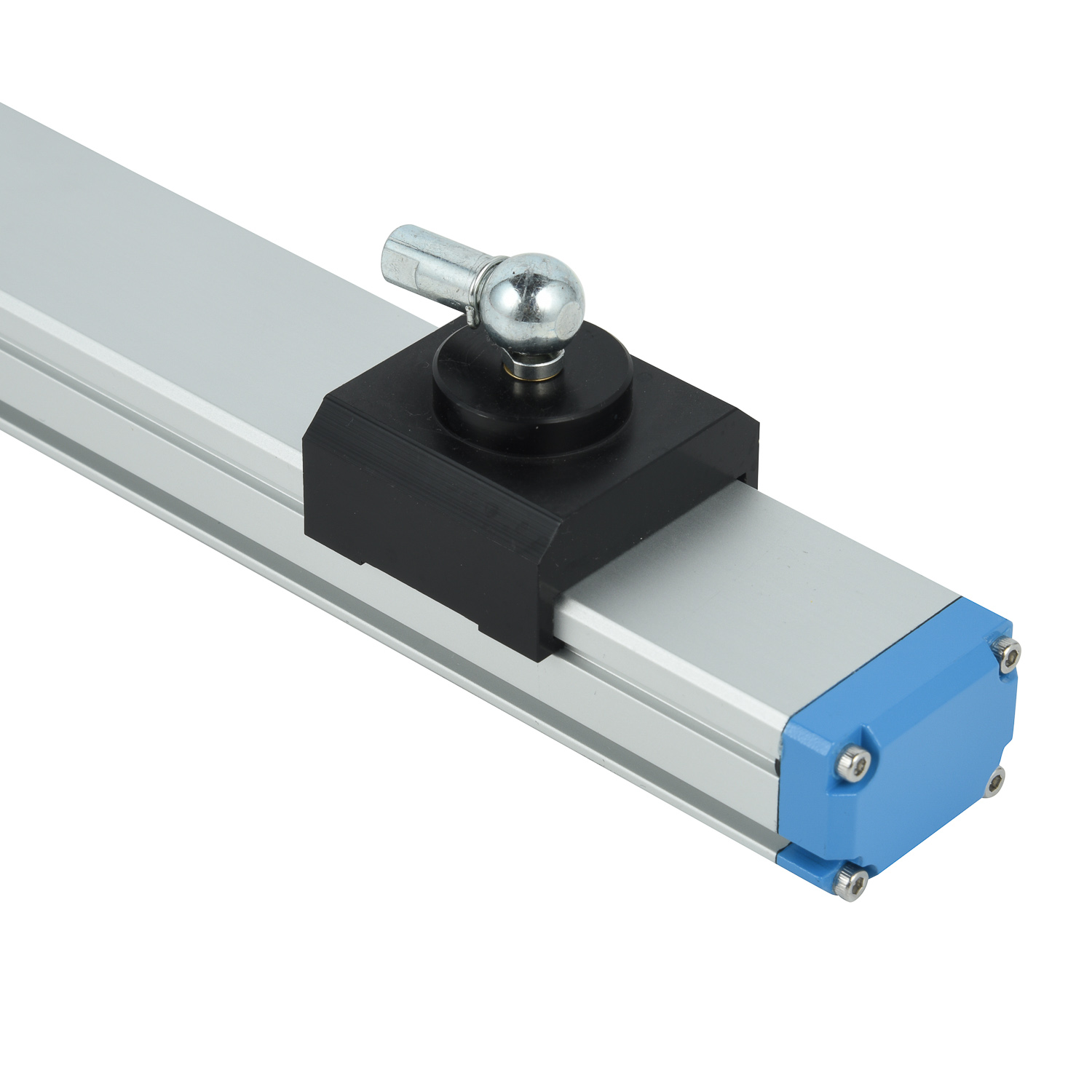 Bridge Crane Corrosion-resista
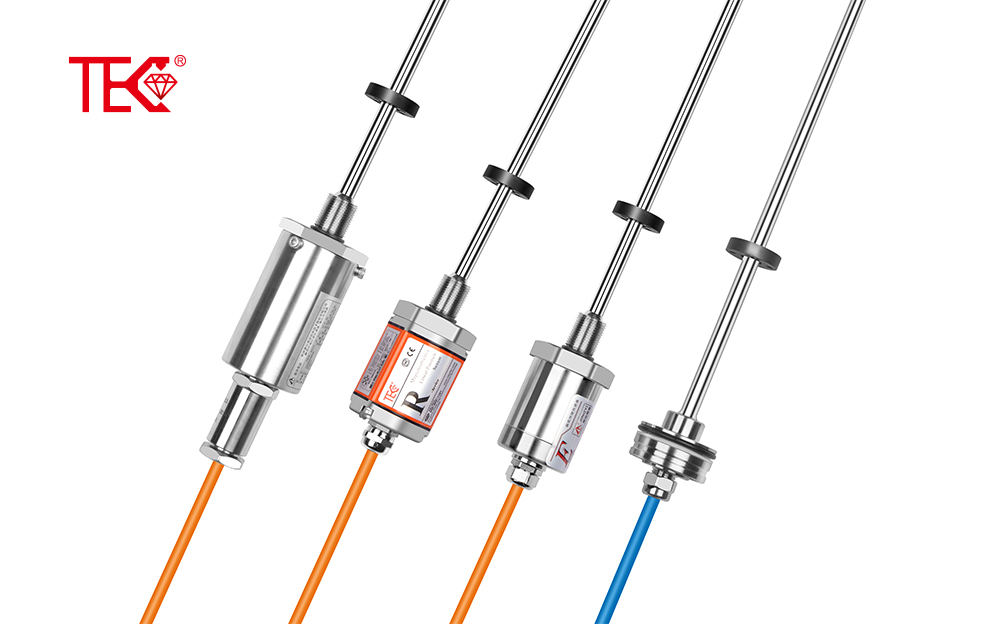 Crane Waterproof Crane and Tro
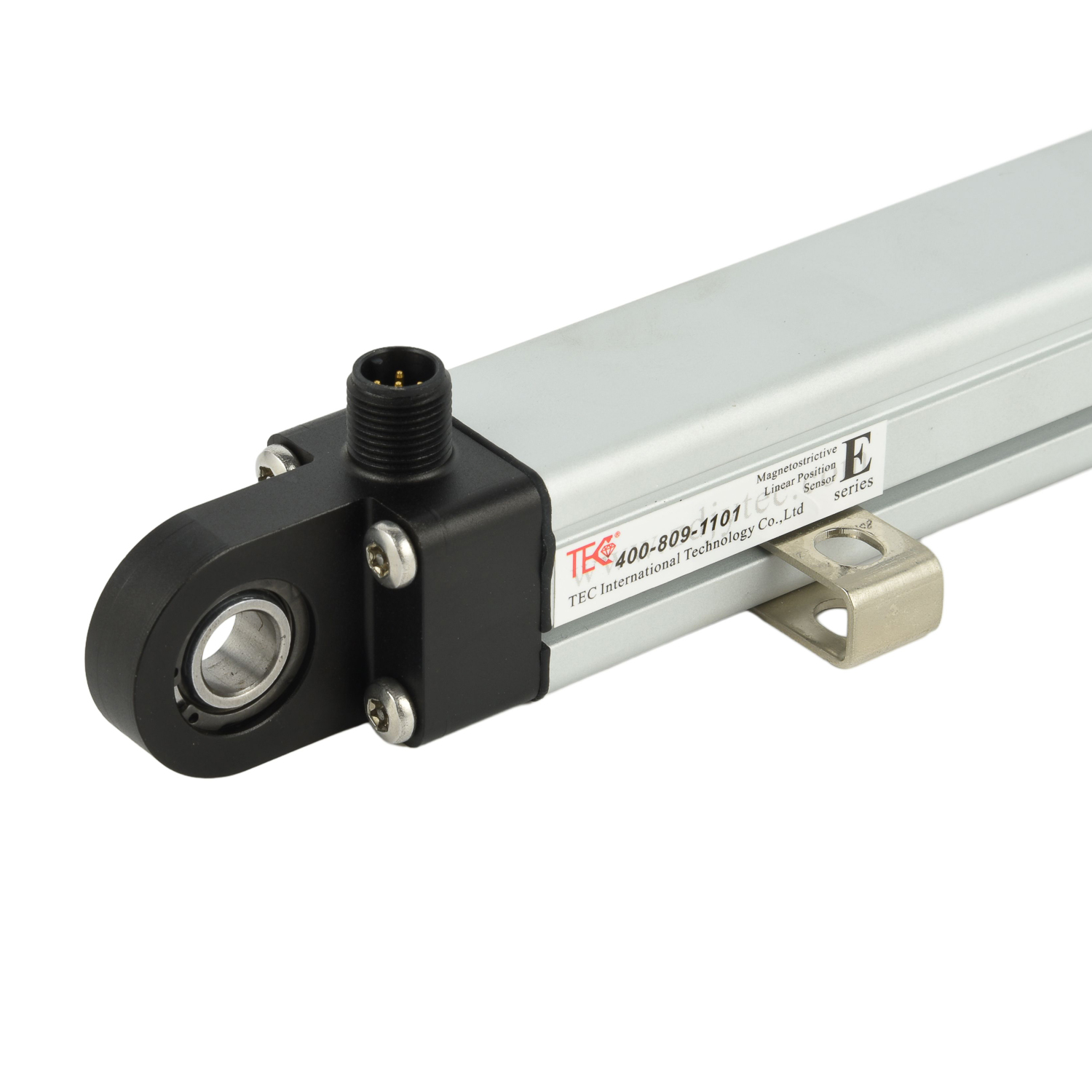 Overhead Crane High-pressure C
 Stacker-reclaimer High-tempera