
Bridge Crane Corrosion-resistant Crane and Trolley Positioning Working Principle
Corrosion-resistant bridge cranes are designed for humid, chemical, coastal, and dusty plants. Their working principle combines anti-corrosion protection with precise trolley positioning. The crane bridge, trolley frame, hoist, and electrical cabinet use galvanized steel, epoxy coatings, stainless fasteners, sealed bearings, and IP-rated motors. These measures reduce rust, wear, and electrical faults while keeping structural strength stable.
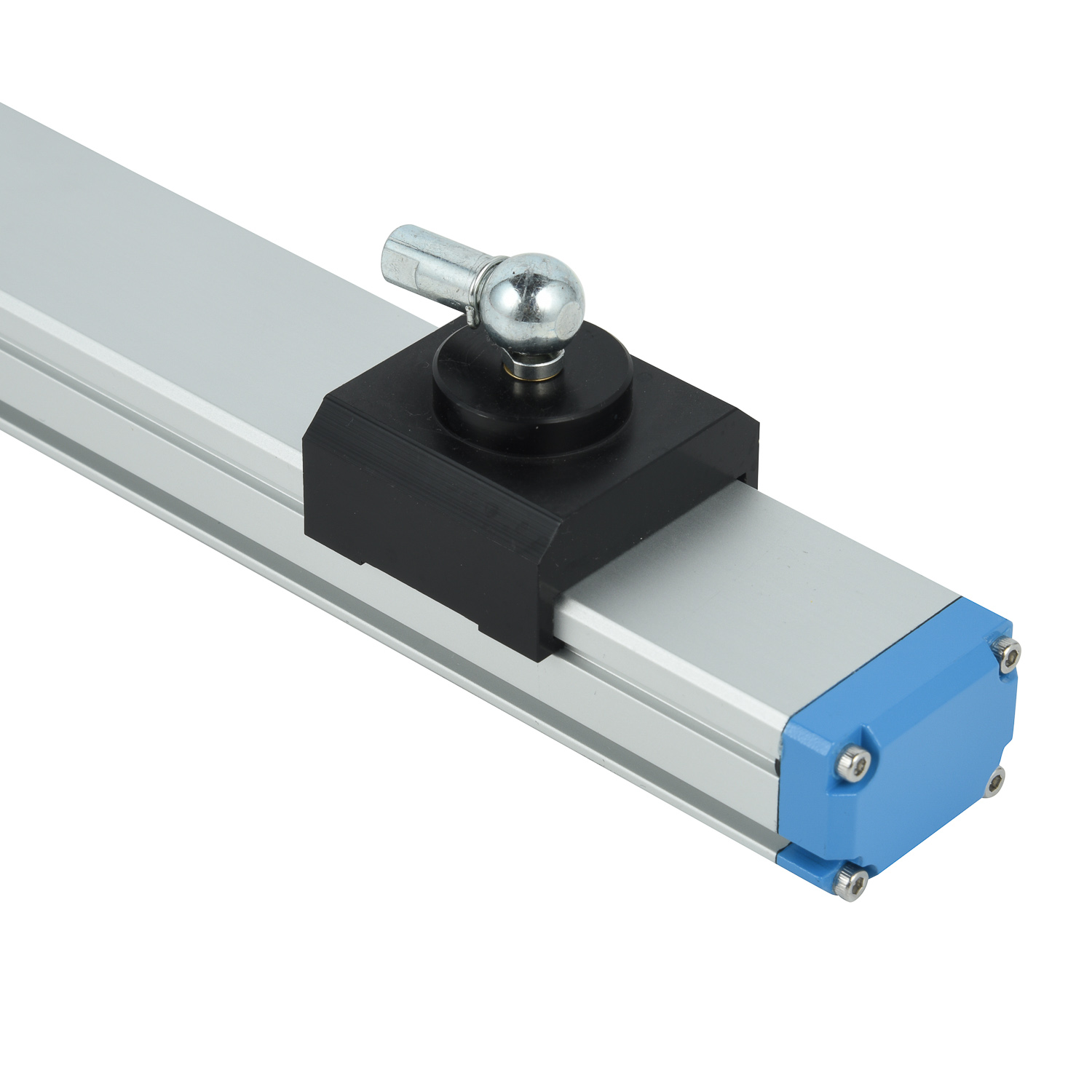
The positioning cycle starts when the operator enters a target coordinate. A PLC checks sensor feedback, selects speed profiles, and drives the long-travel and cross-travel motors. Encoders, laser distance sensors, RFID tags, or limit switches detect the trolley and bridge position. The PLC compares the actual position with the target and sends commands to VFDs. The VFDs adjust travel motors smoothly, while brakes lock the trolley at the required point. Near the target, the system switches to creep speed. Anti-sway logic limits load swing, so the hook stops accurately without impact. The system records position data supporting maintenance analysis and operator traceability in harsh plants. It reduces downtime and repair cost. This improves safety.
In corrosive environments, sensors must be protected by sealed housings and corrosion-resistant brackets. Regular calibration ensures feedback accuracy. The result is safe, repeatable positioning, lower maintenance, and longer service life for bridge cranes in demanding industrial applications.
Bridge Crane Corrosion-resista
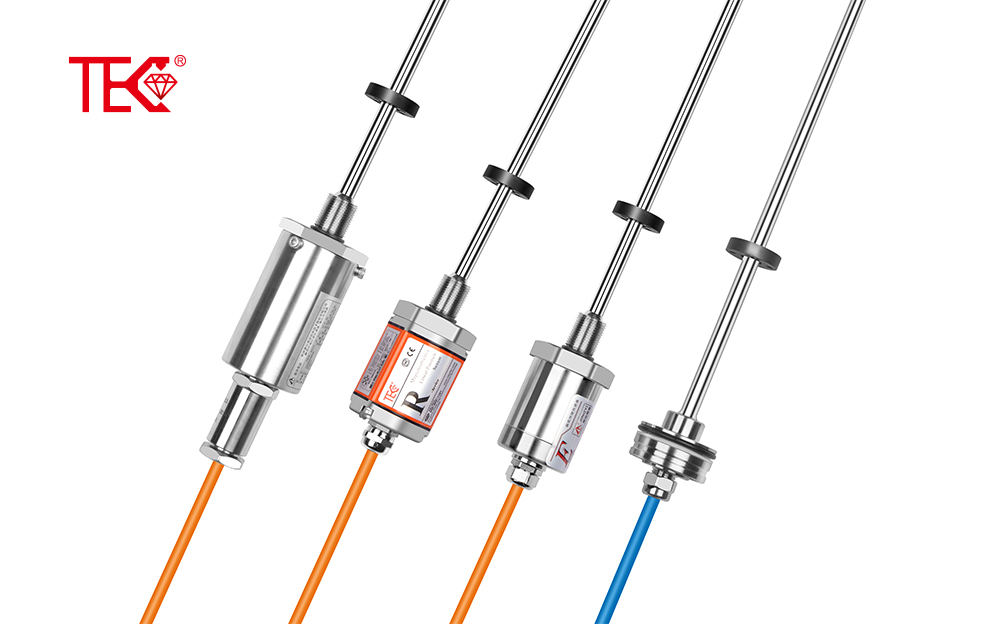 Crane Waterproof Crane and Tro
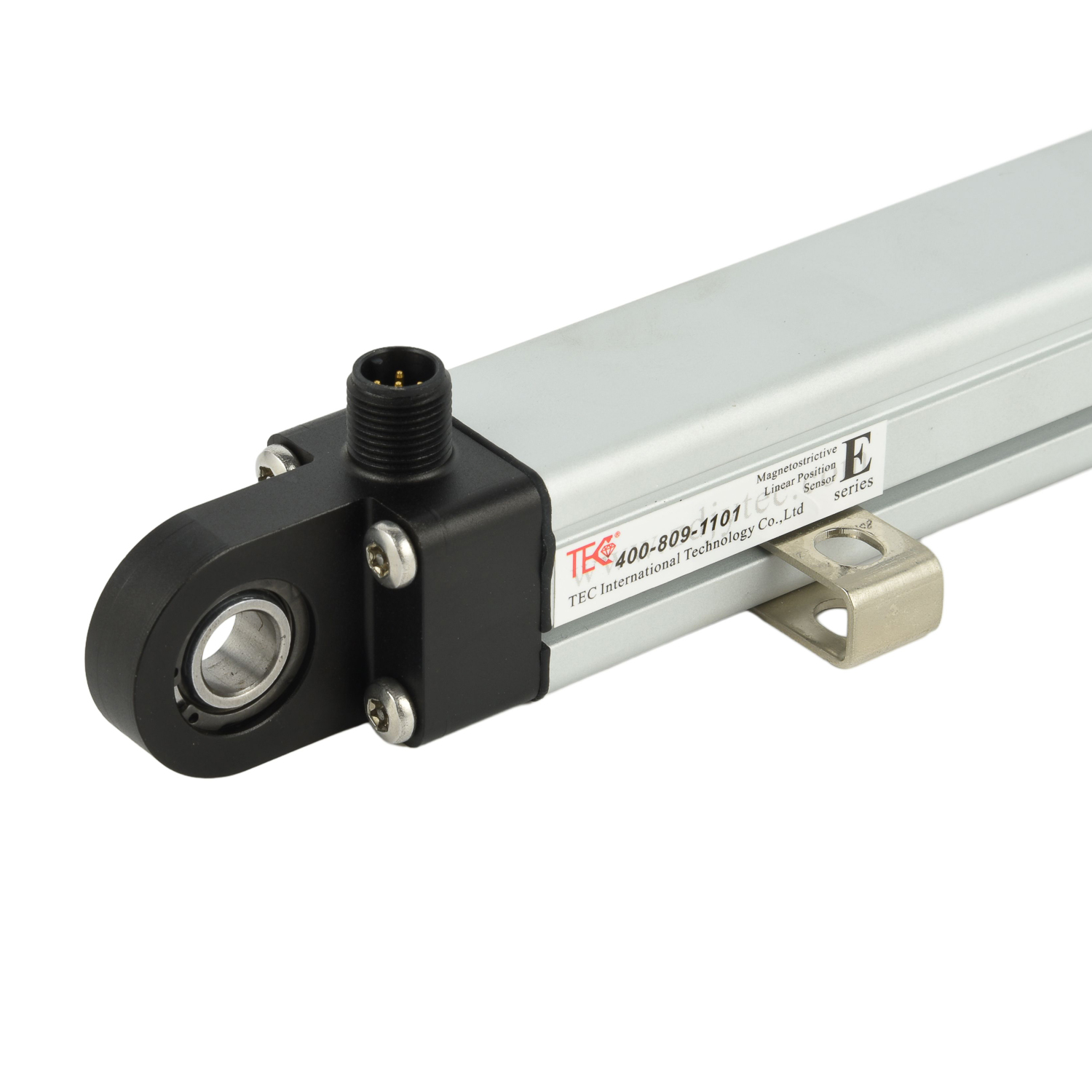 Overhead Crane High-pressure C
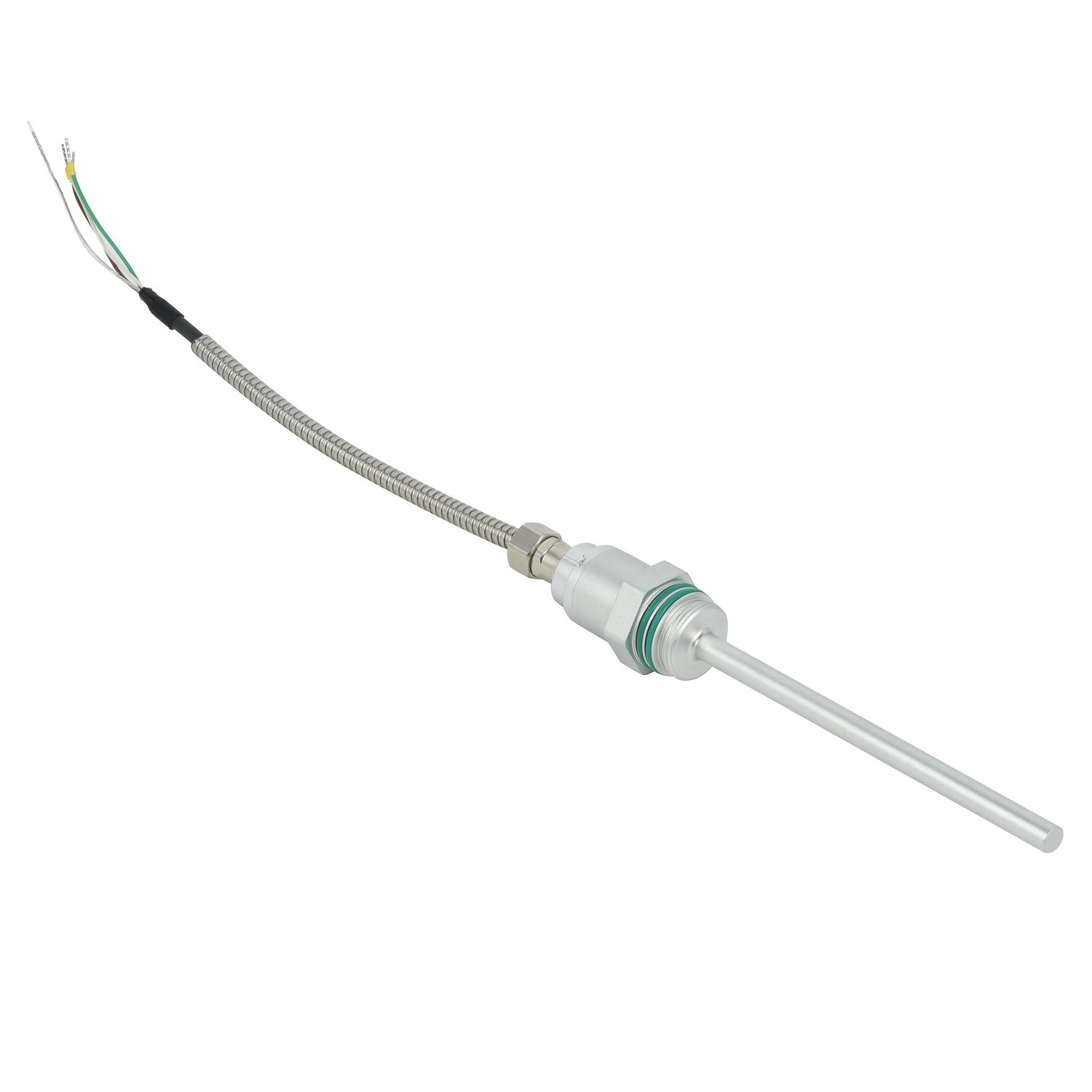 Stacker-reclaimer High-tempera