
Magnetostrictive Level Gauge for Silos
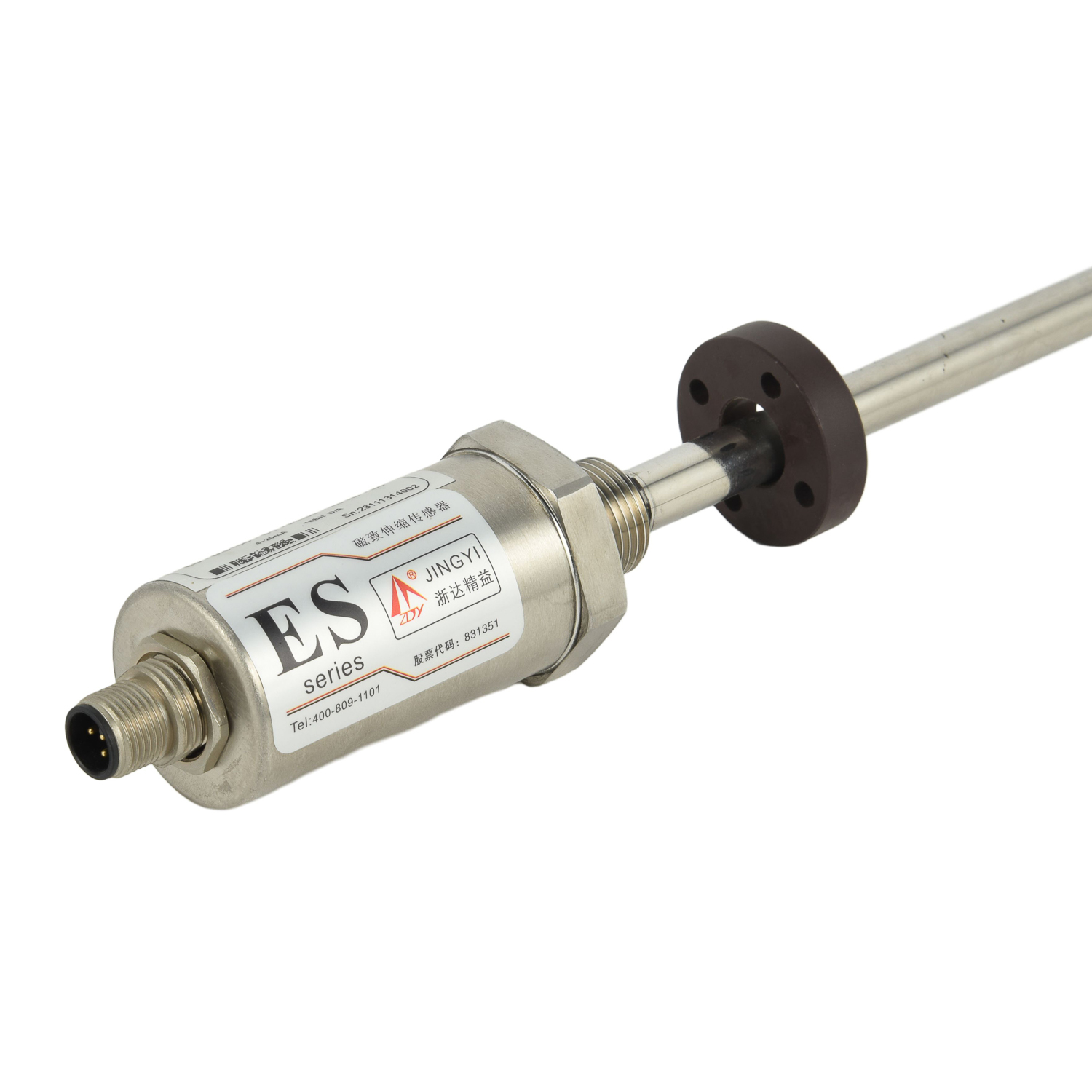
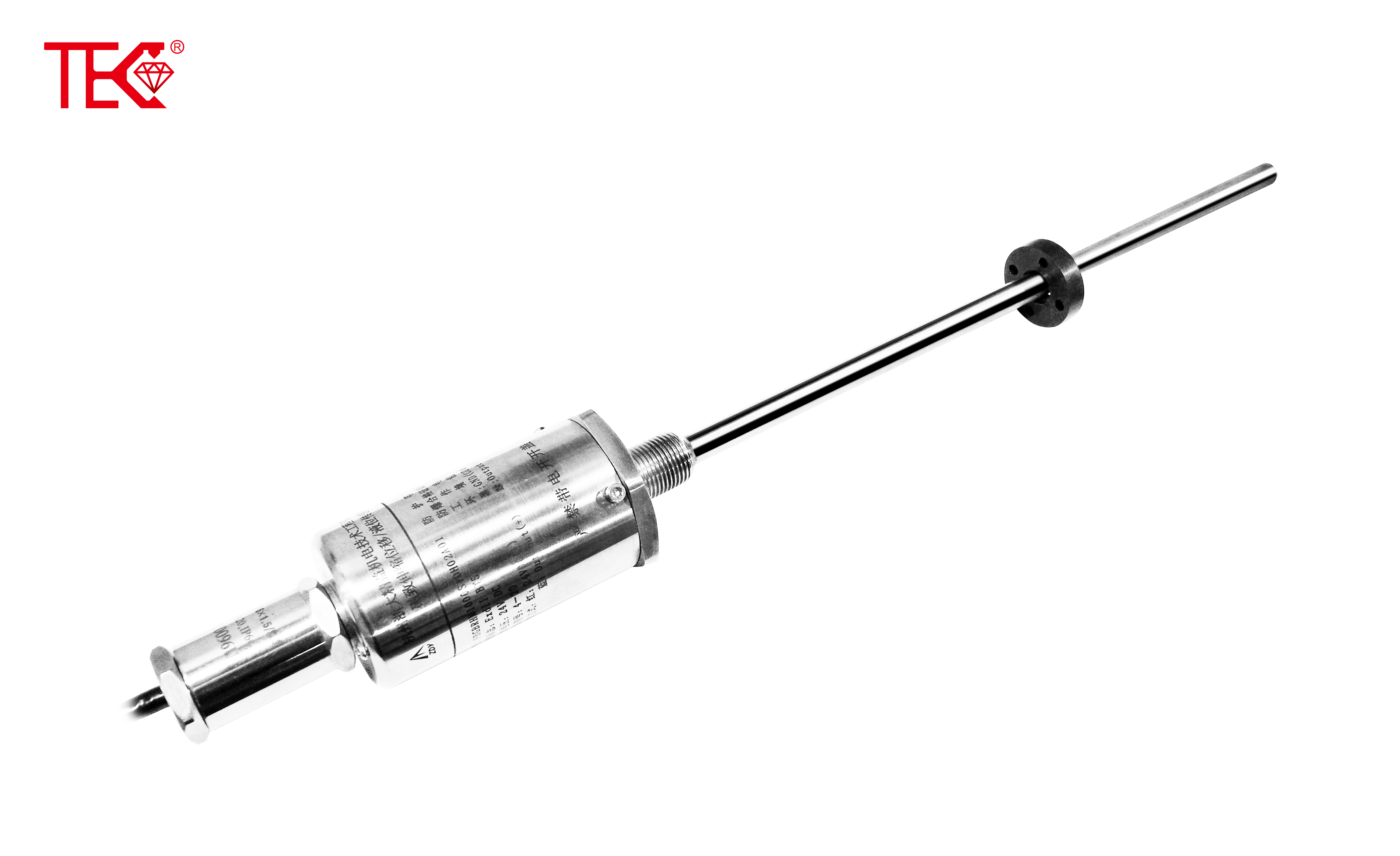
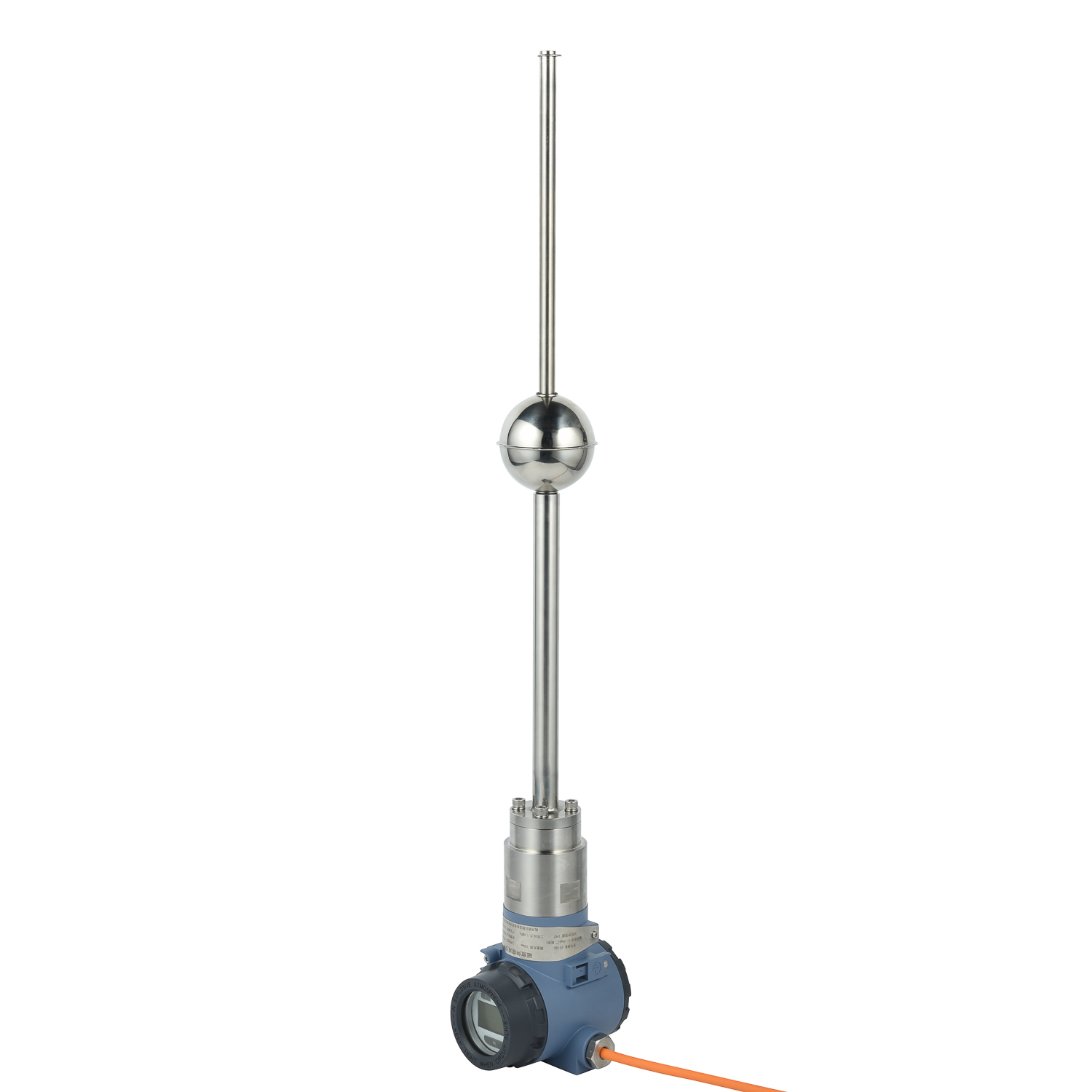
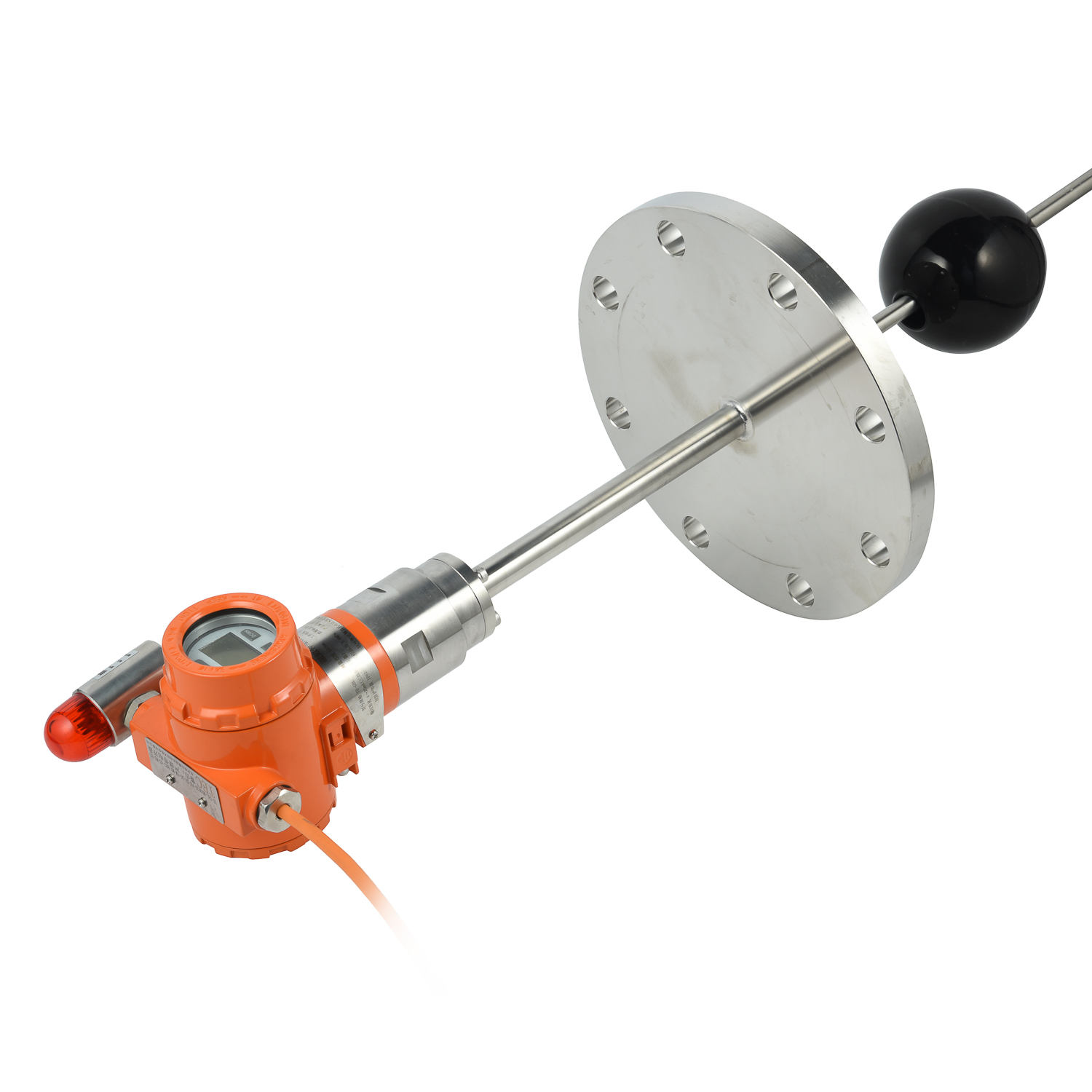
Magnetostrictive level gauges are increasingly used in silos that store powders, granules, pellets, and other bulk solids. These instruments deliver high accuracy and long-term stability in demanding environments where dust, vibration, and temperature swings are common. The measuring principle is simple yet effective: a magnetostrictive waveguide sends a current pulse, and a float with permanent magnets moves with the material surface. The interaction creates a torsional wave, and the time of flight provides a precise level reading. For silo applications, this technology offers clear advantages. It is less sensitive to dust clouds and material build-up than ultrasonic devices, and it maintains repeatable results even with uneven product surfaces. A single probe can also support multiple floats for level and interface measurement. The sensor has no moving parts except the float, which reduces wear and maintenance. Stainless steel or coated probes resist corrosion and abrasion, while rugged housings protect against outdoor conditions. Proper installation is important. Mount the probe vertically and keep the float free from side pressure and bridging material. Choose materials compatible with the stored product and use suitable seals for weather protection. Connect the gauge to the control system for continuous inventory monitoring, overflow prevention, and safer operations. Their digital output simplifies integration with PLCs and SCADA systems. Regular inspection and calibration help sustain accuracy. With reliable performance and low maintenance, magnetostrictive level gauges are a practical choice for modern silo level measurement.
 Linear Displacement Sensor for
 Linear Displacement Sensor for
 Linear Displacement Sensor for
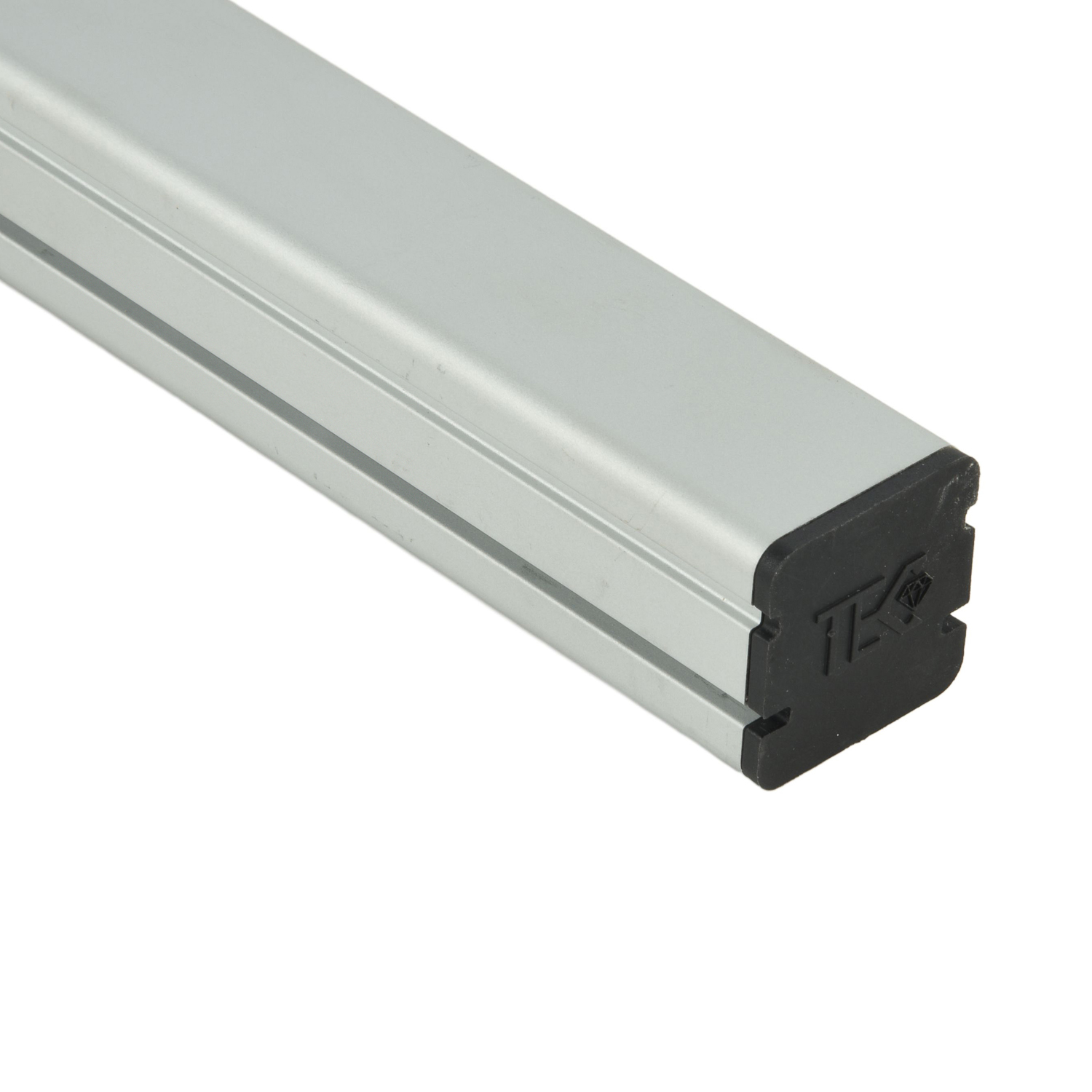 Linear Displacement Sensor for