
Linear Displacement Sensor for Water Conservancy
Linear displacement sensors are important in water conservancy, where precise position feedback supports safe and efficient water management. These sensors convert linear movement into an electrical signal, allowing operators to monitor gate opening, dam deformation, canal levels, and pump station positions in real time. In sluice gate control, a linear displacement sensor tracks the exact stroke of the gate cylinder or hoist. This helps prevent over-travel, ensures accurate flow regulation, and improves response during flood operations. For dams and reservoirs, sensors can monitor structural movement and settlement when installed in monitoring points. Long-term data helps engineers detect abnormal trends early and plan maintenance. In irrigation networks, displacement sensors support automatic gates and weirs, enabling precise water distribution and reducing waste. They also work well in remote sites because models offer rugged sealing, high accuracy, and stable output. Common signal types include analog voltage, current loop, and digital interfaces such as RS485. When selecting a sensor for water conservancy, engineers should consider measuring range, protection rating, corrosion resistance, temperature stability, and resistance to vibration and moisture. Proper installation and regular calibration are essential for reliable long-term performance. By combining durable linear displacement sensors with monitoring systems, water authorities can improve safety, optimize water use, and reduce costs.
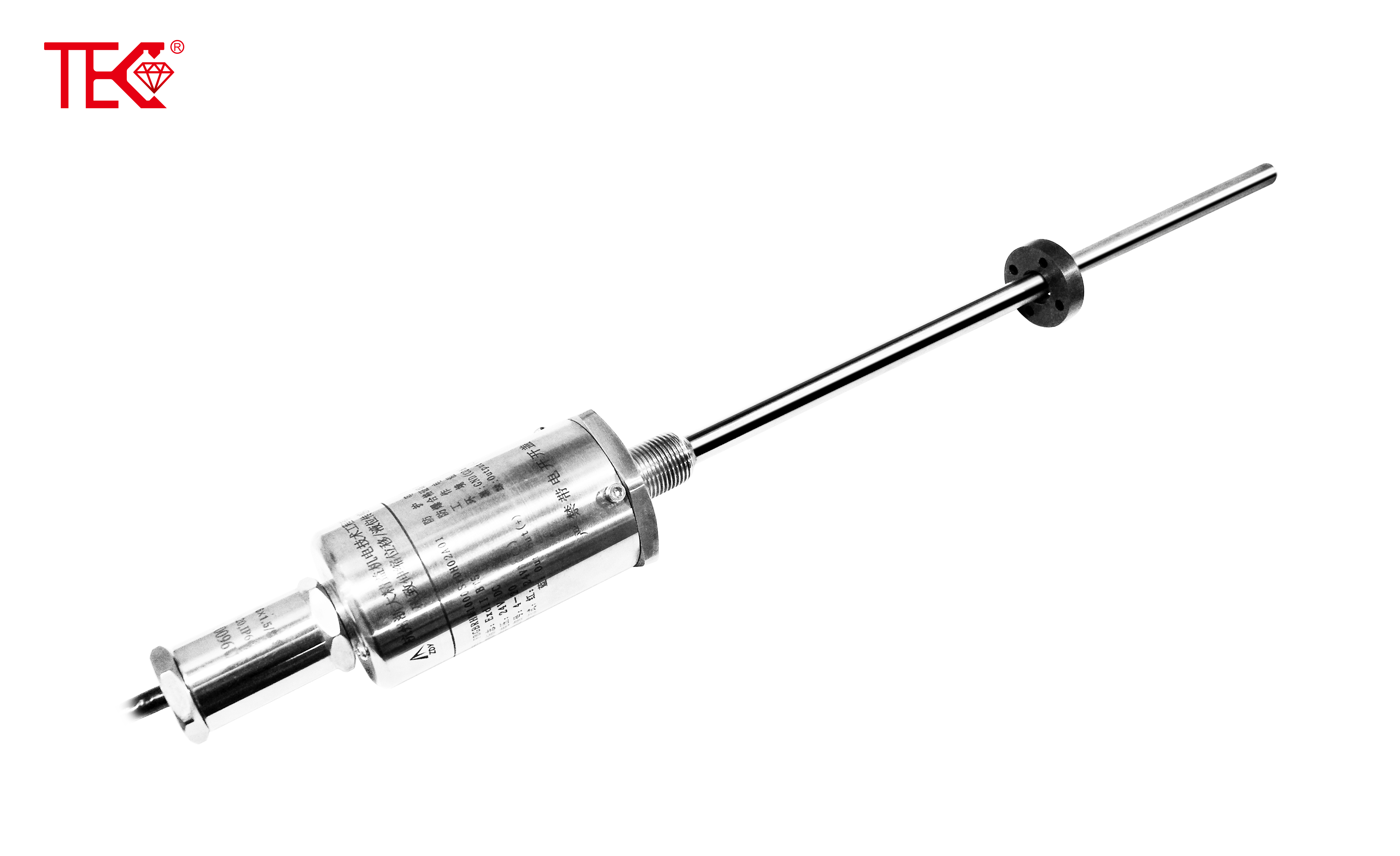
 Linear Displacement Sensor for
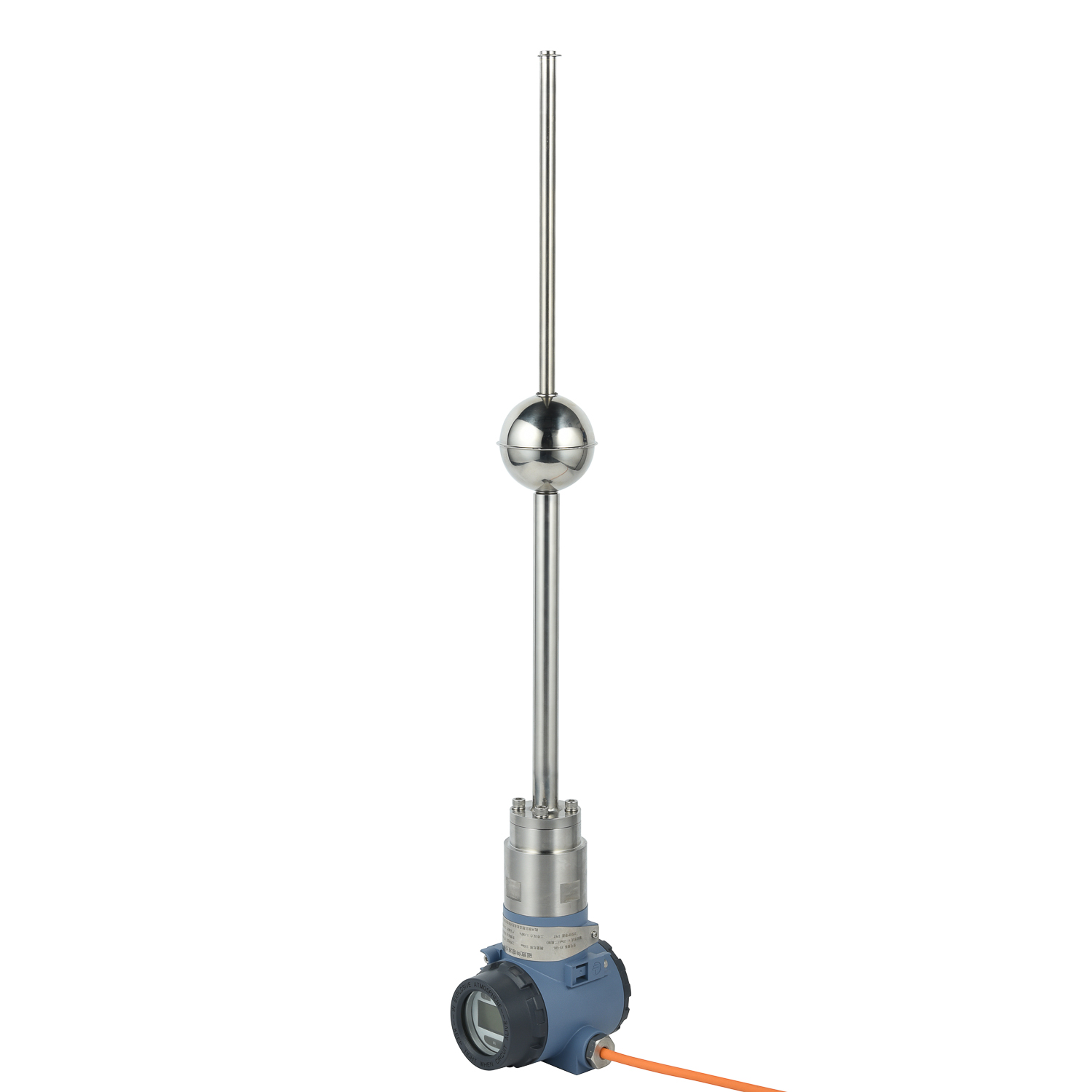 Linear Displacement Sensor for
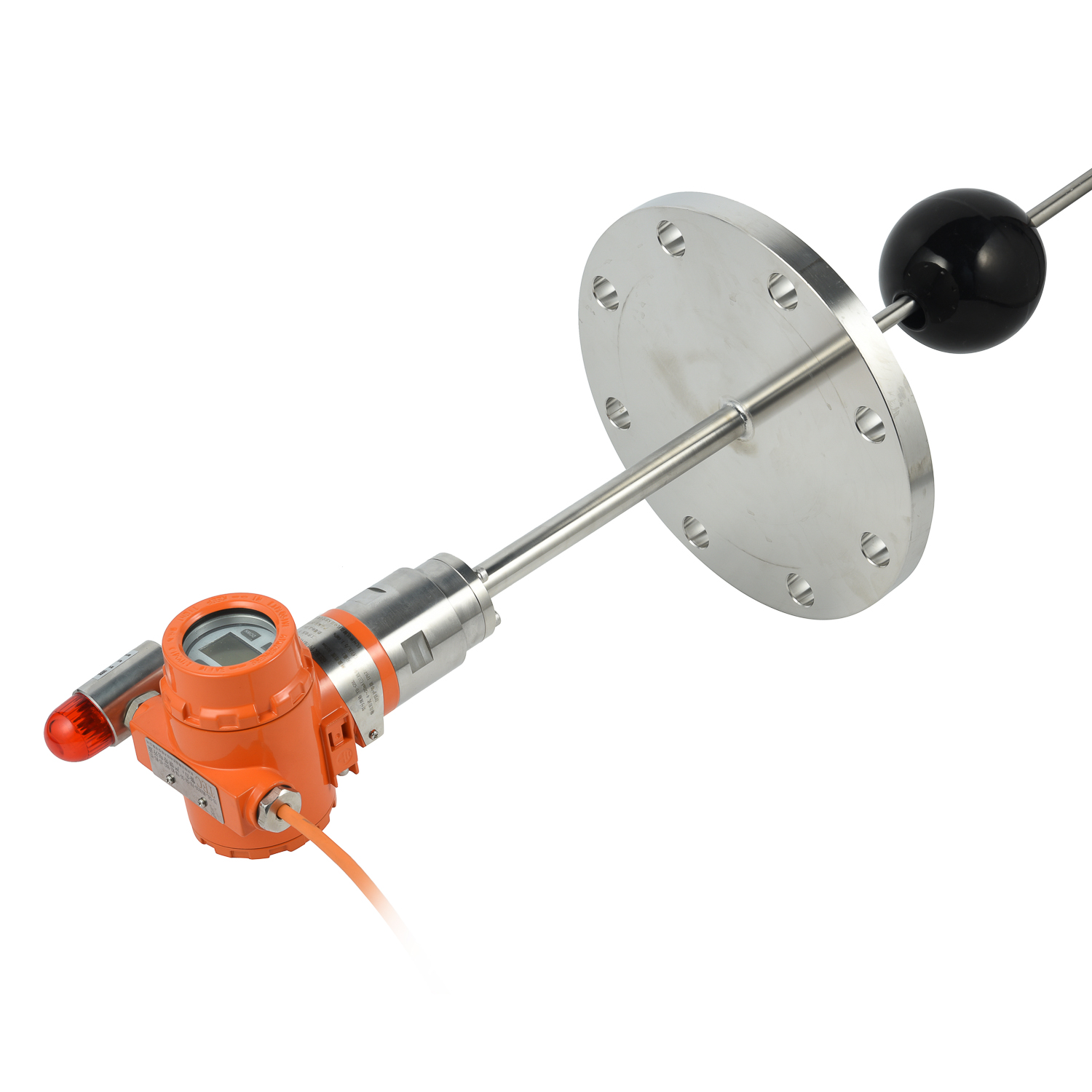 Linear Displacement Sensor for