
Linear Displacement Sensor for Chemical Industry
Linear displacement sensors are essential in chemical processing where precise position feedback supports safe, efficient automation. They monitor valve travel, pump stroke, mixer position, and actuator movement in environments exposed to corrosive liquids, vapors, high pressure, and vibration. A standard sensor may fail quickly, so chemical-duty models use sealed stainless-steel housings, chemical-resistant cables, and high ingress protection. Non-contact technologies such as LVDT or magnetostrictive sensing reduce wear and maintain accuracy when contamination or temperature changes occur.
When selecting a linear displacement sensor for the chemical industry, engineers should confirm material compatibility with process media, IP rating, temperature range, shock and vibration tolerance, and EMI shielding. Stable analog or digital outputs—4–20 mA, 0–10 V, IO-Link, or CAN—help integrate sensors with PLCs and safety systems. Repeatability and long-term drift are especially important for dosing pumps, control valves, and batch processes where small position errors can affect product quality or safety.
Proper installation improves reliability. Mount sensors away from direct chemical splashes when possible, protect cables with conduits, and use isolated power supplies to reduce electrical noise. Routine calibration and inspection help detect seal wear or signal drift before downtime occurs. With the right chemical-resistant linear displacement sensor, plant operators can achieve accurate position feedback, lower maintenance costs, and safer continuous operation in demanding chemical environments.
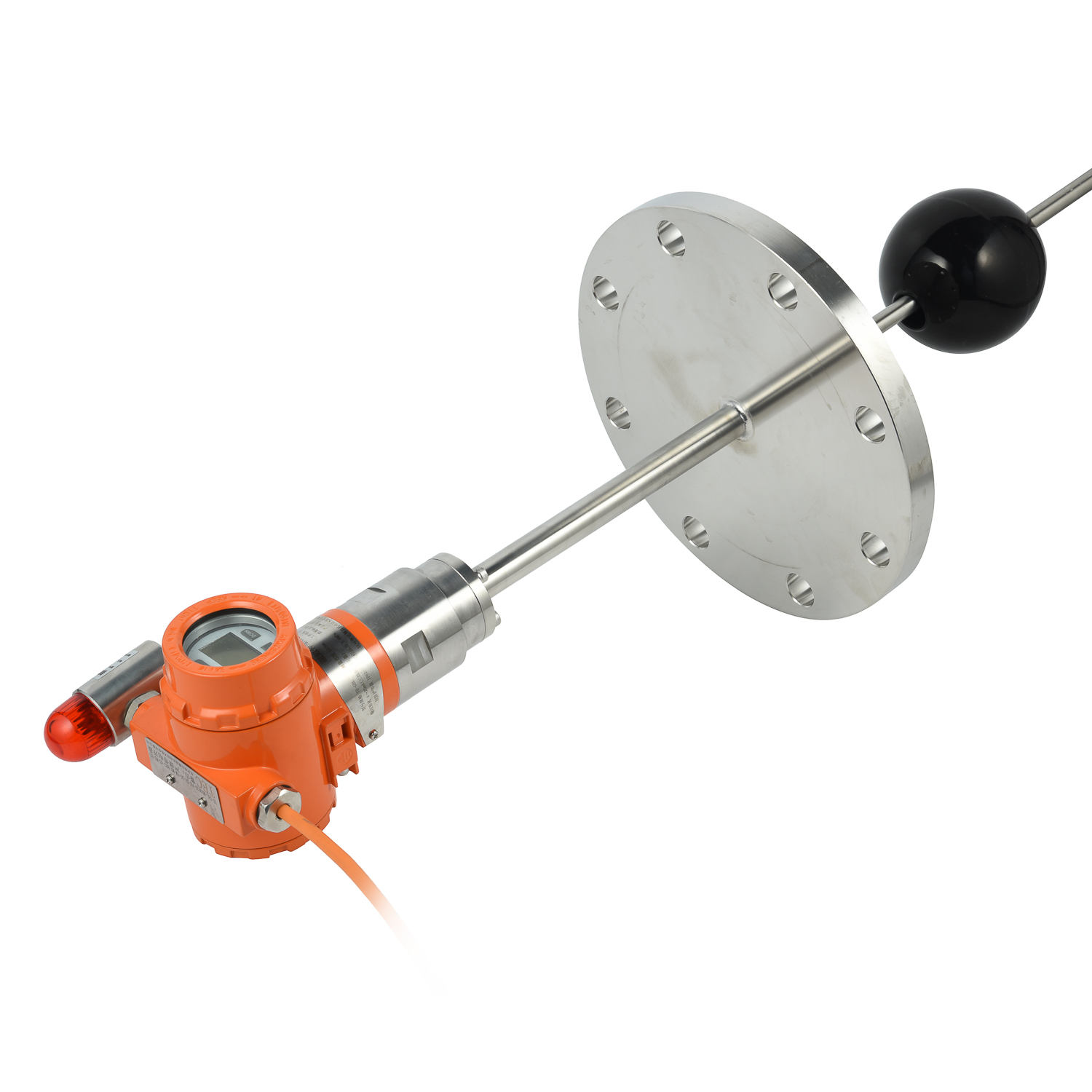 Linear Displacement Sensor for
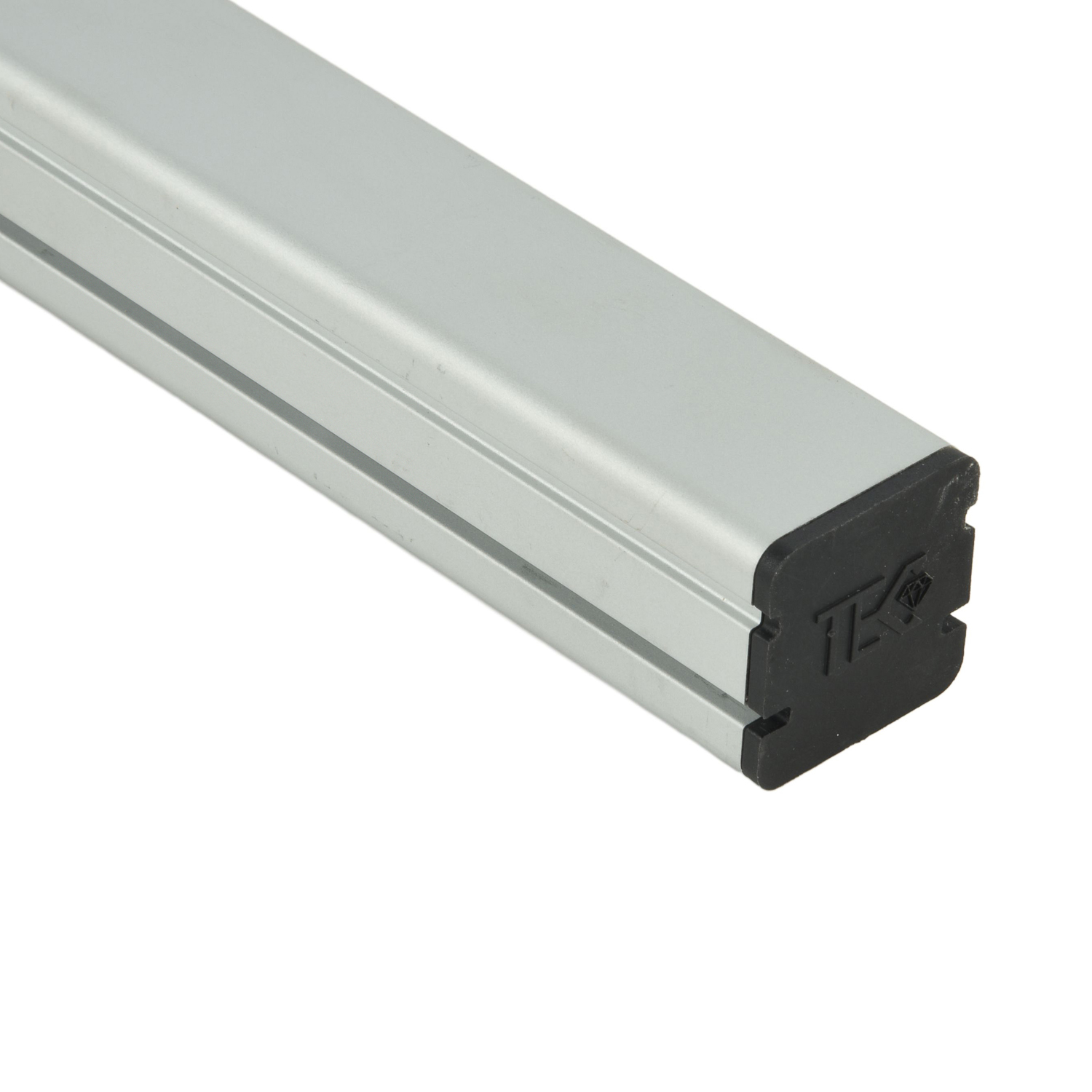 Linear Displacement Sensor for
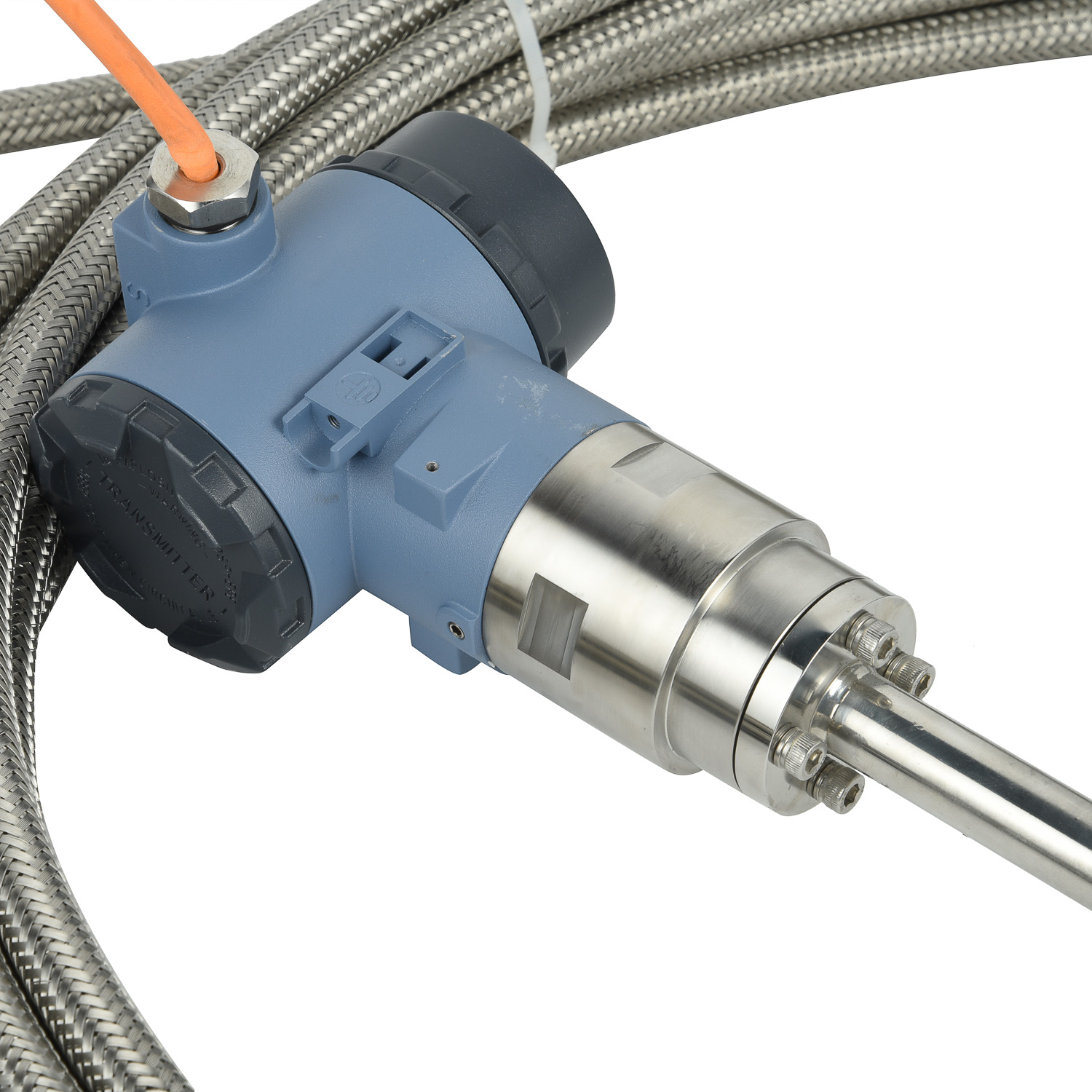 Linear Displacement Sensor for
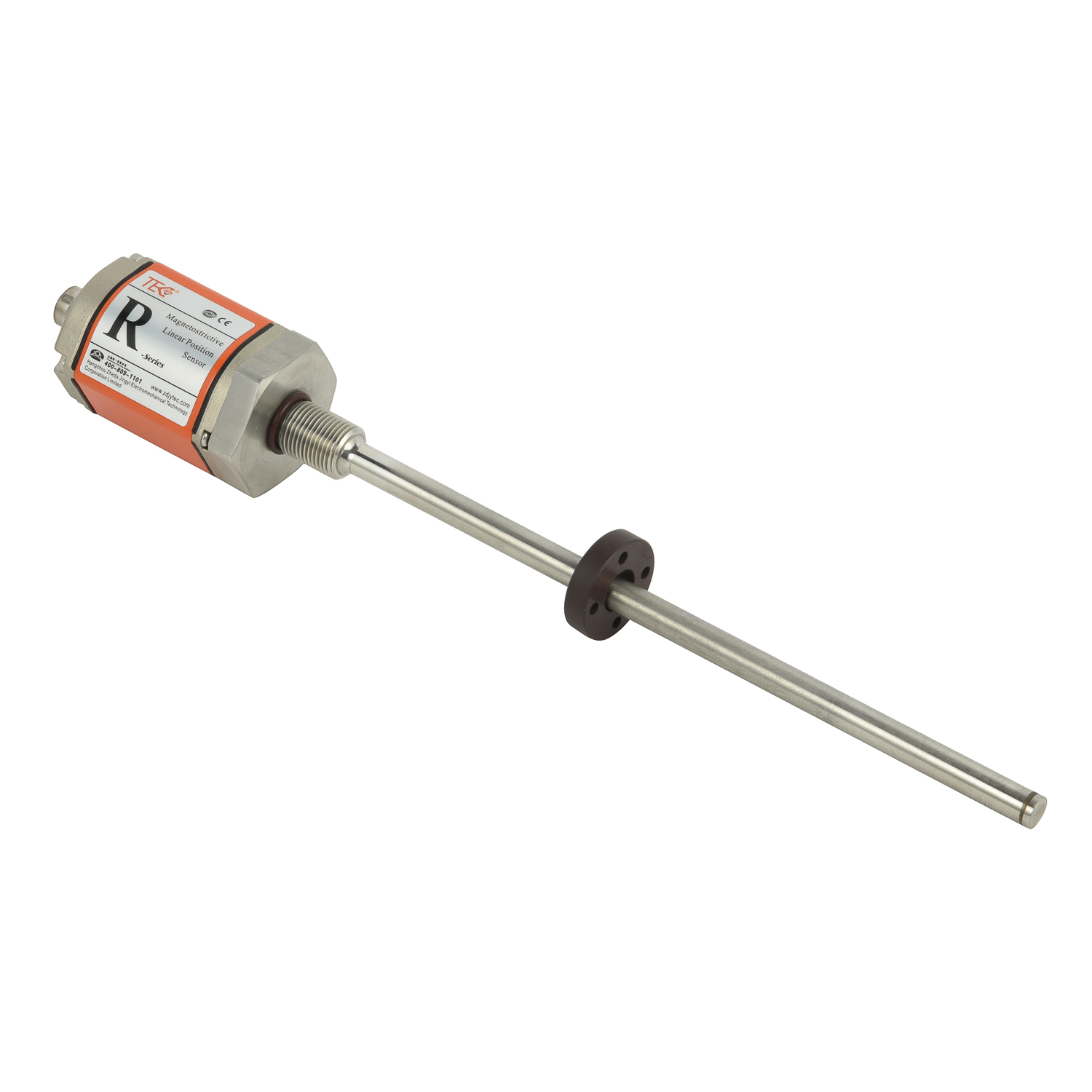 Linear Displacement Sensor for