
Linear Displacement Sensor for Mining
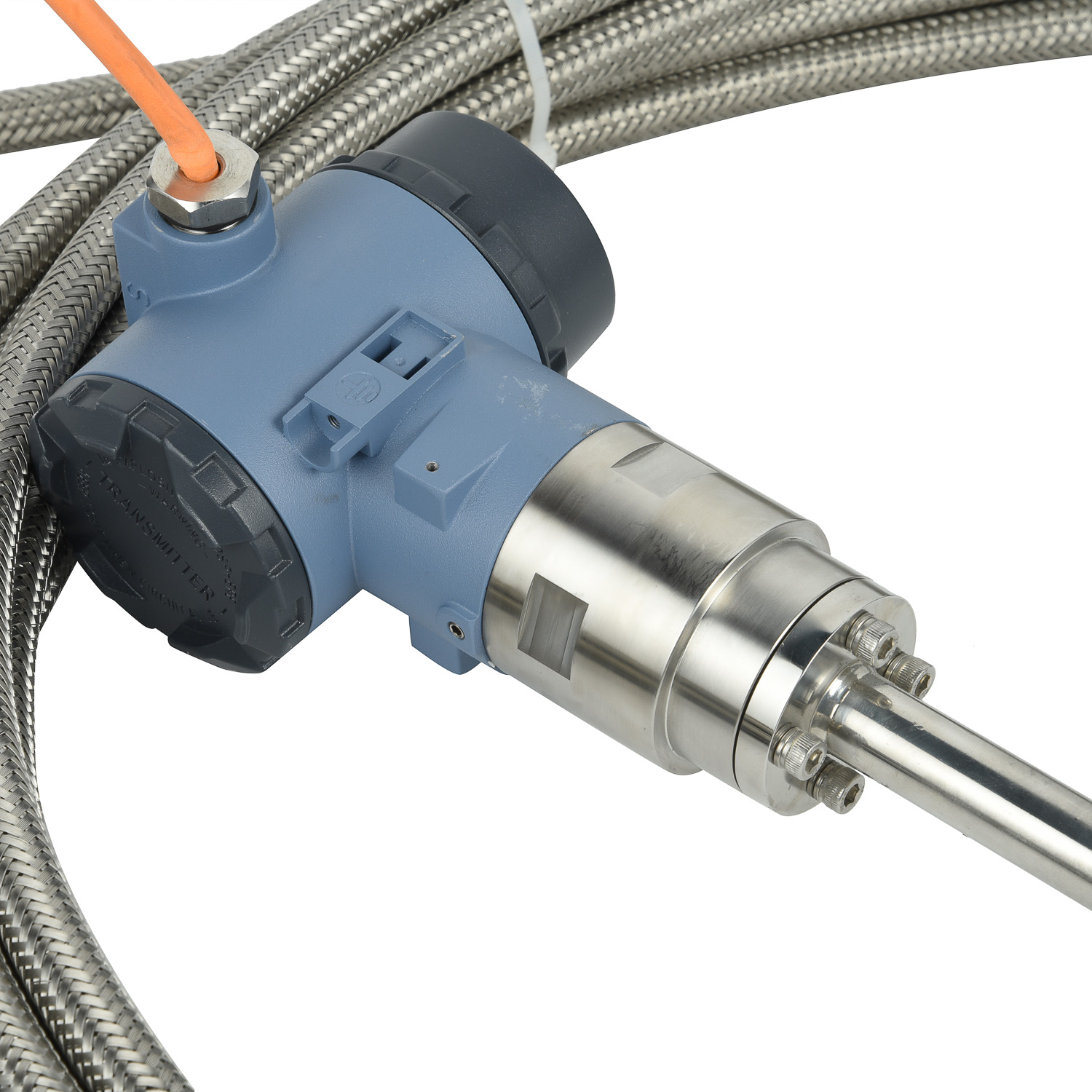
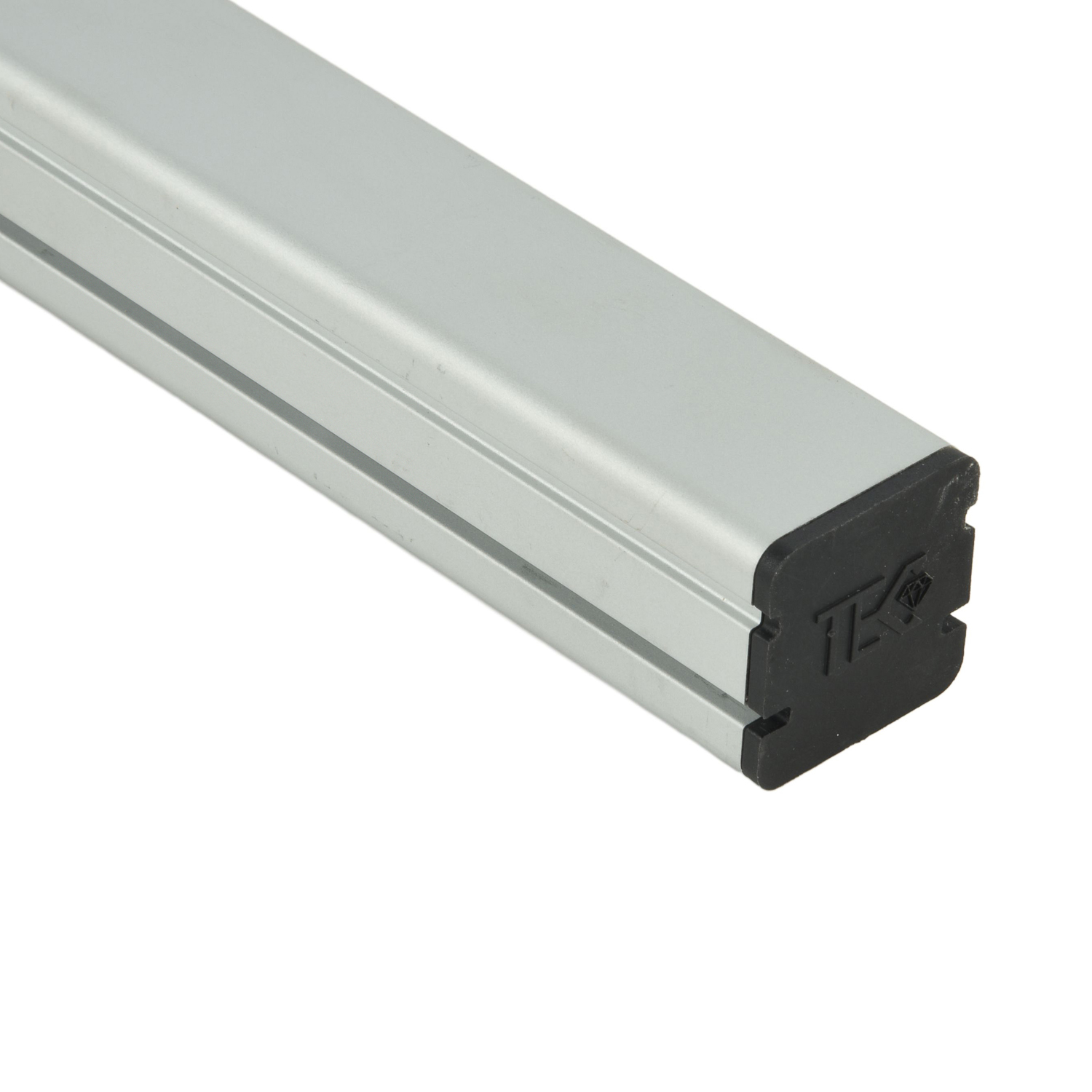
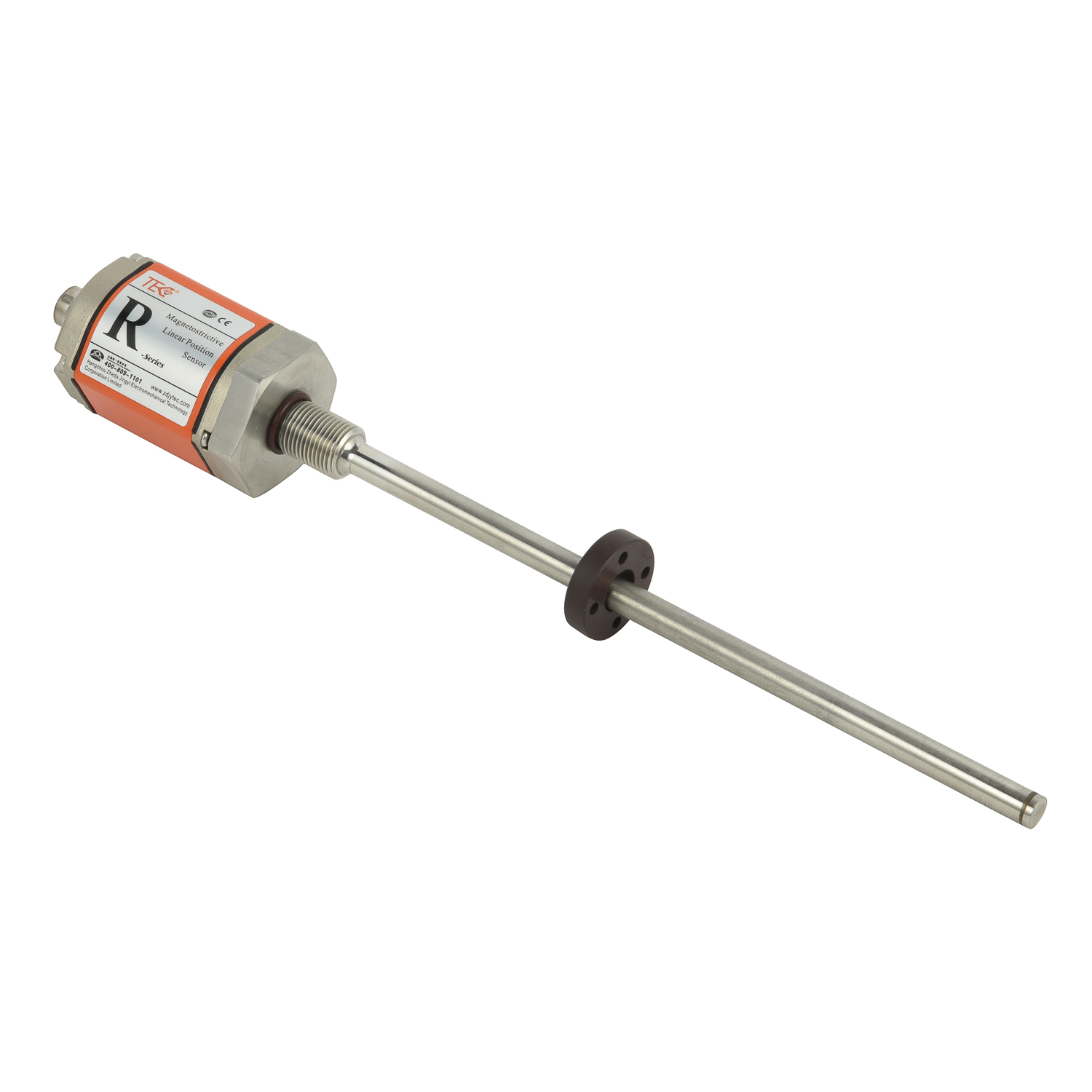
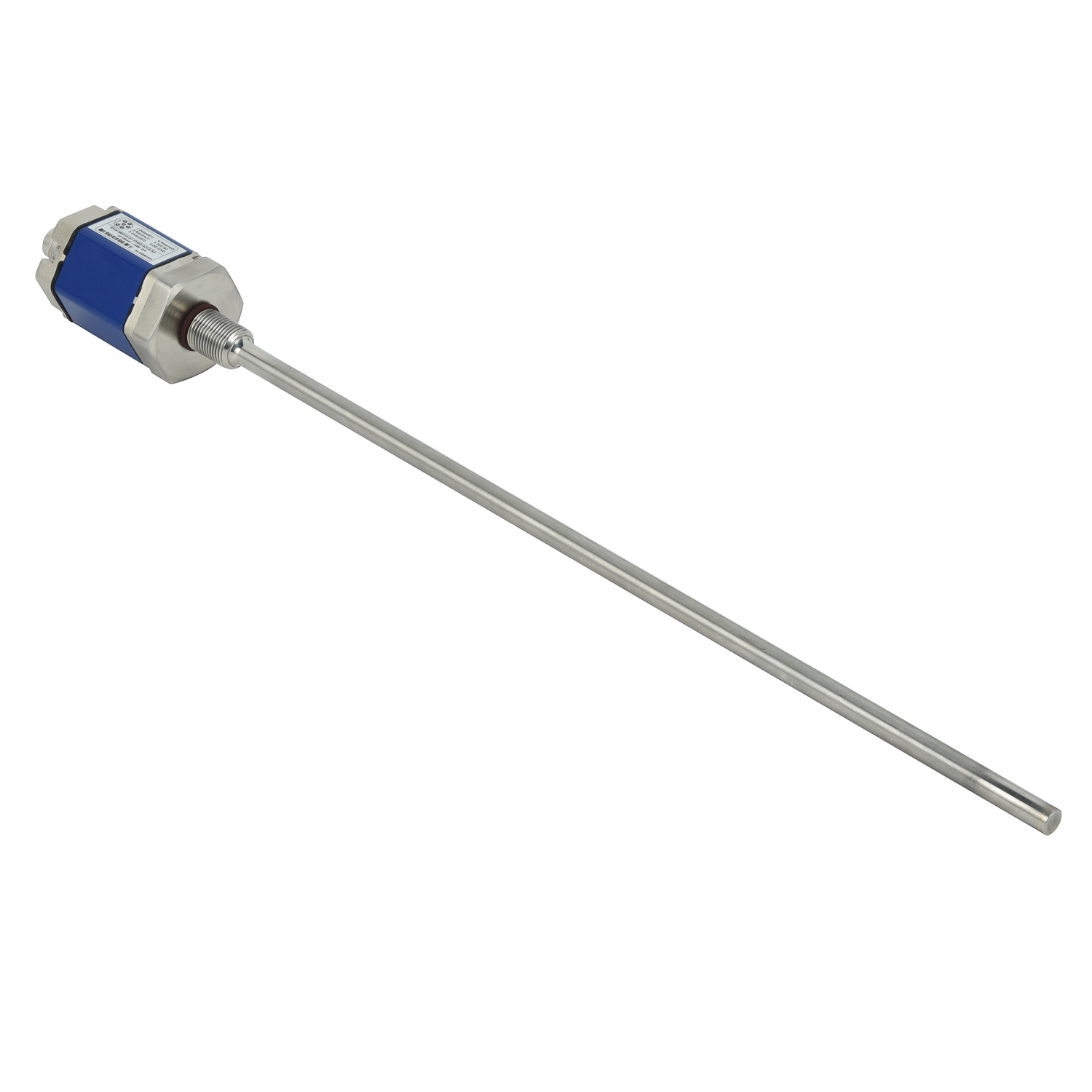
Linear displacement sensors are essential in mining because they provide reliable position feedback for drilling rigs, loaders, conveyors, hydraulic cylinders, roof supports, and ventilation systems. In underground and open-pit operations, dust, moisture, vibration, shock, and extreme temperatures can quickly damage ordinary sensors. A mining-grade linear displacement sensor must therefore offer rugged housings, high IP protection, pressure resistance, and strong electromagnetic immunity. Accurate stroke measurement helps operators control boom movement, bucket position, roof support, and material flow, improving safety and productivity. Real-time position data also supports automation, remote control, and predictive maintenance by detecting drift, wear, or hydraulic faults early. When selecting a sensor for mining equipment, engineers should consider measuring range, output signal, mounting space, cable protection, temperature tolerance, and certification requirements. Magnetostrictive and LVDT designs are common choices for harsh duty. Stainless steel bodies, welded connectors, and abrasion-resistant cables improve service life in wet, dusty, and high-vibration conditions. Wireless and bus-compatible options can simplify integration with mine control networks, while redundant outputs add reliability where safety is critical. Proper installation is critical: align the sensor with the movement path, protect it from falling rock and washdown, and secure cables against flex fatigue. Regular inspection and calibration help maintain accuracy and avoid unplanned downtime. With the right specification and maintenance, a linear displacement sensor can reduce downtime, extend equipment life, and keep mining processes stable in demanding environments.
 Linear Displacement Sensor for
Linear Displacement Sensor for
Linear Displacement Sensor for
 Linear Displacement Sensor for
 Chemical Reaction Kettle Intri