
Linear Displacement Sensor for Metallurgy
Linear displacement sensors are essential in metallurgy, where precise position feedback supports safety, quality, and productivity. From continuous casting to rolling mills, these sensors monitor roll gaps, mold levels, valve strokes, and electrode positions under extreme heat, dust, vibration, and electromagnetic interference. Robust designs use stainless steel housings, high-temperature cables, IP67 protection, and non-contact or magnetostrictive measuring principles to deliver reliable, repeatable data.
In steel plants, accurate displacement measurement helps control strip thickness, improve surface quality, and reduce scrap. Sensors with analog outputs such as 4-20 mA and 0-10 V, plus digital interfaces like IO-Link or SSI, integrate easily with PLCs and automation systems. Wide measuring ranges, high resolution, and fast response support dynamic control loops and predictive maintenance. For high-temperature zones, water-cooled or air-purged housings and shielded cables further protect signal integrity. This ensures accurate feedback in real time in demanding steel production.
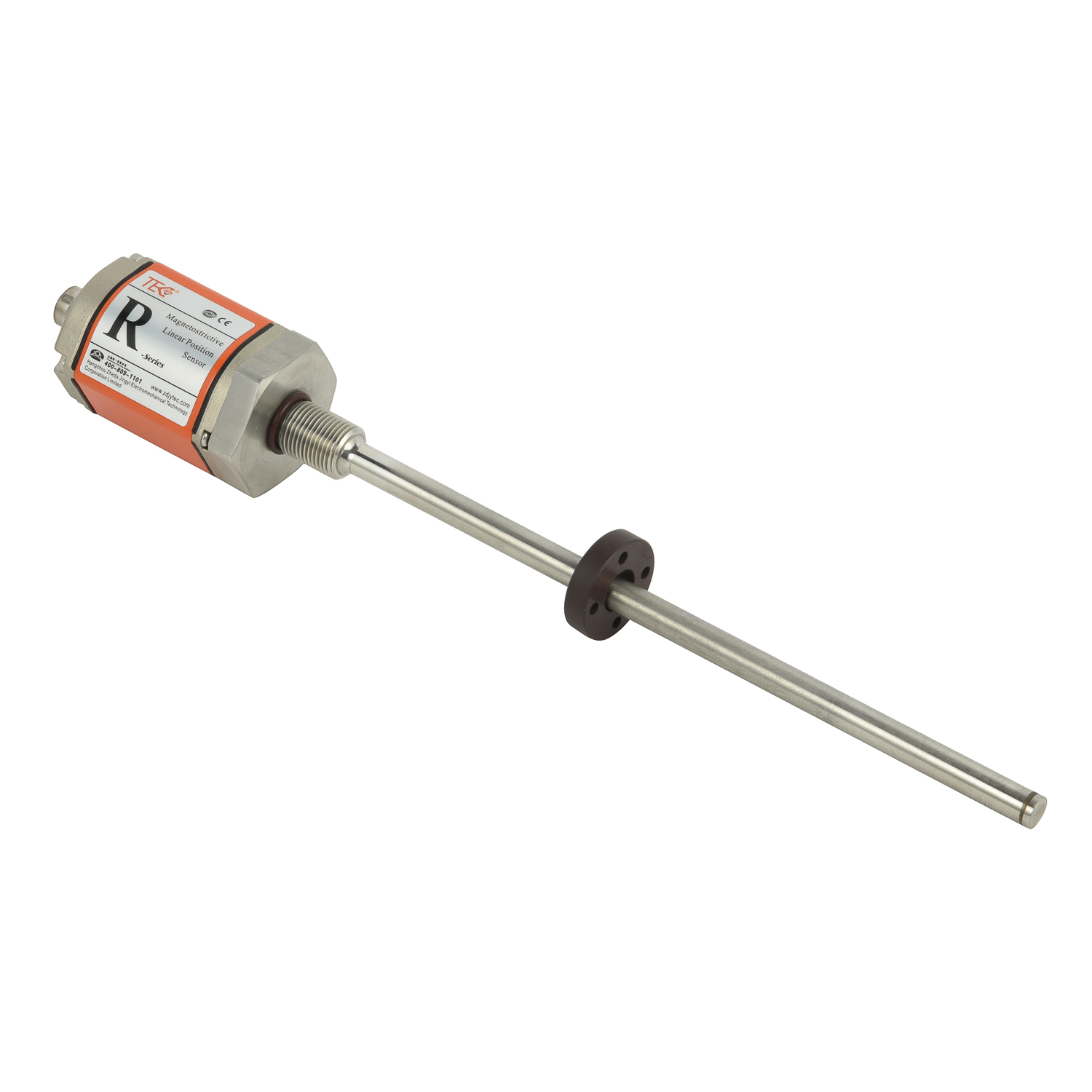
When selecting a sensor for metallurgy, consider temperature resistance, shock and vibration ratings, sealing, cable routing, and resistance to scale and coolant. Proper mounting and regular calibration extend service life. By choosing a linear displacement sensor engineered for harsh metallurgical environments, plants can achieve stable operation, lower downtime, and higher product consistency.
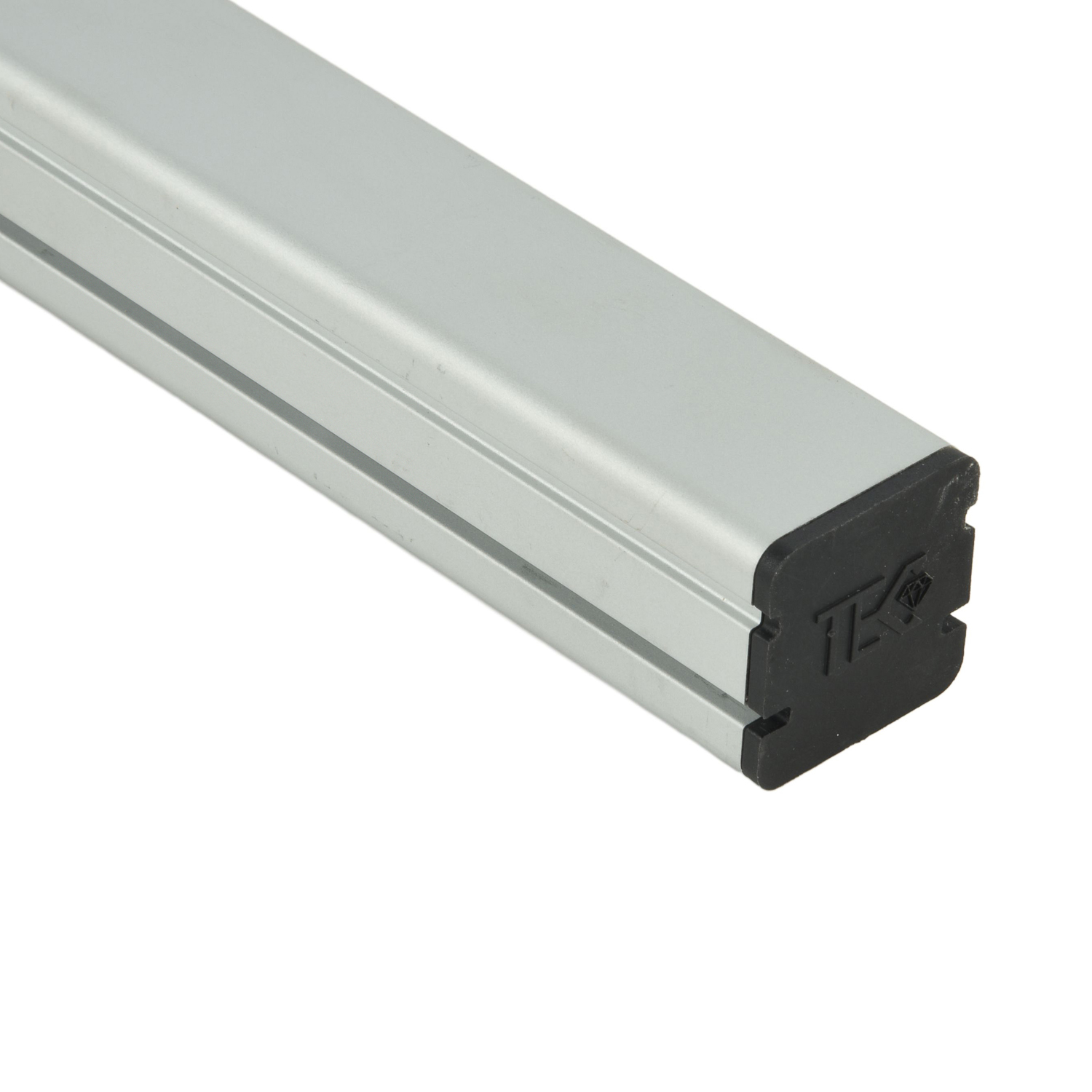 Linear Displacement Sensor for
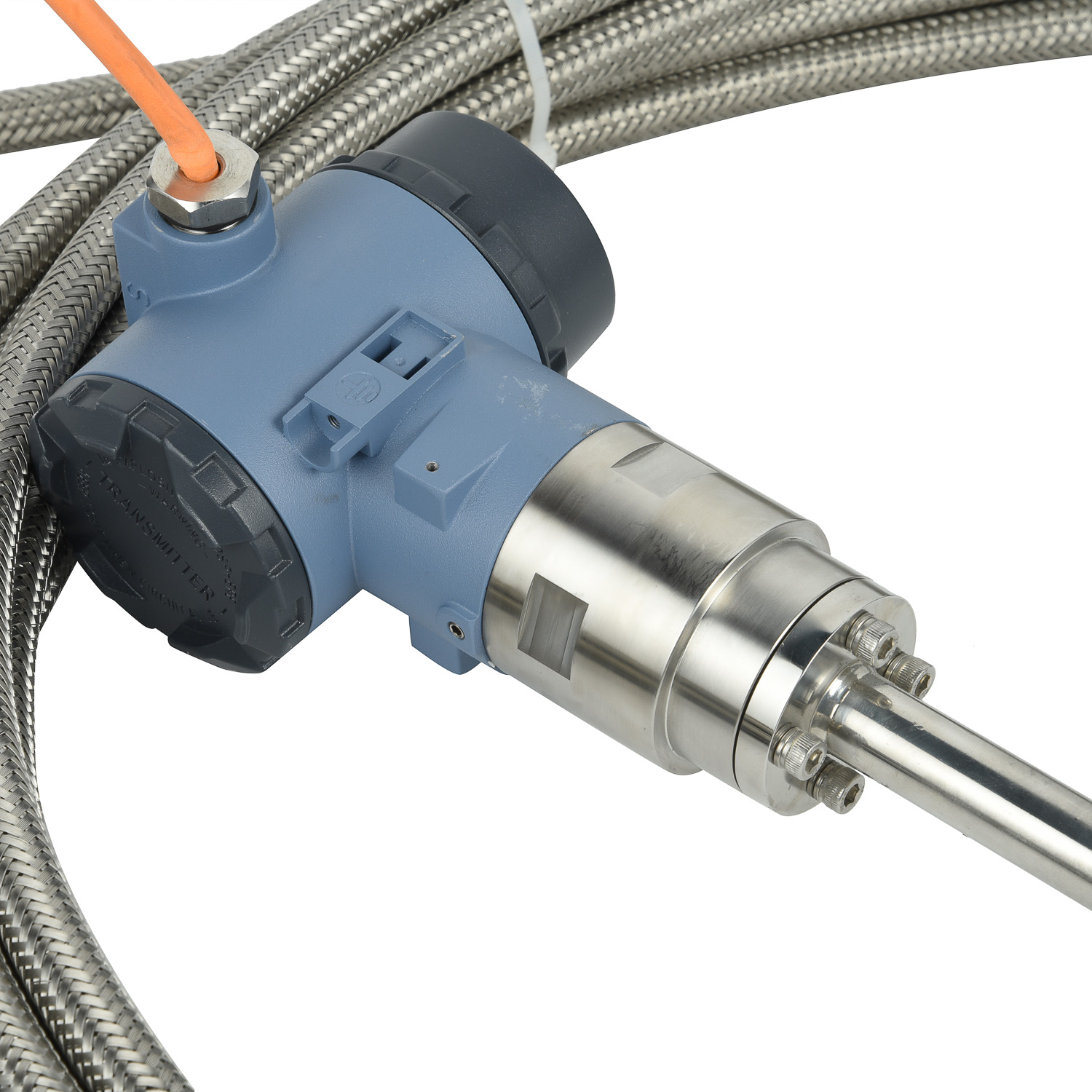 Linear Displacement Sensor for
Linear Displacement Sensor for
Linear Displacement Sensor for
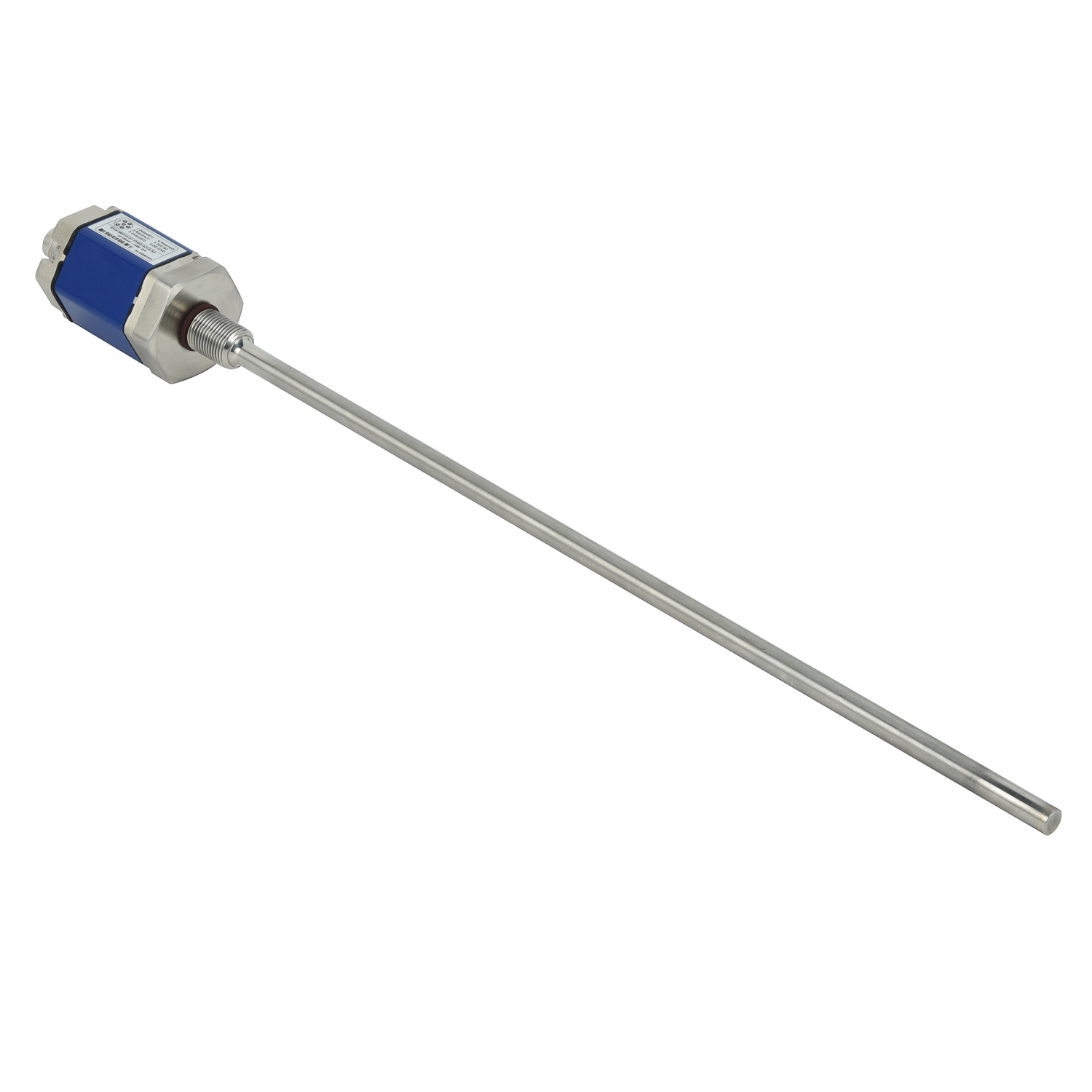 Chemical Reaction Kettle Intri