
Linear Displacement Sensor for Sewage Treatment
Linear displacement sensors are essential in sewage treatment plants because they provide accurate position feedback for valves, gates, scrapers, and pump systems. Reliable measurement helps operators control flow, monitor equipment, and maintain stable treatment processes. In wastewater environments, a linear displacement sensor must withstand moisture, chemicals, dust, vibration, and temperature changes. Durable sealing, corrosion-resistant housing, and stable signal output are important for long-term performance. Sensors with analog or digital interfaces can connect easily to PLC and SCADA systems, enabling automation, remote monitoring, and predictive maintenance. By measuring gate opening and valve position continuously, these sensors help prevent overload, reduce manual inspection, and improve energy efficiency. They also support precise adjustment in sludge handling, aeration control, and filtration systems. When choosing a sensor for sewage treatment, users should consider stroke length, protection rating, output type, mounting method, and resistance to harsh conditions. In treatment plants, precise position feedback also improves dosing accuracy, sludge scraper timing, and aeration valve control, while reducing wear on actuators and extending maintenance intervals. Proper installation and regular calibration protect measurement accuracy. A well-matched linear displacement sensor improves reliability, lowers downtime, and supports safer, more efficient wastewater treatment operations.
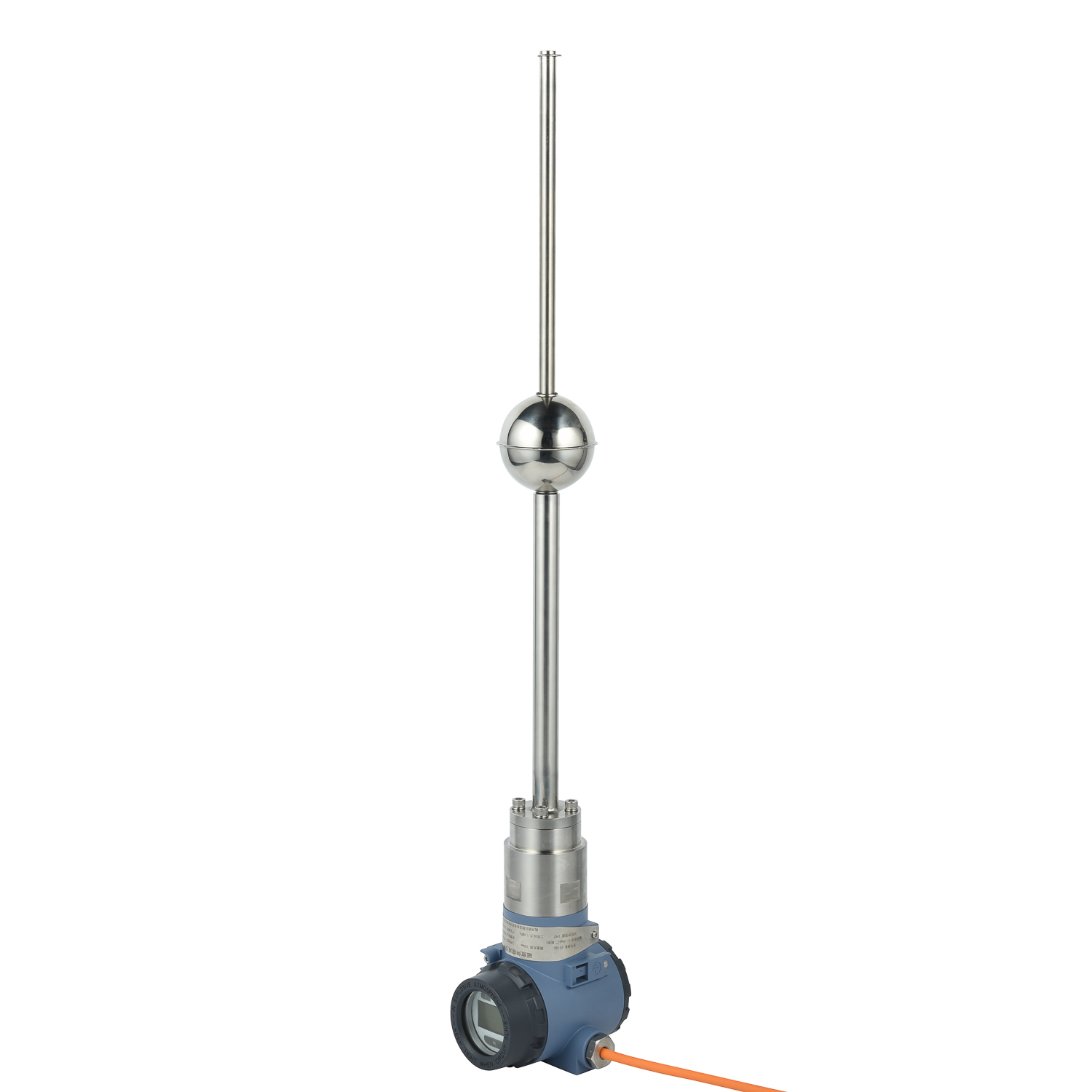 Linear Displacement Sensor for
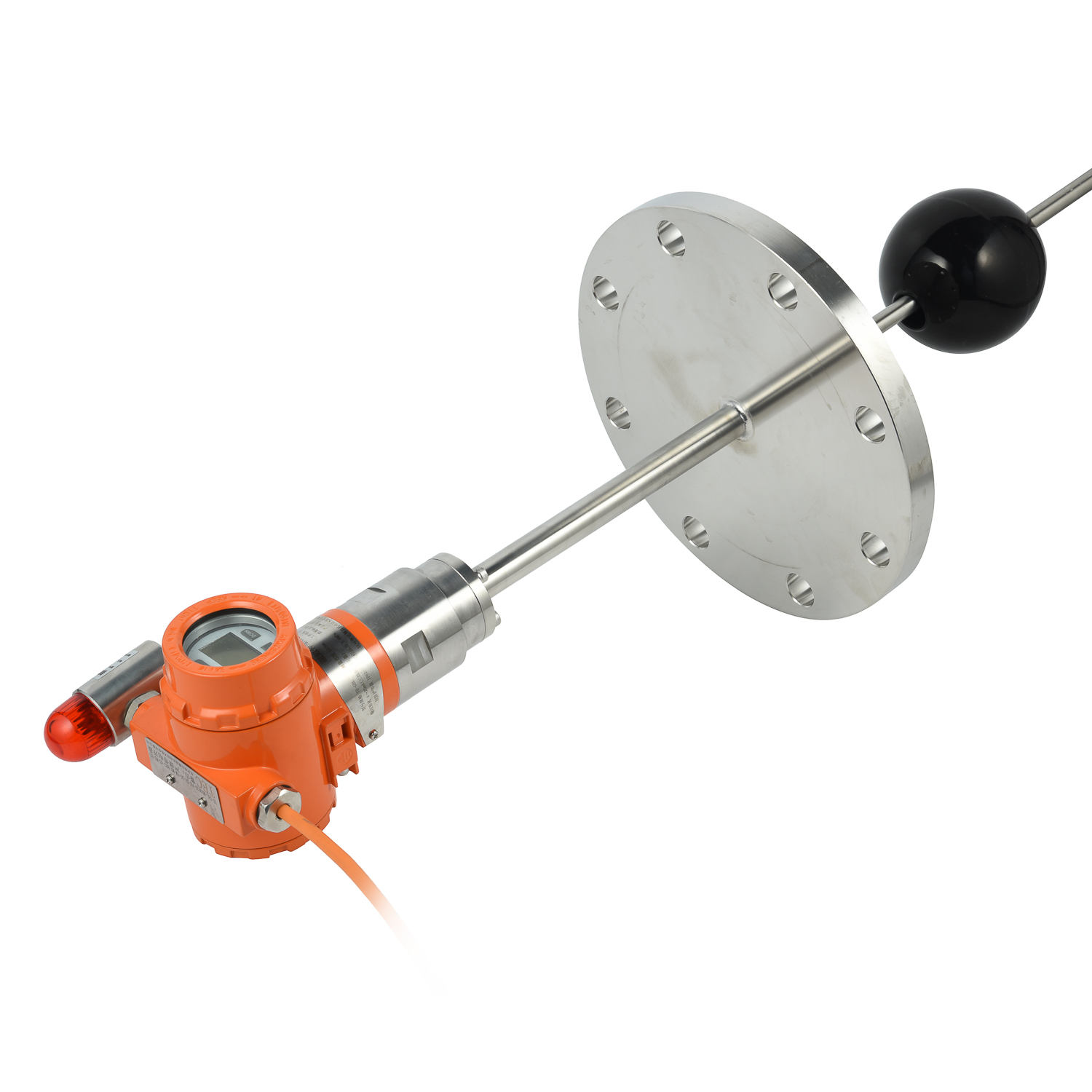 Linear Displacement Sensor for
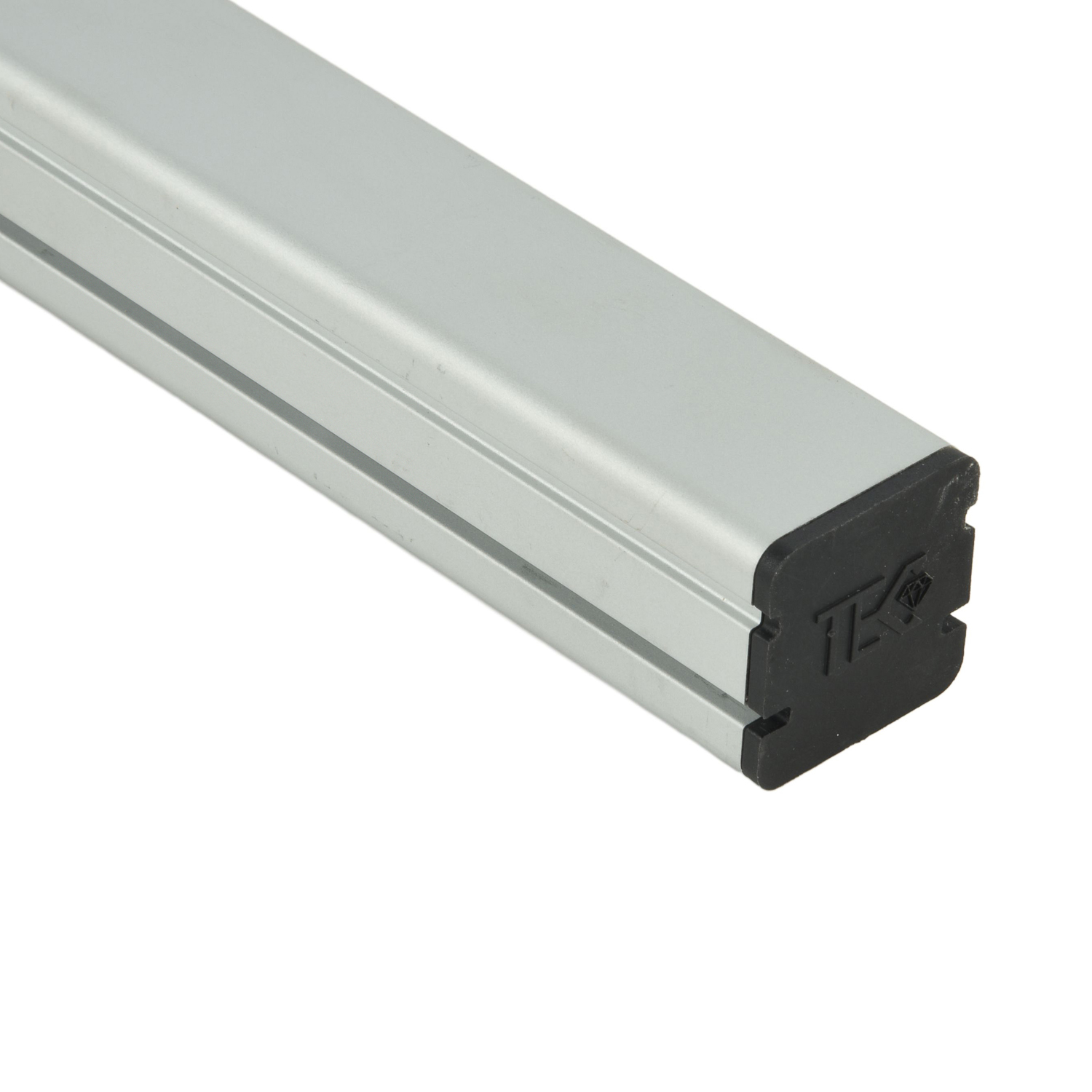 Linear Displacement Sensor for
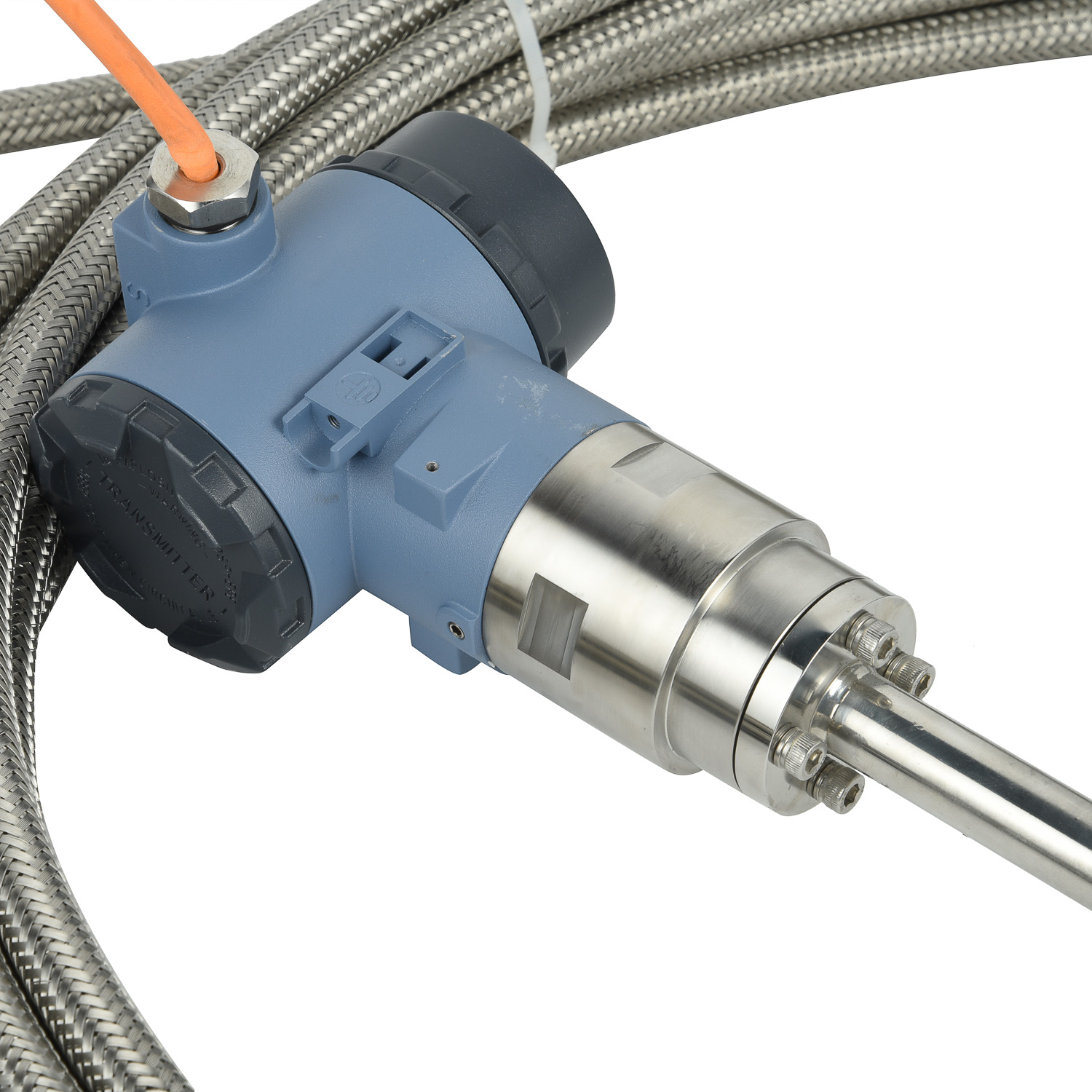 Linear Displacement Sensor for