
Magnetostrictive Level Gauge for Reaction Kettles
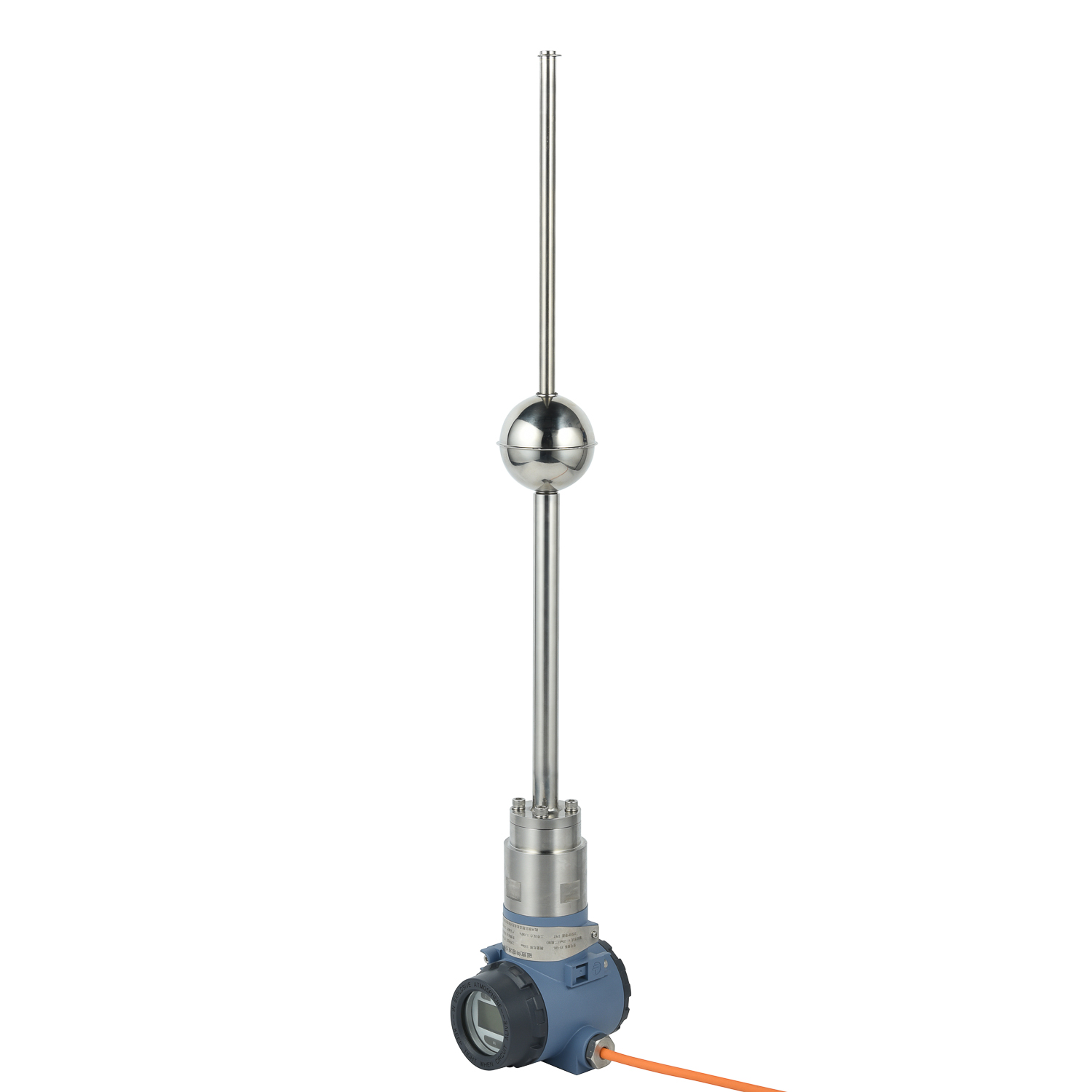
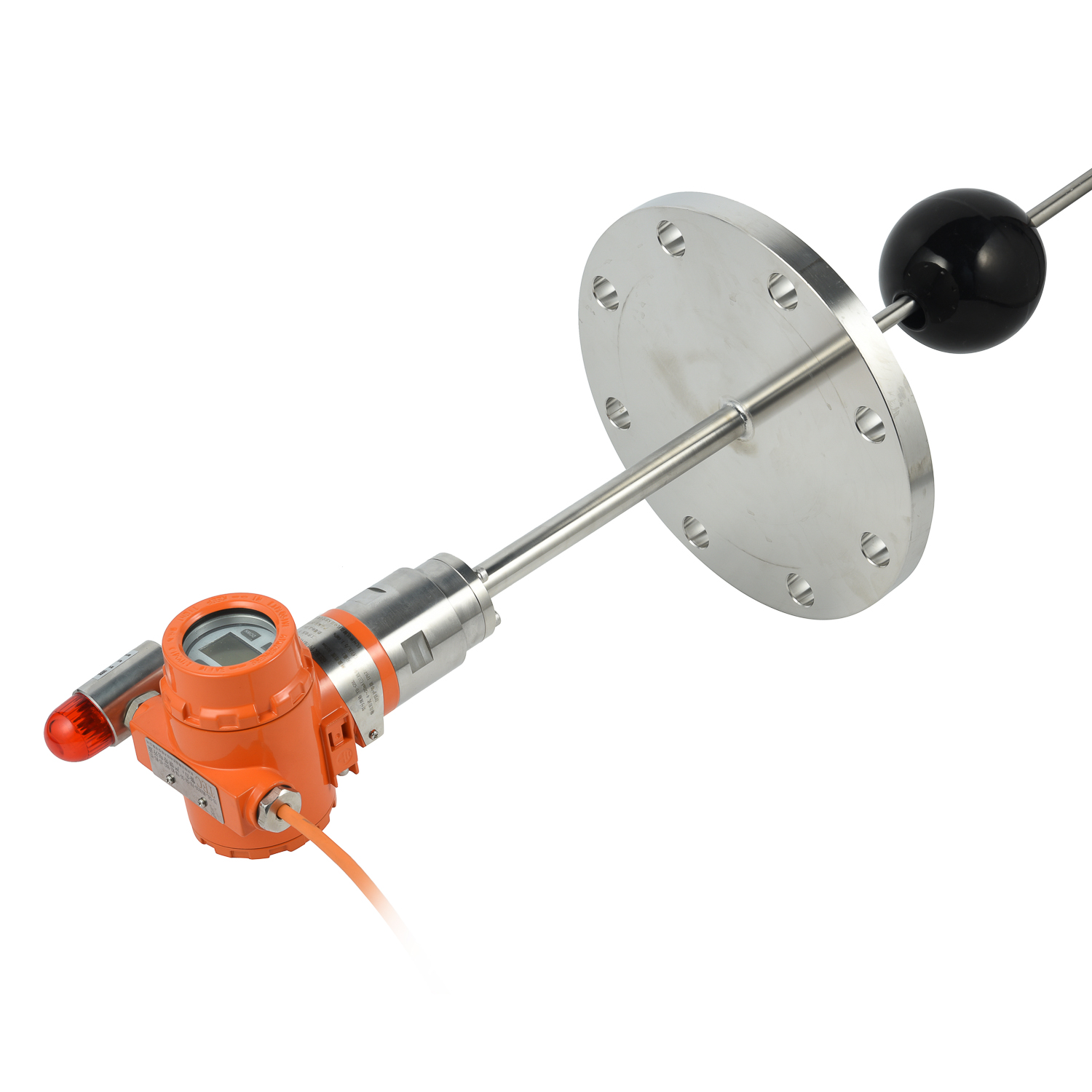
Reaction kettles demand reliable level measurement because inaccurate readings can affect batch quality, safety, and productivity. A magnetostrictive level gauge is an excellent choice for these harsh vessels. Its sensing waveguide and magnetic float provide continuous level data with high accuracy and repeatability. When the float moves, the magnet interacts with the waveguide, generating a torsion pulse. The transmitter converts the pulse into a precise position signal, typically 4-20 mA with HART or digital output.
In reaction kettle service, the gauge must handle high temperature, pressure, agitation, corrosive media, and vapor. Stainless steel or alloy wetted parts, PTFE linings, and robust flange connections improve chemical compatibility. Explosion-proof and IP-rated housings support safe operation in hazardous areas. Because the design has few moving parts, maintenance is low and long-term stability is strong. The gauge can measure total level and, with a second float, interface level in multi-phase processes.
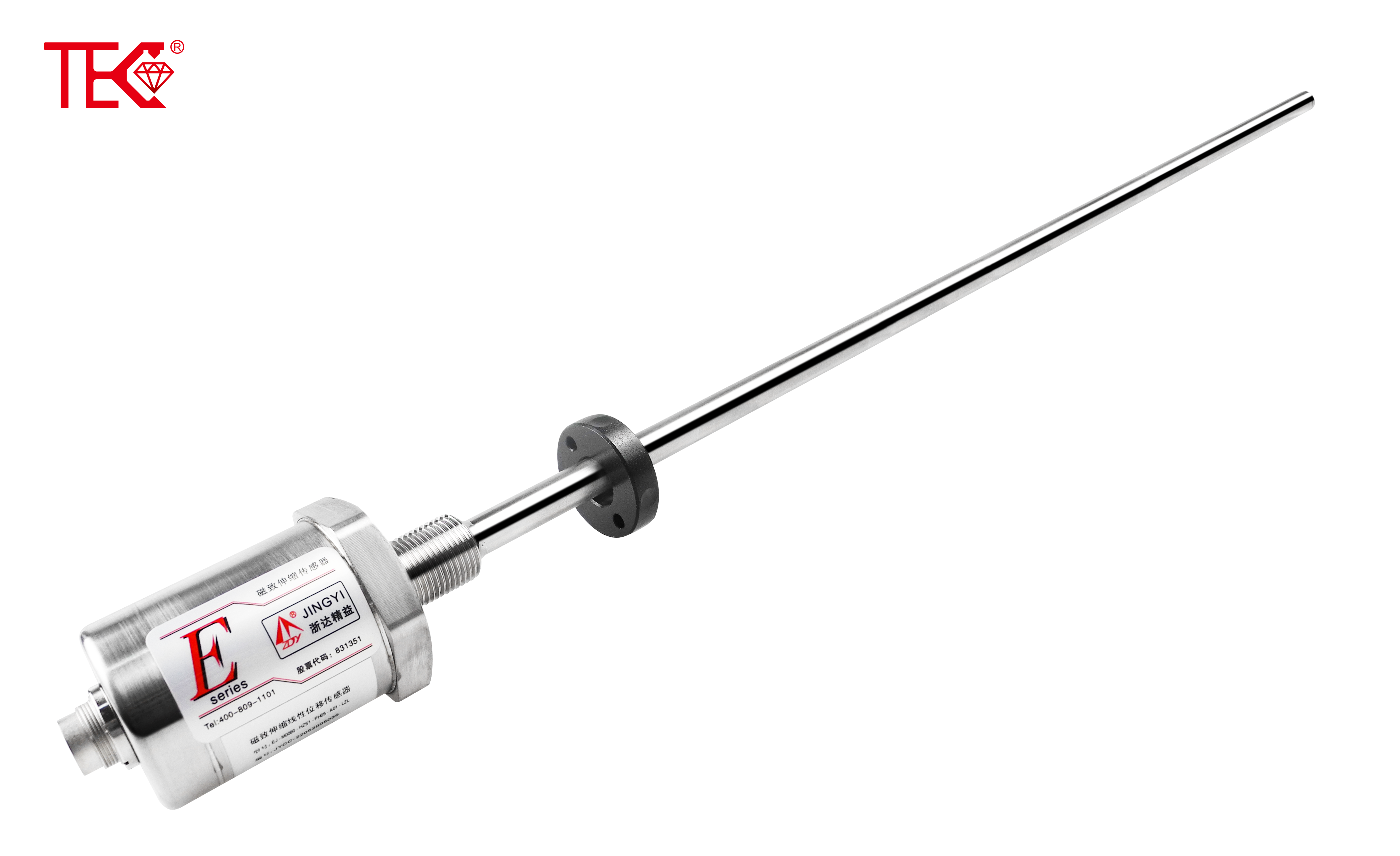
Proper installation is important. Mount the probe away from agitator blades and inlet streams, and select a float density and material that suit the process. For sticky or crystallizing products, choose a suitable isolation or purging method and schedule inspection. Routine calibration checks and correct float selection help maintain accuracy throughout the reactor lifecycle. With correct sizing, a magnetostrictive level gauge improves batch consistency, overfill protection, and process control in reaction kettles.
 Linear Displacement Sensor for
 Linear Displacement Sensor for
 Linear Displacement Sensor for
 Linear Displacement Sensor for