
Magnetostrictive Level Gauge for Gates
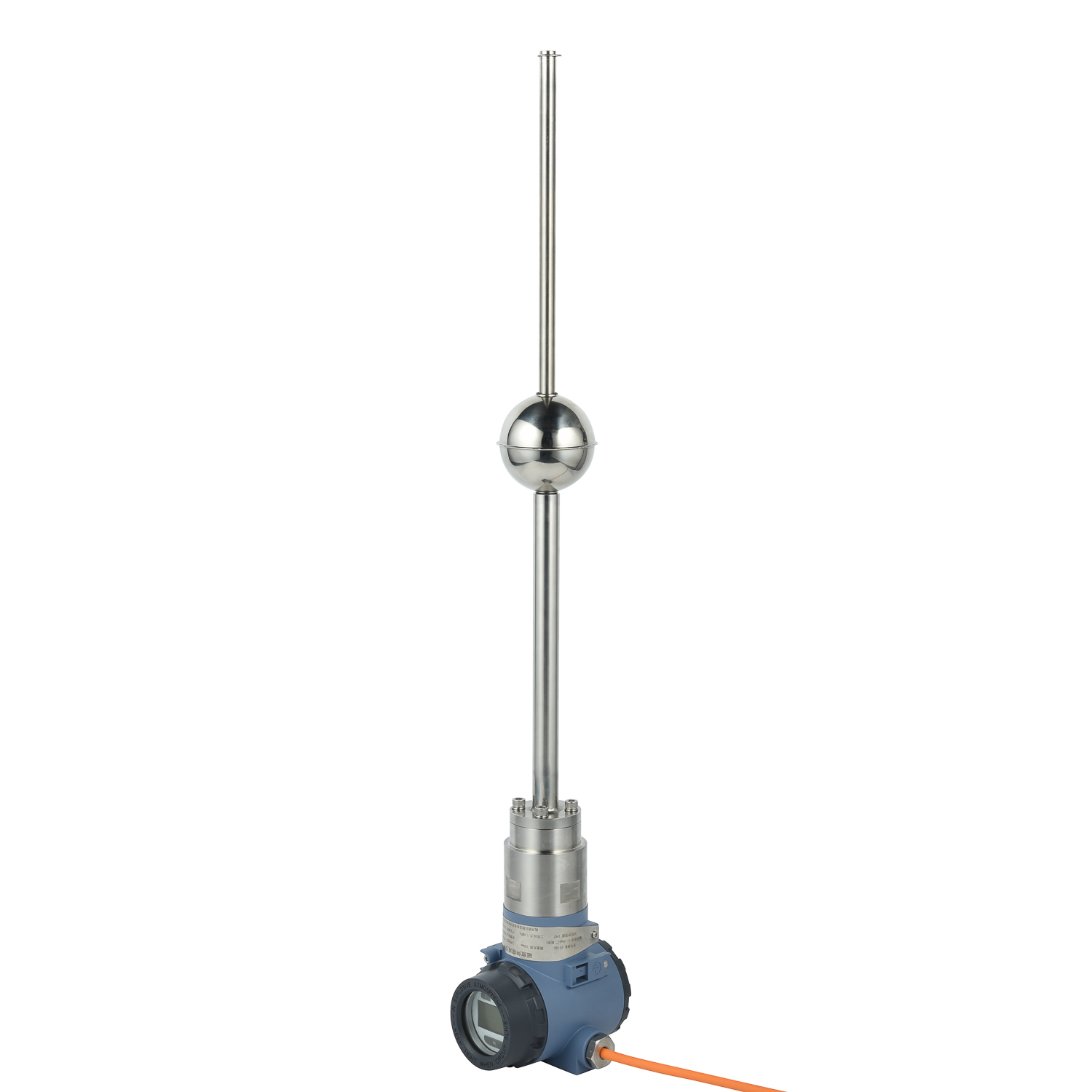
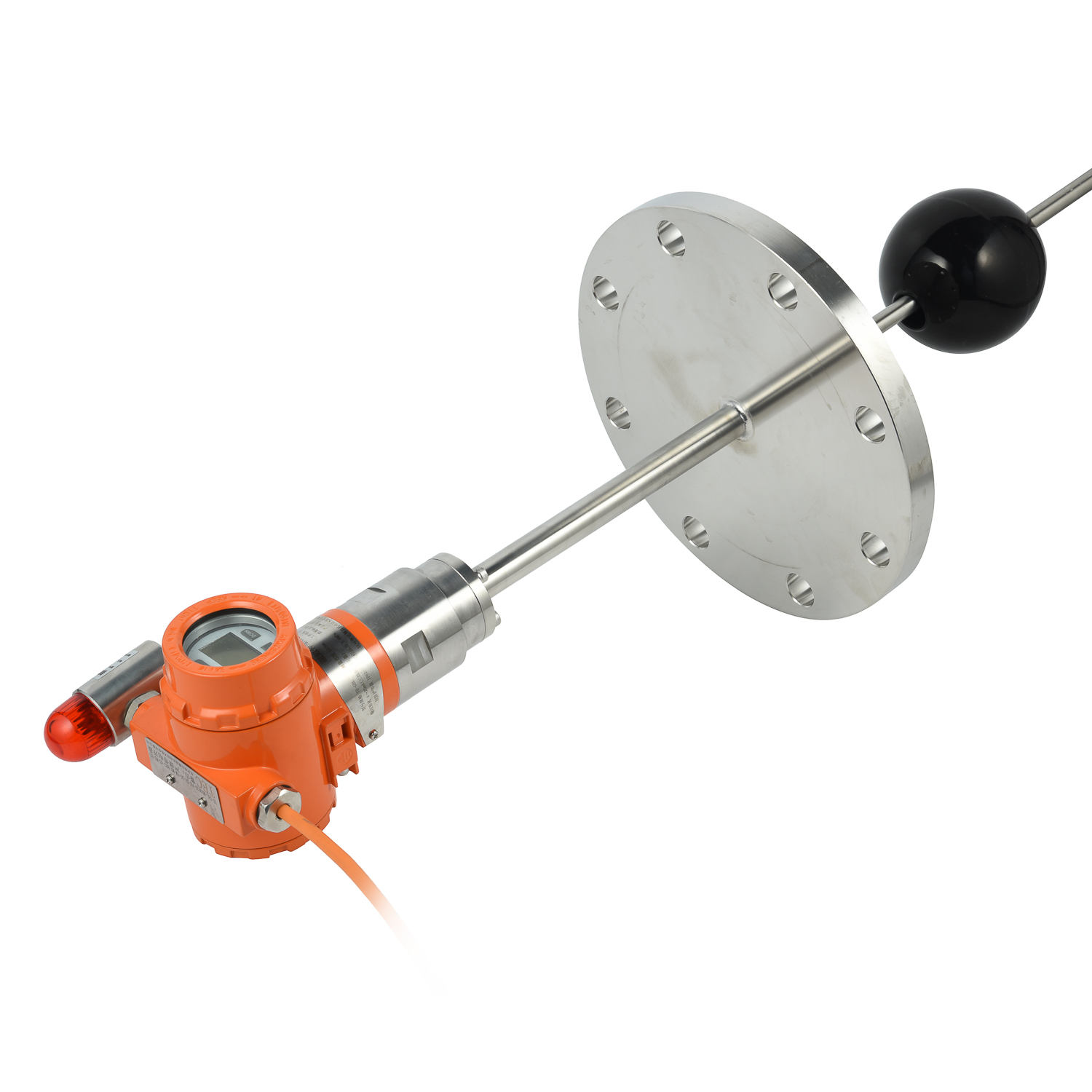
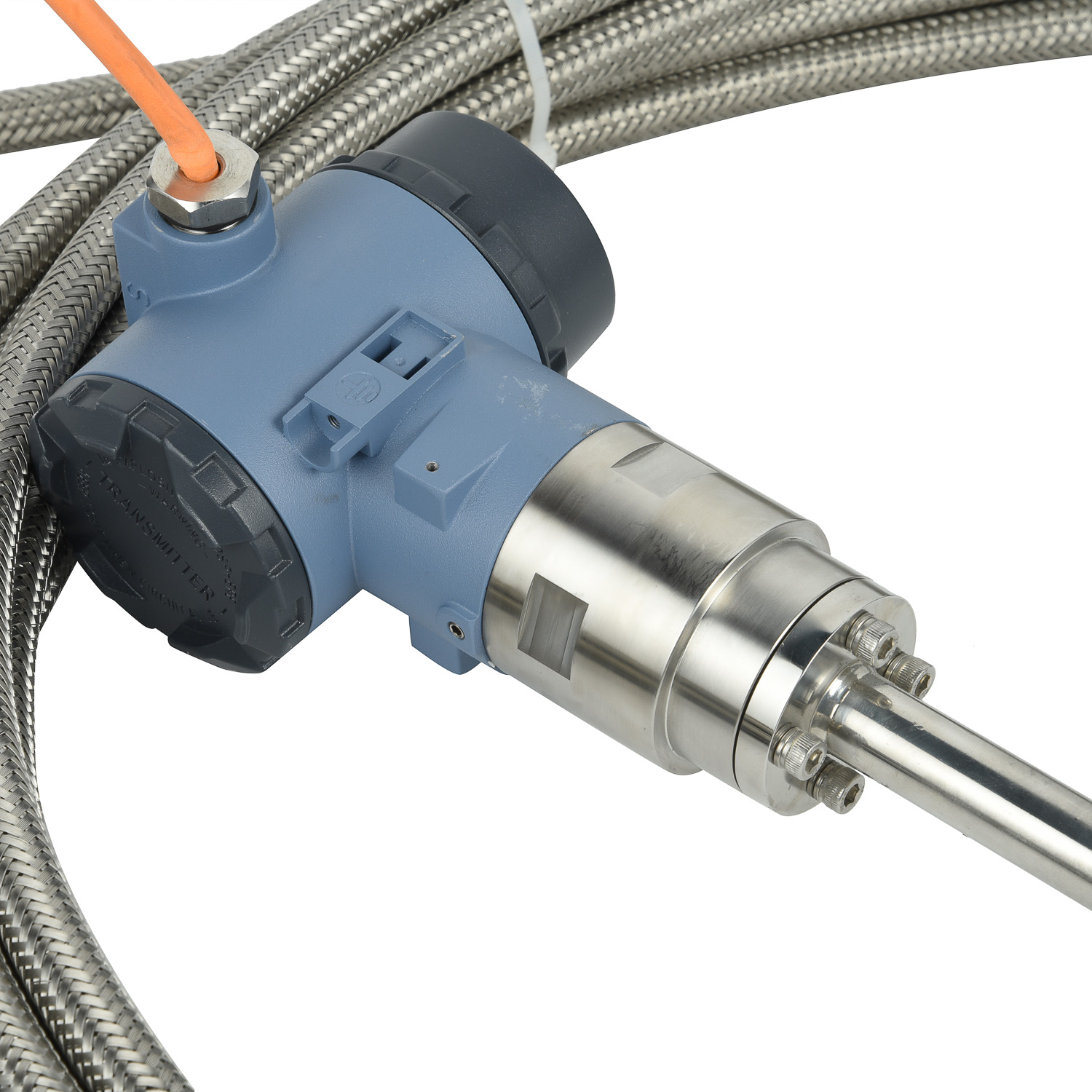
Magnetostrictive level gauges are used for gate water-level measurement in dams, channels, and flood barriers. Gate systems need reliable level data because small changes affect flow control, safety, and efficiency. The gauge uses a float with a permanent magnet that moves along a rod. Electronics send a current pulse along the rod, and the interaction with the float magnet produces a reflected signal. The time difference indicates the float position, giving continuous readings with accuracy and repeatability.
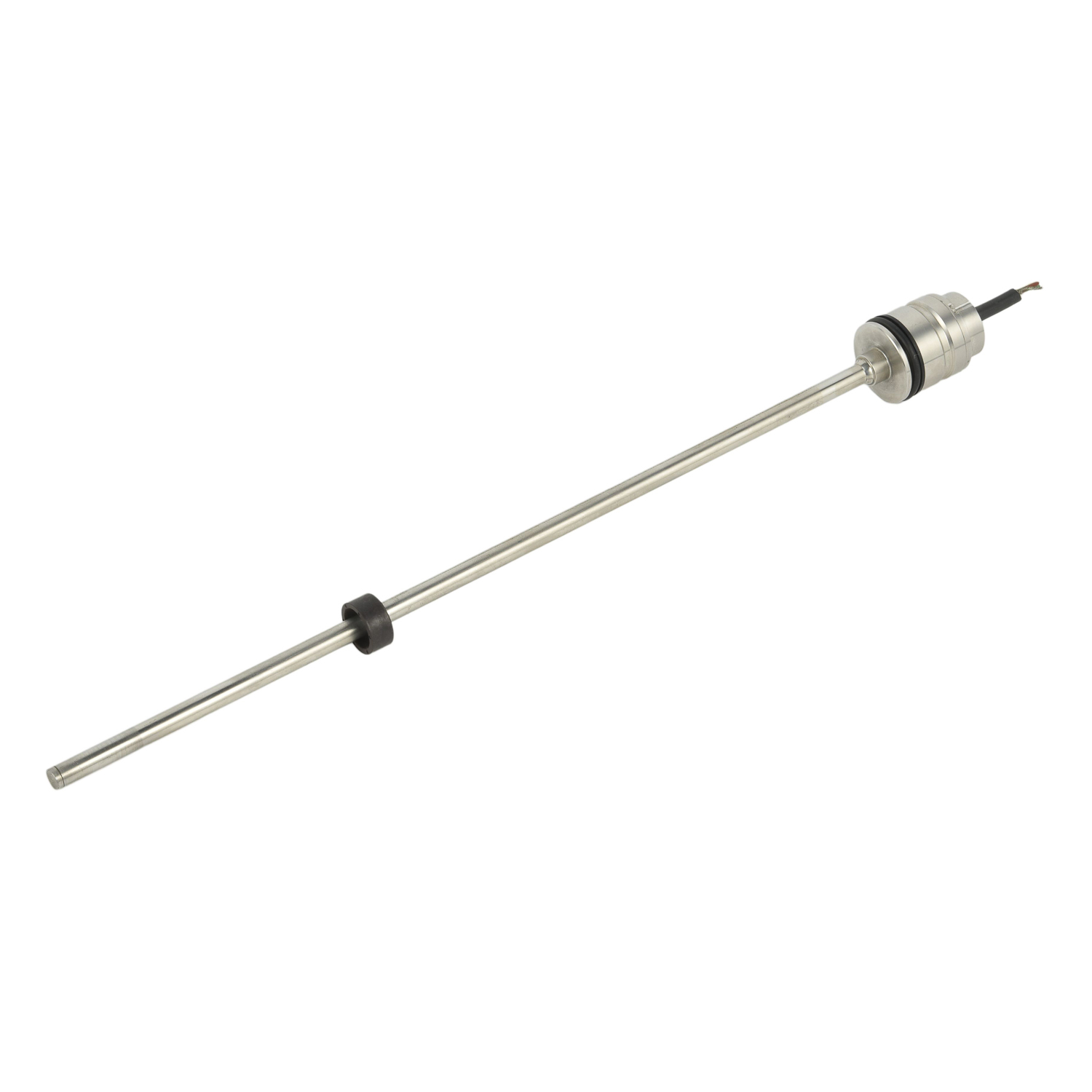
For gates, the technology offers benefits. There are no mechanical linkages that wear or jam, so maintenance is low. The sensor works in dirty water, vibration, and outdoor conditions when correctly housed. Analog or digital outputs connect to PLCs, SCADA systems, and gate controllers. Operators can monitor upstream and downstream levels, detect changes, and adjust gate opening in time to support flood protection, irrigation, and environmental compliance.
Installation matters. Mount the gauge vertically in a stilling well or guide pipe to reduce wave and debris effects. Match the float and rod to the measured range and water density. Route cables away from electrical noise, and choose a housing that suits the site's IP rating and corrosion risk. Checks of the float, rod, and signal output help maintain performance.
With accurate, low-maintenance measurement, a magnetostrictive level gauge helps gate operators improve safety, save labor, and control water efficiently.
 Linear Displacement Sensor for
 Linear Displacement Sensor for
 Linear Displacement Sensor for
 Linear Displacement Sensor for