
Magnetostrictive Level Gauge for Cement Industry
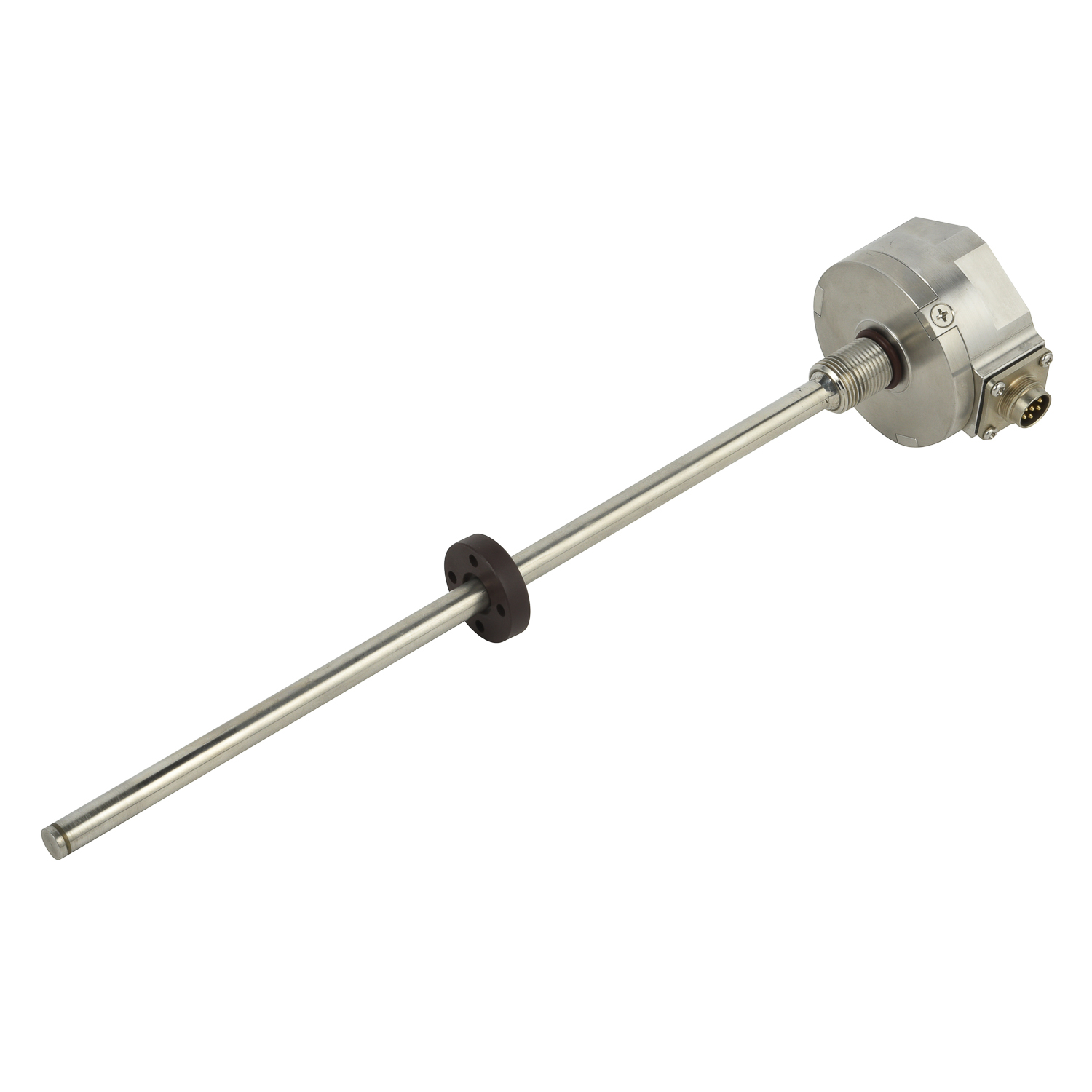
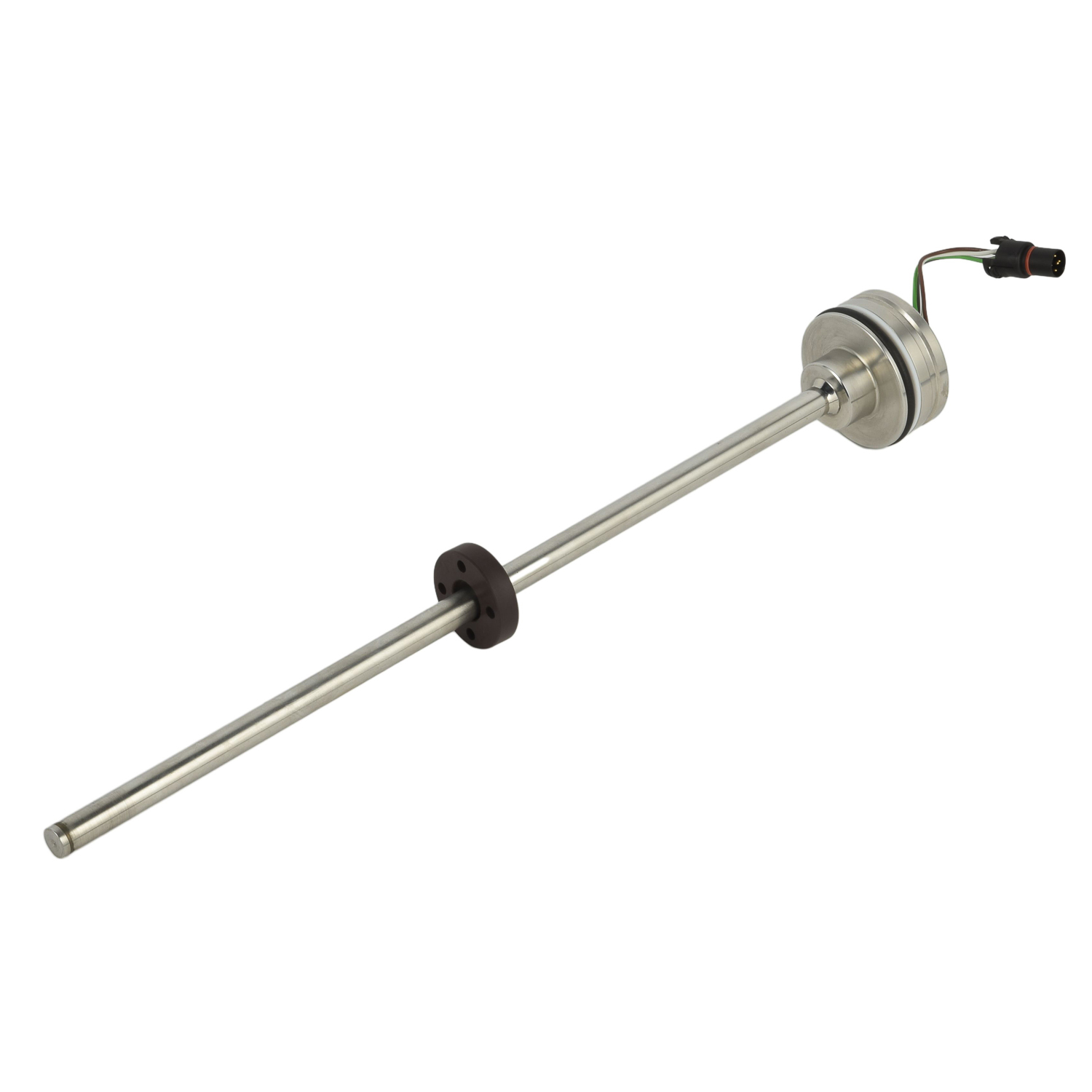
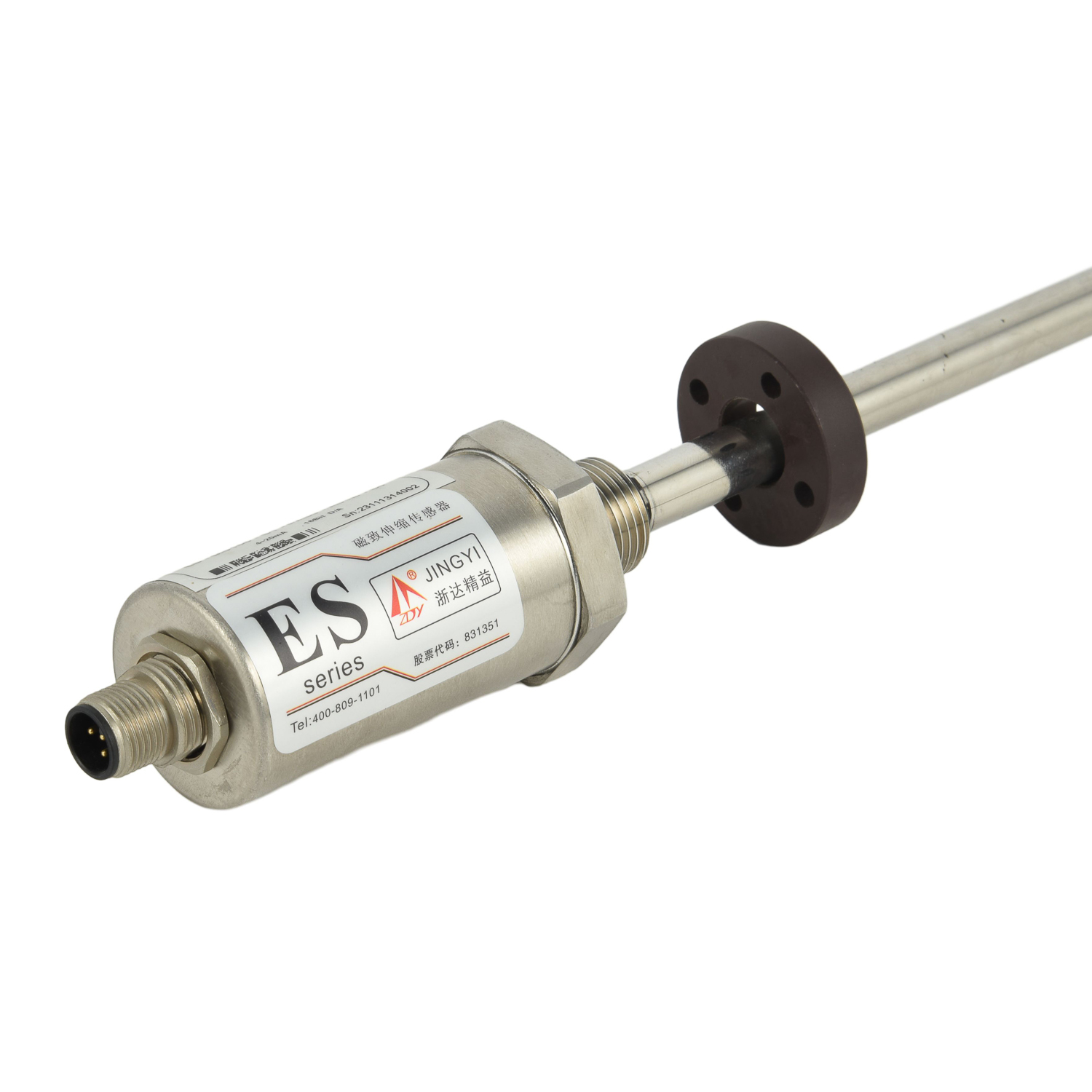
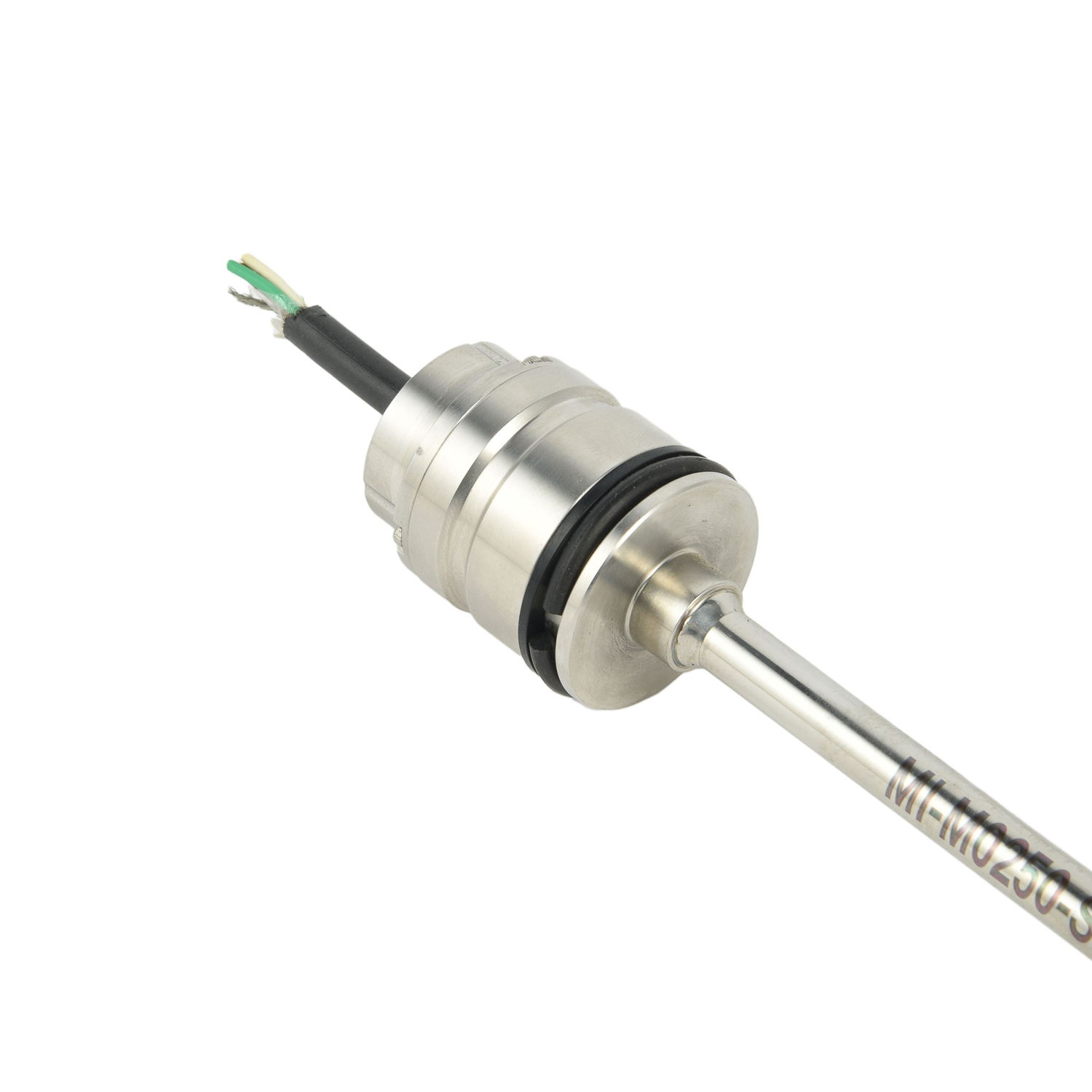
In cement plants, reliable level measurement supports continuous production, energy control, and maintenance safety. A magnetostrictive level gauge is a strong choice for liquid tanks and utility systems in dusty, high-temperature environments. It uses a magnetic float and waveguide to detect level with high accuracy and repeatability. Because the sensing element has no mechanical linkages, it resists vibration and wear better than many traditional devices. For cement industry applications, these gauges are used in fuel oil storage, hydraulic oil reservoirs, kiln lubrication systems, cooling water tanks, and wastewater treatment. They provide stable 4–20 mA, HART, or Modbus signals for PLC and DCS integration. Stainless steel housings, IP66/IP67 protection, and ATEX options handle dust, moisture, and hazardous areas. Engineers should confirm tank height, fluid density, temperature, interface needs, and output protocol before ordering. A guided float design can improve stability in turbulent or viscous fluids, while a rigid probe with a robust flange limits misalignment. Remote displays and digital communication simplify calibration and diagnostics. They also reduce manual dipping and operator exposure in large tank farms. In dusty sites, protective housings and occasional flange cleaning keep readings dependable. Magnetostrictive gauges are designed for liquids, not dry cement powder or clinker. Correct mounting and float selection are essential. When specified properly, a magnetostrictive level gauge improves inventory accuracy, reduces downtime, and supports safer, more efficient cement production.
 Linear Displacement Sensor for
 Linear Displacement Sensor for
 Linear Displacement Sensor for
 Linear Displacement Sensor for