
Linear Displacement Sensor for Bridge Crane
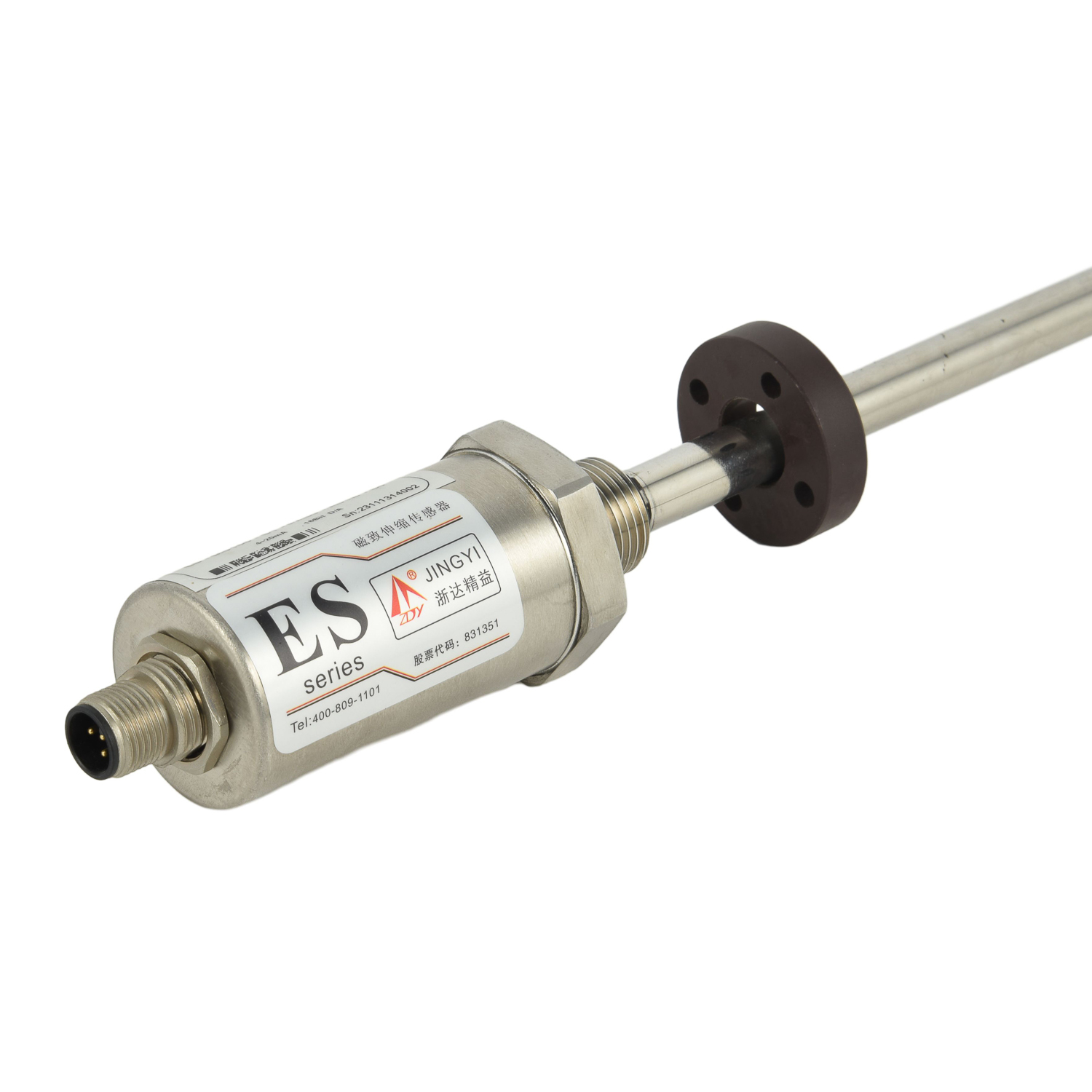
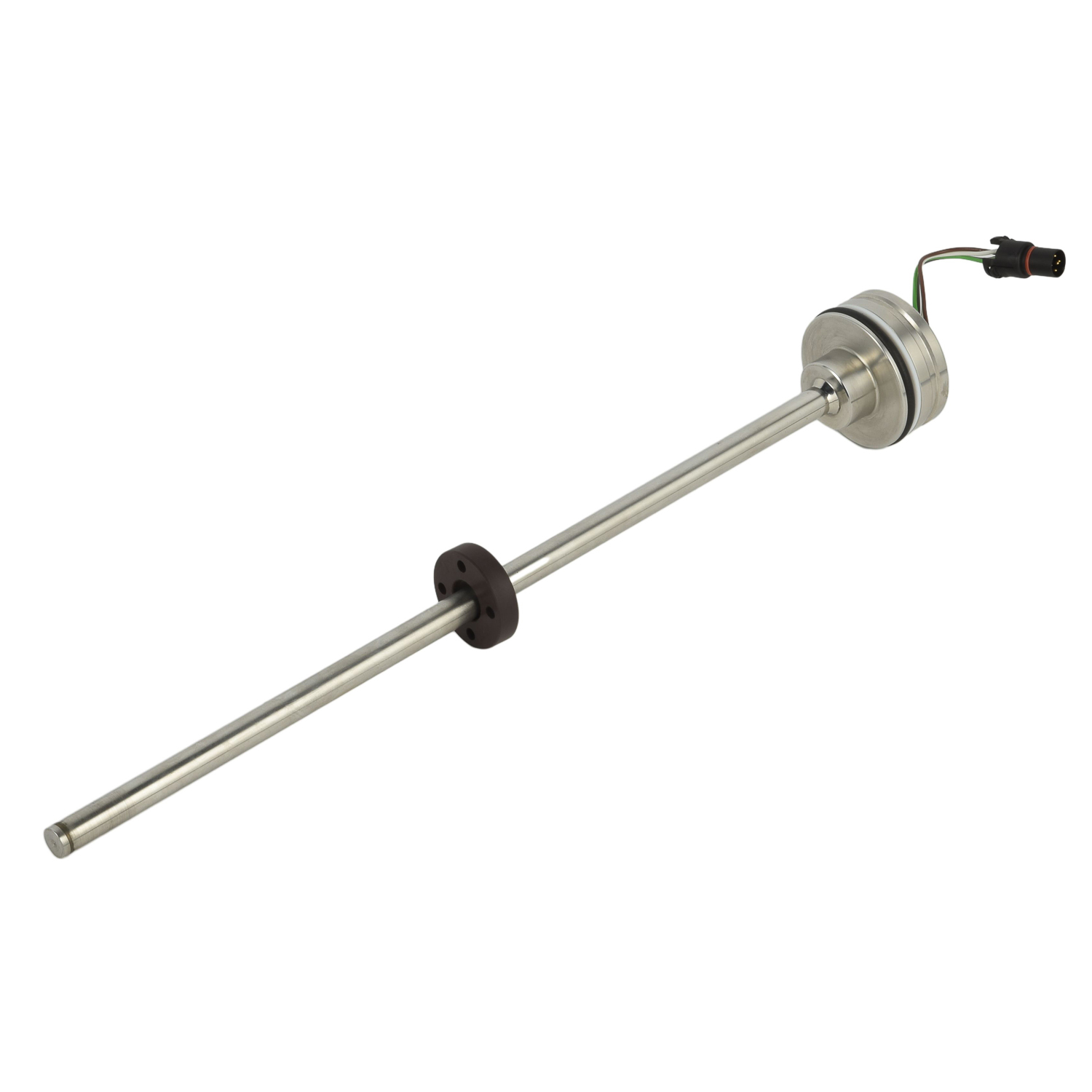
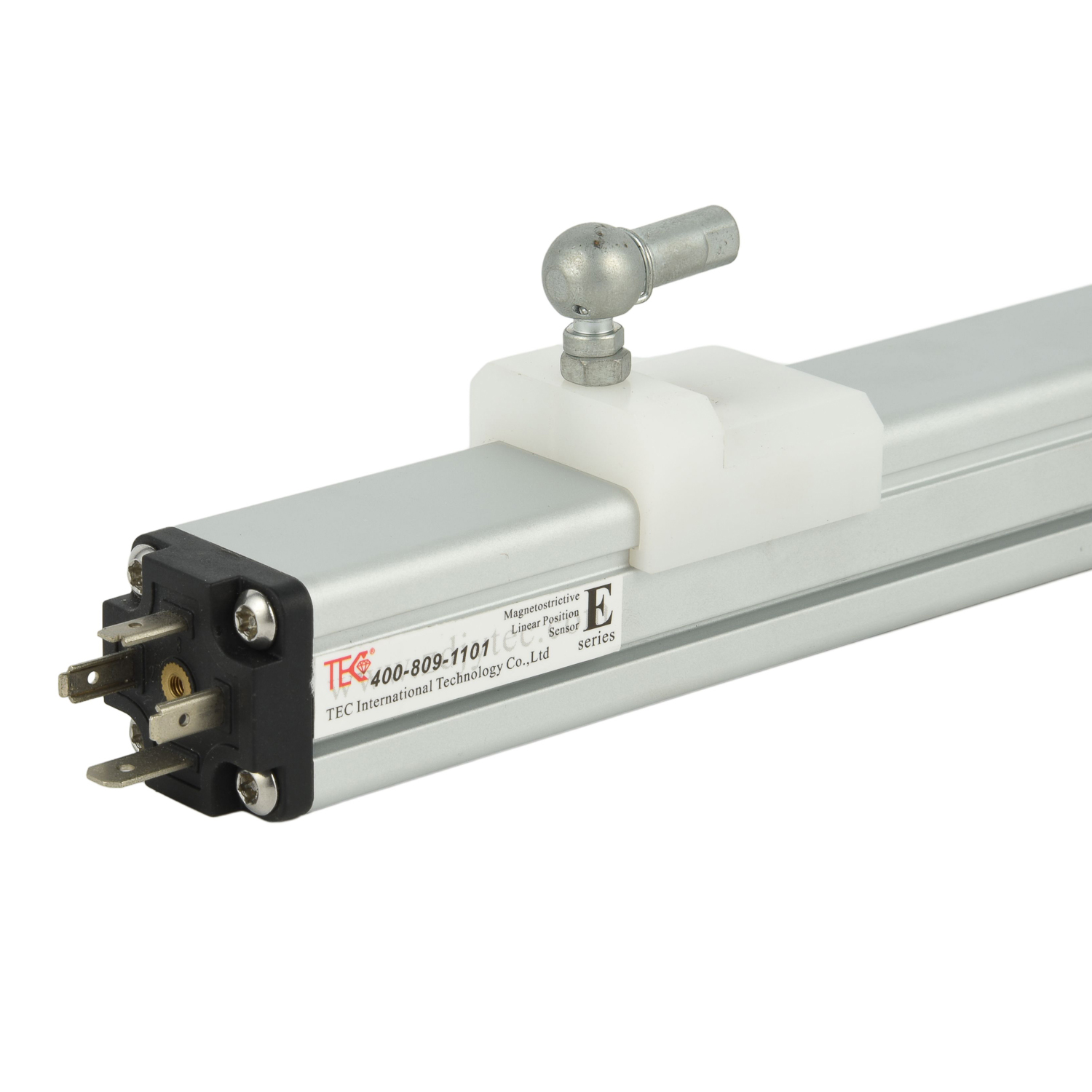
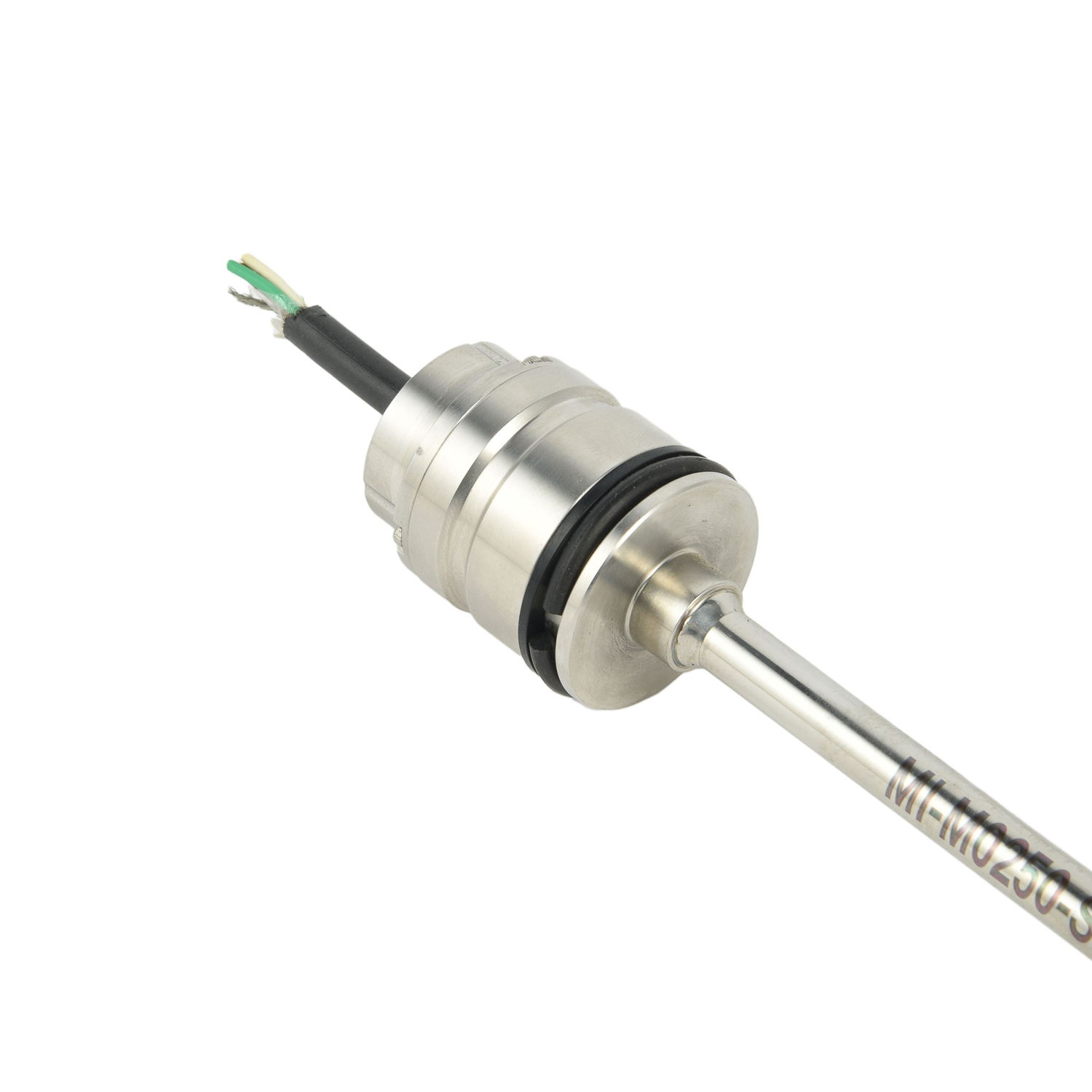
Bridge cranes operate in demanding industrial environments where precise movement and reliable position feedback are essential. A linear displacement sensor measures the actual travel of the bridge, trolley, or hoist and sends real-time data to the crane control system. This feedback supports accurate load positioning, smooth acceleration and deceleration, anti-skew control, and collision avoidance. Common sensor options include draw-wire, magnetostrictive, laser, and linear encoder designs. The right choice depends on travel length, accuracy, speed, mounting space, and exposure to dust, vibration, moisture, and temperature changes. For bridge cranes, robust sensors with high repeatability and strong EMI resistance are preferred. Proper installation and alignment are critical: the sensor must be mounted securely, protected from impact, and calibrated to the crane's reference points. Regular inspection of cables, connectors, and mounting brackets helps prevent drift and downtime. With reliable linear displacement feedback, bridge cranes can achieve higher automation levels, safer operation, and more efficient material handling. For long travel distances, draw-wire sensors are cost-effective, while magnetostrictive or laser sensors suit higher accuracy and faster control loops. Digital outputs such as SSI, CANopen, or analog 4-20 mA signals must match the PLC or drive interface. In automated cranes, sensor data can support target positioning, zone control, and synchronization of parallel drives.
 Linear Displacement Sensor for
 Linear Displacement Sensor for
 Linear Displacement Sensor for