
Linear Displacement Sensor for Crane
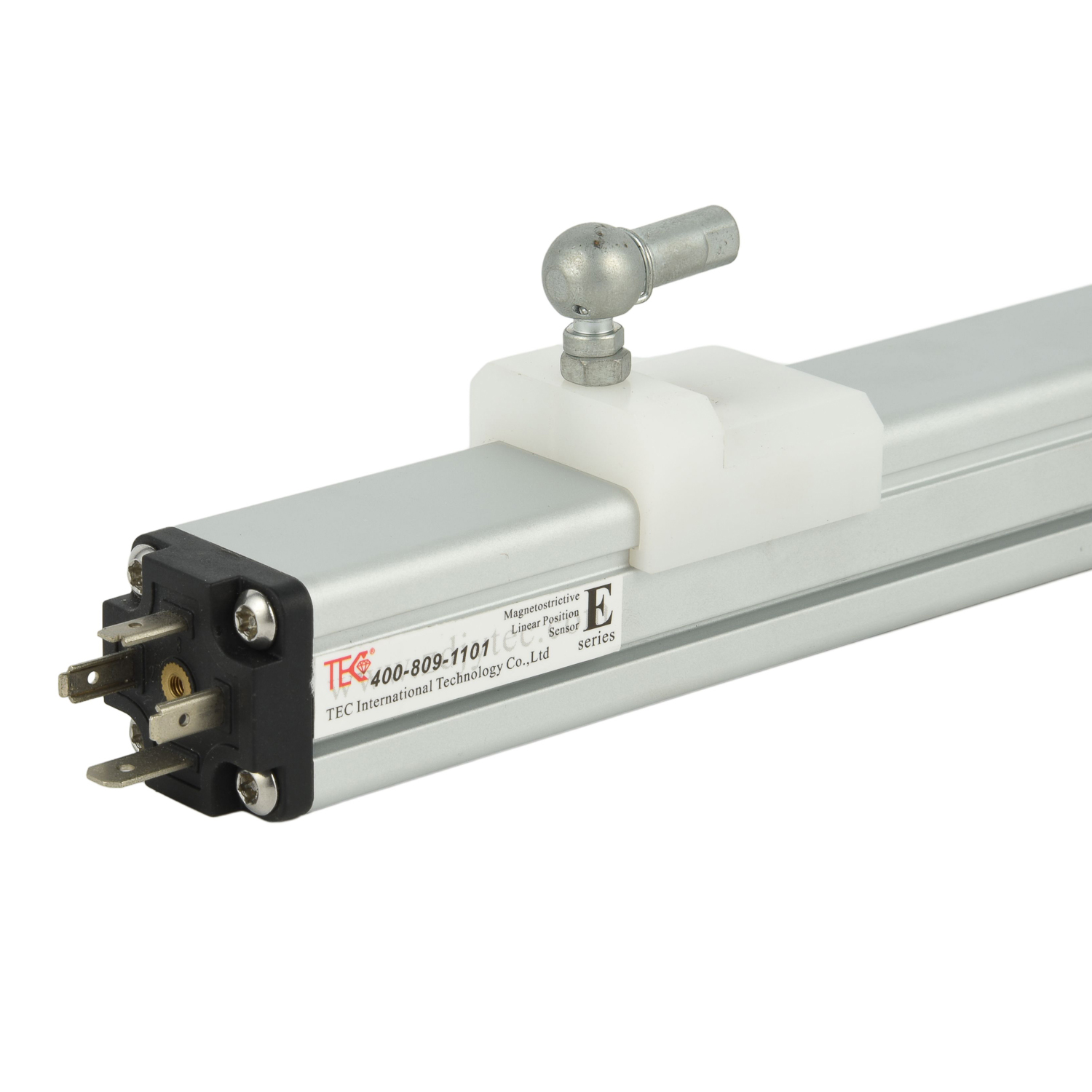
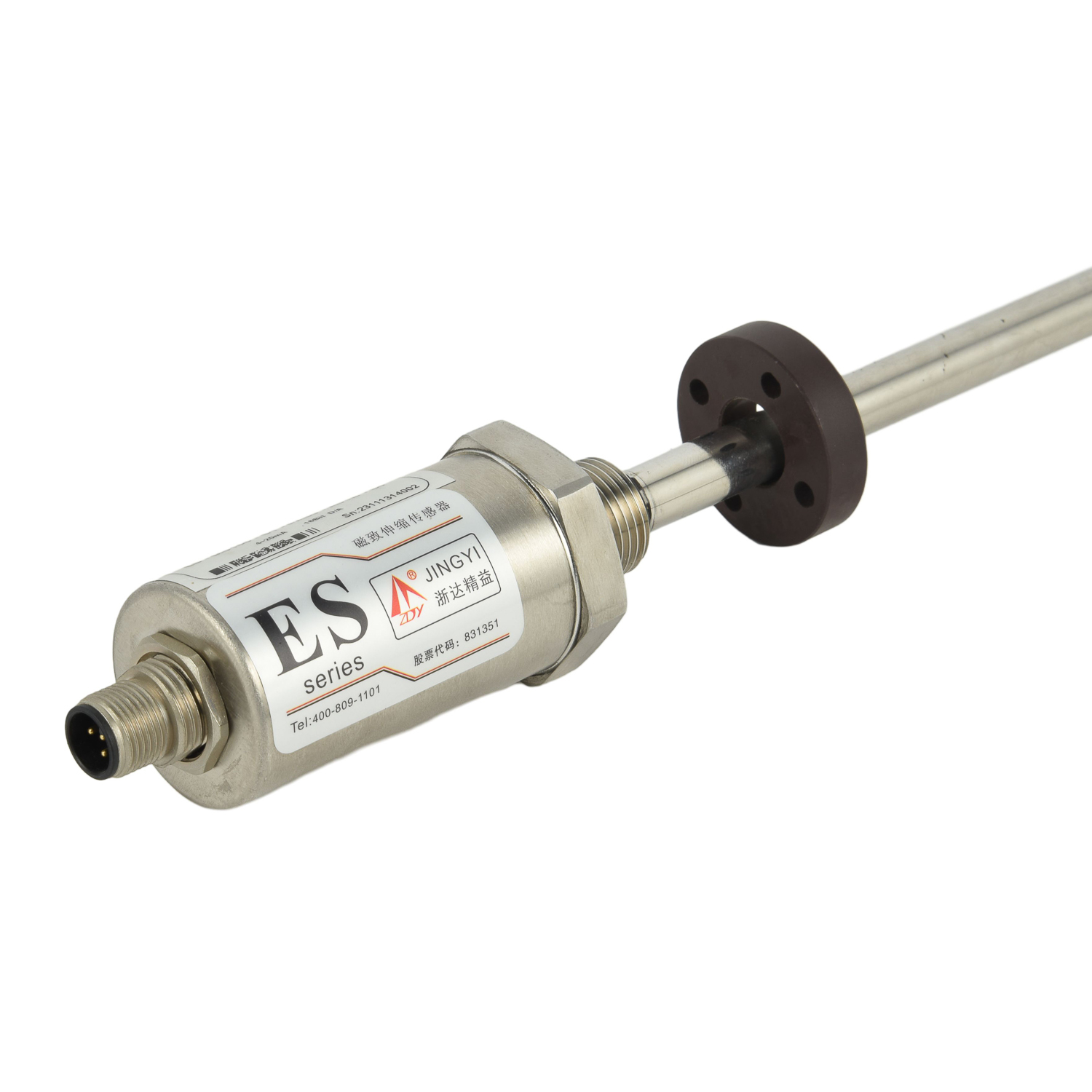
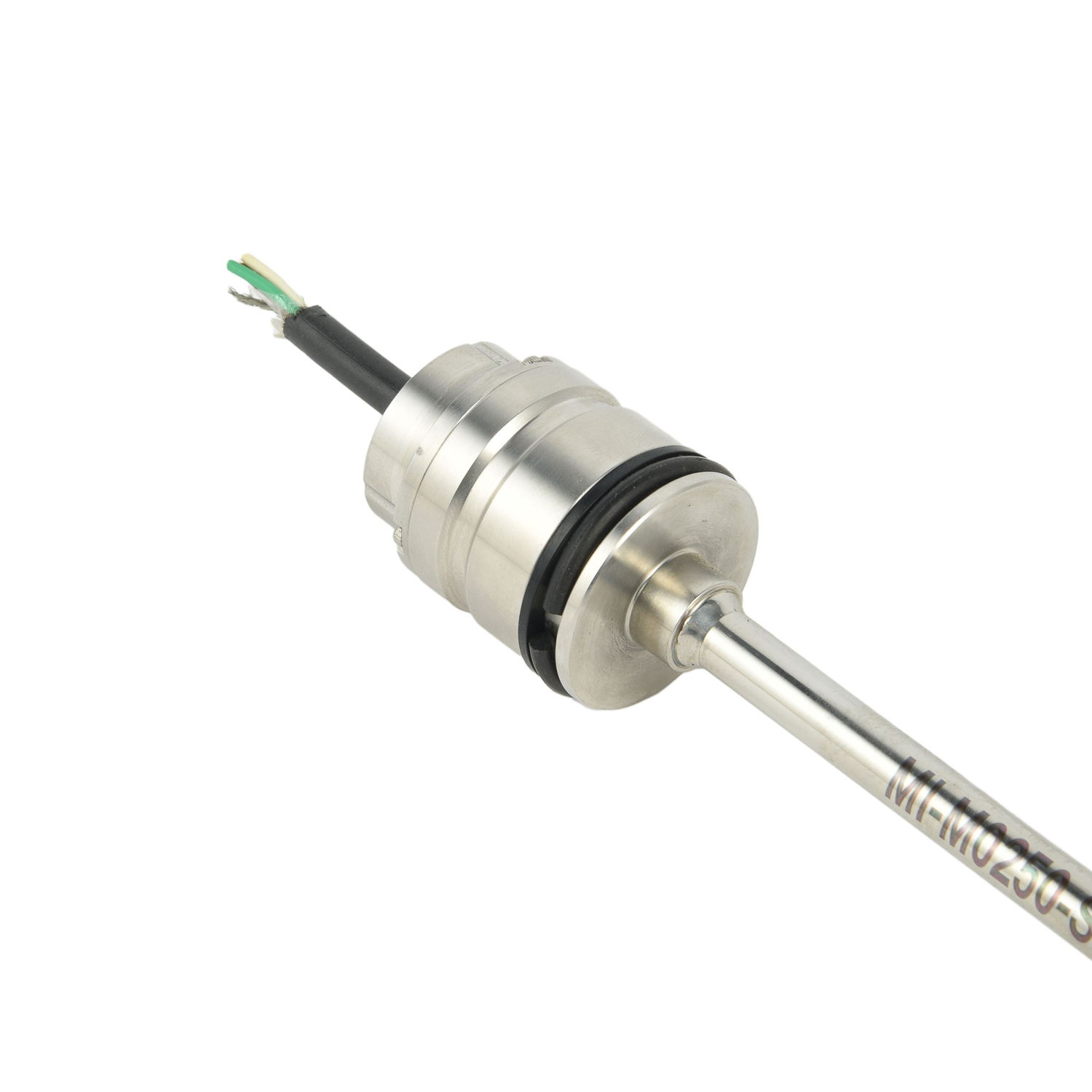
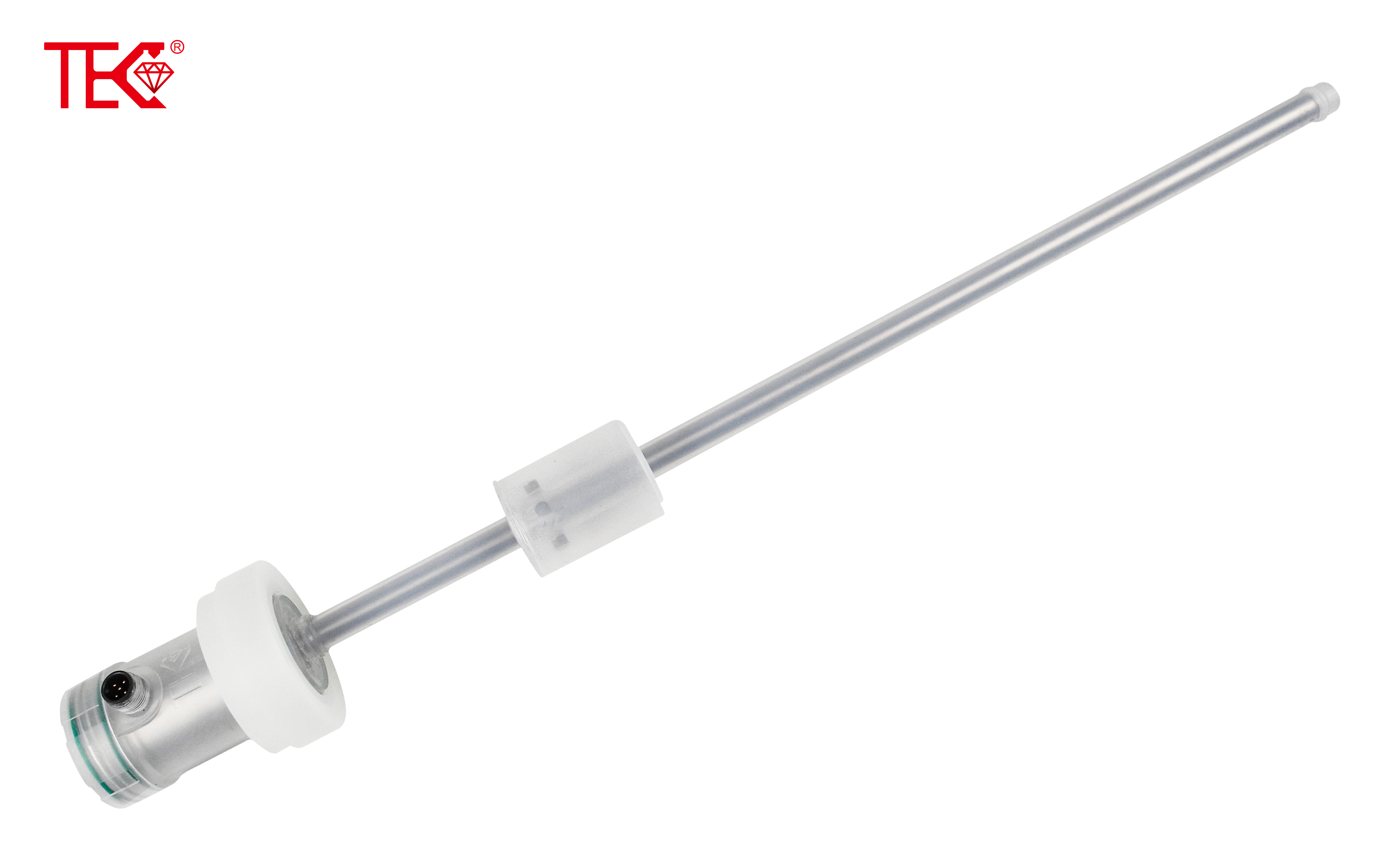
Linear displacement sensors are essential for modern crane control and safety. Mounted on the boom, trolley, hoist, or travel mechanism, they provide continuous position feedback that helps operators and automated systems know exactly where the load is. Unlike simple limit switches, a linear displacement sensor delivers real-time measurement, enabling smooth speed control, accurate positioning, and reliable overload protection.
In crane applications, common sensor technologies include potentiometric, magnetostrictive, LVDT, and draw-wire types. The right choice depends on stroke length, accuracy, environment, and output signal. Magnetostrictive and LVDT sensors offer high reliability and long life in harsh conditions, while draw-wire sensors are cost-effective for long travel distances. Robust IP-rated housings resist dust, moisture, vibration, and temperature changes found on construction sites, ports, and steel plants.
Accurate displacement feedback improves crane safety by preventing over-travel, syncing multi-hoist systems, and supporting anti-sway control. It also reduces mechanical wear and downtime because drives respond to actual position instead of guesswork. For maintenance, choose sensors with easy calibration, stable output, and protection against electromagnetic interference. Proper mounting, shielded cables, and regular inspection keep readings precise and extend service life.
Selecting a linear displacement sensor for a crane requires attention to measuring range, resolution, repeatability, shock resistance, and communication protocol. A well-matched sensor turns crane movement into dependable data, improving efficiency, safety, and predictive maintenance.
 Linear Displacement Sensor for
 Linear Displacement Sensor for
 Linear Displacement Sensor for