
Linear Displacement Sensor for Overhead Crane
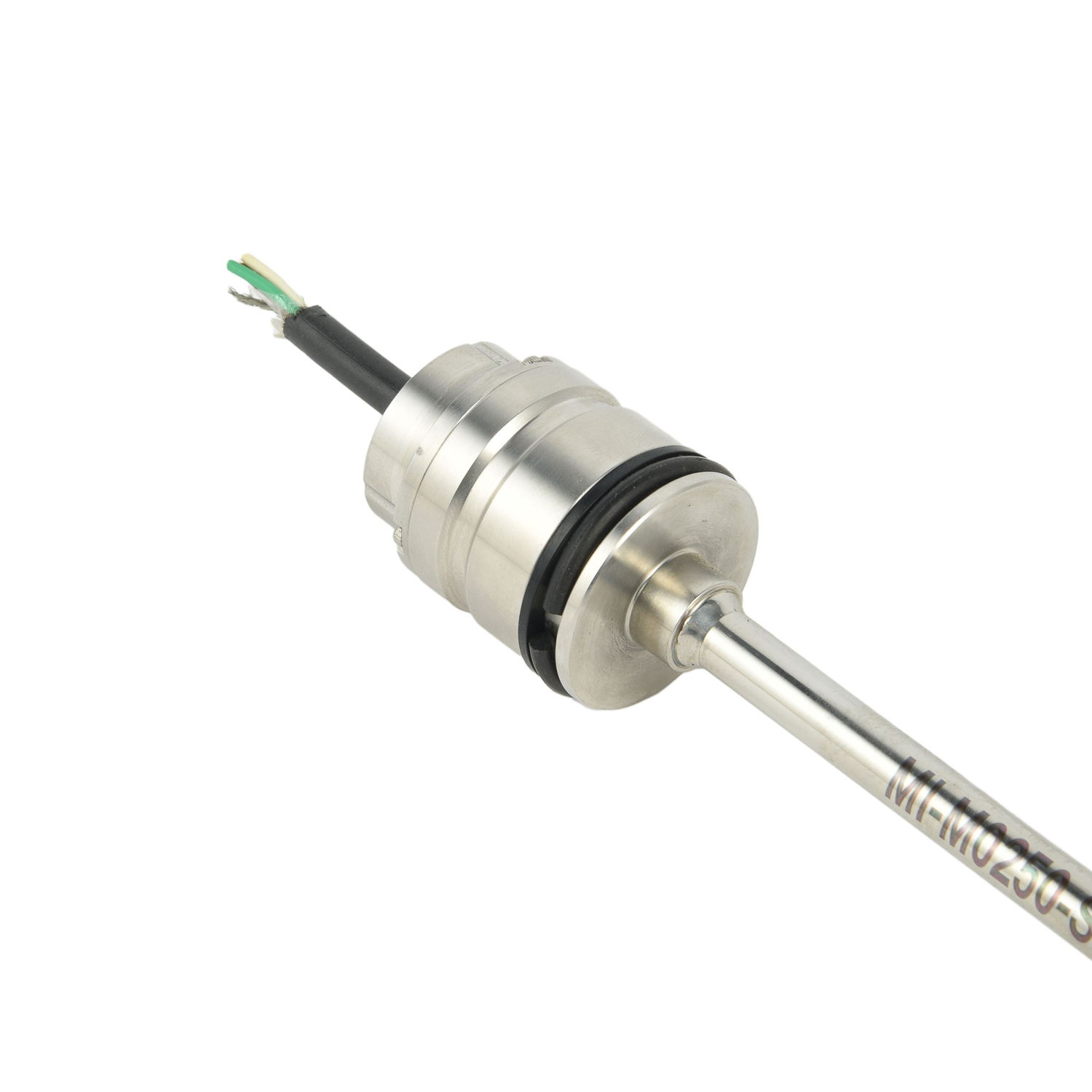
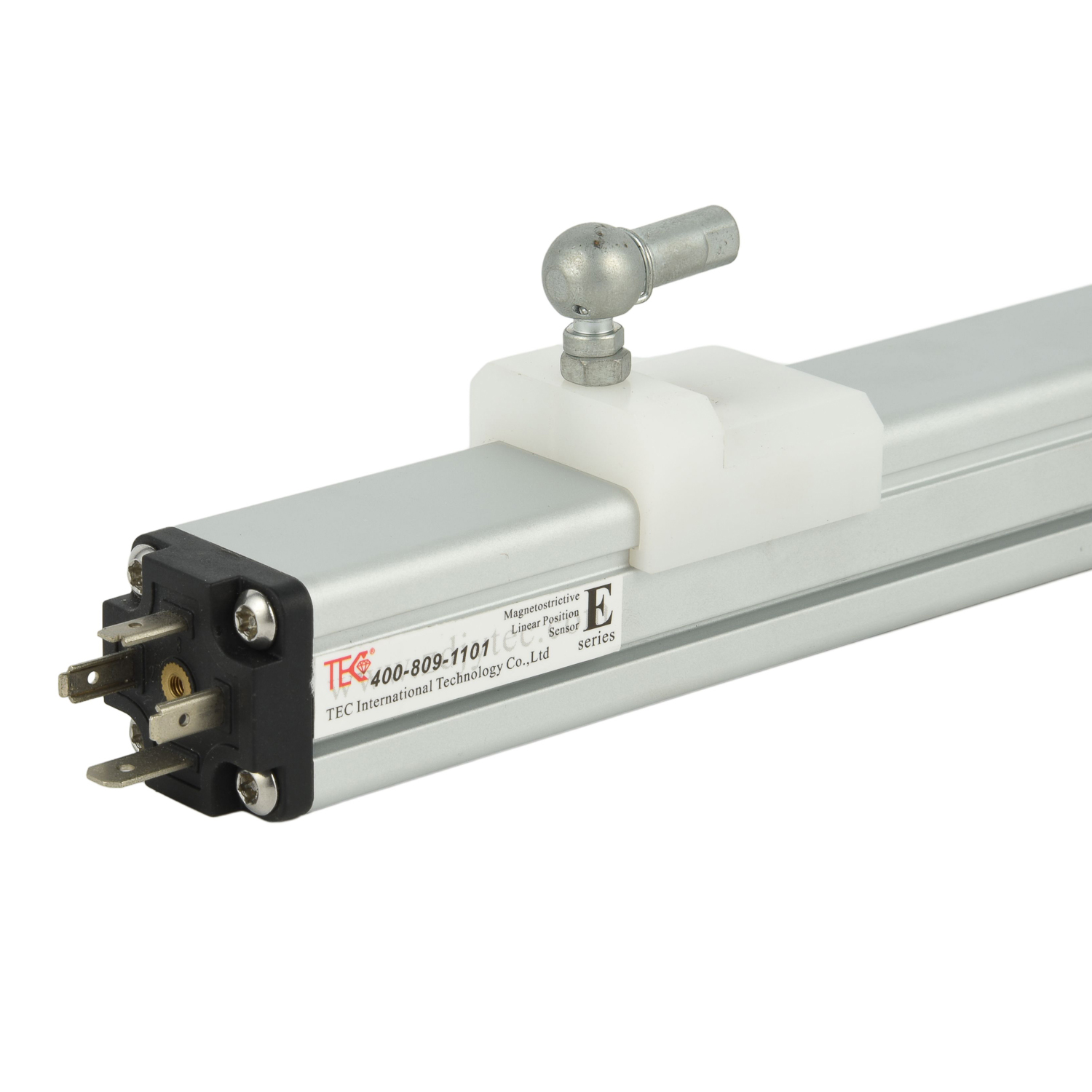
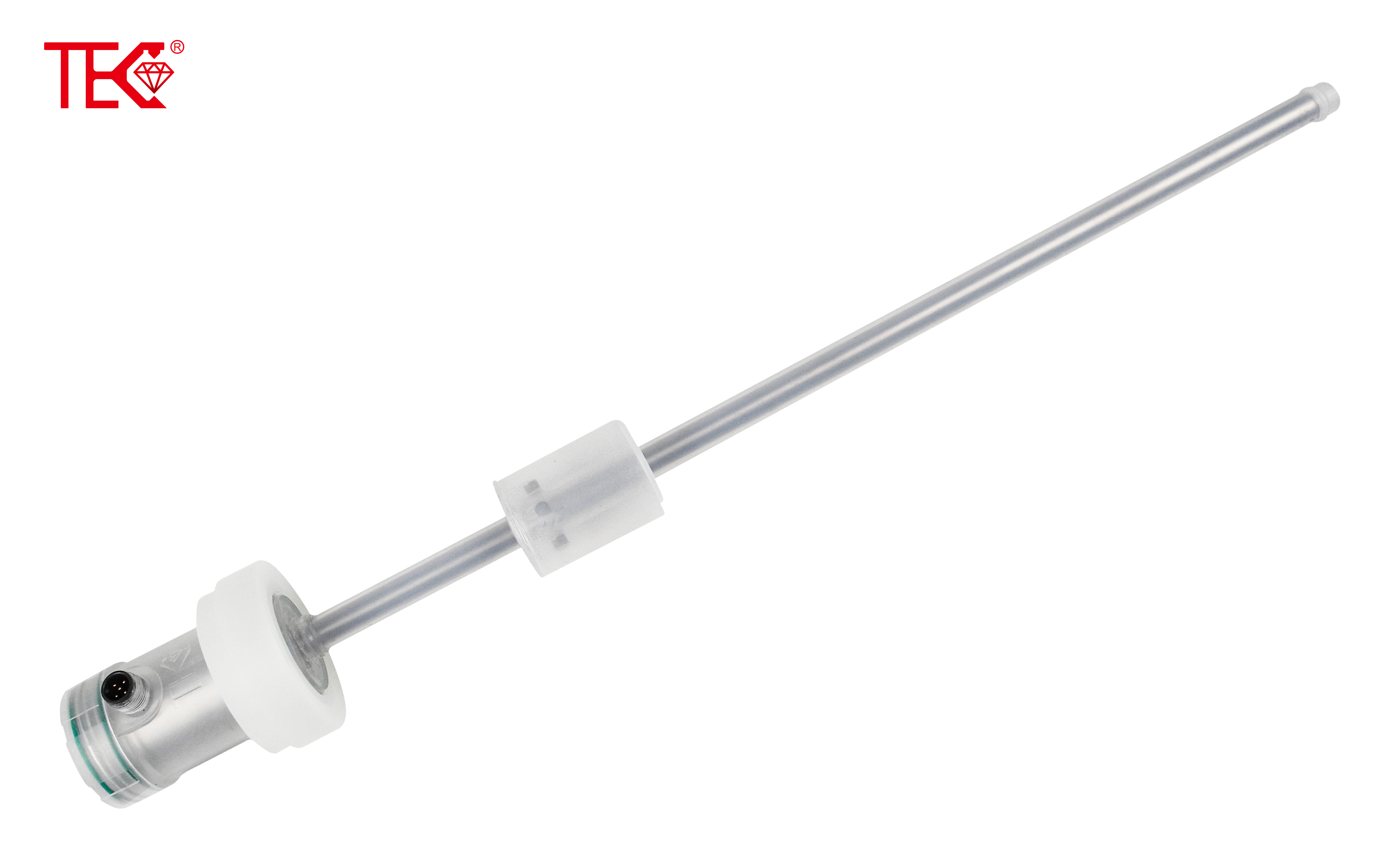
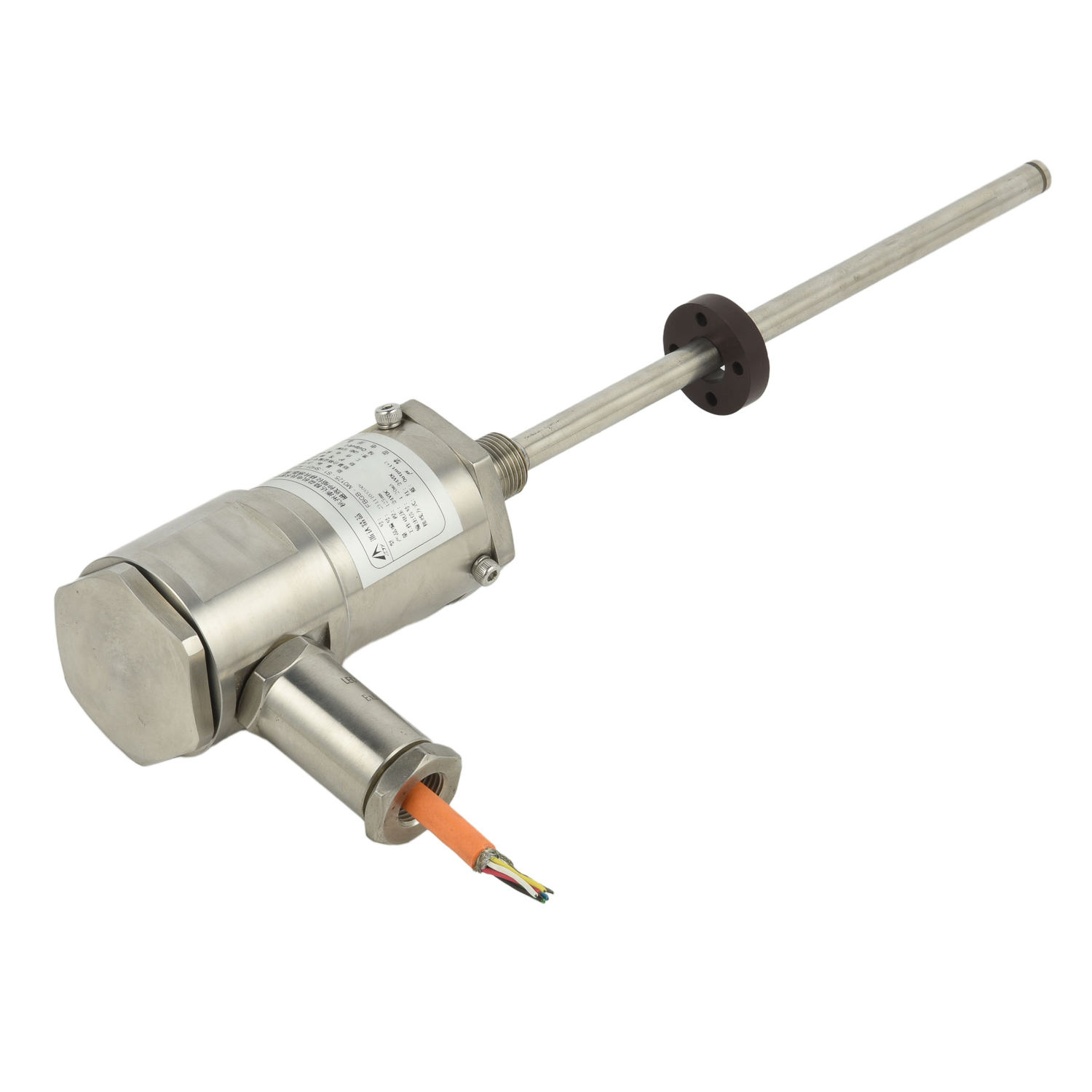
Linear displacement sensors are vital for improving the safety and efficiency of overhead cranes. By continuously measuring the travel position of the trolley, bridge, or hoist, these sensors provide real-time feedback to the crane control system. This feedback supports accurate positioning, smooth acceleration and deceleration, and reliable anti-sway control, helping operators place loads with greater precision. In industrial environments, overhead cranes often face dust, vibration, temperature changes, and electromagnetic interference. A well-selected linear displacement sensor should offer robust construction, high repeatability, and stable output signals. Common options include draw-wire sensors, magnetostrictive sensors, and linear encoders, each suited to different stroke lengths and mounting conditions. Proper installation is essential: the sensor must be aligned with the moving axis, protected from impact, and connected using shielded cables to reduce signal noise. Regular inspection and calibration also help maintain long-term accuracy. For reliable results, match the sensor's measuring range, output interface, and IP rating to the crane's duty cycle and site conditions. When integrated correctly, a linear displacement sensor can reduce load swing, shorten cycle times, prevent collision risks, and support predictive maintenance. For modern overhead crane systems, choosing the right sensor is a practical investment in safer lifting, higher productivity, and lower operating costs.
 Linear Displacement Sensor for
 Linear Displacement Sensor for
 Linear Displacement Sensor for