
Magnetostrictive Level Gauge for Mining
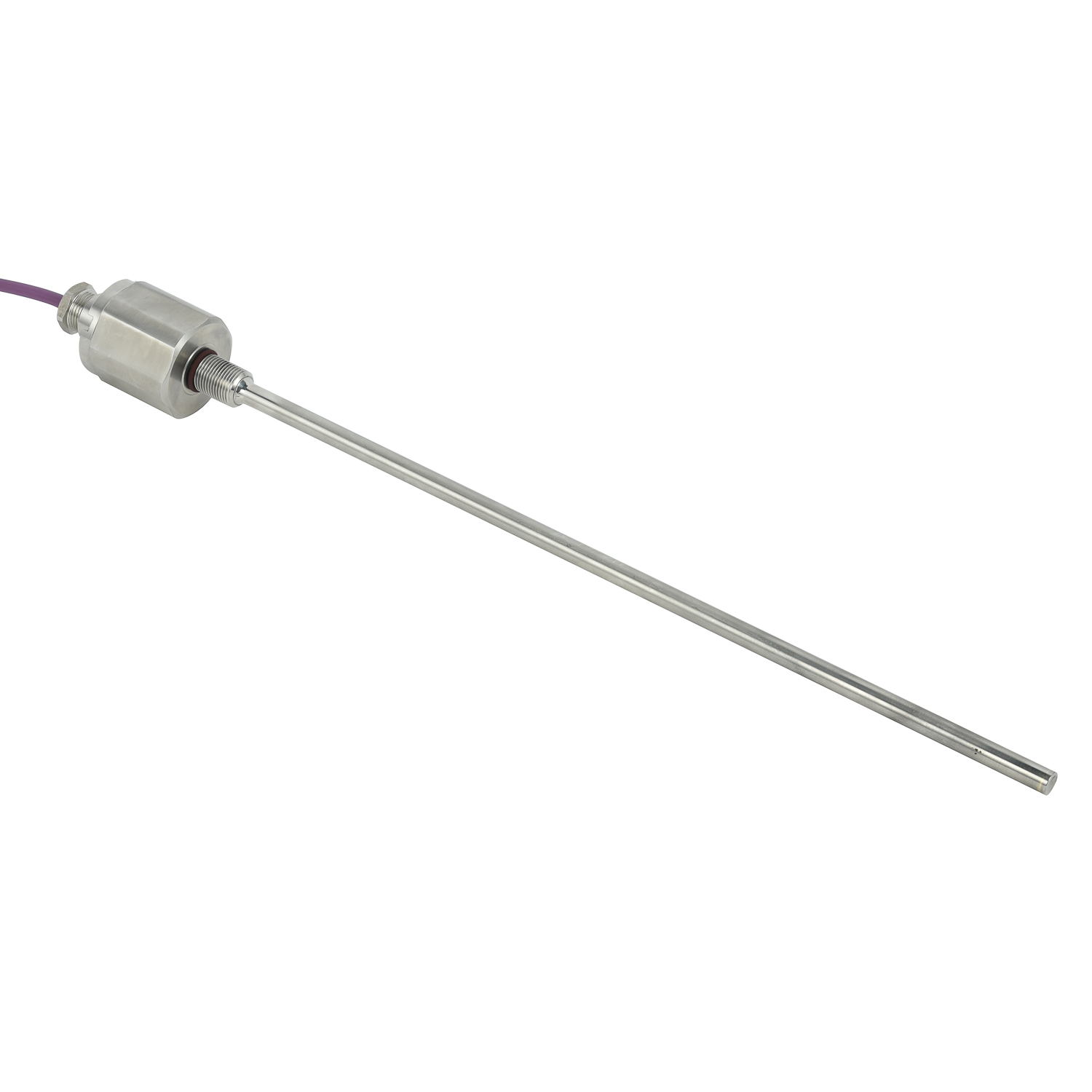
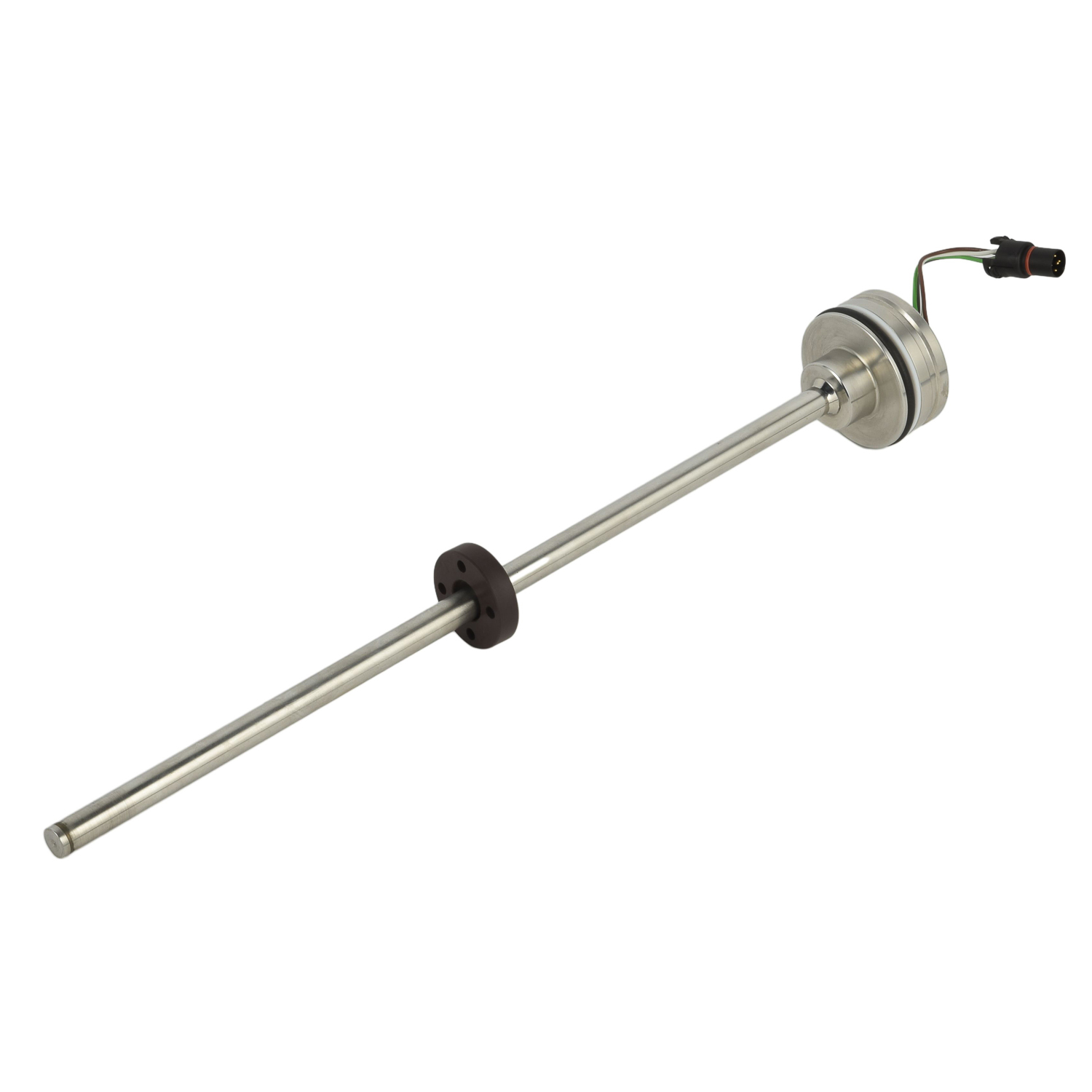
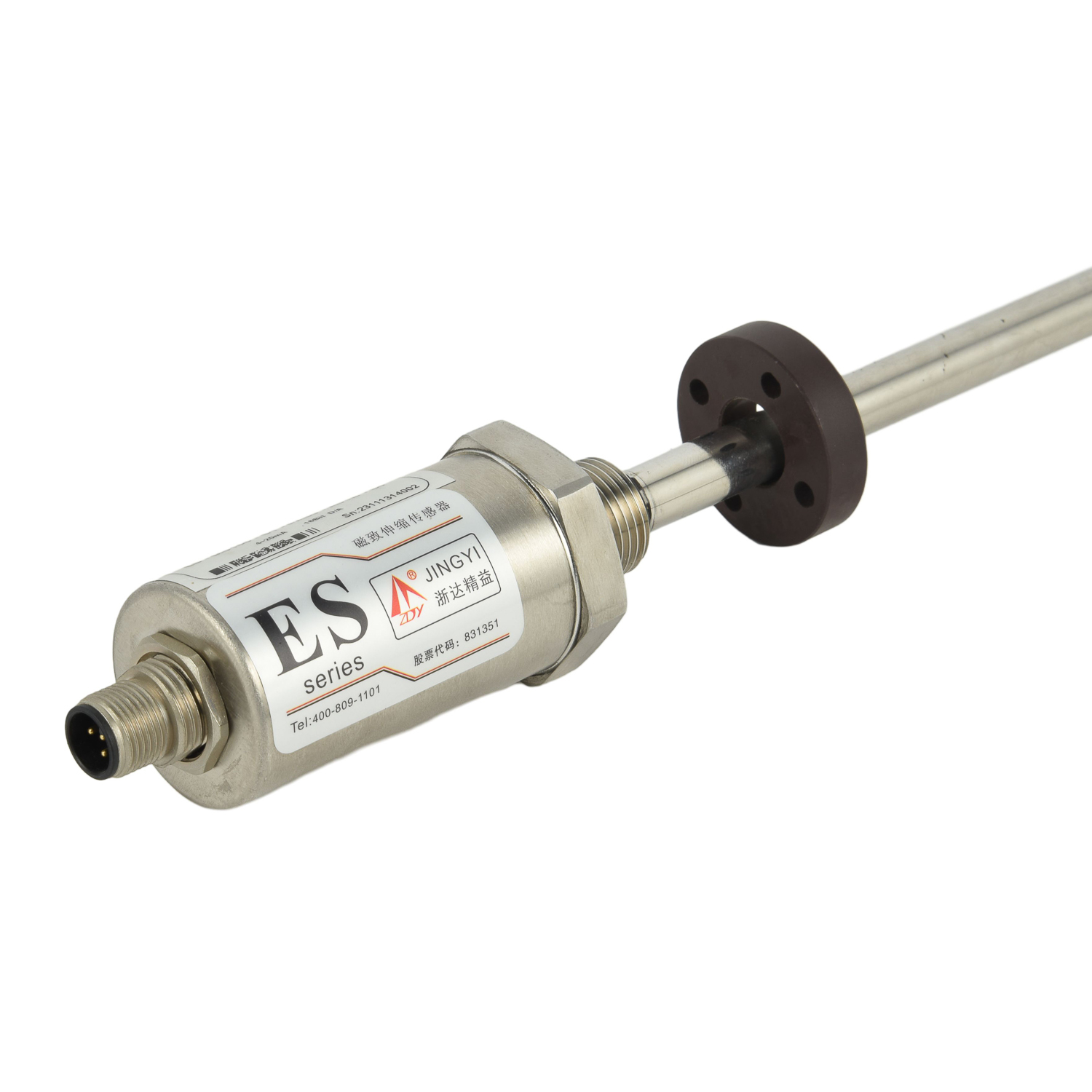
Mining operations demand reliable level measurement in harsh environments where dust, vibration, pressure, and temperature extremes are common. A magnetostrictive level gauge is an excellent choice for mining applications because it provides continuous, high-accuracy measurement of liquids and slurries. The gauge uses a magnetostrictive waveguide and a float with a permanent magnet. When the float moves with the liquid level, the magnetic field interacts with the waveguide, generating a torsional pulse. The transit time of this pulse is converted into a precise level reading.
In mining, these gauges monitor fuel tanks, hydraulic reservoirs, process water, sumps, and chemical storage. Their non-contact sensing principle avoids wear from mechanical linkages, reducing maintenance in remote or difficult-to-access sites. Stainless steel or rugged housings protect against dust, moisture, and corrosion. Explosion-proof and high-temperature versions support underground and surface operations. Accurate level data improves safety, prevents overflows, supports inventory control, and keeps equipment running.
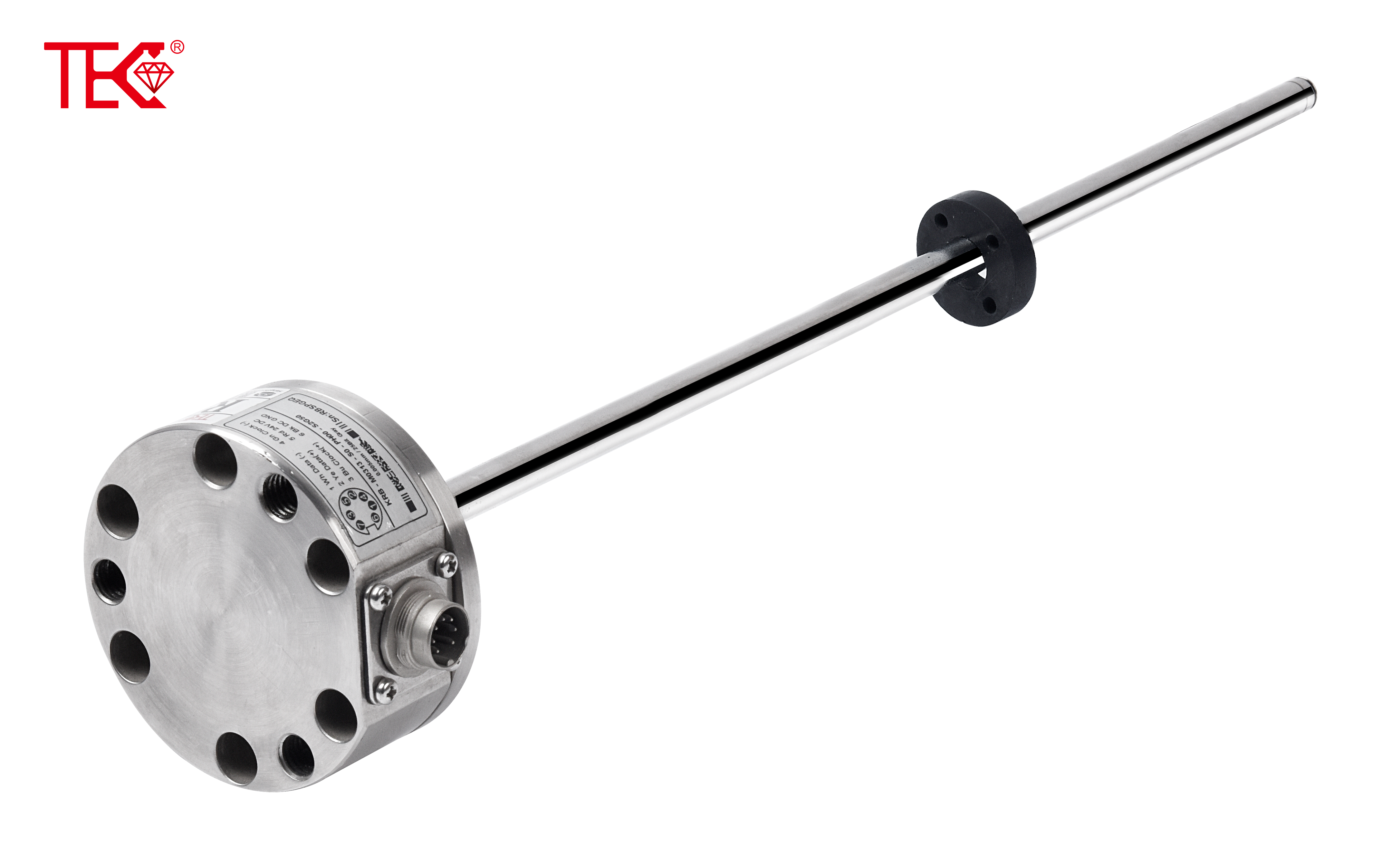
When selecting a magnetostrictive level gauge for mining, consider probe length, pressure rating, output signal, material compatibility, and certification. Proper installation and regular calibration ensure stable performance. With durable design and precise output, magnetostrictive level gauges help mining plants achieve safer, more efficient level monitoring.
 Linear Displacement Sensor for
 Linear Displacement Sensor for
 Linear Displacement Sensor for
 Linear Displacement Sensor for