
Waterproof Radar Sensor
Waterproof radar sensors are designed to detect motion, distance, and presence in wet, dusty, or outdoor conditions. Unlike standard sensors, they use sealed housings and protected electronics to resist rain, splashes, humidity, and dust. This makes them ideal for smart cities, security systems, automatic doors, parking lots, and industrial automation. A waterproof radar sensor works by transmitting radio waves and analyzing reflected signals. Because radar does not rely on visible light, it performs well in darkness, fog, rain, and snow. Waterproofing usually involves IP65, IP67, or IP68-rated enclosures, sealed connectors, and corrosion-resistant materials. These features help maintain stable performance when weather changes. When choosing a waterproof radar sensor, consider detection range, field of view, frequency, power consumption, output interface, and installation method. Higher frequency models offer better resolution but shorter range. Lower frequency models penetrate obstacles more effectively. You should also check operating temperature, voltage, and protection rating. Installation matters. Mount the sensor securely, avoid metal obstacles, and angle it correctly for the target area. Regular cleaning can prevent dirt or ice from blocking the radar surface. With the right model and setup, a waterproof radar sensor provides long-term, low-maintenance detection for indoor and outdoor use. This technology improves safety, energy efficiency, and automation. It is reliable.
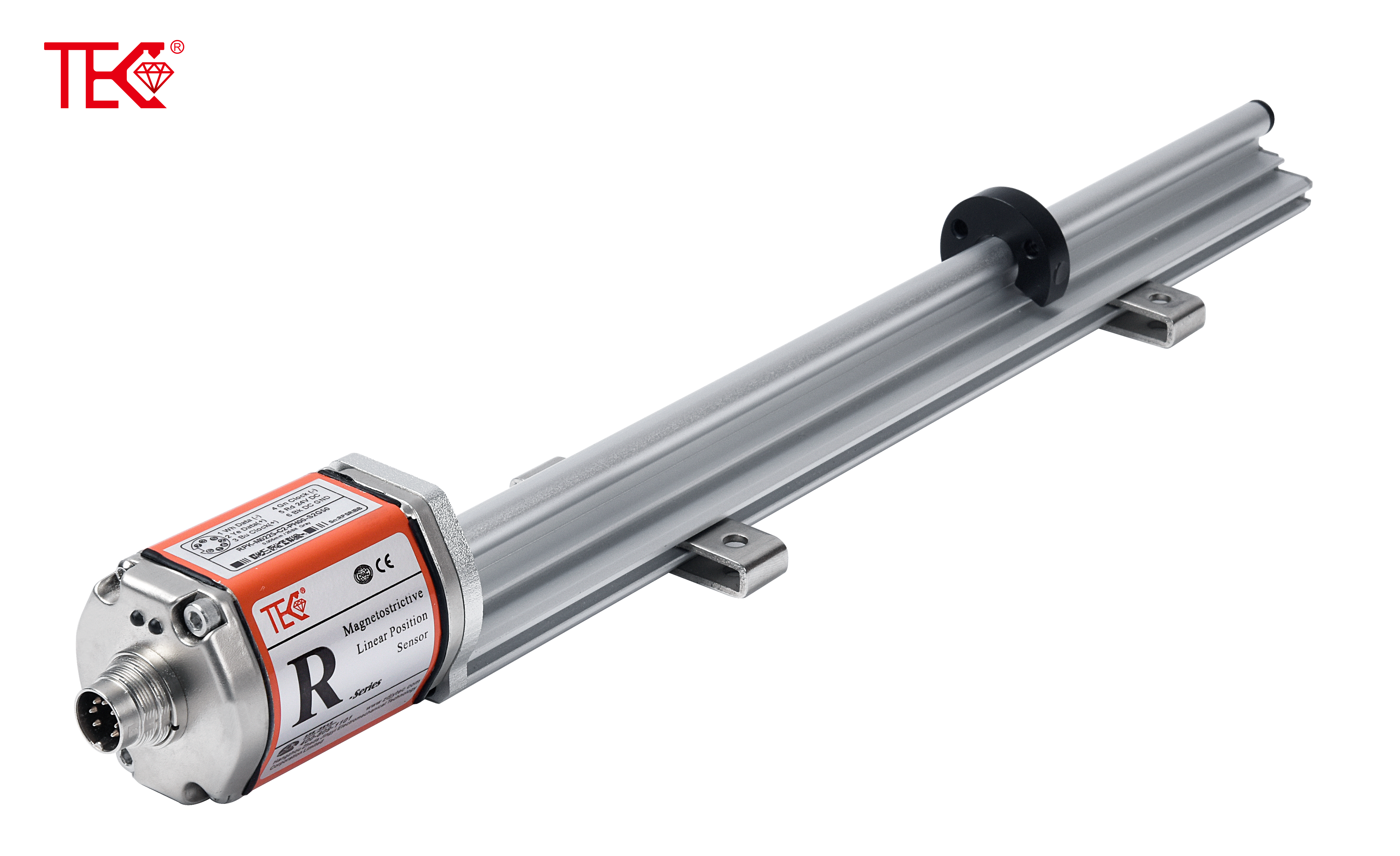
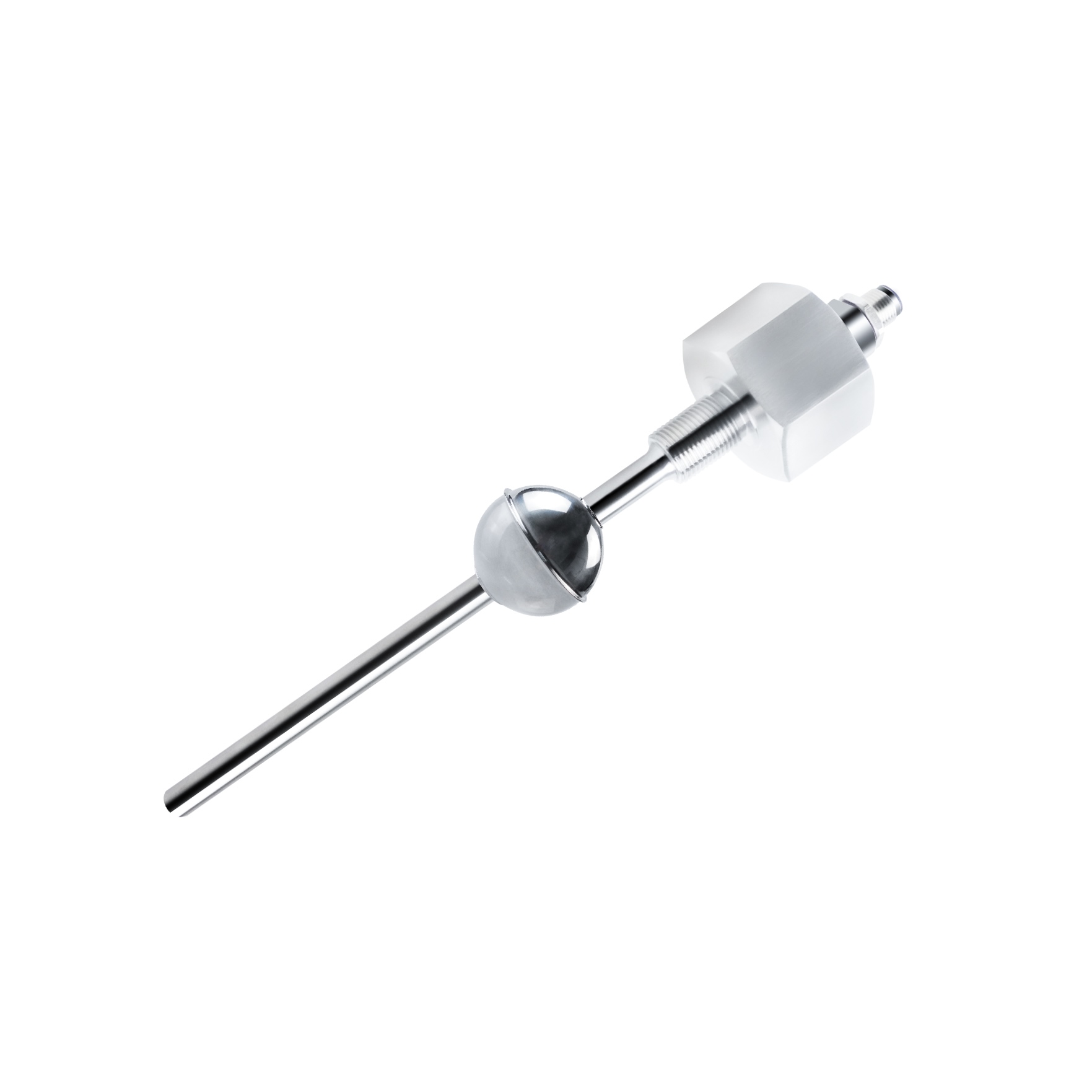 Import Substitute Radar Sensor
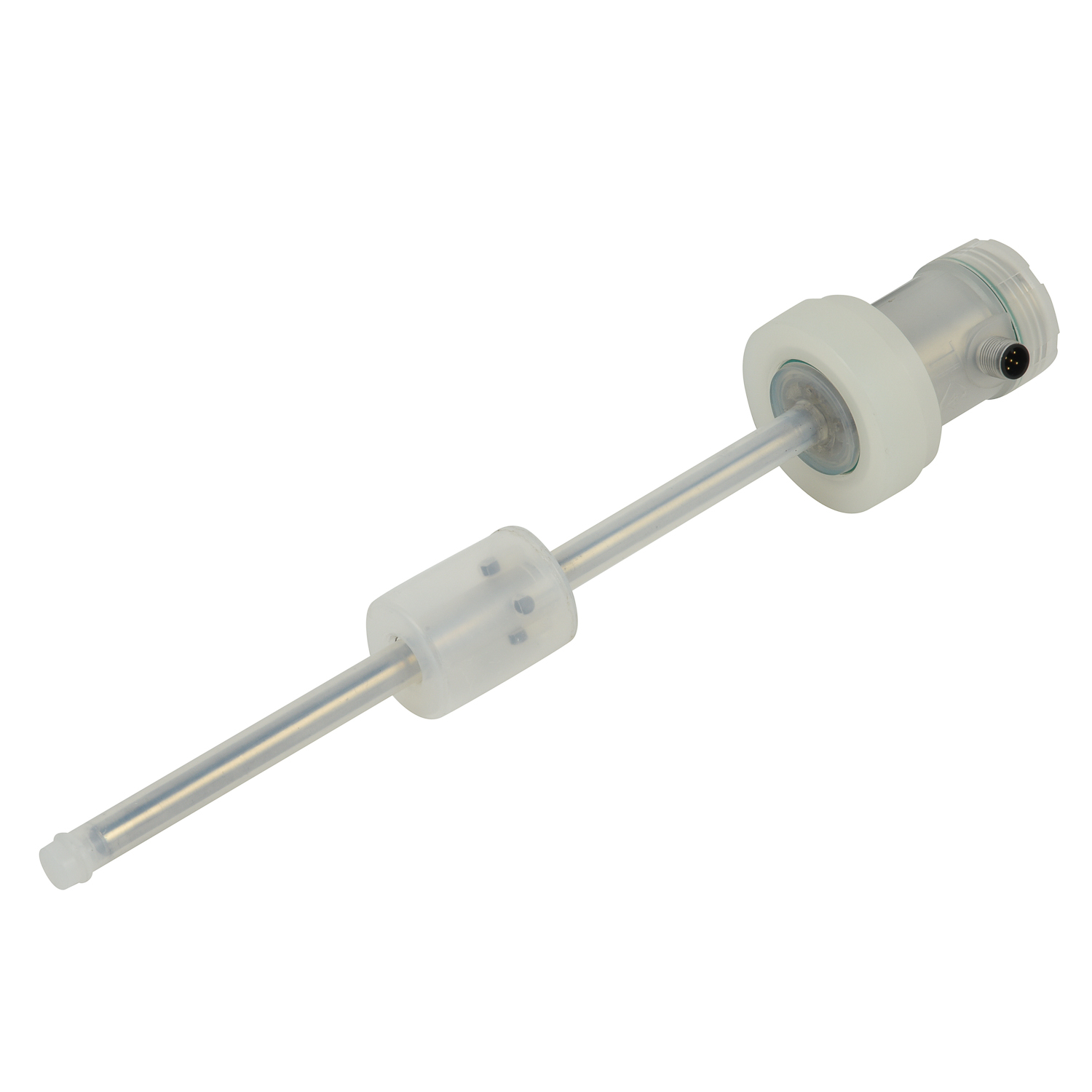 Installation Method of Radar S
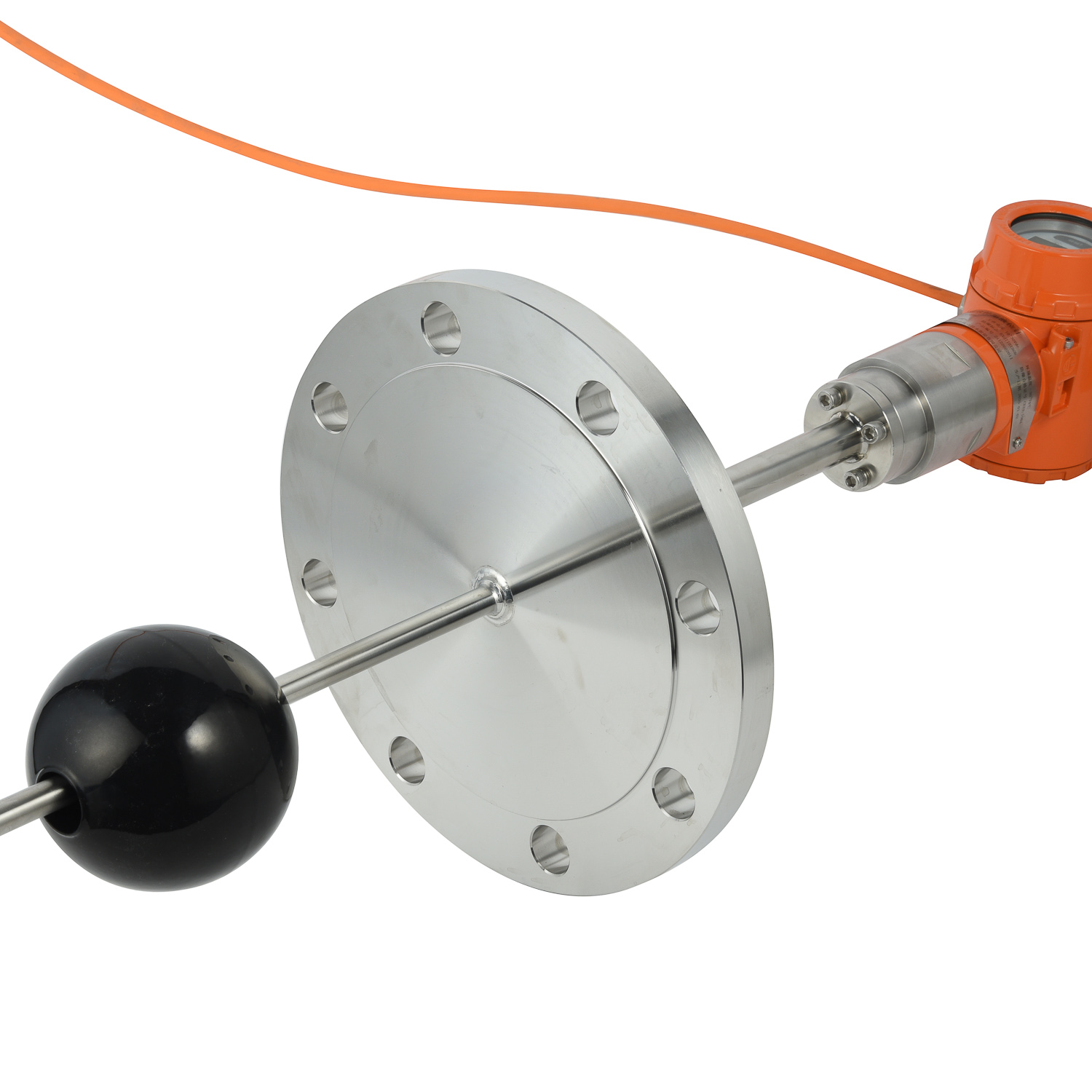 Working Principle of Radar Sen
 Technical Parameters of Radar