
High-temperature Radar Sensor
High-temperature radar sensors operate reliably where conventional sensors fail. They use electromagnetic waves to detect distance, level, or presence without touching the target, resisting dust, steam, flames, and corrosive gases. Sealed, heat-resistant housings and advanced signal processing support stable performance in furnaces, kilns, boilers, and molten-metal applications.
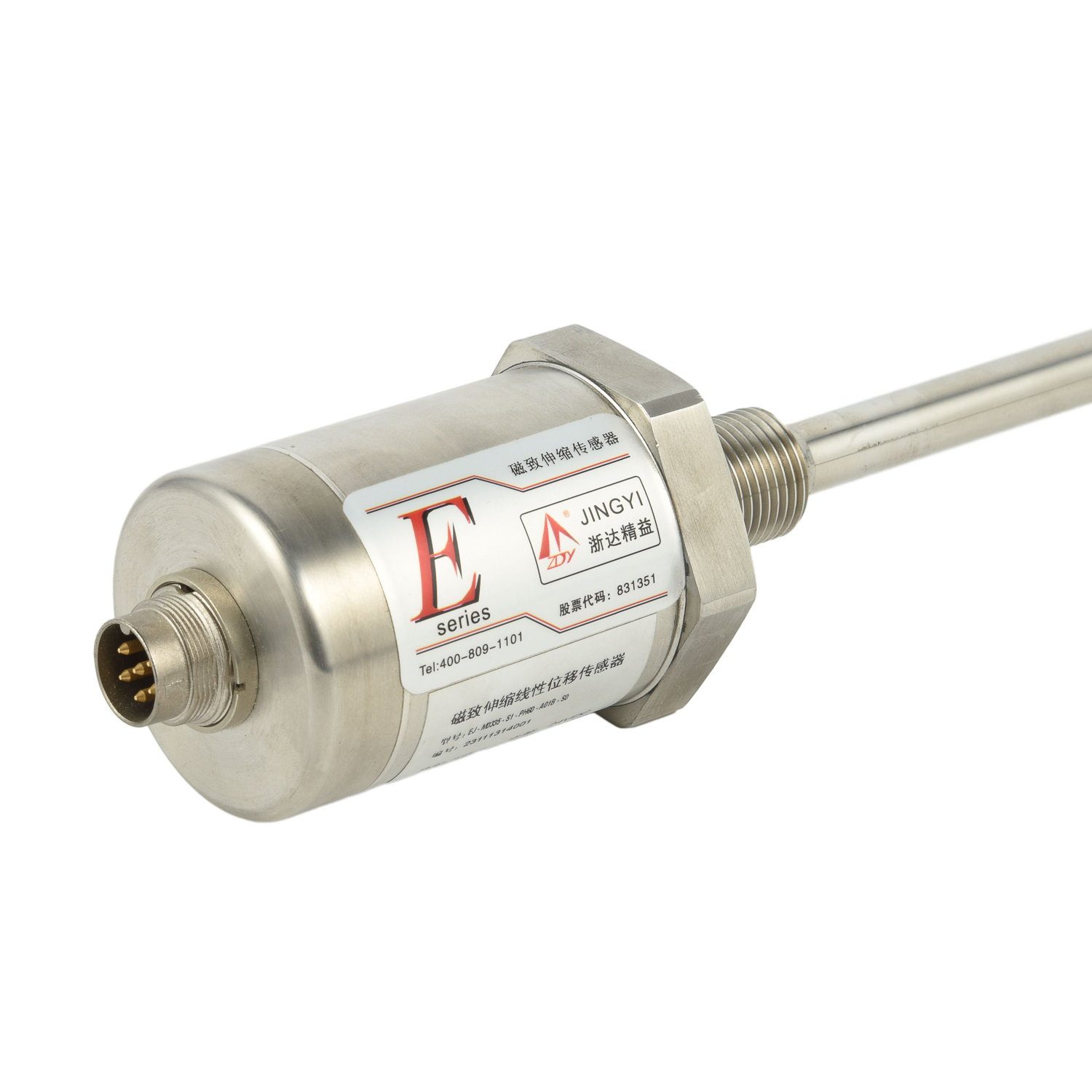
The main advantage is non-contact measurement. Because the sensor never touches the hot material, it avoids wear, contamination, and thermal damage. It can measure liquid metal, cement clinker, ash, or chemical materials through intense heat. The sensor sends microwave pulses and analyzes returning echoes. Time-of-flight calculations convert echo delay into accurate distance or level data.
Engineers choose these sensors for safety and efficiency. In steel plants, they monitor ladle levels and blast furnace charging. In cement production, they track clinker and raw meal silos. In power generation, they help control boiler ash and coal handling. Continuous readings reduce manual inspection, prevent overflow or dry-run events, and improve process control.
Installation matters. Consider process temperature, pressure, mounting angle, antenna material, and cooling options. Air purging, ceramic windows, or waveguides can protect the sensor from direct heat. Proper configuration ensures a strong echo and minimizes false signals from stirrers, ladders, or condensation. Proper setup delivers reliable performance.
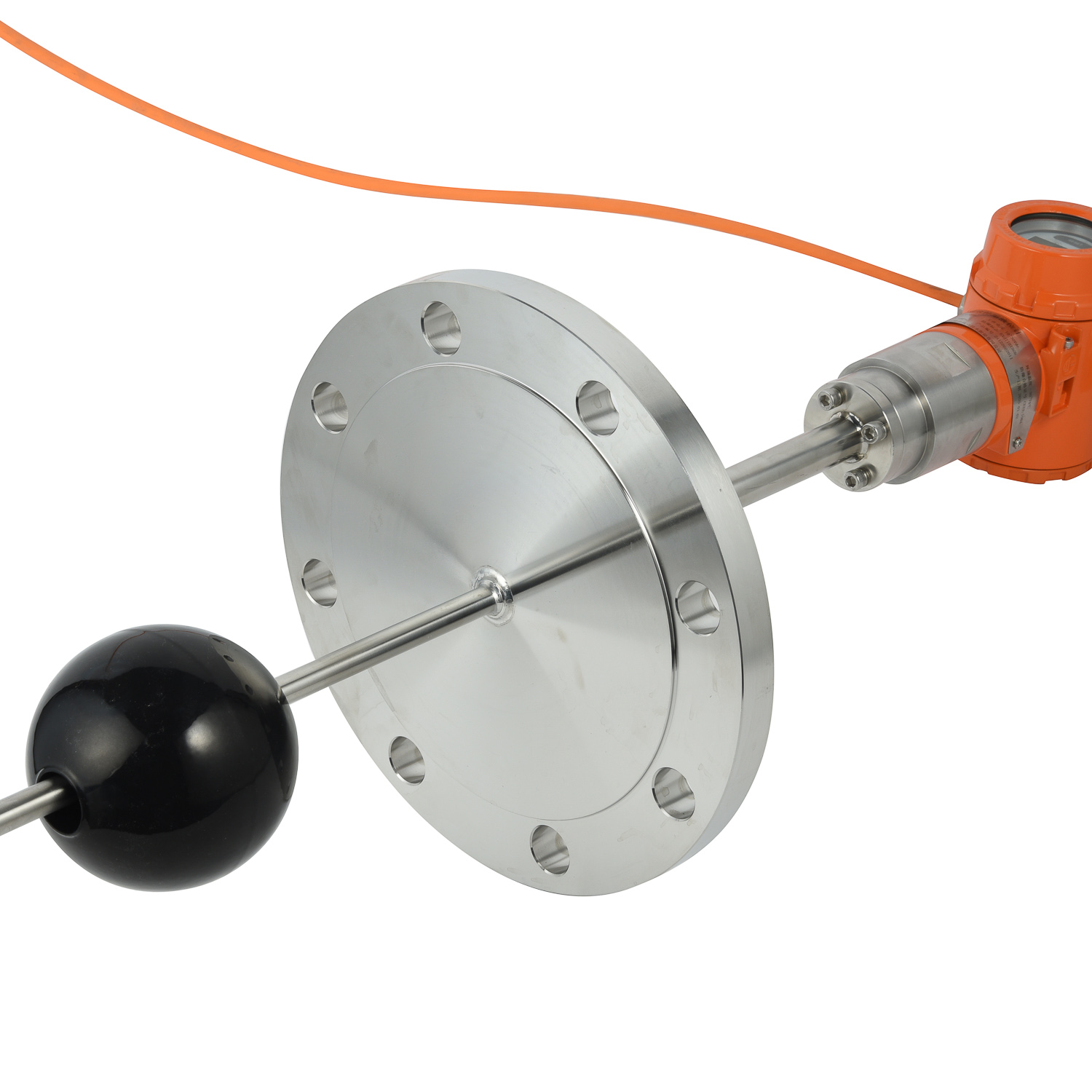 Working Principle of Radar Sen
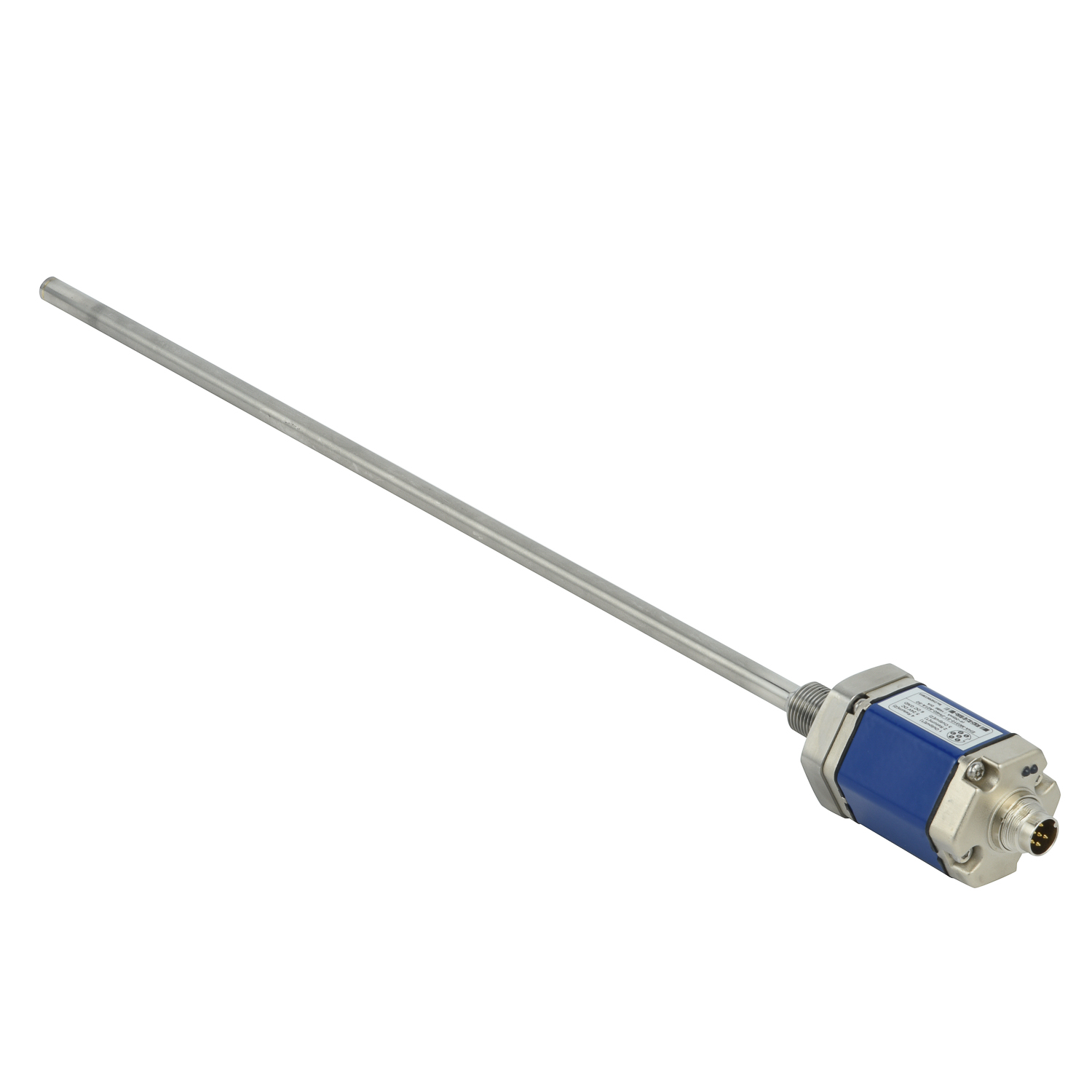 Technical Parameters of Radar
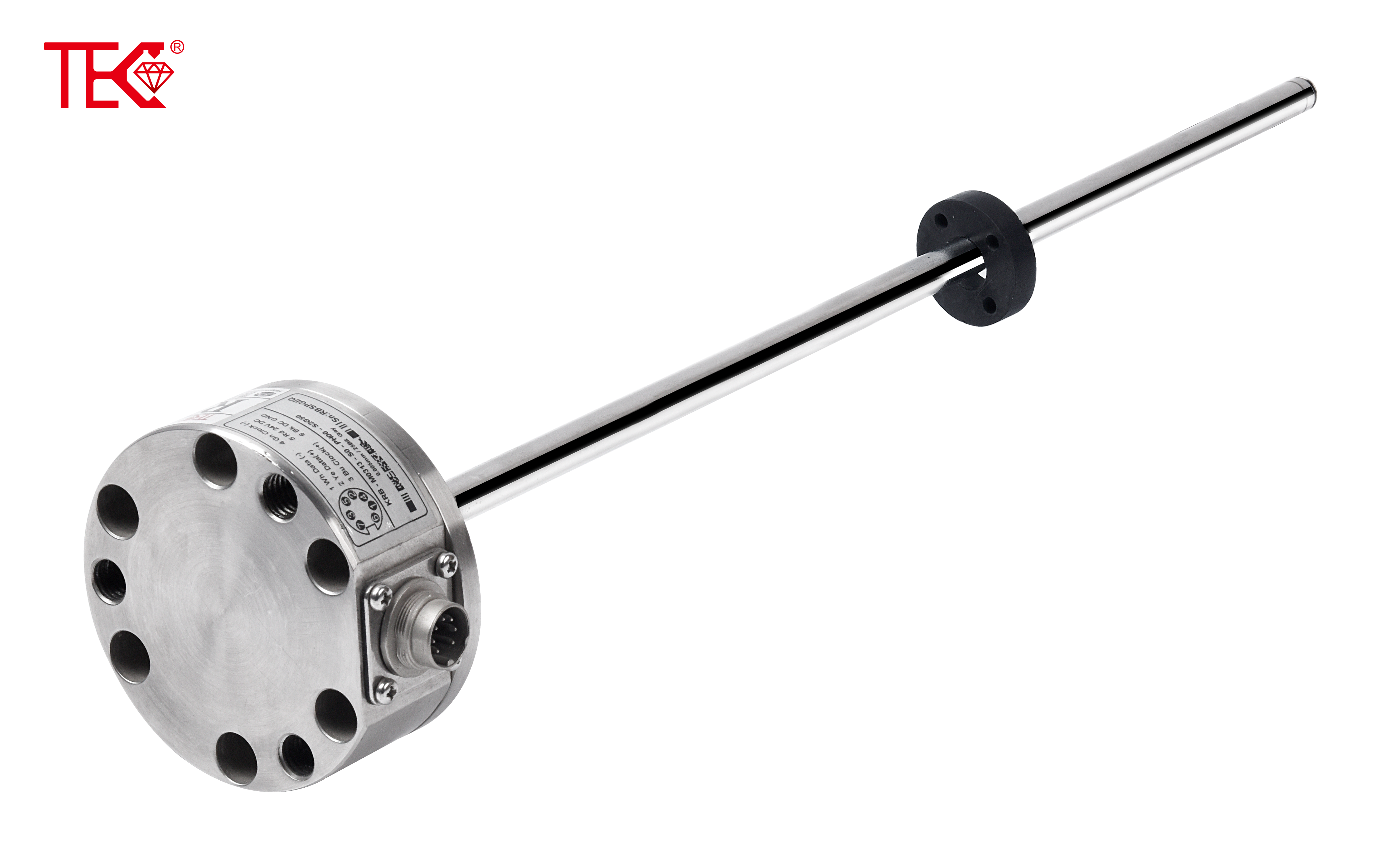 How Much is Radar Sensor
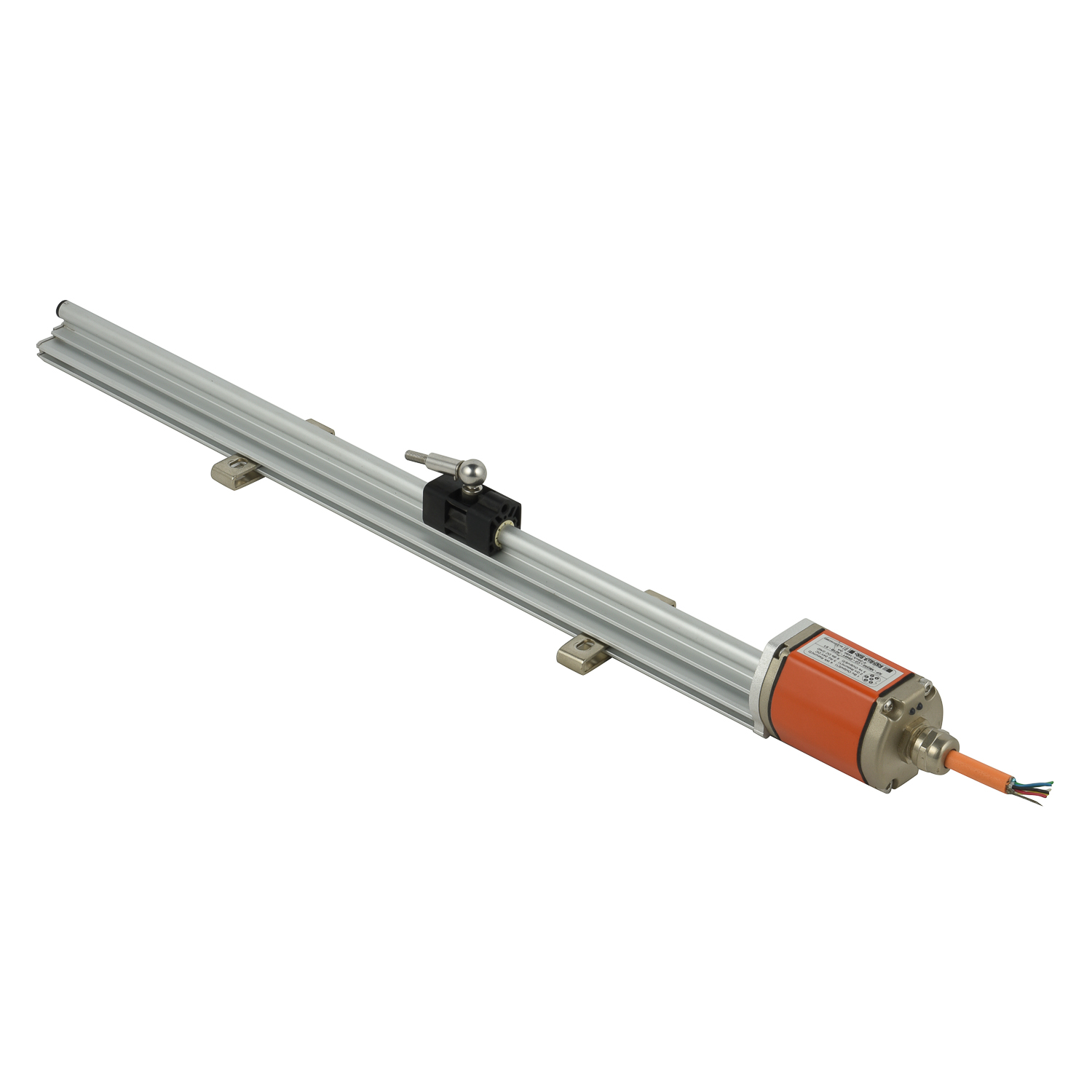 Radar Sensor Price