
Working Principle of Radar Sensor
Radar sensors use radio waves to detect objects and measure distance, speed, and angle. A transmitter generates a high-frequency signal, usually in the microwave or millimeter-wave band. An antenna radiates this signal into space. When the wave hits an object, part of its energy reflects back. The same or a separate antenna receives the weak echo. By measuring the time between transmission and reception, the sensor calculates range: distance equals speed of light multiplied by time delay divided by two. Continuous-wave radar often uses the Doppler effect. The frequency of the reflected wave shifts when the object moves. This shift reveals relative velocity. Frequency-modulated continuous-wave (FMCW) radar is common in automotive and industrial sensors. It sweeps the transmit frequency up and down. The delay creates a beat frequency, which gives distance, while Doppler shift gives speed. Multiple antennas can compare phase differences to estimate direction. Signal processing filters noise, removes clutter, and tracks targets. Radar works in darkness, fog, rain, and dust, making it valuable for autonomous vehicles, traffic monitoring, drones, robotics, and security. Its core principle is simple: send a wave, listen for the echo, and translate the echo into reliable data. Unlike cameras, radar does not depend on visible light. In short, radar converts reflected radio energy into precise measurements for safe navigation, collision avoidance, and object tracking. It supports many smart systems.
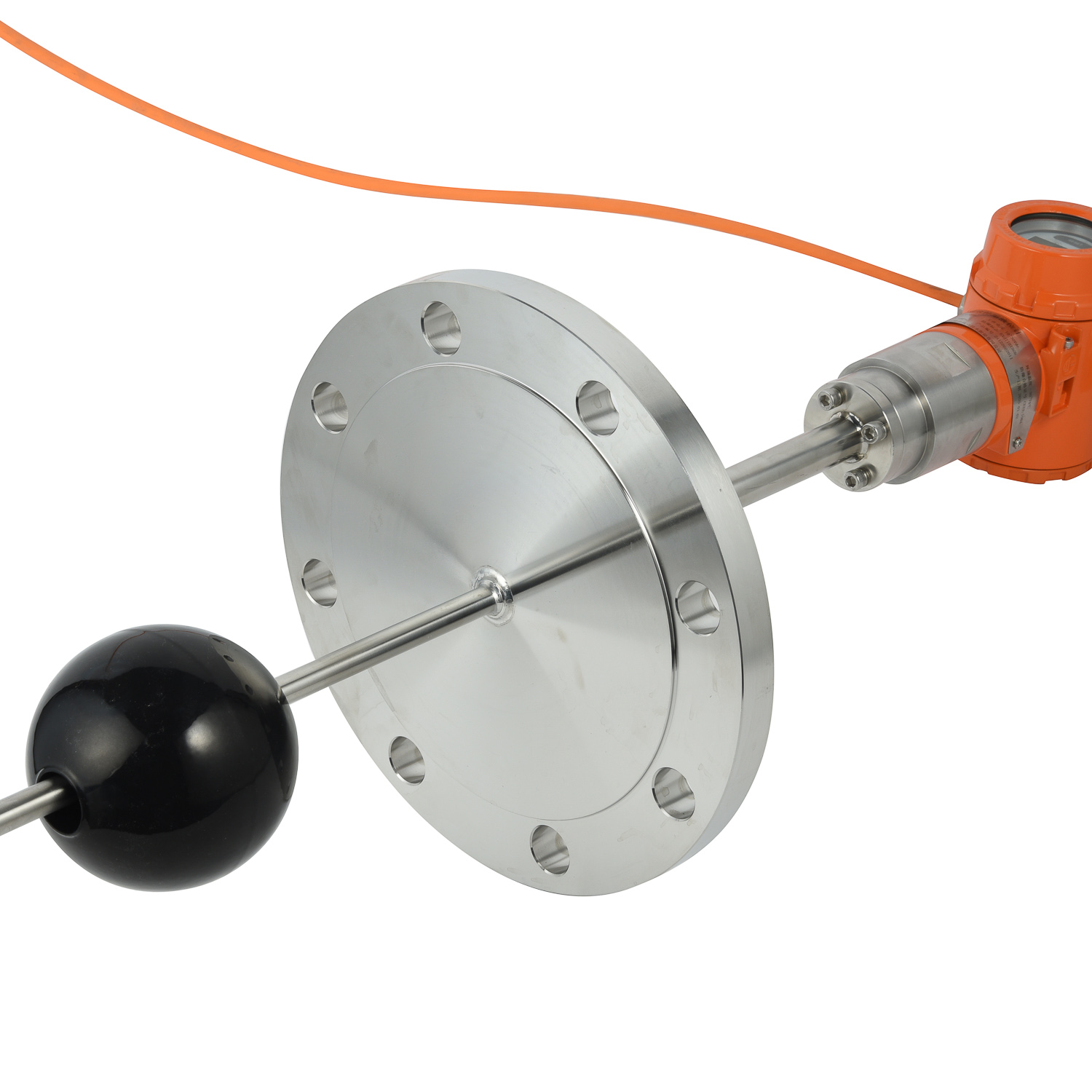
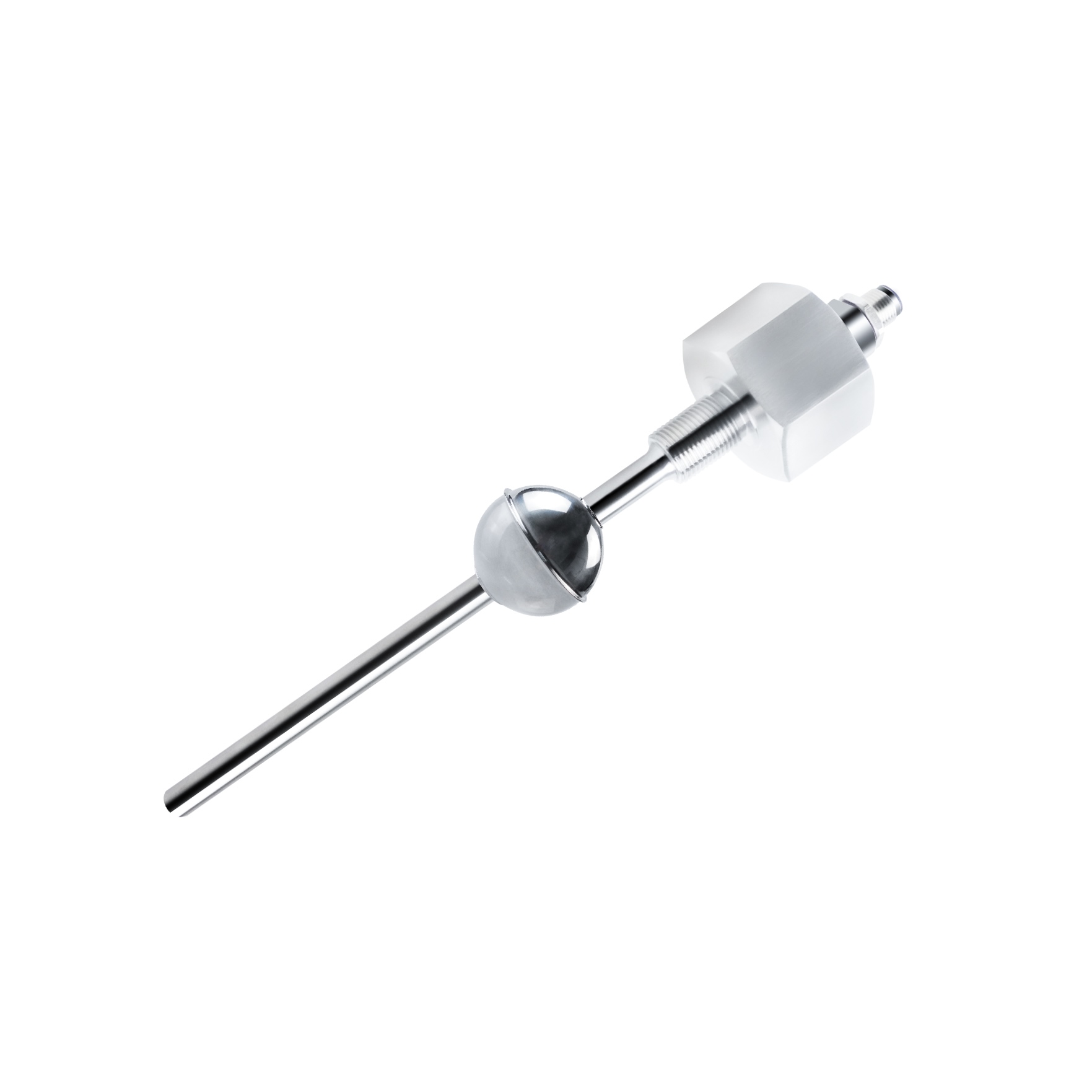 Import Substitute Radar Sensor
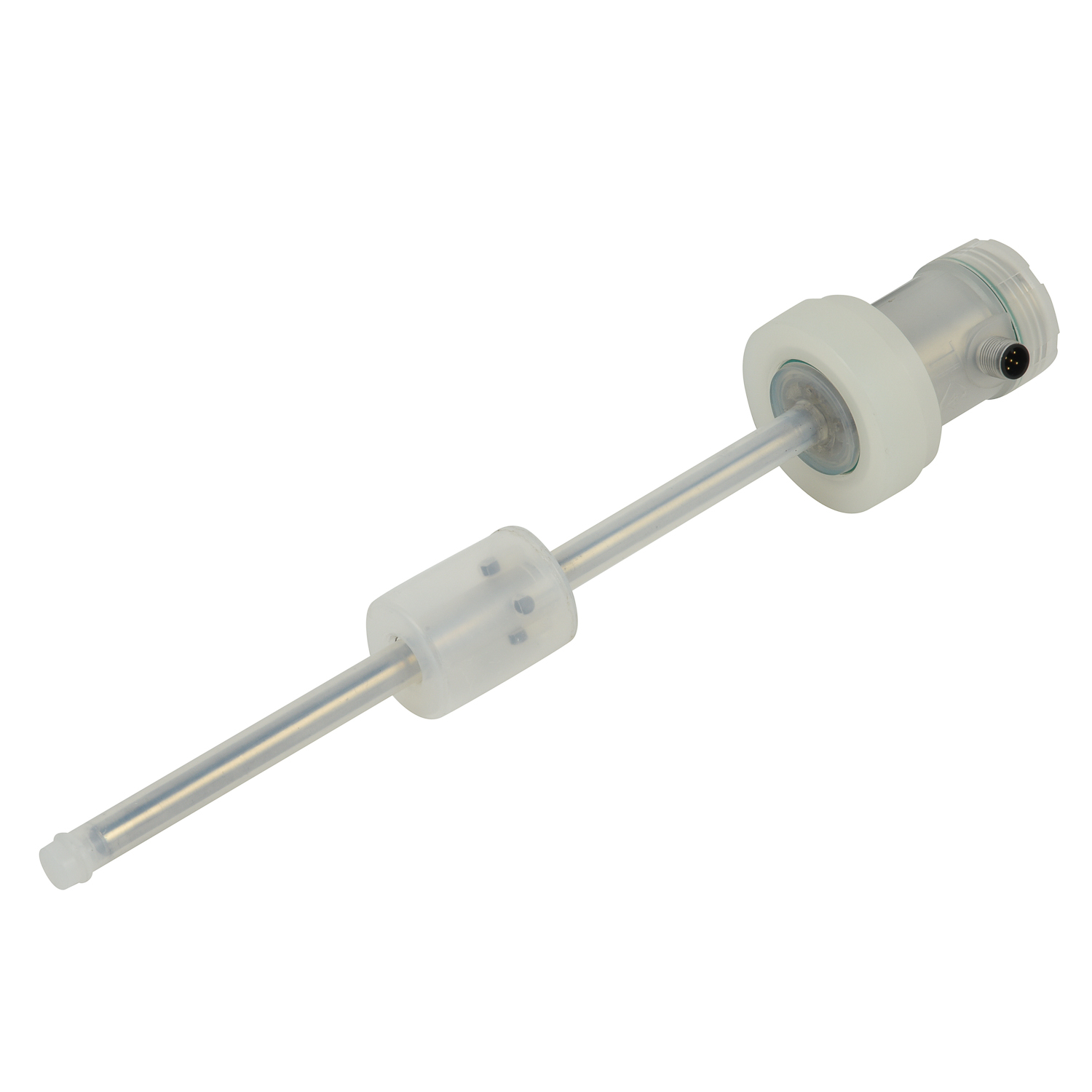 Installation Method of Radar S
Working Principle of Radar Sen
Installation Method of Radar S
Working Principle of Radar Sen
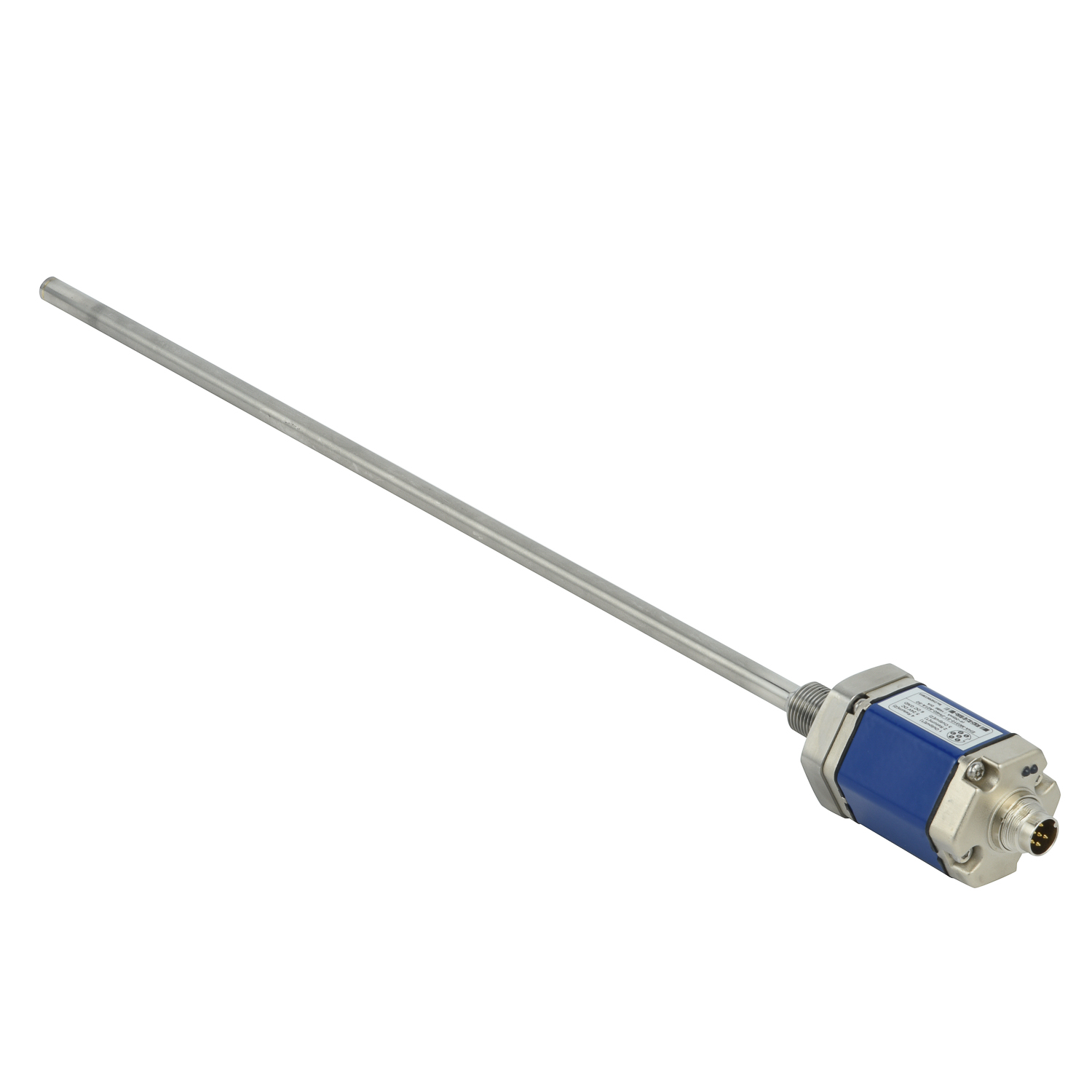 Technical Parameters of Radar