
Import Substitute Radar Sensor
Import substitute radar sensors are becoming a practical choice for manufacturers seeking stable supply, lower costs, and faster support. These sensors use millimeter-wave technology to detect distance, speed, angle, and presence without contact. By replacing overseas models with locally developed alternatives, companies reduce lead times, currency risks, and firmware customization barriers.
Modern domestic radar sensors often match imported products in range, accuracy, response time, and operating temperature. Many support 24 GHz, 60 GHz, 77 GHz, and 79 GHz bands. Common outputs include UART, CAN, RS485, GPIO, and Ethernet. Rugged designs provide IP67 or IP69K protection. They serve automotive, industrial, security, and IoT systems.
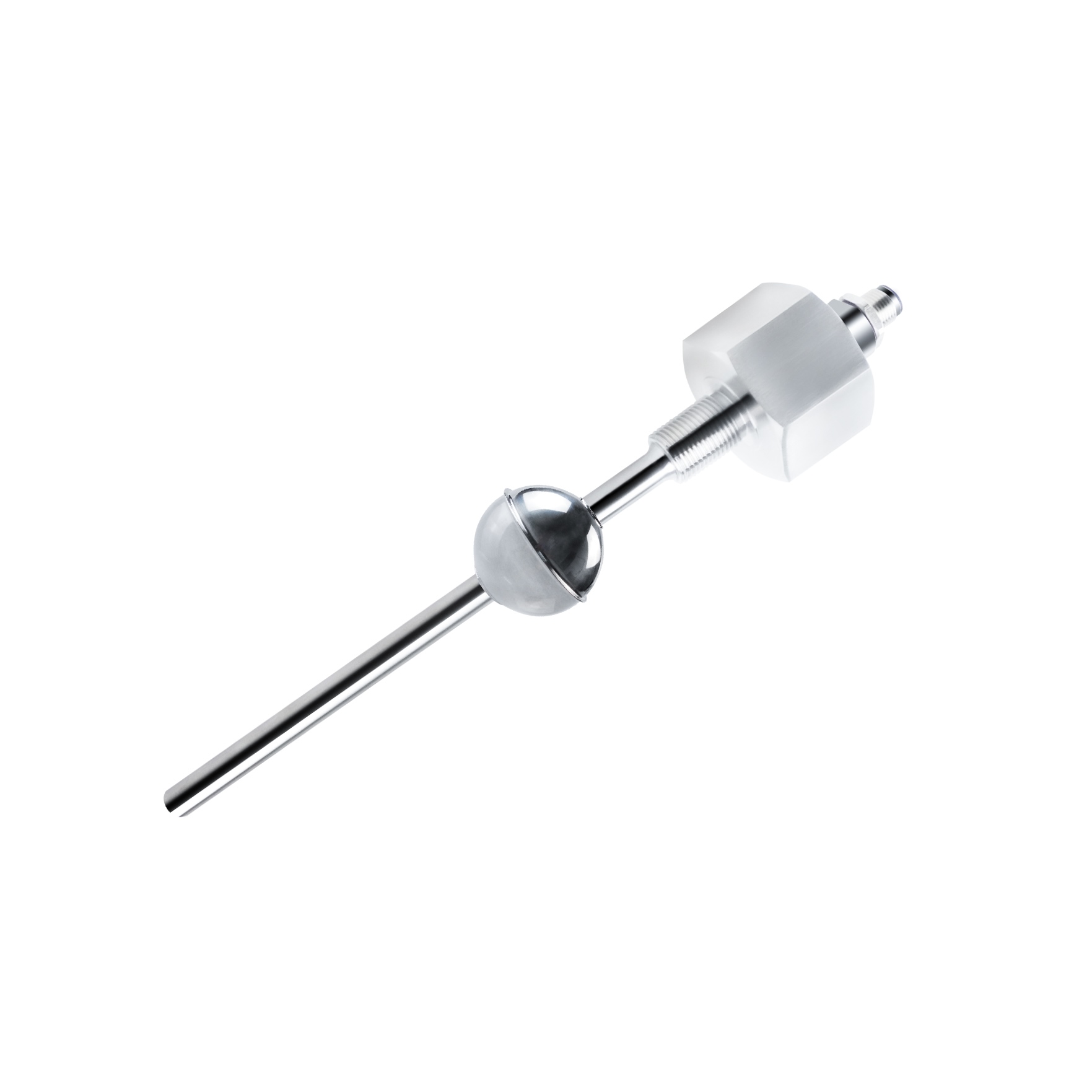
Successful import substitution requires more than a pin-to-pin replacement. Engineers should compare field of view, resolution, latency, power consumption, and anti-interference ability. Software compatibility also matters. A good supplier offers evaluation kits, reference designs, API documentation, and engineering support. Pilot testing helps confirm performance before mass deployment.
Key benefits include shorter delivery cycles, reduced total cost, and stronger supply chain security. Local service teams can respond quickly to customization requests, such as modified detection zones, special algorithms, or brand-specific protocols. For high-volume projects, contract manufacturing and long-term supply agreements improve cost control.
Import Substitute Radar Sensor
 Installation Method of Radar S
 Working Principle of Radar Sen
 Technical Parameters of Radar