
Technical Parameters of Radar Sensor
Radar sensors measure distance, speed, and angle by transmitting electromagnetic waves and analyzing reflections. Performance depends on several technical parameters. Frequency determines wavelength, penetration, and resolution. Common bands include 24 GHz, 60 GHz, and 77 GHz. Higher frequency offers finer resolution but shorter range. Bandwidth is the frequency sweep width; wider bandwidth improves range resolution. For example, 1 GHz bandwidth gives about 15 cm range resolution in air.
Detection range is the maximum reliable target distance, while measurement range is the calibrated operating span. Range accuracy and resolution differ: accuracy shows closeness to true distance; resolution shows ability to separate close targets. Field of view defines angular coverage. Angular resolution depends on antenna aperture and channel count. MIMO antennas improve angular resolution without increasing physical size.
Velocity measurement uses Doppler shift. Velocity range and accuracy depend on carrier frequency, observation time, and processing. Update rate affects tracking latency. Transmit power and antenna gain influence link budget and maximum range, but must meet regulatory limits. RF interface options include CAN, UART, SPI, Ethernet, and analog output. Power supply, current consumption, operating temperature, vibration, and IP rating determine environmental suitability. When selecting a radar sensor, balance range, resolution, accuracy, field of view, update rate, and cost.
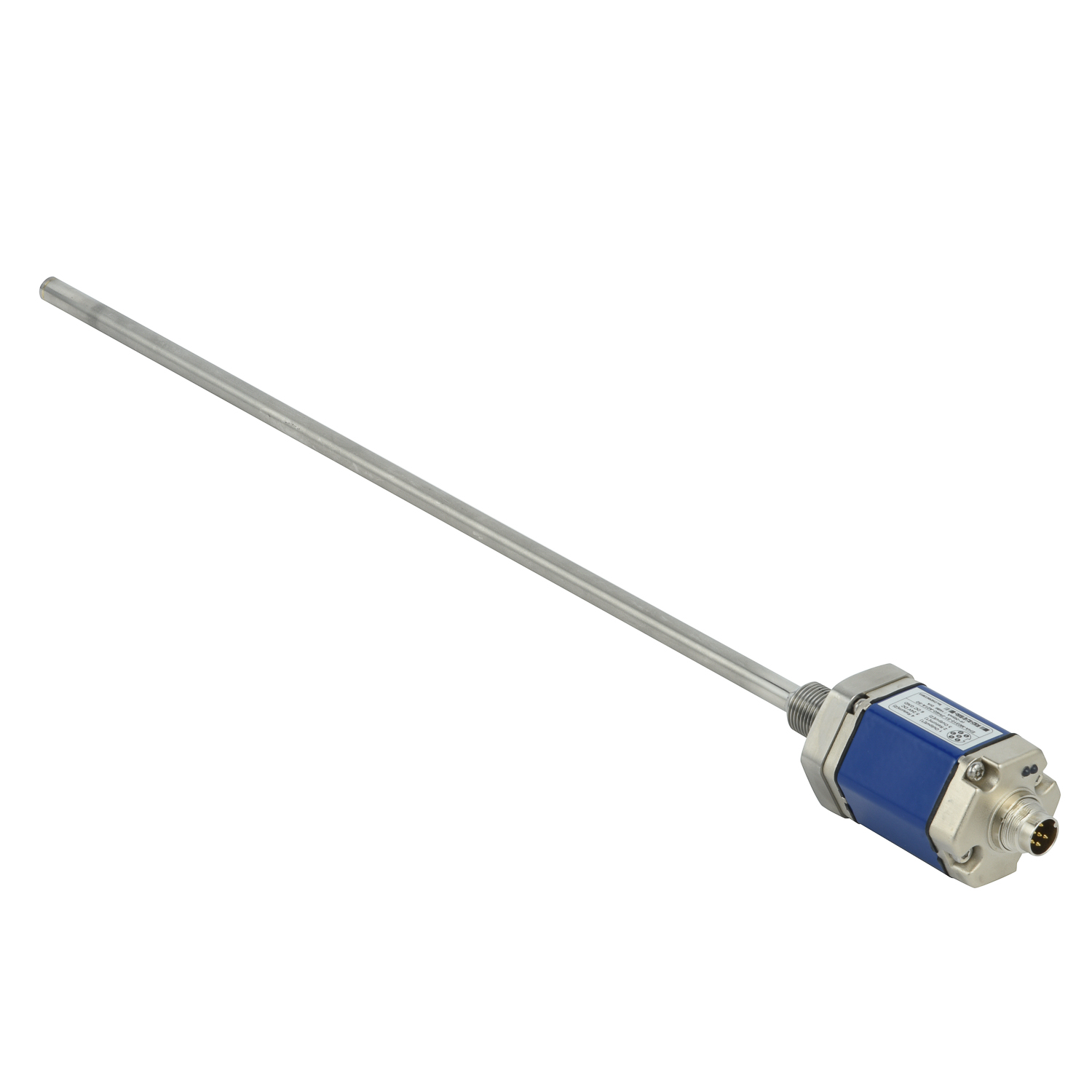 Technical Parameters of Radar
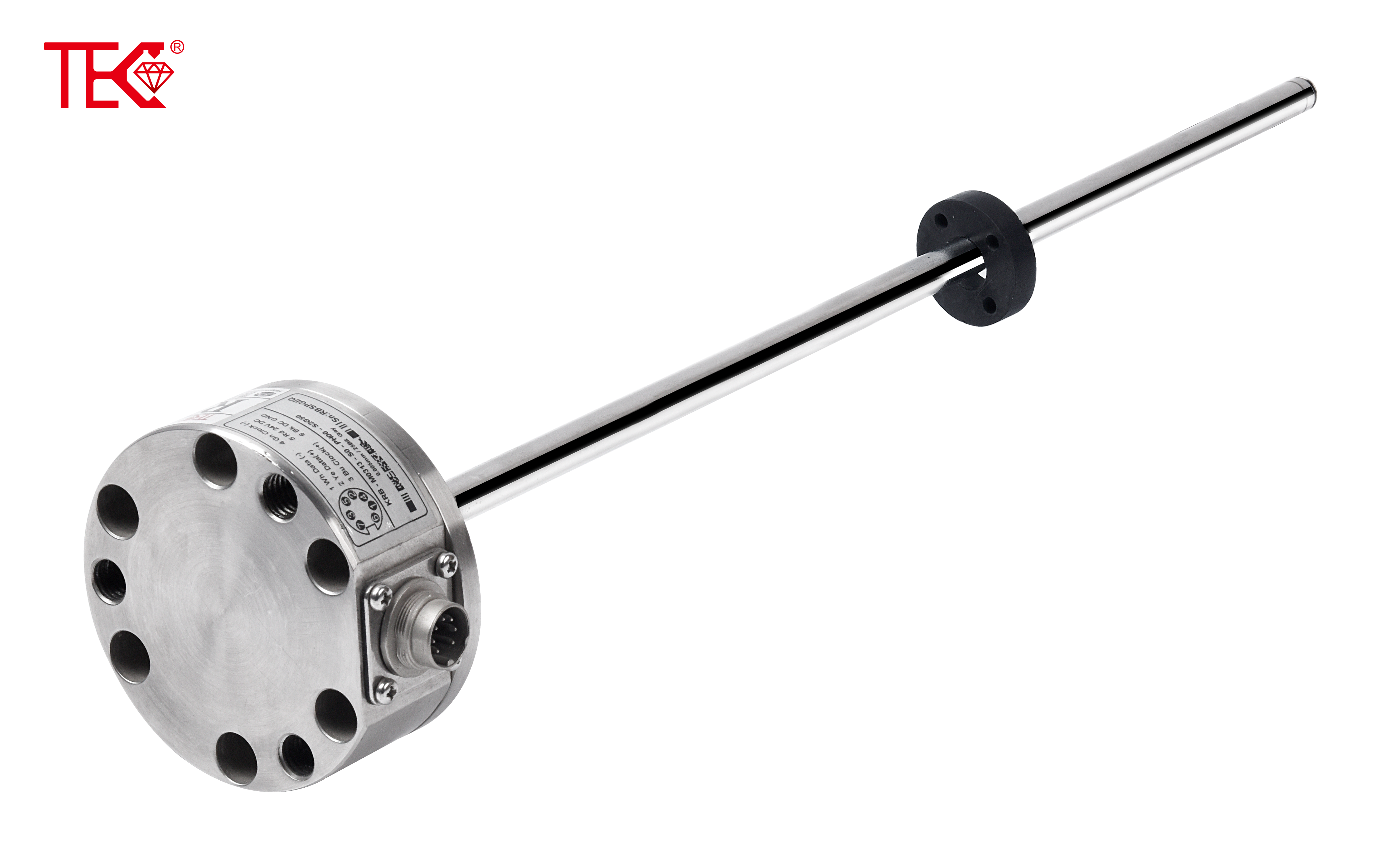 How Much is Radar Sensor
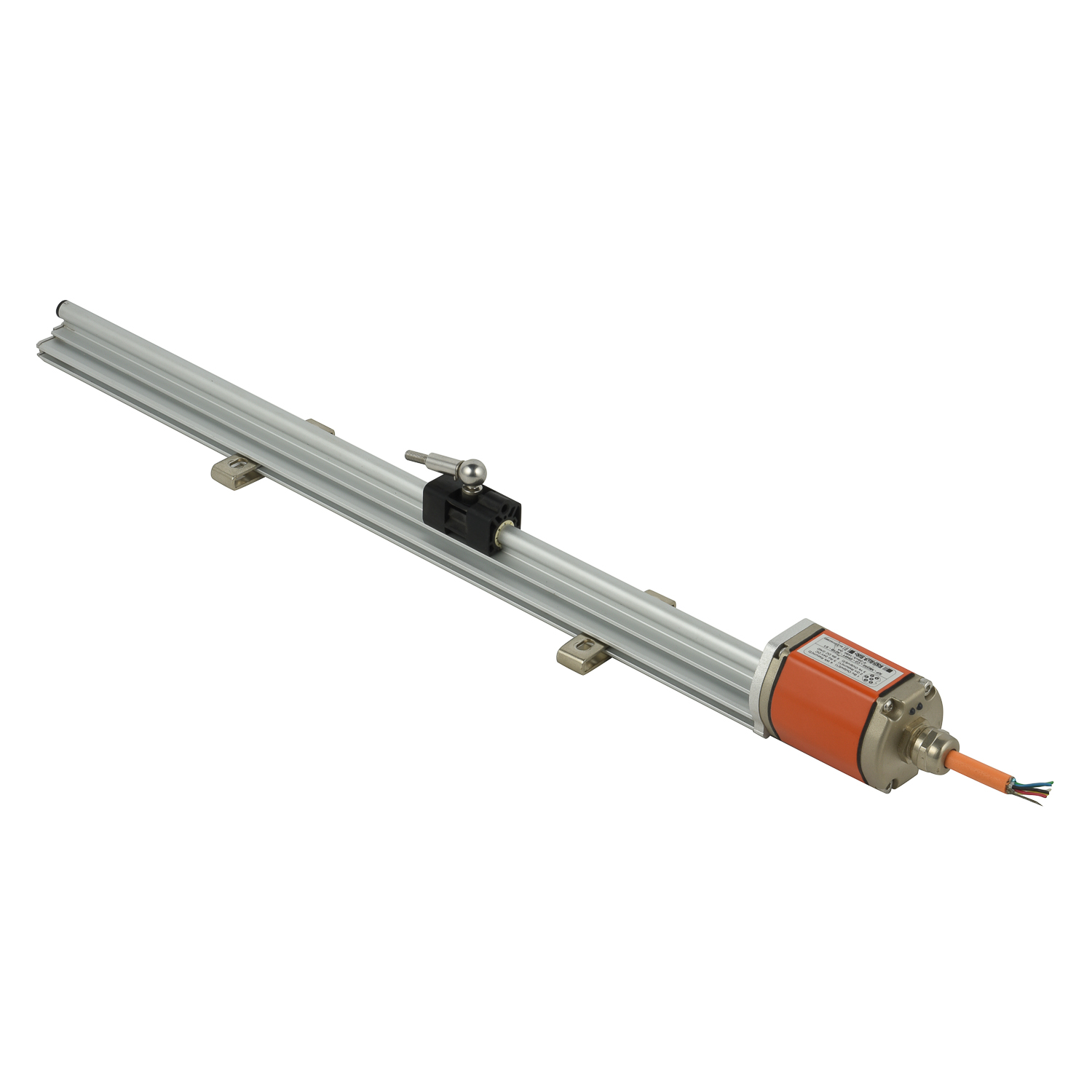 Radar Sensor Price
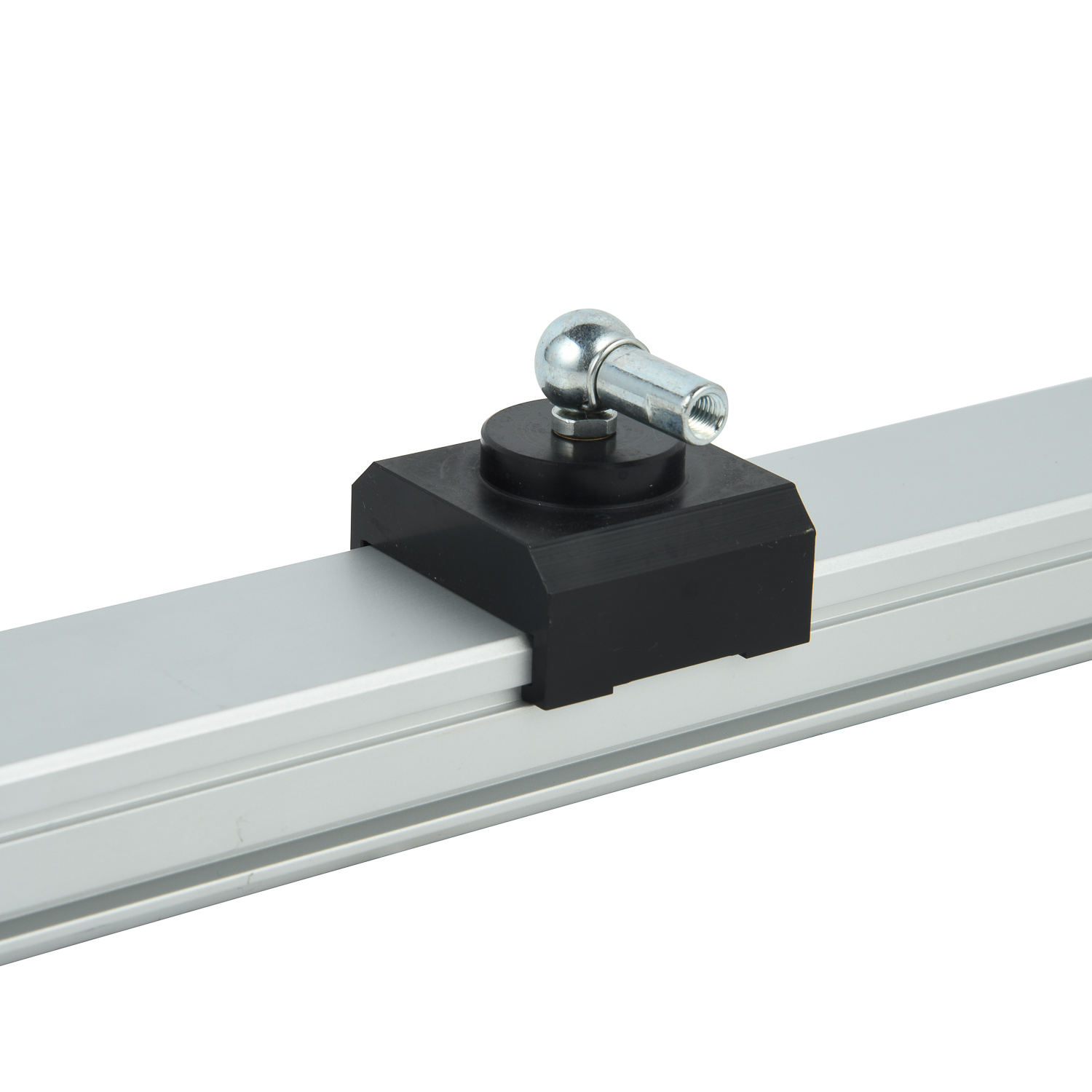 Radar Sensor Selection