
Radar Sensor Selection
Radar sensor selection starts with the application. Define required range, accuracy, resolution, update rate, field of view, and target type. Long-range automotive tracking, short-range gesture sensing, level measurement, and presence detection demand different performance. Start with clear system requirements before comparing models.
Frequency band is the next decision. 24 GHz suits cost-sensitive short- and mid-range uses. 60 GHz offers high resolution for indoor and gesture applications. 77/79 GHz automotive radar provides strong range and resolution for ADAS. Higher frequencies enable smaller antennas and finer resolution, but raise cost and design complexity.
Evaluate field of view, angular resolution, and detection capability. Wide coverage helps monitor lanes or rooms; narrow beams improve long-range accuracy. MIMO and beamforming affect object separation and reliability in dense scenes.
Check environmental and interface requirements. Consider temperature, vibration, weather, EMC, and interference immunity. Match outputs such as CAN, Ethernet, UART, SPI, or analog to your processor, power budget, and software. Also confirm certifications and cybersecurity needs.
Finally, compare size, power, certifications, lifecycle, and vendor support. Prototype with evaluation kits, test in real conditions, and validate false alarm rates. Use a scoring matrix to rank candidates objectively. The best radar sensor meets application targets, integrates smoothly, and stays dependable over time.
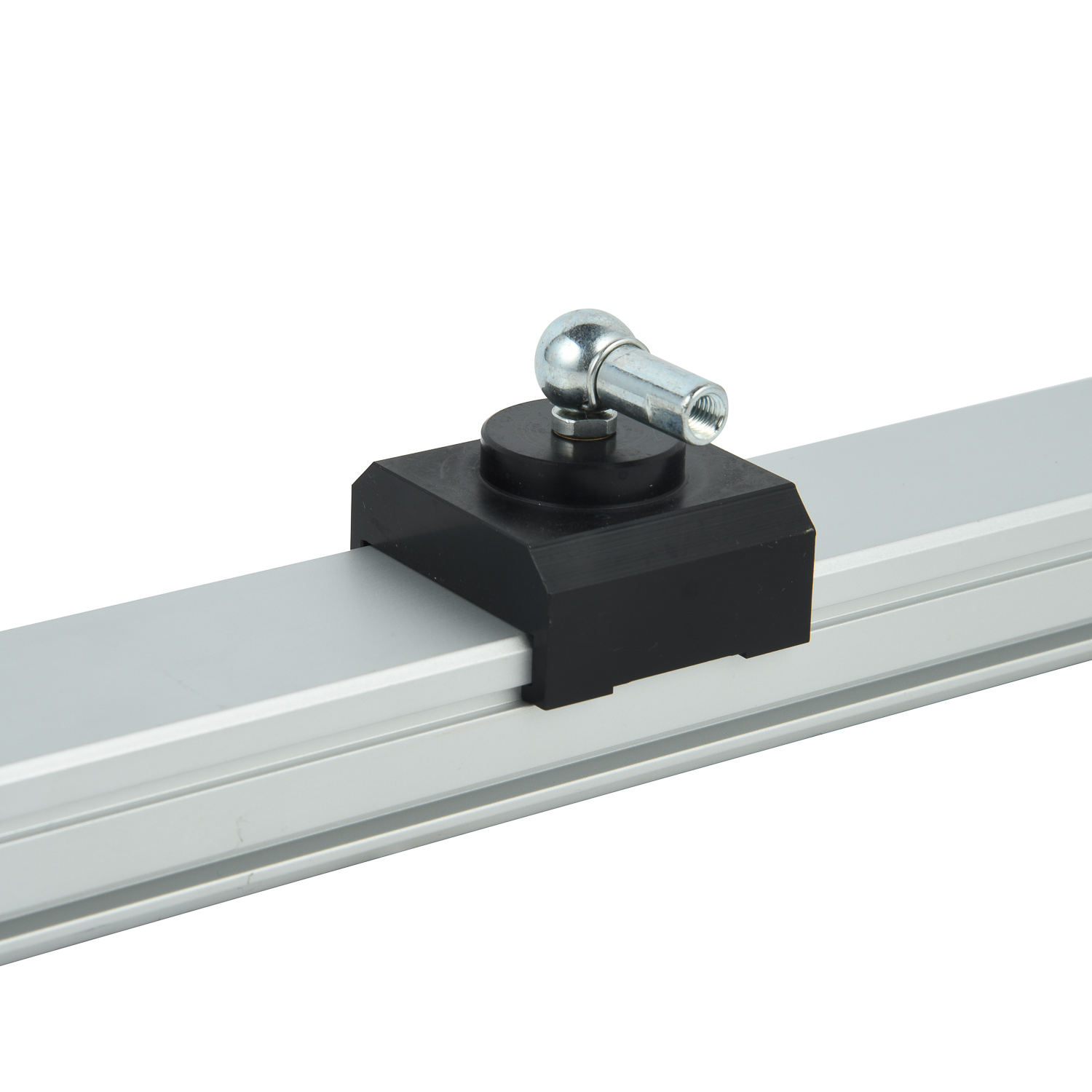
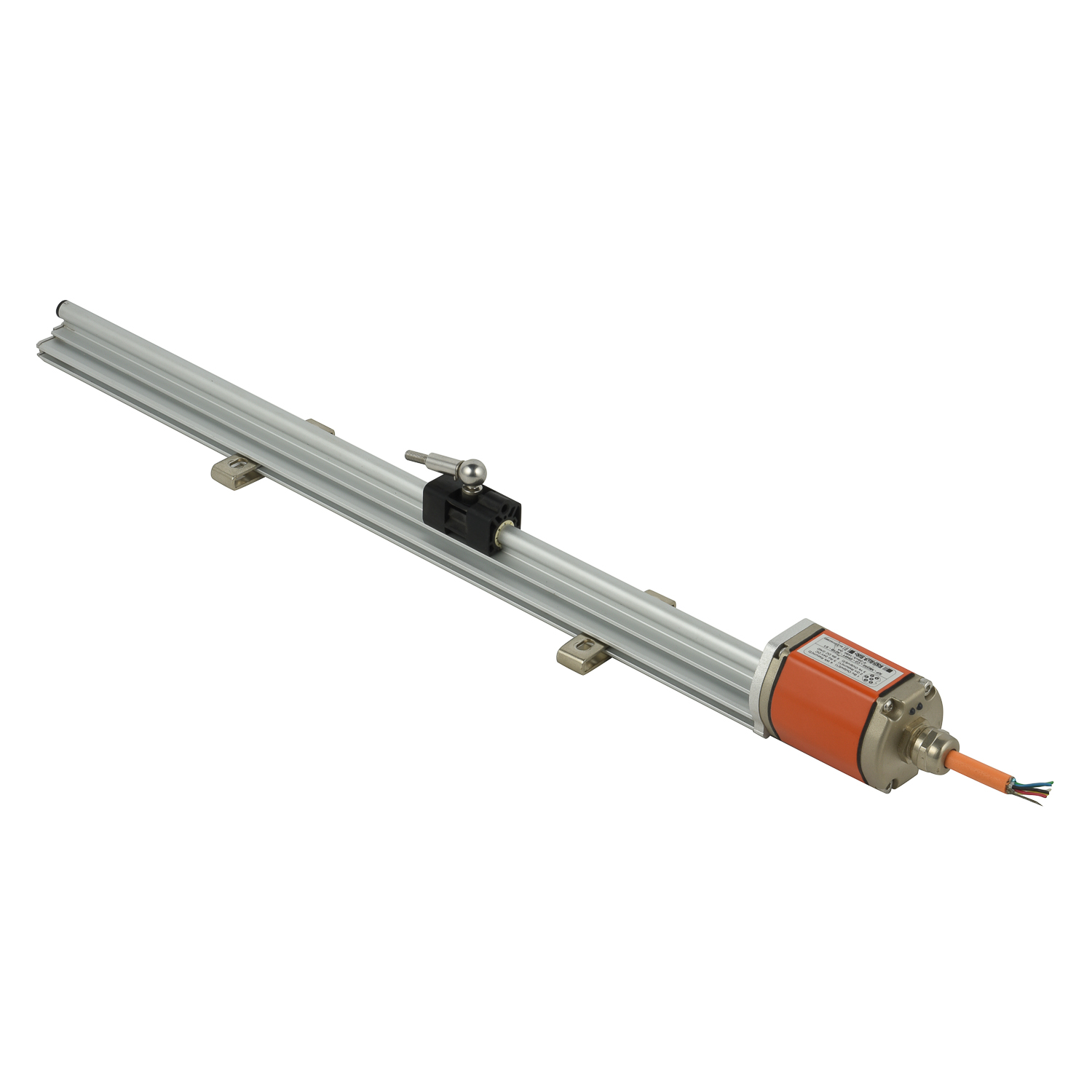 Radar Sensor Price
Radar Sensor Selection
Radar Sensor Price
Radar Sensor Selection
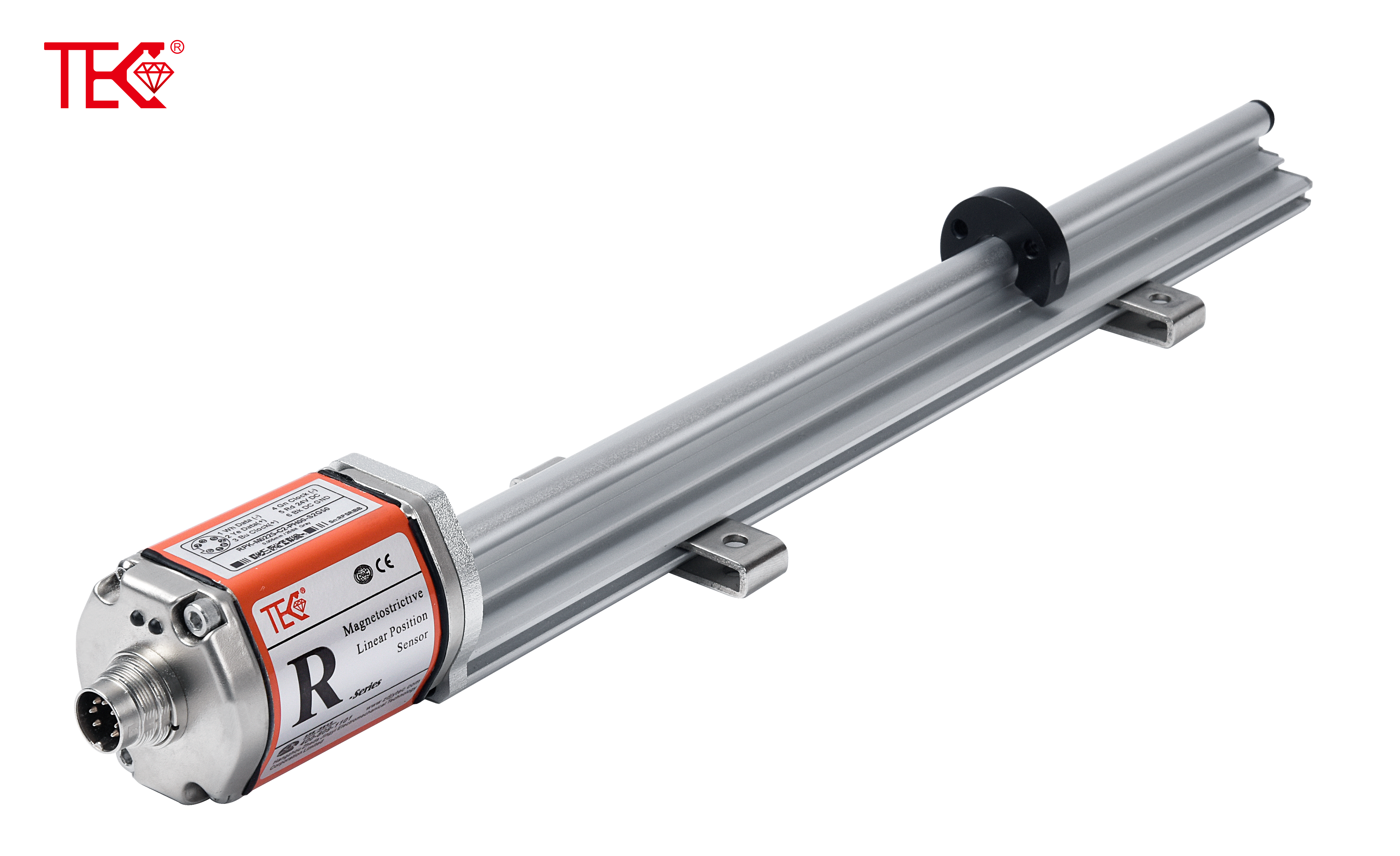 Domestic Radar Sensor
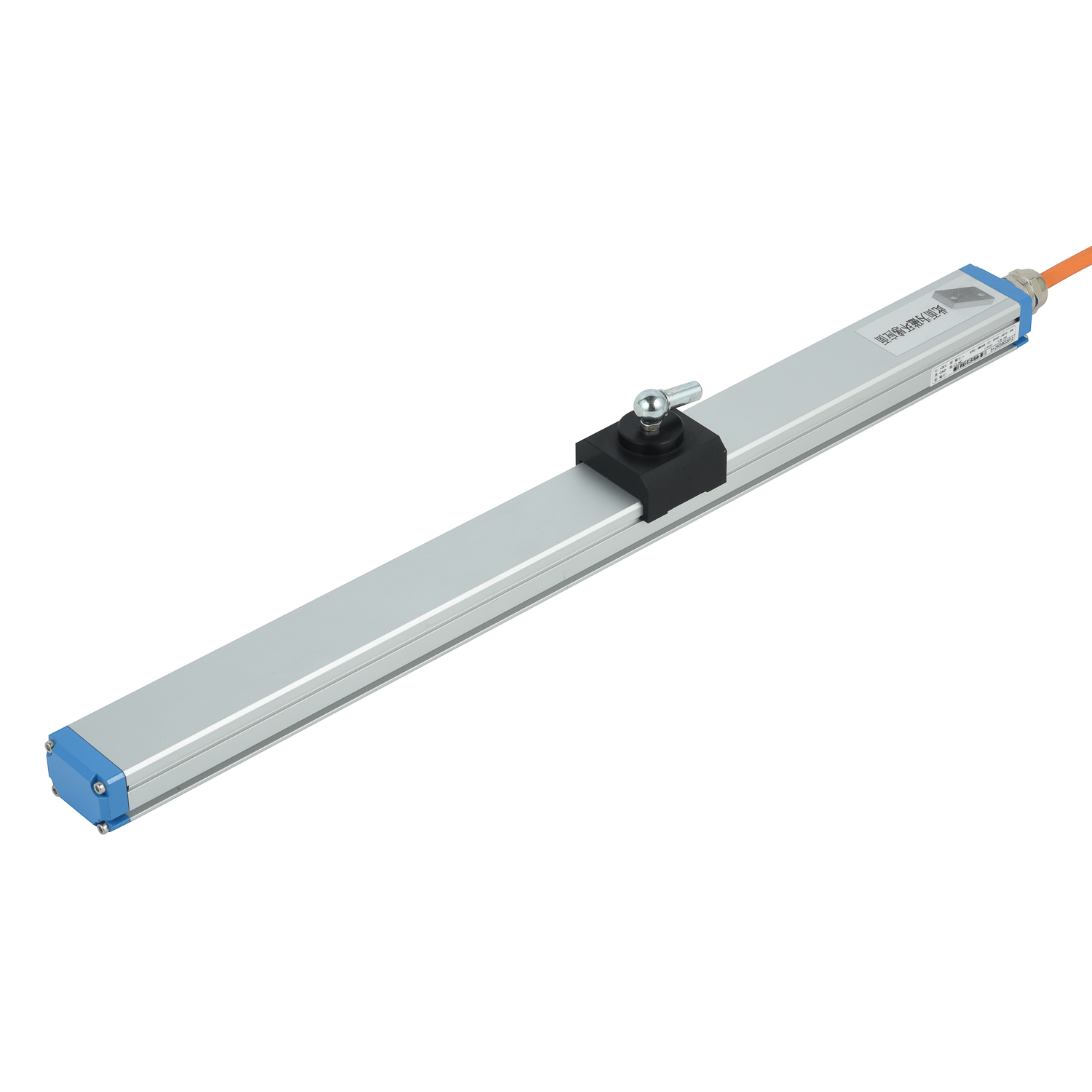 Radar Sensor Manufacturer