
Domestic Radar Sensor
Domestic radar sensors are changing how modern homes detect people, motion, and activity. Unlike cameras, they use radio waves to sense presence without images, making them a privacy-friendly choice for families. Many models rely on mmWave technology, which can detect subtle movements such as breathing, sitting still, or a small hand gesture. This makes them more reliable than traditional PIR sensors that often switch off when a person remains still.
In daily life, a domestic radar sensor can automate lighting, heating, and ventilation. It can turn on a hallway light when someone enters, adjust room temperature when a space is occupied, and save energy when everyone leaves. In security systems, it can identify unusual movement, trigger alerts, and monitor doors and windows. For elderly care, radar sensors can detect falls or long periods of inactivity and send discreet notifications to caregivers, all without intrusive video.
Installation is usually simple. Sensors can be wall or ceiling mounted and connected through Wi-Fi, Zigbee, or Matter. They work in darkness, through thin materials, and in bathrooms or bedrooms where cameras are unwanted. Low-power designs support battery operation, while mains-powered units offer continuous monitoring.
As smart homes grow, domestic radar sensors will become key building blocks. They combine accurate sensing, energy savings, and privacy protection. For homeowners, the result is a safer, more responsive home that respects personal space.
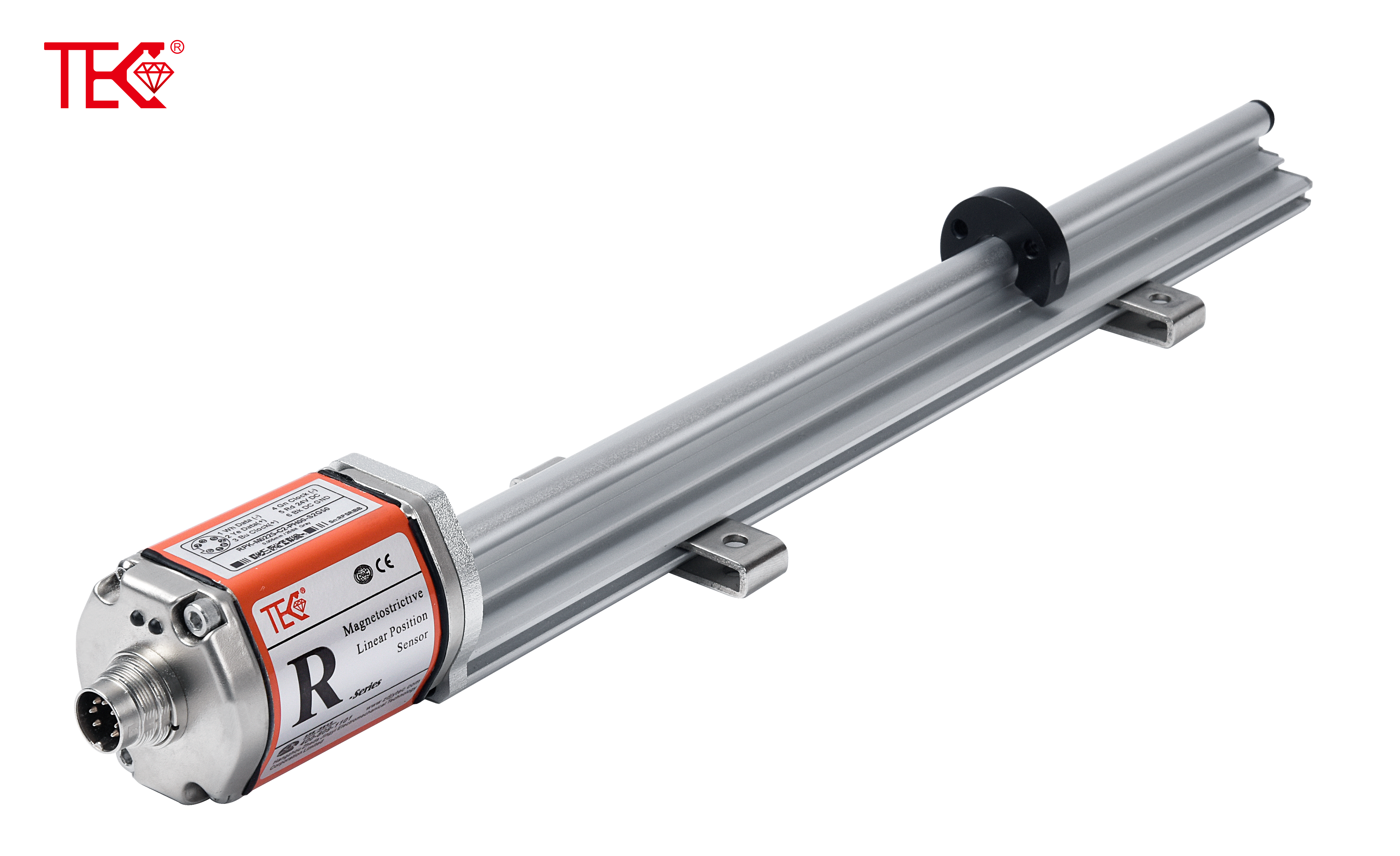
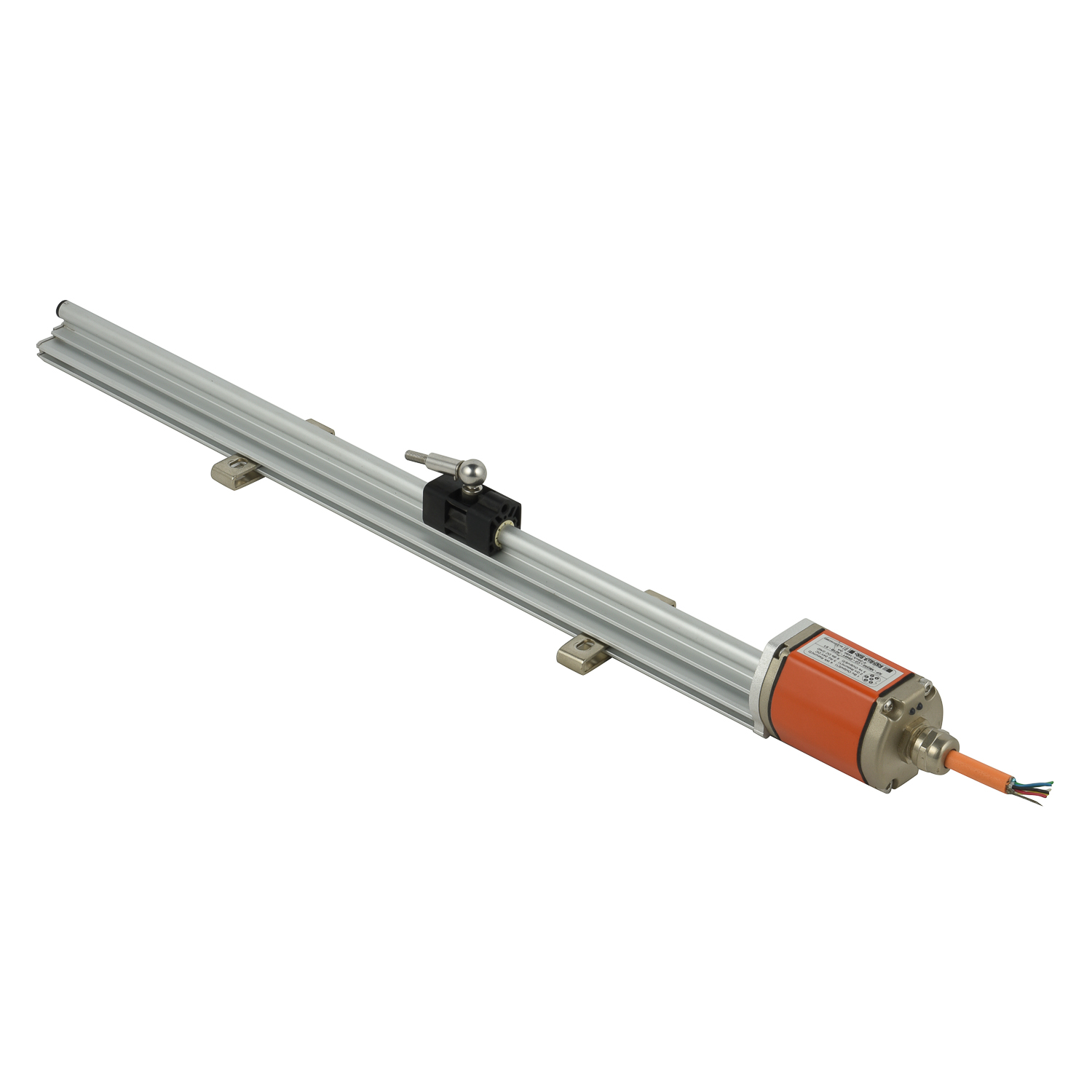 Radar Sensor Price
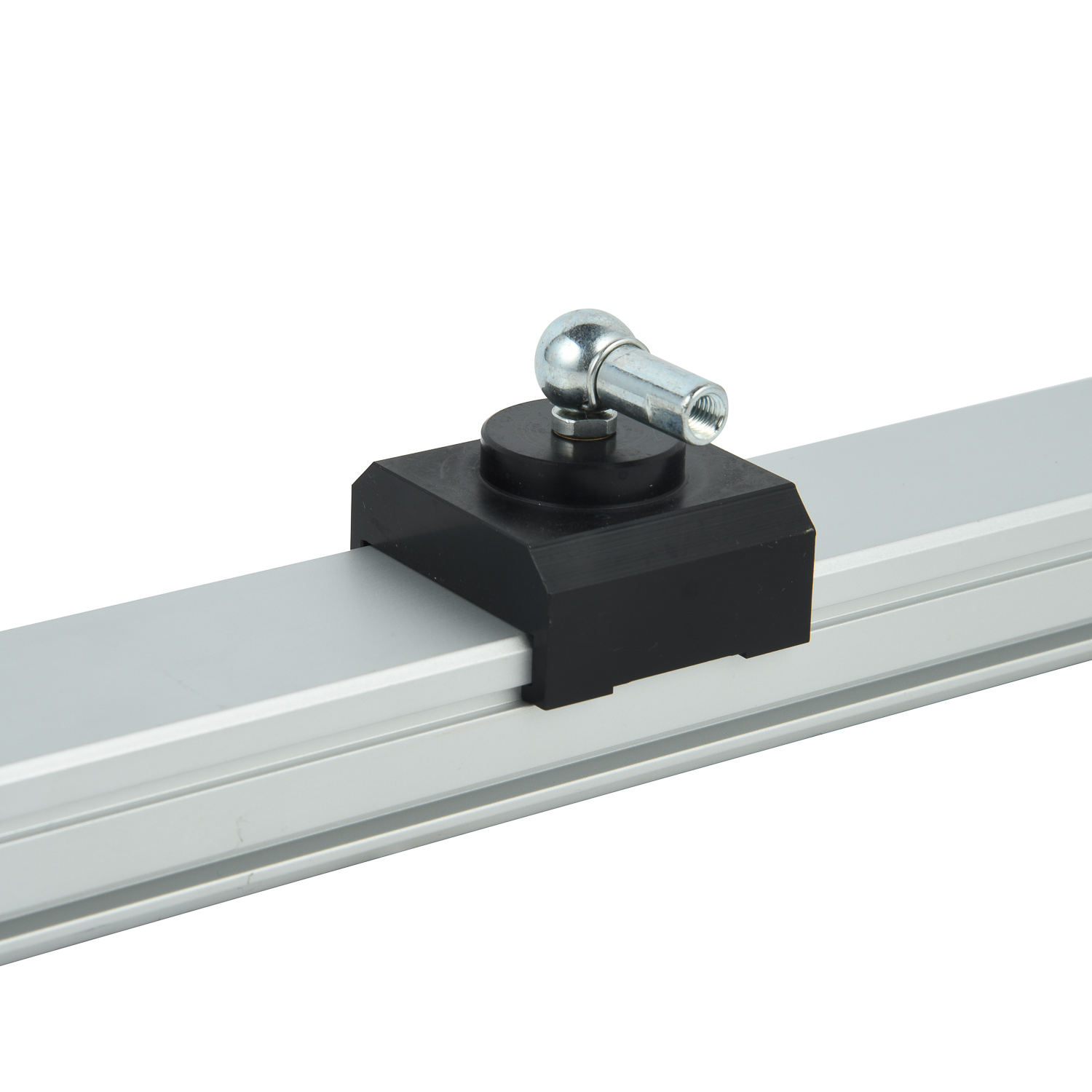 Radar Sensor Selection
Domestic Radar Sensor
Radar Sensor Selection
Domestic Radar Sensor
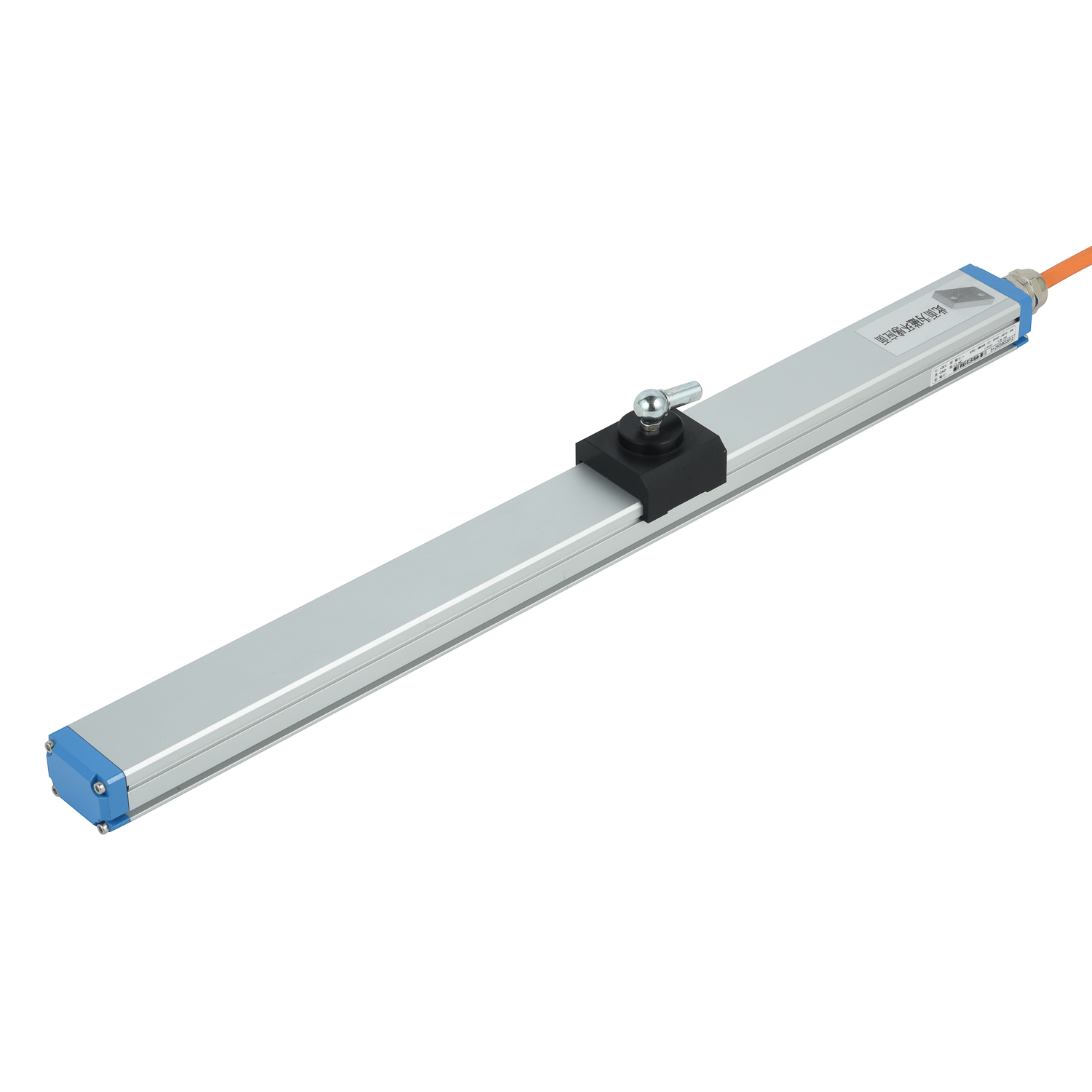 Radar Sensor Manufacturer