
High-pressure Radar Sensor
High-pressure radar sensors are advanced non-contact instruments designed to measure level, distance, and interface in vessels operating under extreme pressure. Unlike traditional mechanical gauges, they use high-frequency electromagnetic waves, often 80 GHz, to detect the product surface without touching the medium. This makes them ideal for chemical reactors, oil and gas separators, hydrogen storage, boilers, and offshore platforms. The sensor emits a narrow radar beam, receives the reflected signal, and converts the travel time into a precise measurement. Modern signal processing filters foam, condensation, turbulence, and vapor, delivering stable readings even when pressure reaches hundreds of bar. Key advantages include high accuracy, low maintenance, wide temperature tolerance, and compatibility with aggressive fluids. Because there are no moving parts, wear and clogging are minimized. For safe operation, choose a sensor with the correct pressure rating, process connection, wetted materials, and certification for explosive atmospheres. Proper mounting away from inlet streams and obstacles improves performance. Regular verification and firmware updates help maintain reliability. As industries demand more digitalization, high-pressure radar sensors integrate with HART, Modbus, and cloud systems, supporting predictive maintenance and real-time process control. They are a smart choice for demanding level measurement. This ensures safer and more efficient operations.
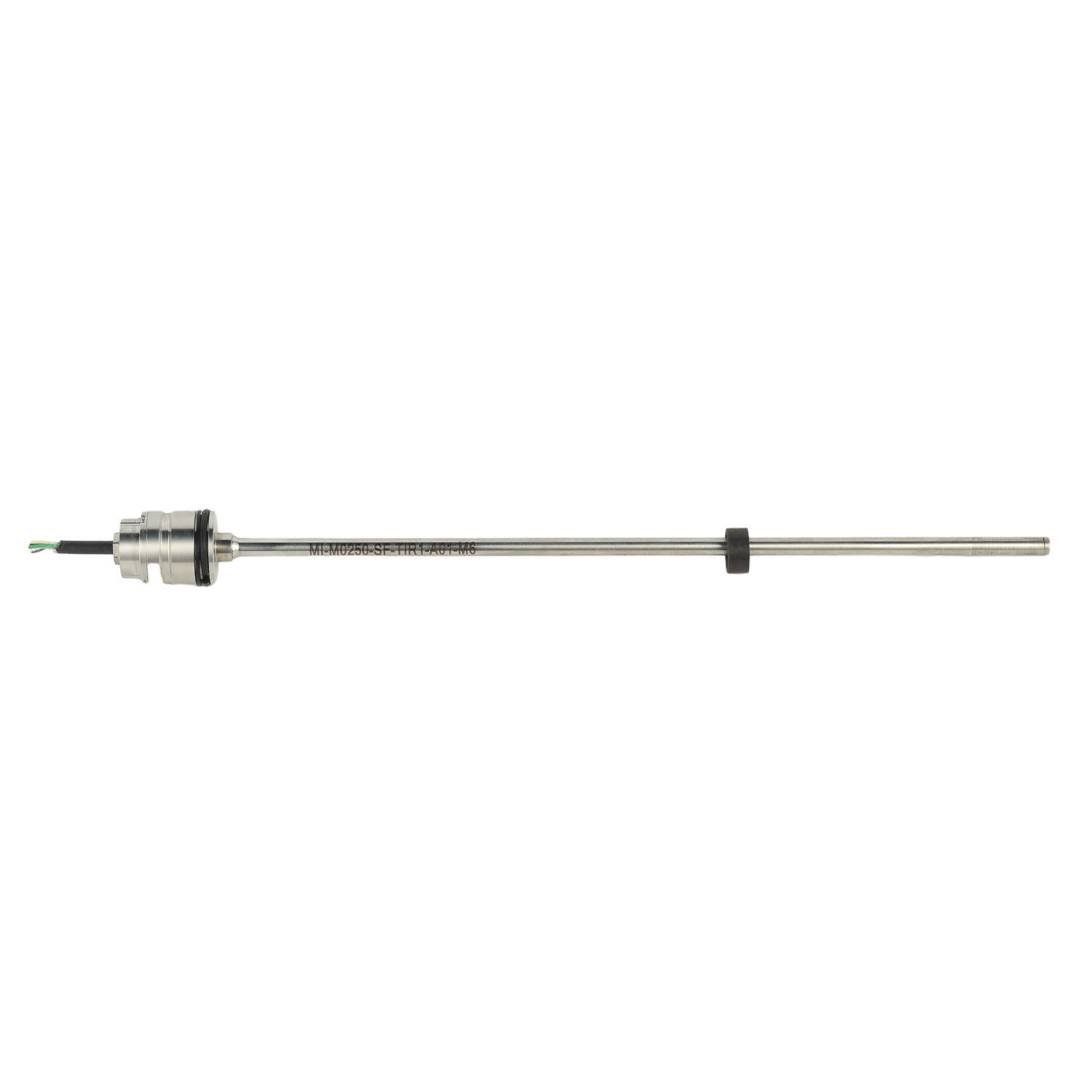
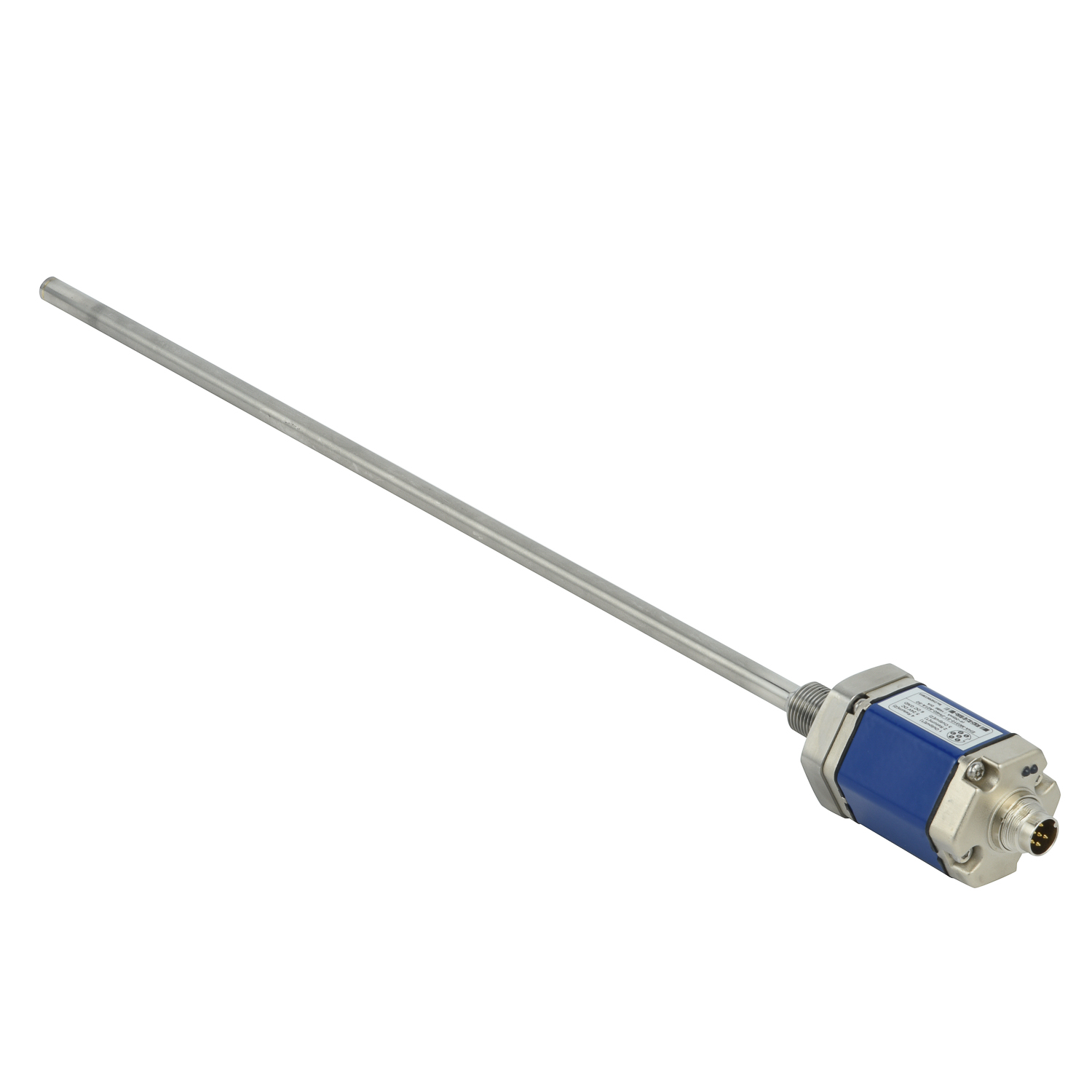 Technical Parameters of Radar
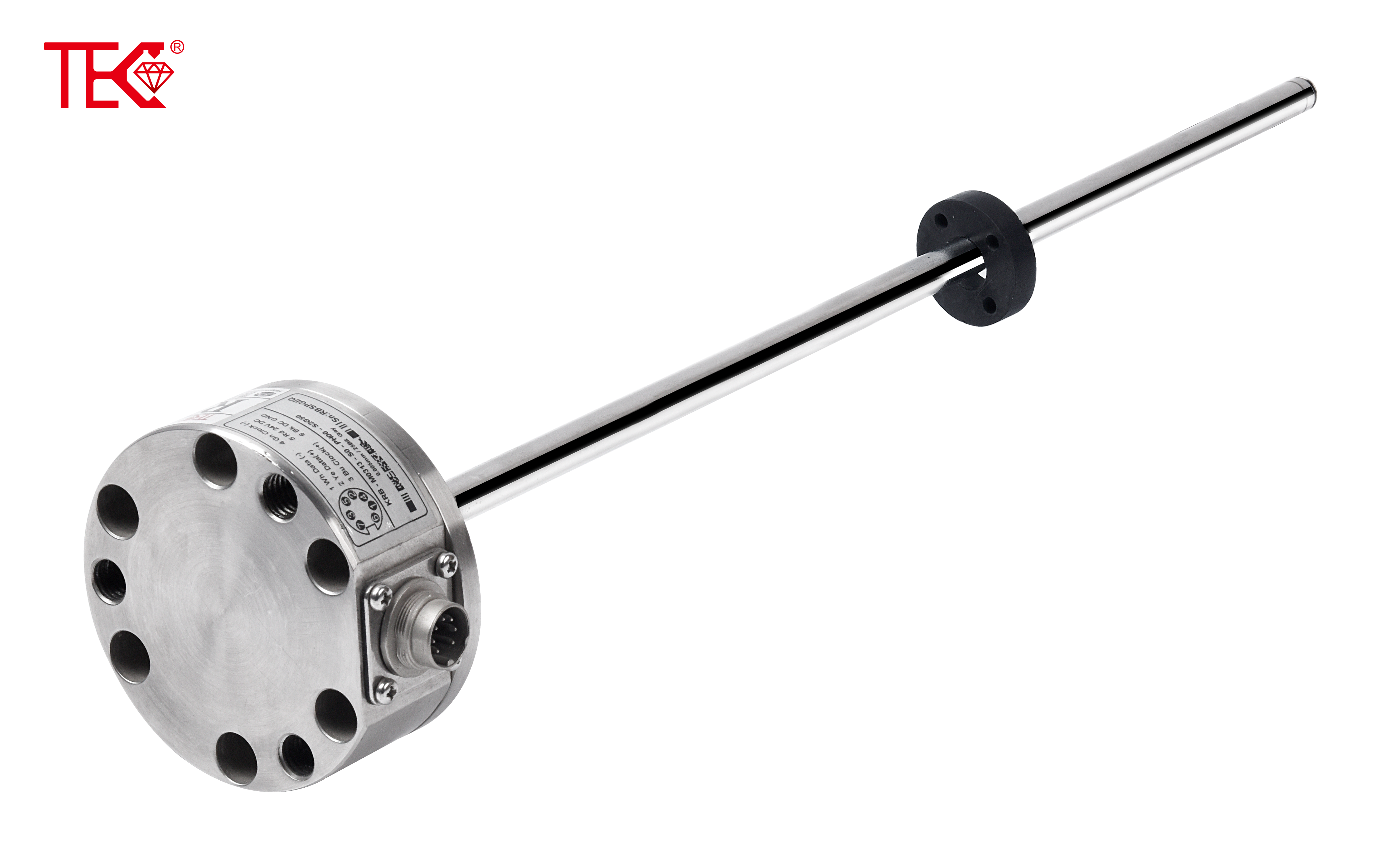 How Much is Radar Sensor
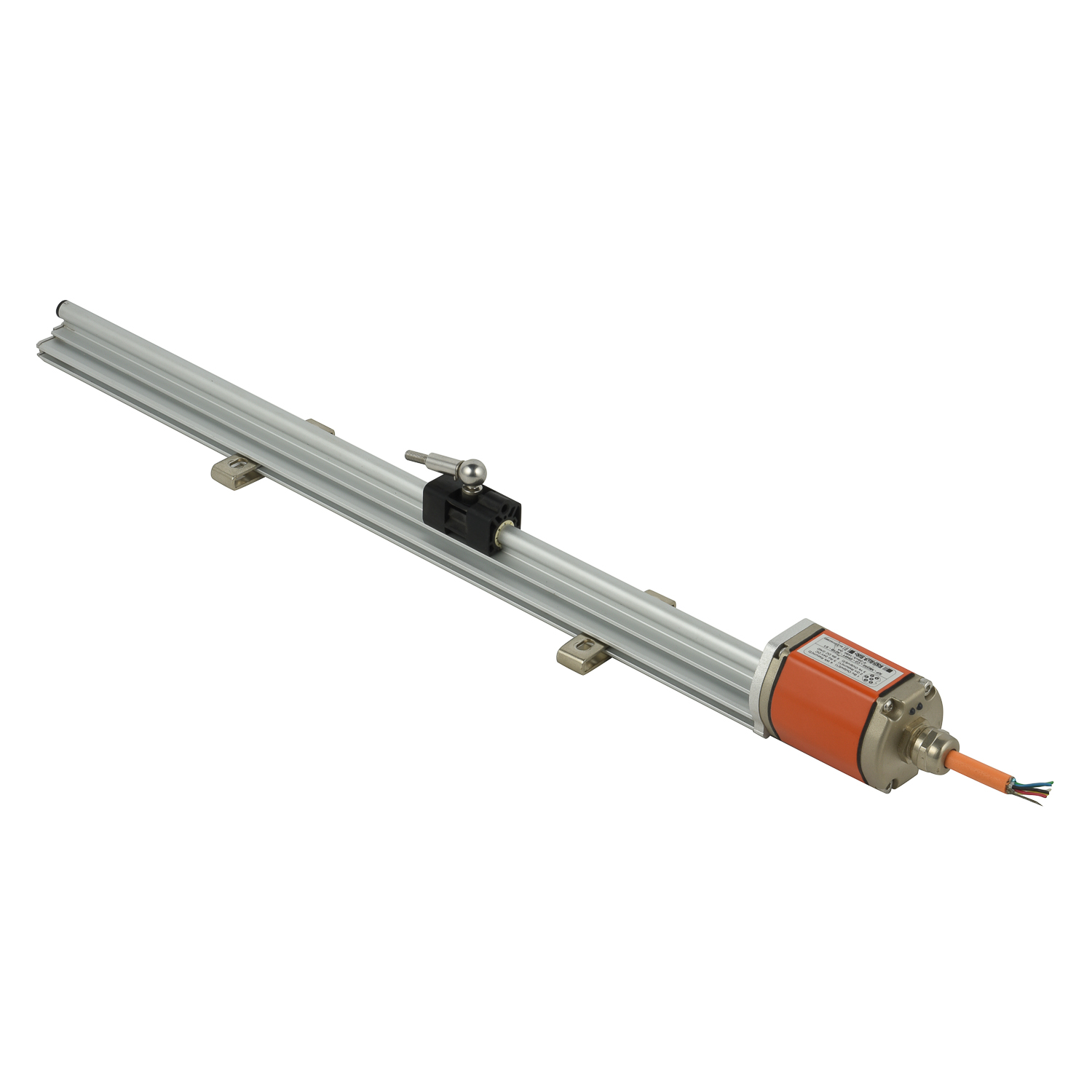 Radar Sensor Price
 Radar Sensor Selection