
Non-contact Radar Sensor
Non-contact radar sensors detect motion, distance, speed, and presence without touching a target. They send electromagnetic waves, often in the millimeter-wave band, and analyze the reflected signal. They work in darkness, dust, fog, smoke, and extreme temperatures. Unlike cameras, they protect privacy without images. A typical sensor includes an antenna, transceiver, processor, and interface. It measures time of flight, frequency shift, phase change, or Doppler effect to calculate range, velocity, angle, and presence. Advanced mmWave radar can detect breathing, heartbeat and gestures. It can be hidden behind plastic, glass, or drywall. Main benefits include privacy, reliability, small size, low power, and invisible installation. Radar is less affected by surface color, humidity, and air pressure than ultrasonic or optical sensors. It supports low-power IoT devices. Applications are growing fast. Smart homes use radar for lighting, HVAC, security, and sleep monitoring. Automotive radar supports cruise control, blindspot warning, parking, and occupant detection. Industry uses it for level measurement, conveyor speed, and machine safety. When choosing a sensor, consider frequency, range, field of view, accuracy, latency, power, and certification. Common bands include 24 GHz, 60 GHz, and 77 GHz. Interference, clutter, and mounting angle require calibration and smart algorithms. As chips integrate and AI improves, noncontact radar will become smaller, cheaper, and more intelligent.
 How Much is Radar Sensor
 Radar Sensor Price
 Radar Sensor Selection
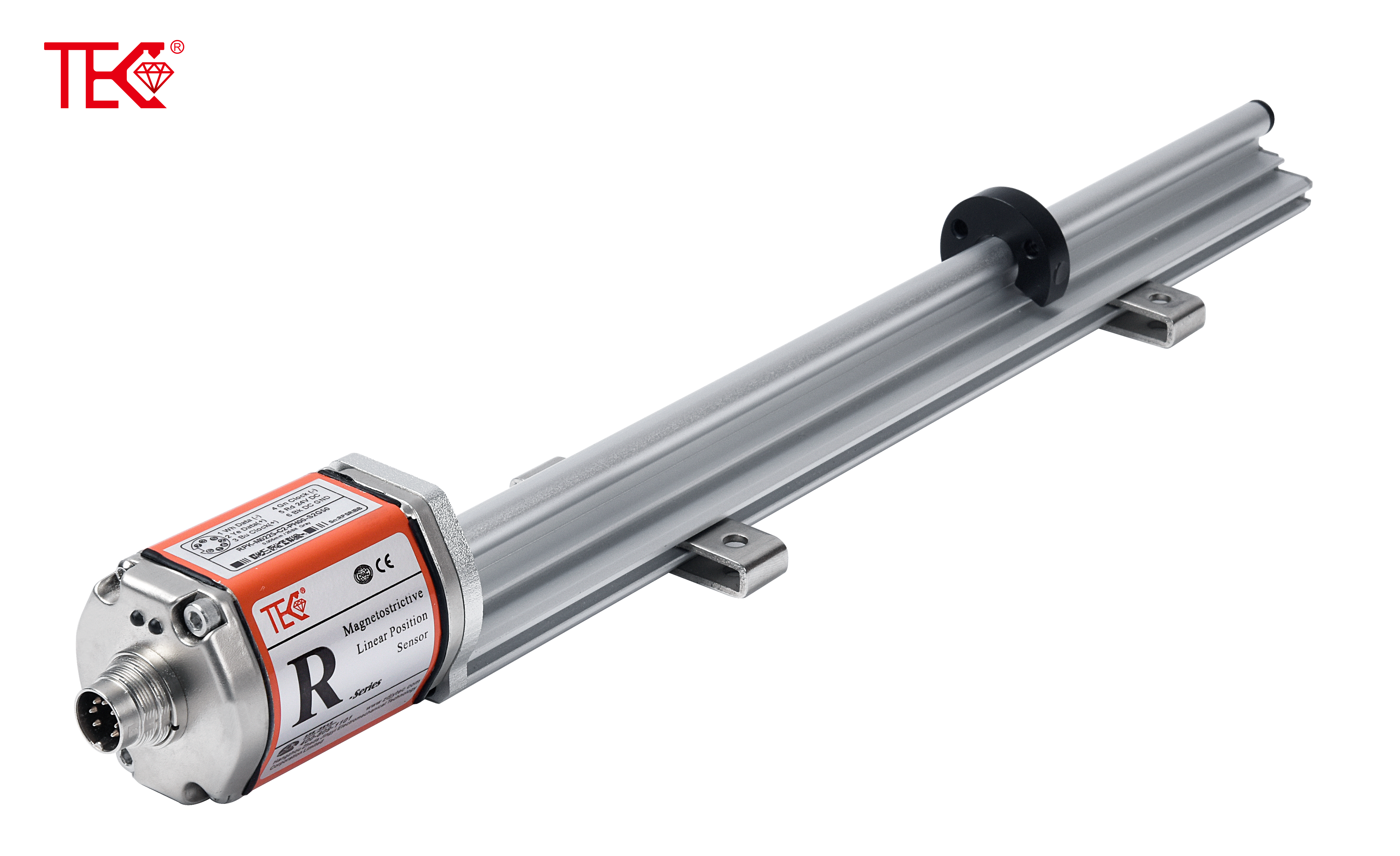 Domestic Radar Sensor