
Flange-mounted Radar Sensor
Flange-mounted radar sensors are advanced instruments designed for continuous level measurement in industrial tanks, silos, and vessels. The flange connection provides a strong, sealed mounting point that supports high pressure, high temperature, and corrosive process conditions. Unlike contact probes, non-contact radar sends microwave pulses to the material surface and measures the reflected signal. This design avoids wear, contamination, and maintenance caused by sticky or aggressive media.
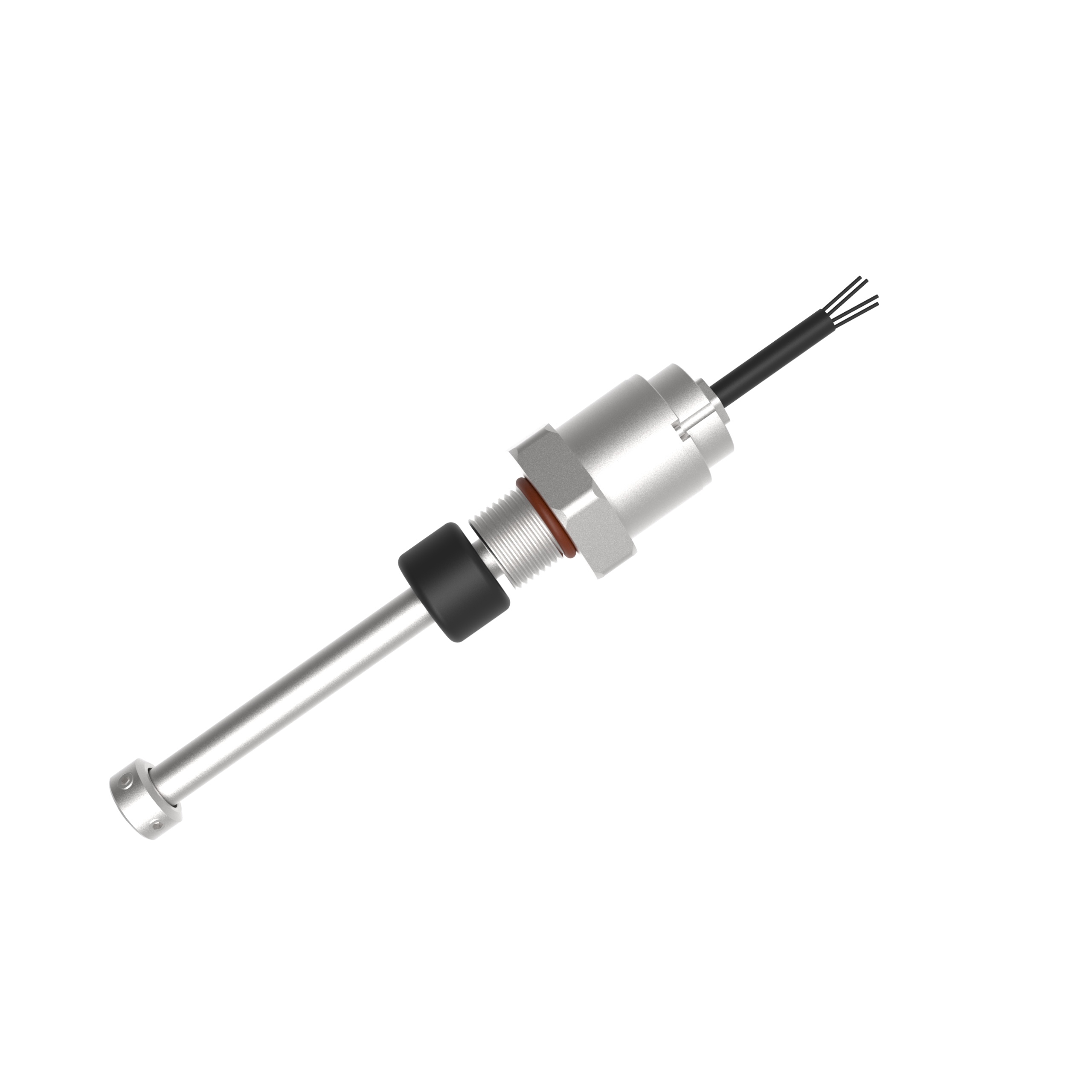
These sensors are widely used in oil and gas, chemical processing, water treatment, food production, and pharmaceutical manufacturing. They can measure liquids, slurries, powders, and granular solids with high accuracy. Their robust housing and antenna options suit outdoor installations and harsh environments.
Modern models offer 4-20 mA, HART, Modbus, and digital outputs for seamless integration into control systems. Advanced signal processing helps suppress false echoes from agitators, foam, condensation, and tank walls. Some versions include Bluetooth or remote configuration, making setup and diagnostics faster.
When selecting a flange-mounted radar sensor, consider measuring range, process pressure, temperature, dielectric constant, antenna size, and flange standard. Correct sizing ensures reliable performance and long service life. With non-contact operation and precise measurement, flange-mounted radar sensors improve safety, inventory control, and process efficiency in demanding industries.
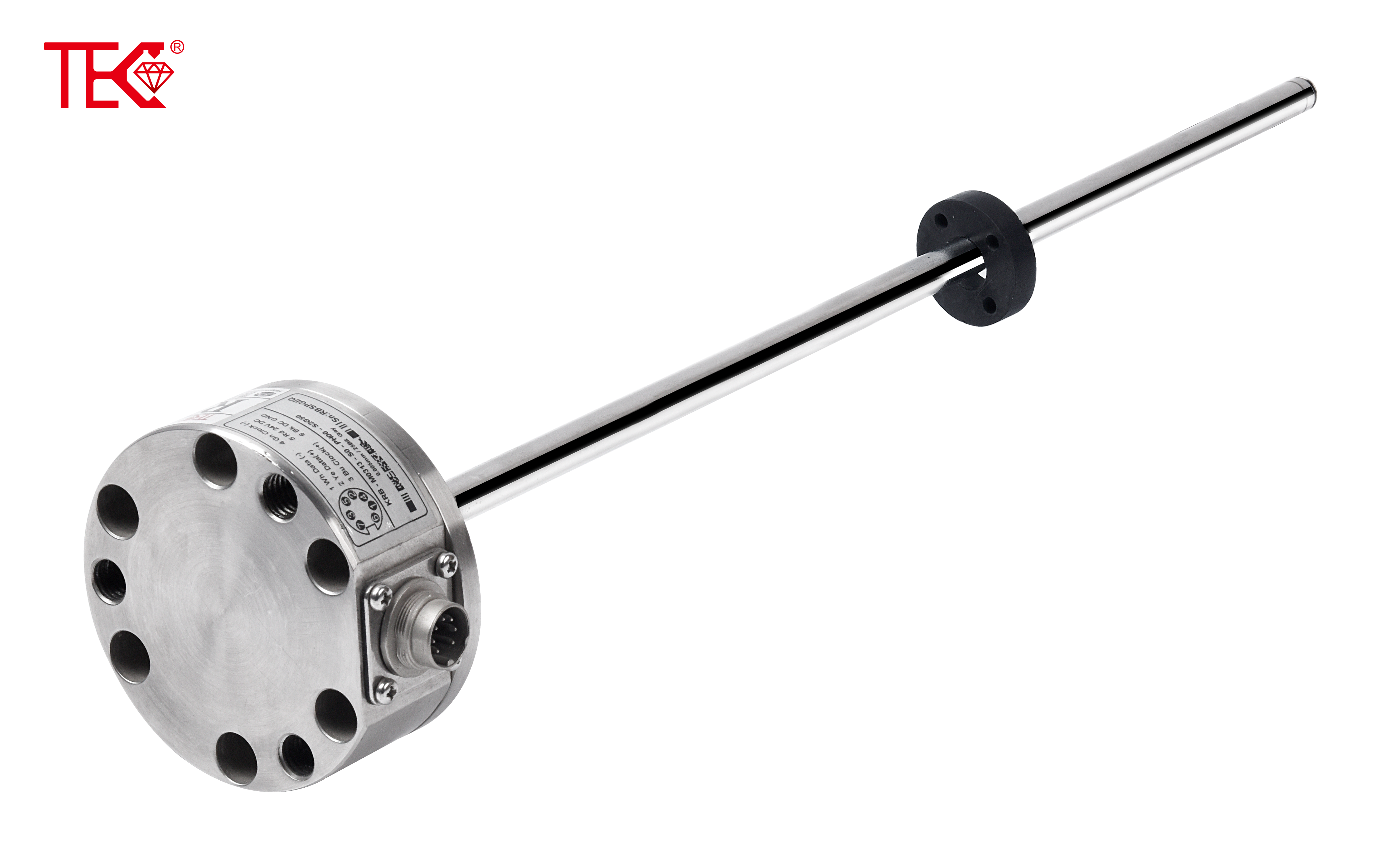 How Much is Radar Sensor
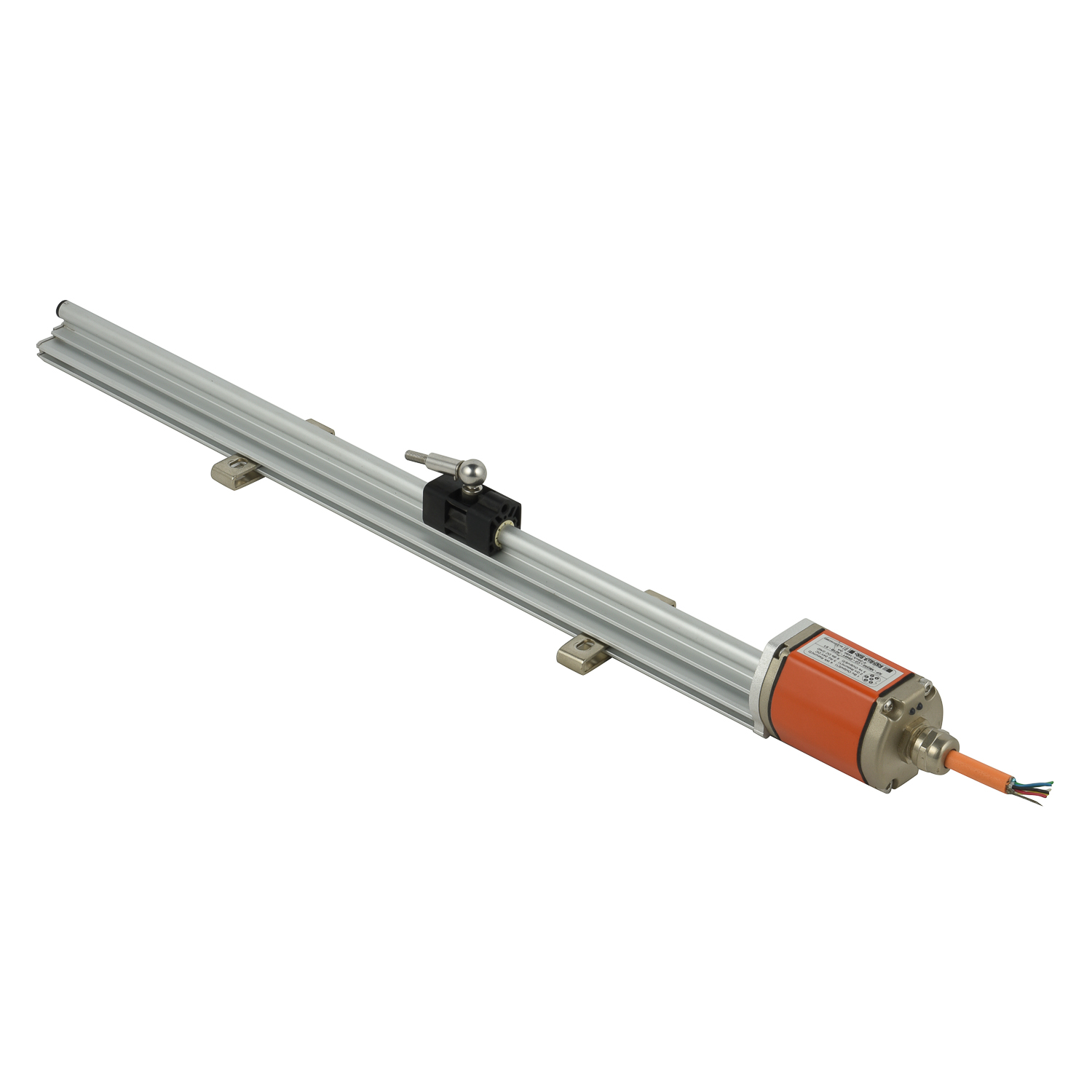 Radar Sensor Price
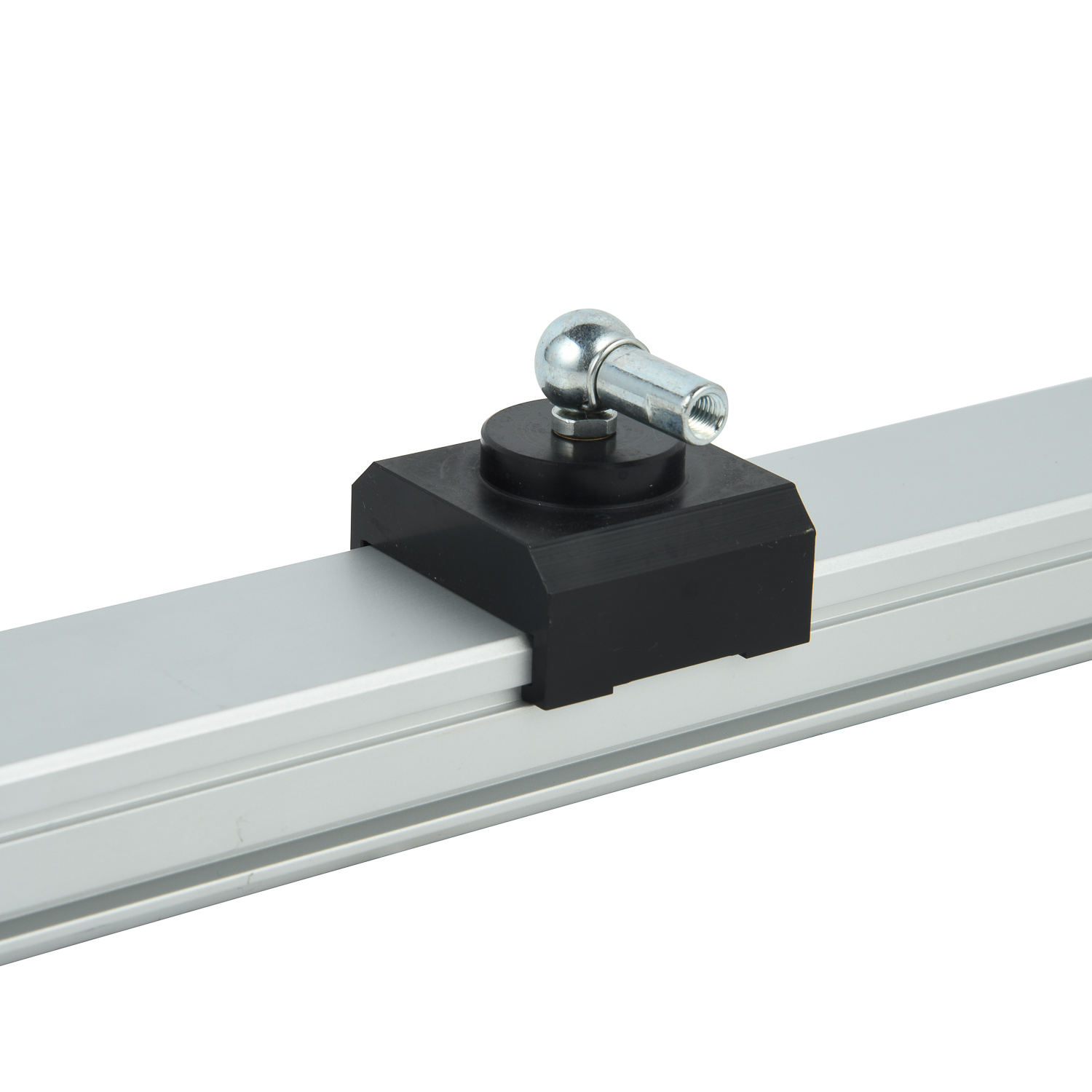 Radar Sensor Selection
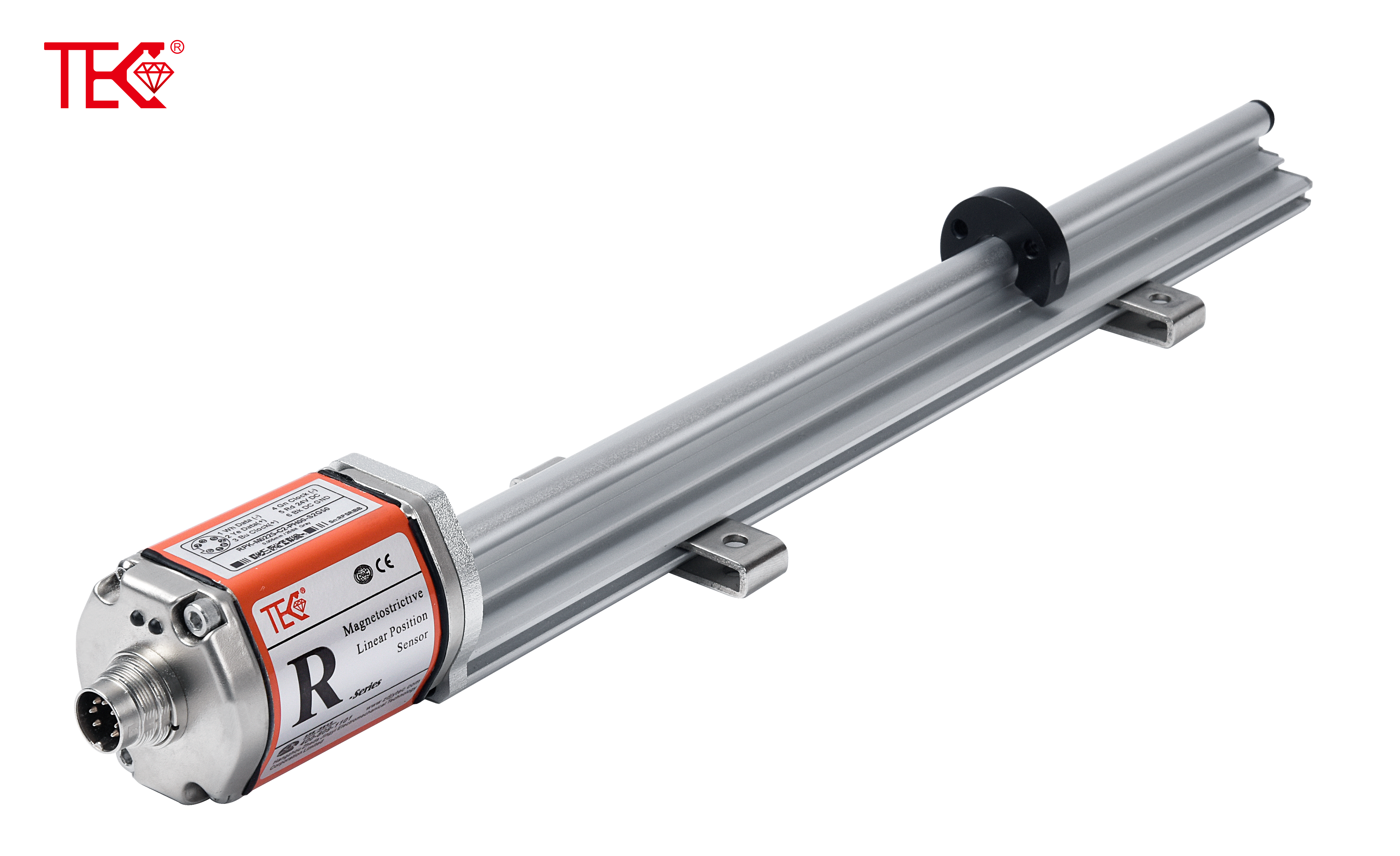 Domestic Radar Sensor