
Corrosion-resistant Radar Sensor
Corrosion-resistant radar sensors are built for harsh sites where moisture, salt, acids, and chemicals ruin electronics. They use sealed housings, protective coatings, and materials such as stainless steel, PTFE, and ceramic radomes to keep radar components stable for years. Unlike standard sensors that fail after short exposure, a corrosion-resistant radar sensor keeps accurate detection for level, distance, and motion in tanks, pipes, and chemical plants.
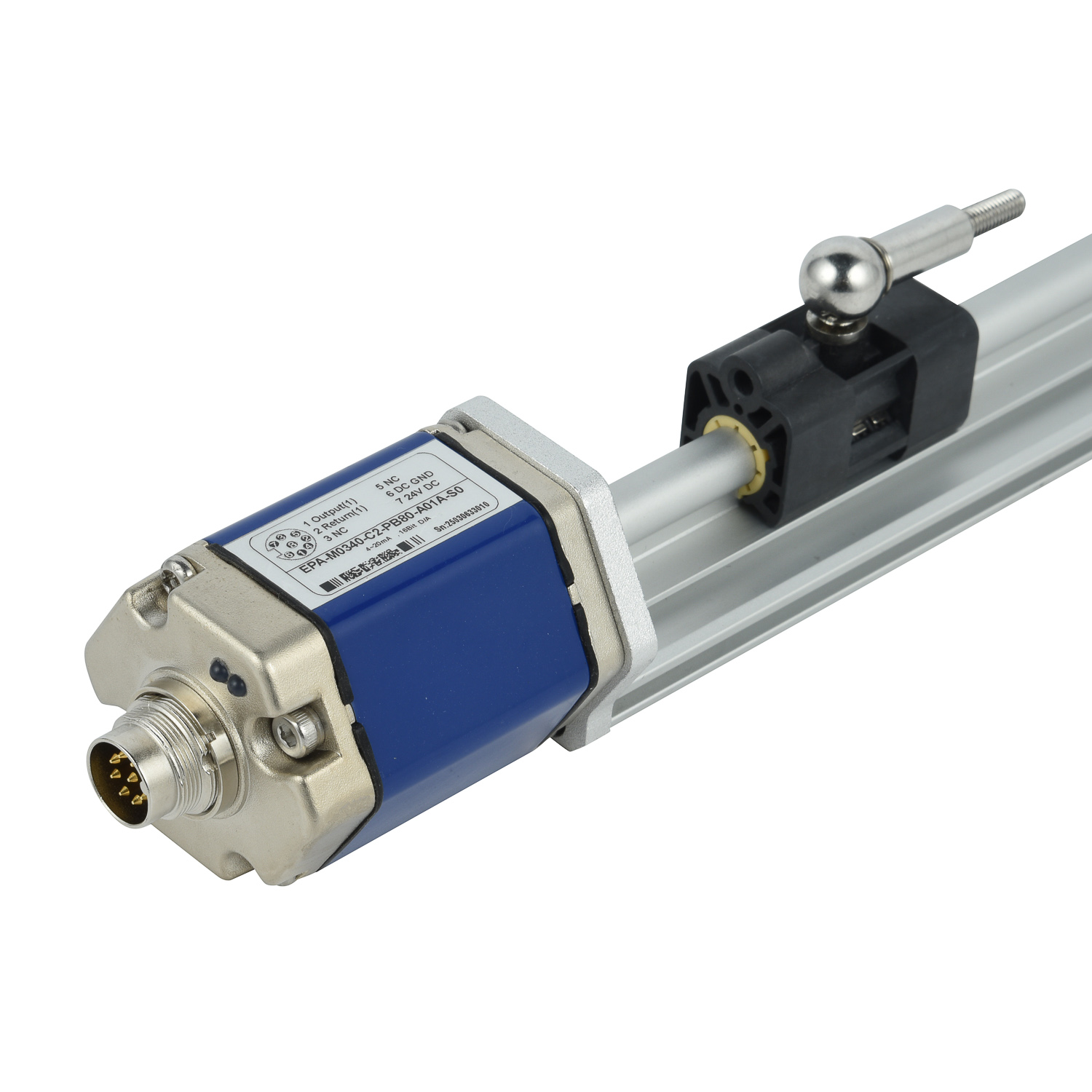
The main advantage is non-contact reliability. Radar waves pass through a non-metallic window or radome, so the sensor never touches aggressive fluids or abrasives. This reduces wear, clogging, and maintenance. High ingress protection, often IP66 to IP68, blocks dust and water. Antenna designs can be tuned for narrow beams, low-dielectric media, foam, or vapor, helping plants avoid false readings.
These sensors support modern industrial networks. They offer 4-20 mA, HART, RS485, or wireless outputs for easy PLC and SCADA integration. In marine and coastal areas, salt spray is a constant threat; in chemical production, acids and solvents attack seals. Material selection, welding, and cable glands are critical. Regular radome and process connection checks extend service life.
Choosing the right model depends on temperature, pressure, chemical compatibility, range, and accuracy. With a proper corrosion-resistant design, facilities gain safer operations, fewer shutdowns, and long-term measurement confidence.
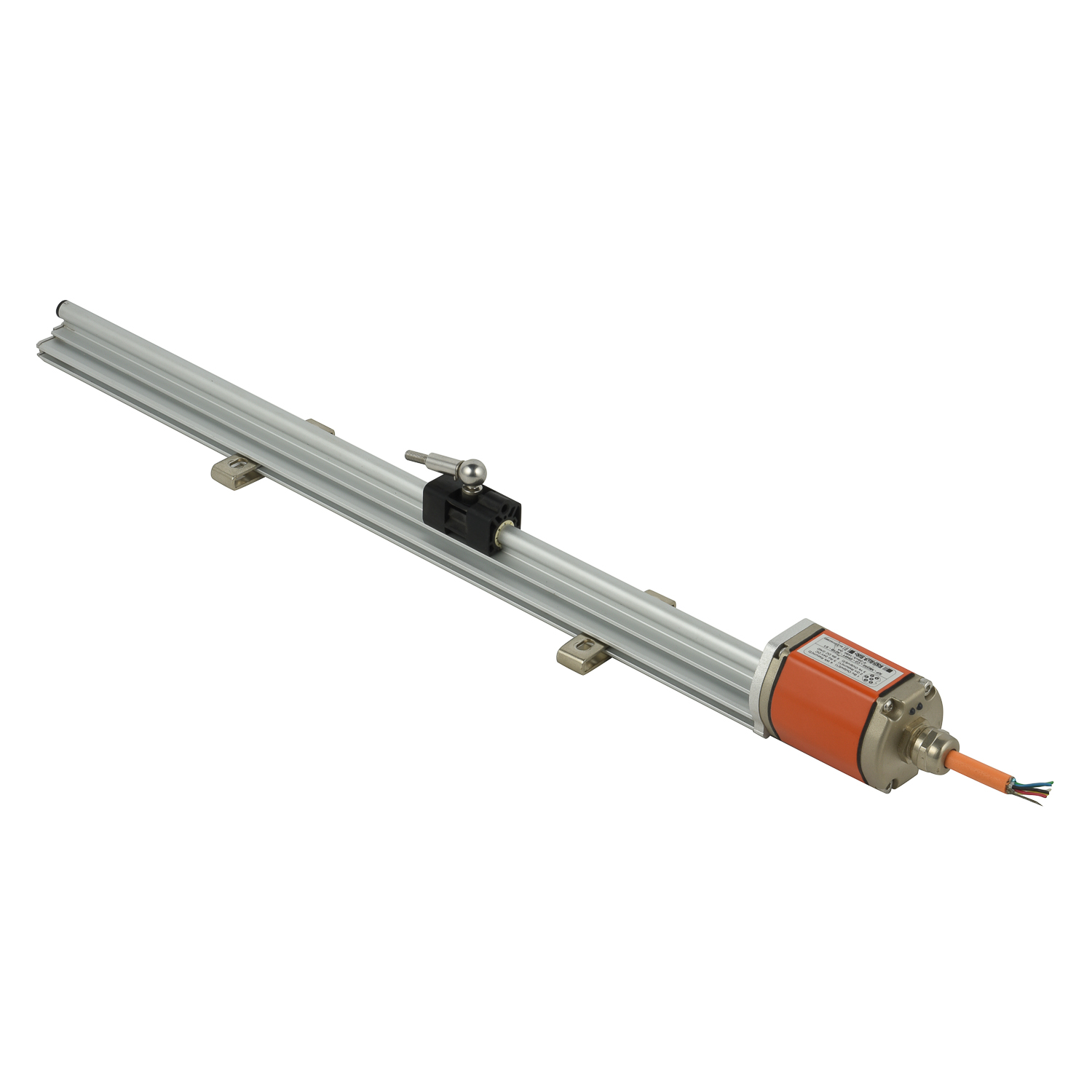 Radar Sensor Price
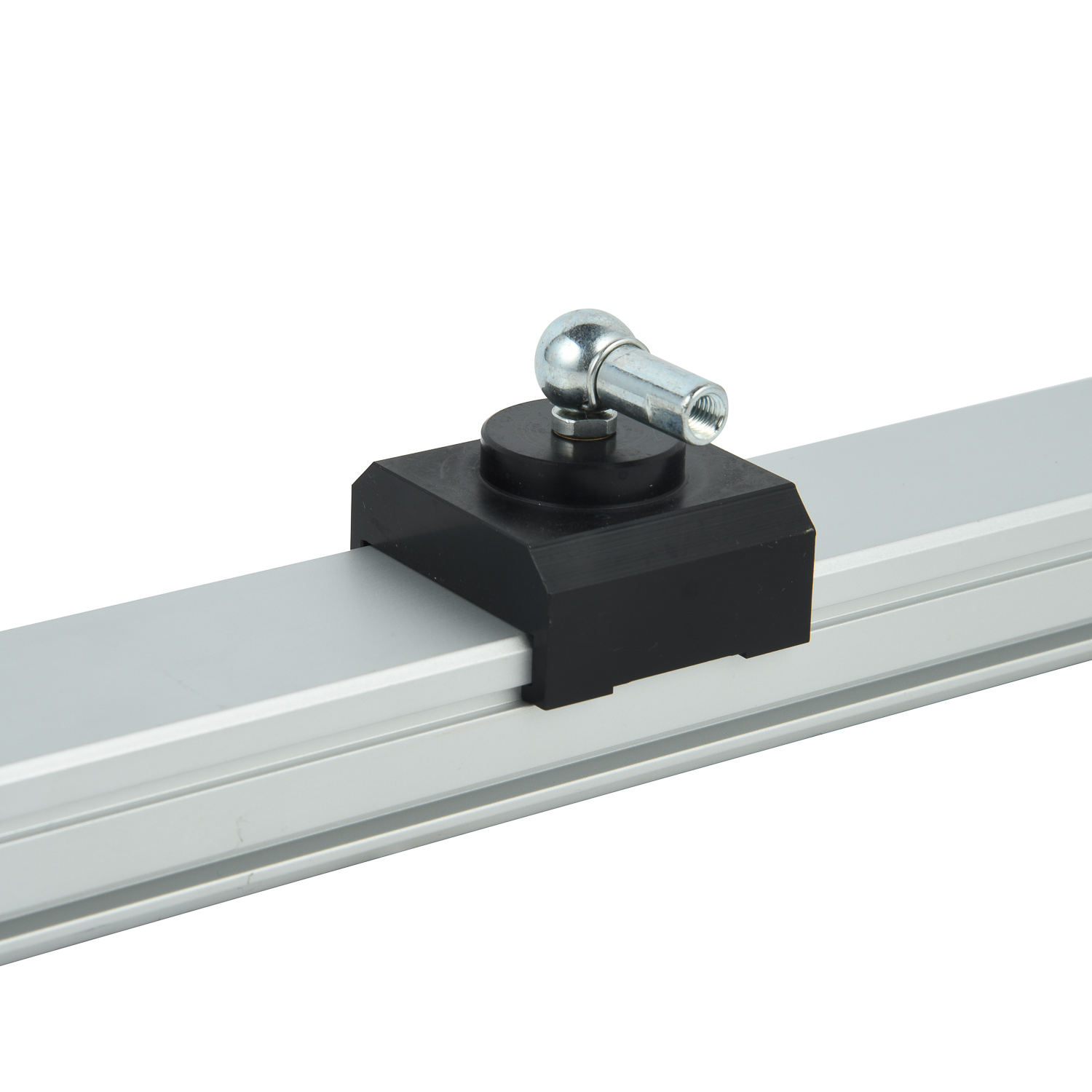 Radar Sensor Selection
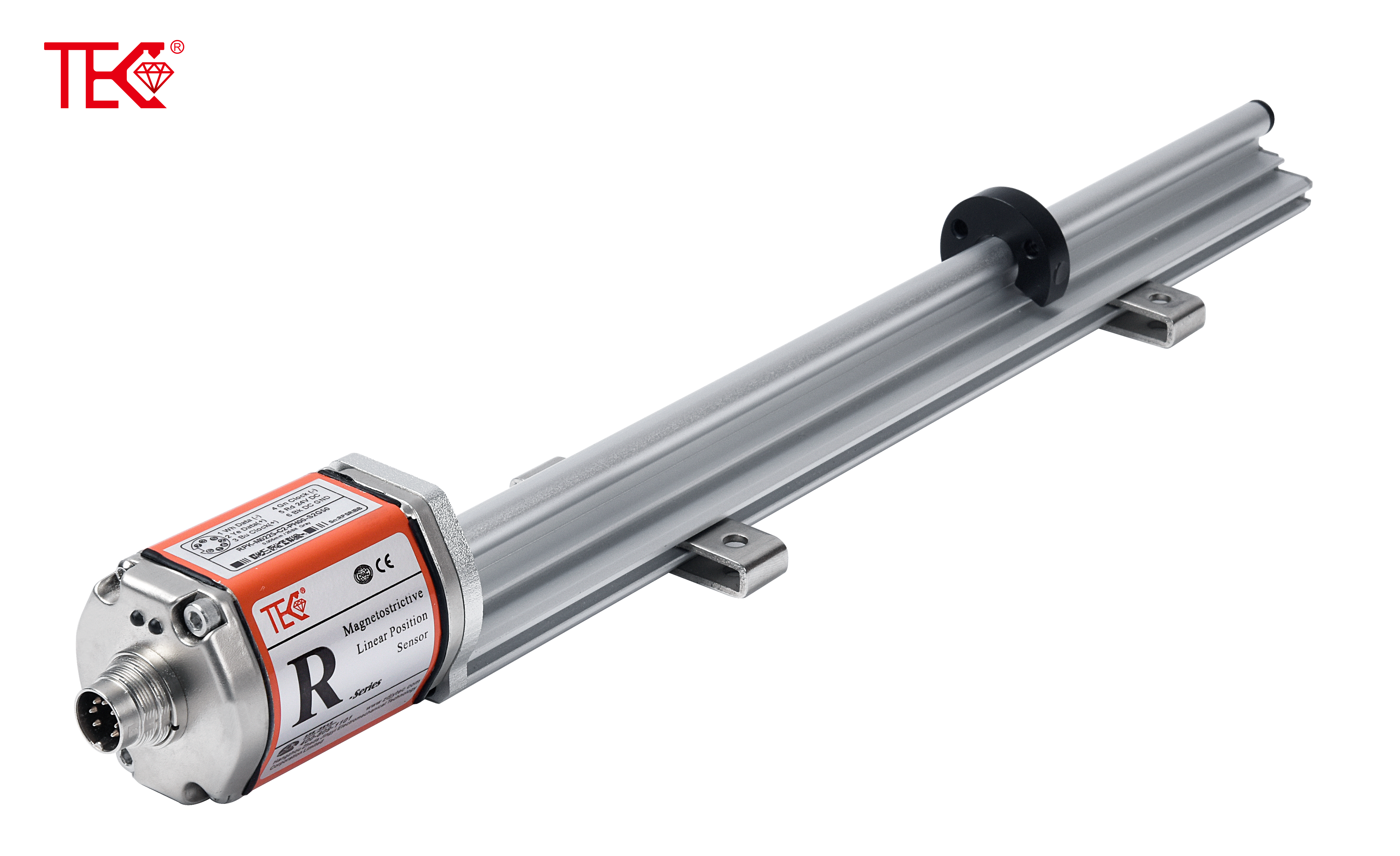 Domestic Radar Sensor
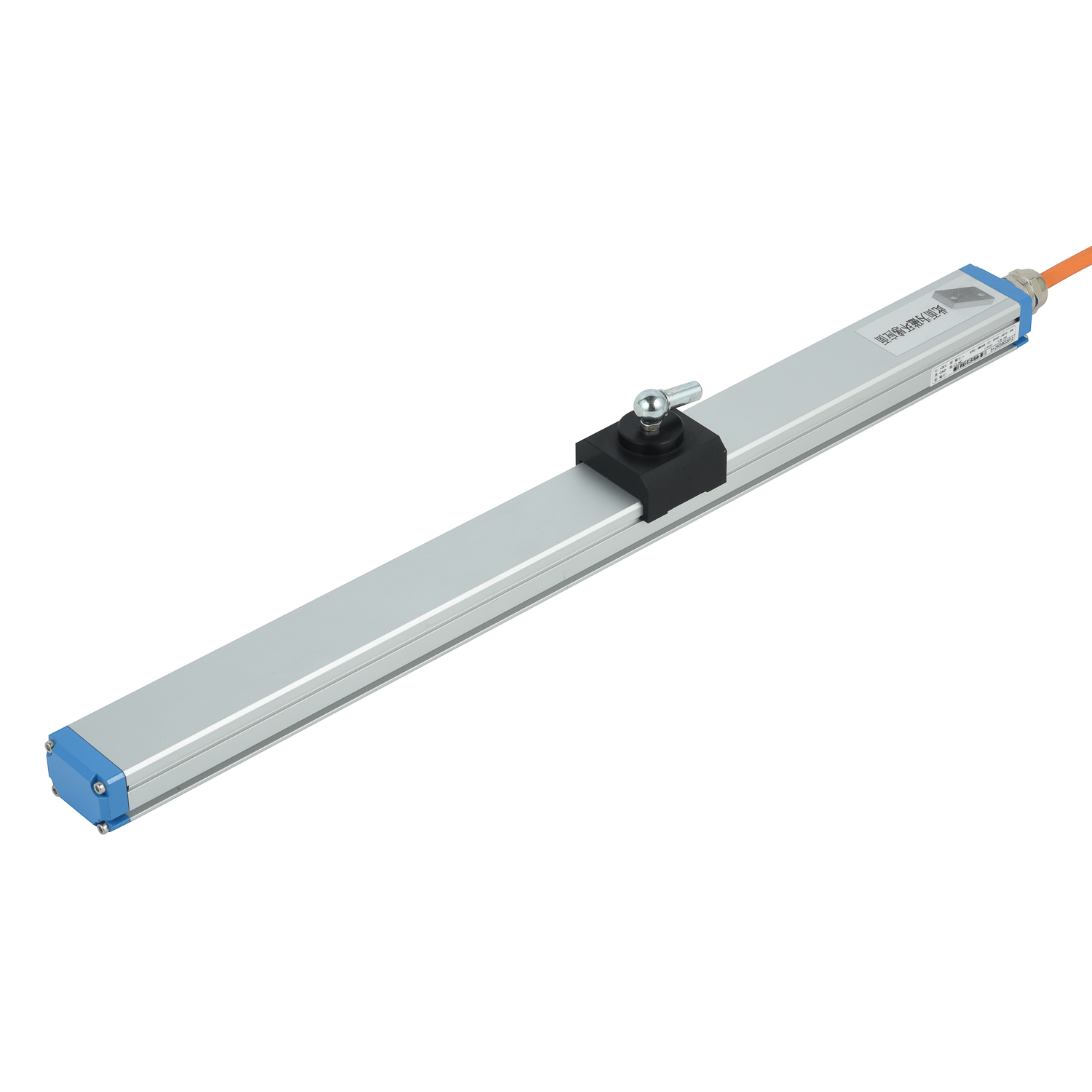 Radar Sensor Manufacturer