
Intrinsically Safe Explosion-proof Radar Sensor
Intrinsically safe explosion-proof radar sensors are designed for continuous level, distance, and presence measurement in hazardous industrial areas where flammable gases, vapors, dust, or fibers may be present. Unlike standard radar devices, these sensors combine advanced non-contact microwave technology with certified protection methods such as intrinsic safety and explosion-proof enclosures. This dual design allows them to operate safely in Zone 0, Zone 1, Zone 2, Class I Division 1, and similar environments.
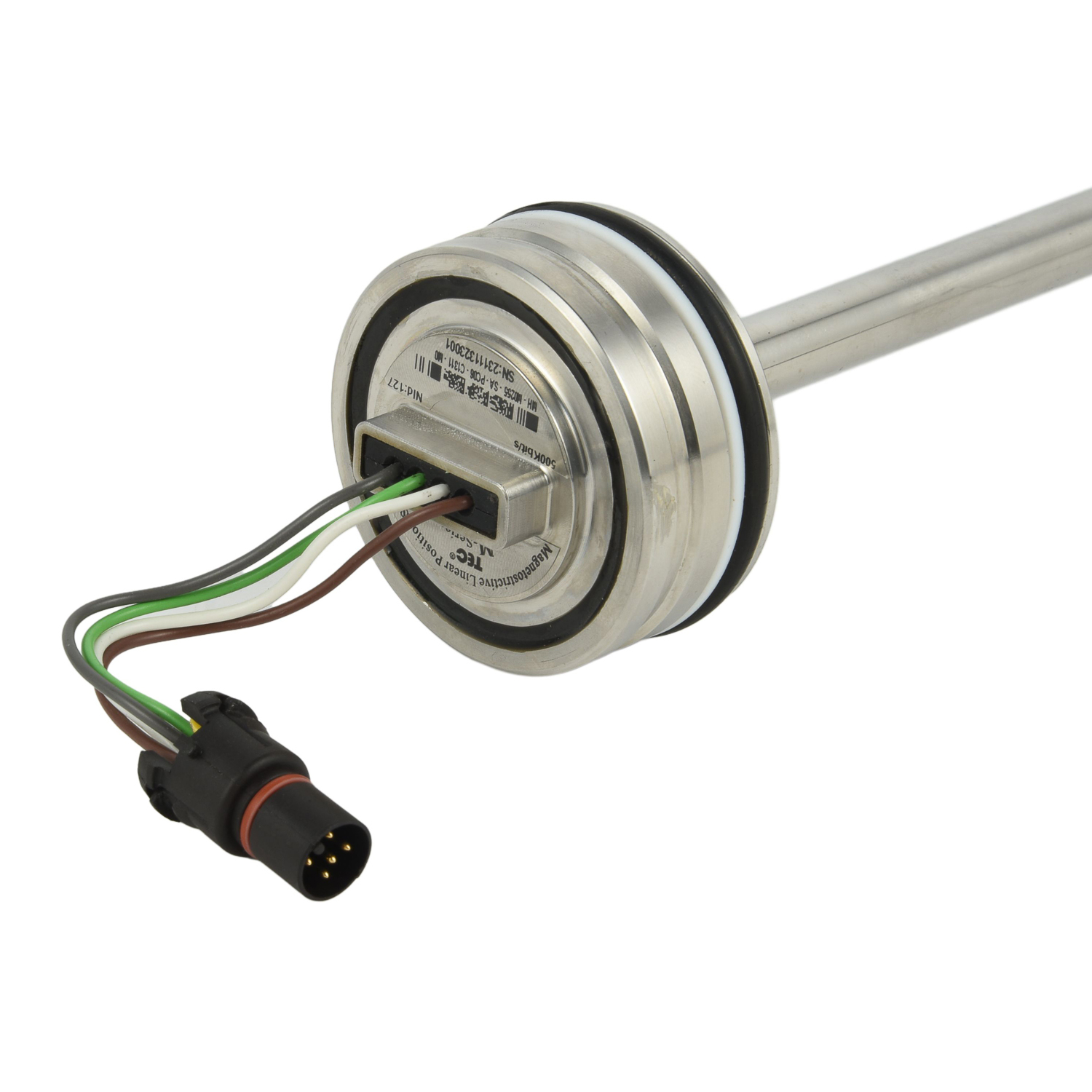
The sensor emits low-power high-frequency radar signals, often using FMCW or pulse radar. The signal reflects from the product surface, and the time-of-flight or frequency difference is converted into a precise level reading. Because the measurement is non-contact, it is not affected by corrosive liquids, viscous media, condensation, or changing density. It can measure liquids, slurries, granules, and powders inside tanks, silos, reactors, and pipelines.
Intrinsic safety limits the electrical energy and heat available in the circuit, preventing ignition even during a fault. Explosion-proof construction contains any internal explosion and prevents flame propagation. Together, these features support ATEX, IECEx, CSA, and other global approvals. Typical markings include Ex ia IIC T6 Ga, Ex d IIC T6, or Ex iaD for dust. The sensor housing is often stainless steel or coated aluminum with IP66/IP67/IP68 protection, making it suitable for outdoor and washdown conditions.
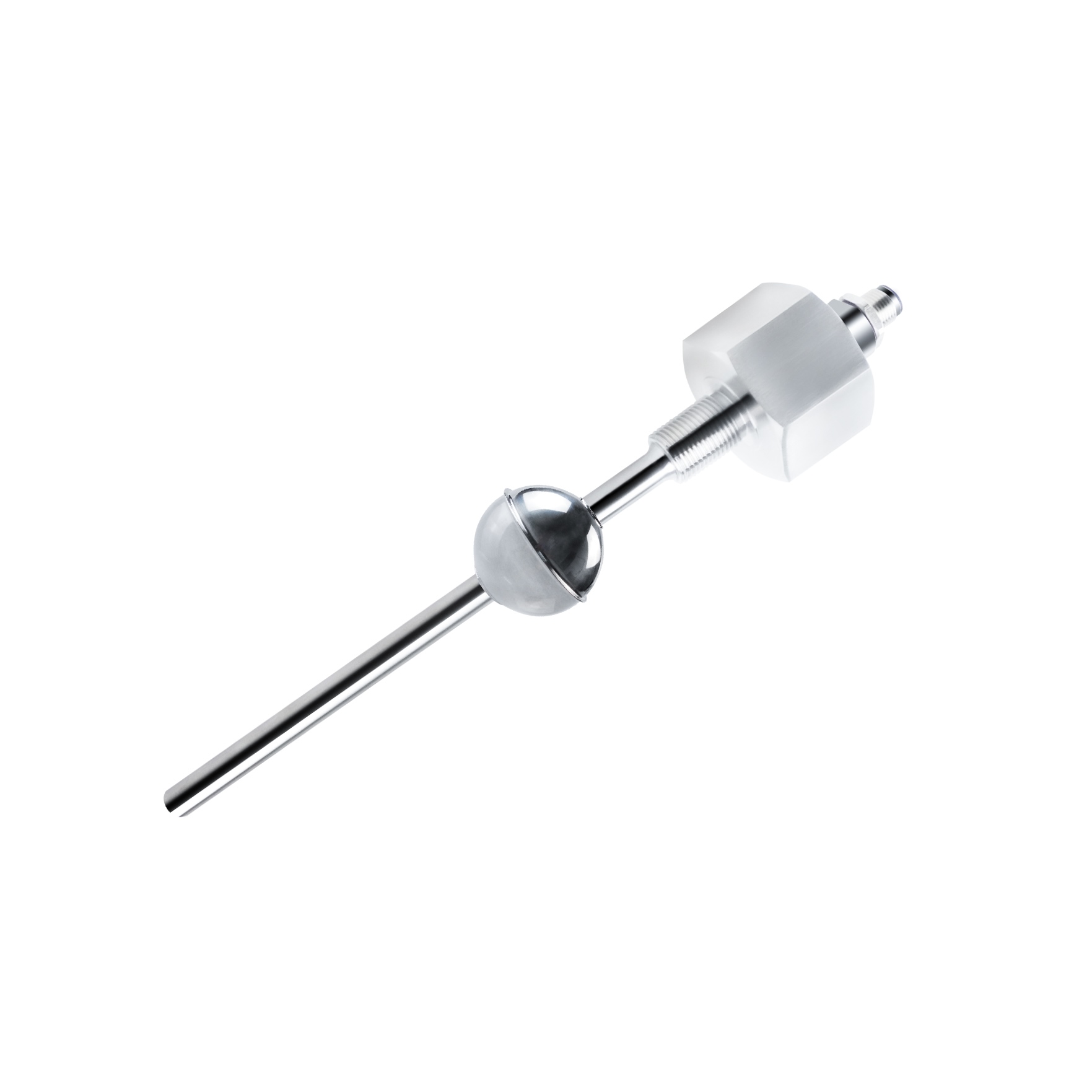 Import Substitute Radar Sensor
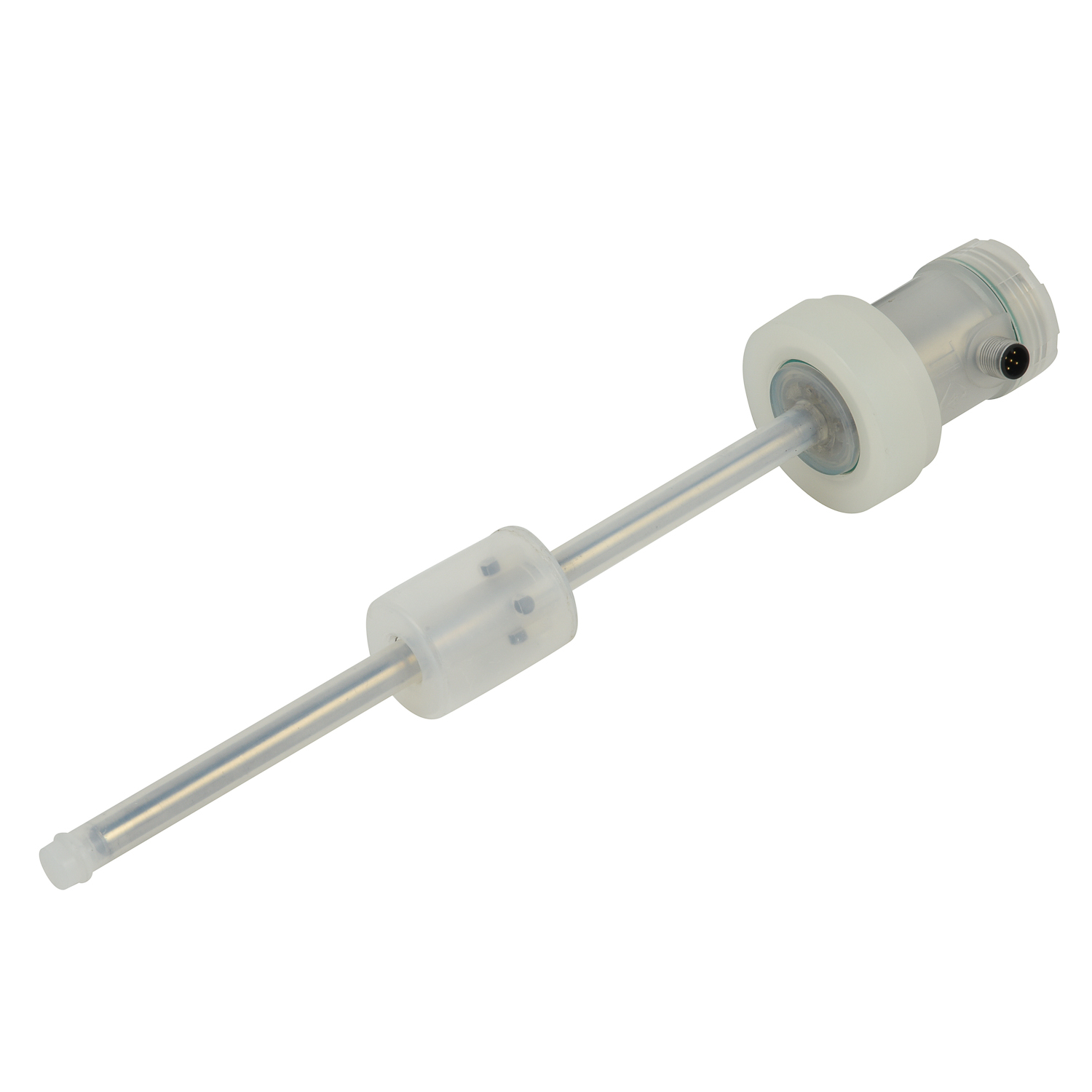 Installation Method of Radar S
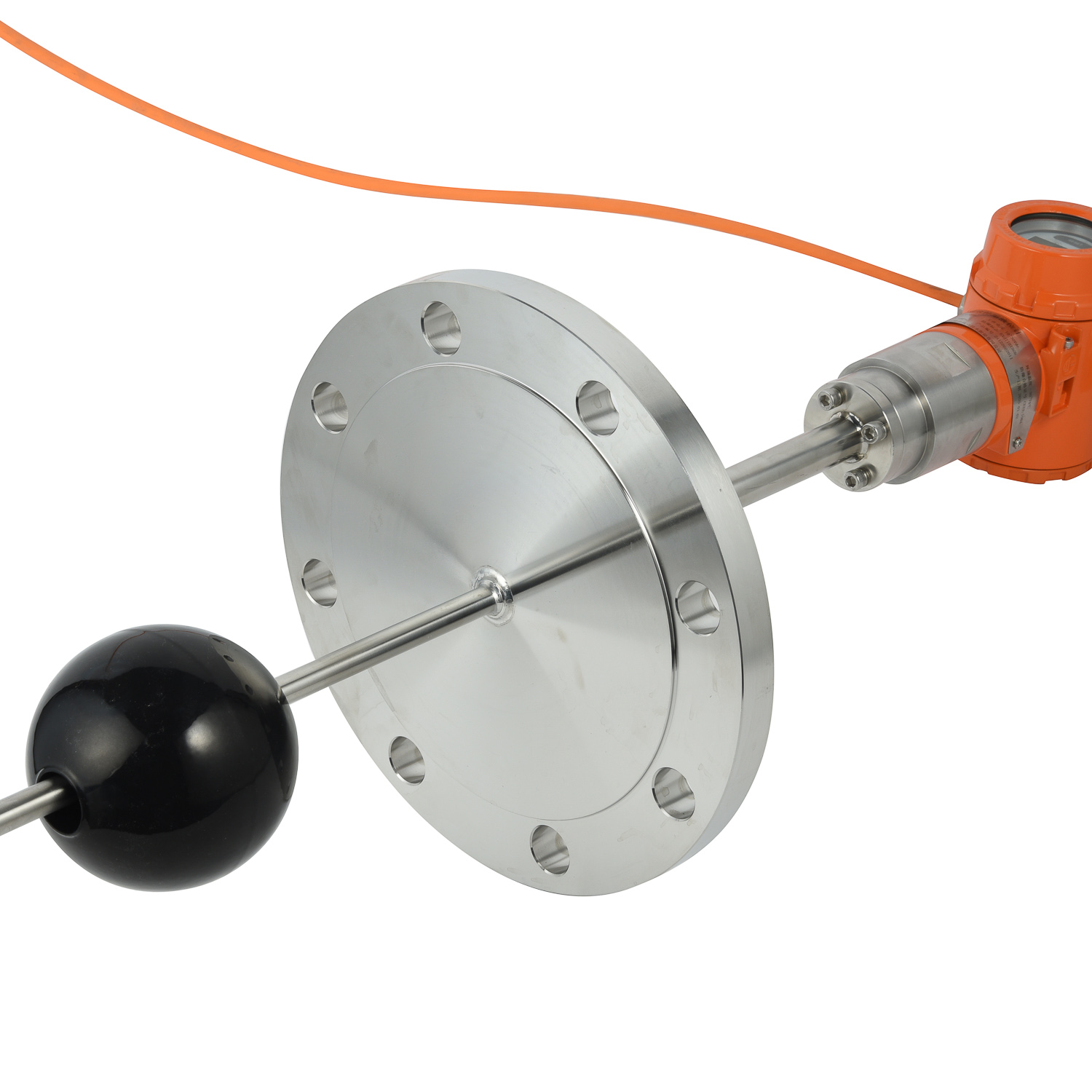 Working Principle of Radar Sen
 Technical Parameters of Radar