
Explosion-proof Radar Sensor
Explosion-proof radar sensors are specially designed level measurement devices for hazardous industrial environments where flammable gases, vapors, or combustible dust may be present. They use low-power microwave pulses or frequency-modulated continuous wave signals to detect the distance to a liquid, slurry, or solid surface. Because the electronics are sealed in a rugged, certified housing, the sensor cannot ignite the surrounding atmosphere. This makes it ideal for oil and gas, chemical, petrochemical, pharmaceutical, and mining applications.
These sensors operate reliably despite high pressure, extreme temperatures, steam, foam, and dust. Non-contact radar measurement reduces maintenance because there are no moving parts or wetted components. Common explosion-proof ratings include ATEX, IECEx, and North American Class I, Division 1 or Zone 0/1. When selecting a model, consider frequency, beam angle, measuring range, process connection, antenna material, output signal, and required safety certification. Correct installation, grounding, and barrier wiring are essential for safe performance.
With accurate continuous level data, explosion-proof radar sensors improve process control, prevent overfill and protect people, assets and the environment. Regular inspection and calibration help ensure long-term reliability in demanding plants. They also support remote monitoring and SIL-rated safety loops in refineries and tank farms. Proper maintenance ensures dependable operation.
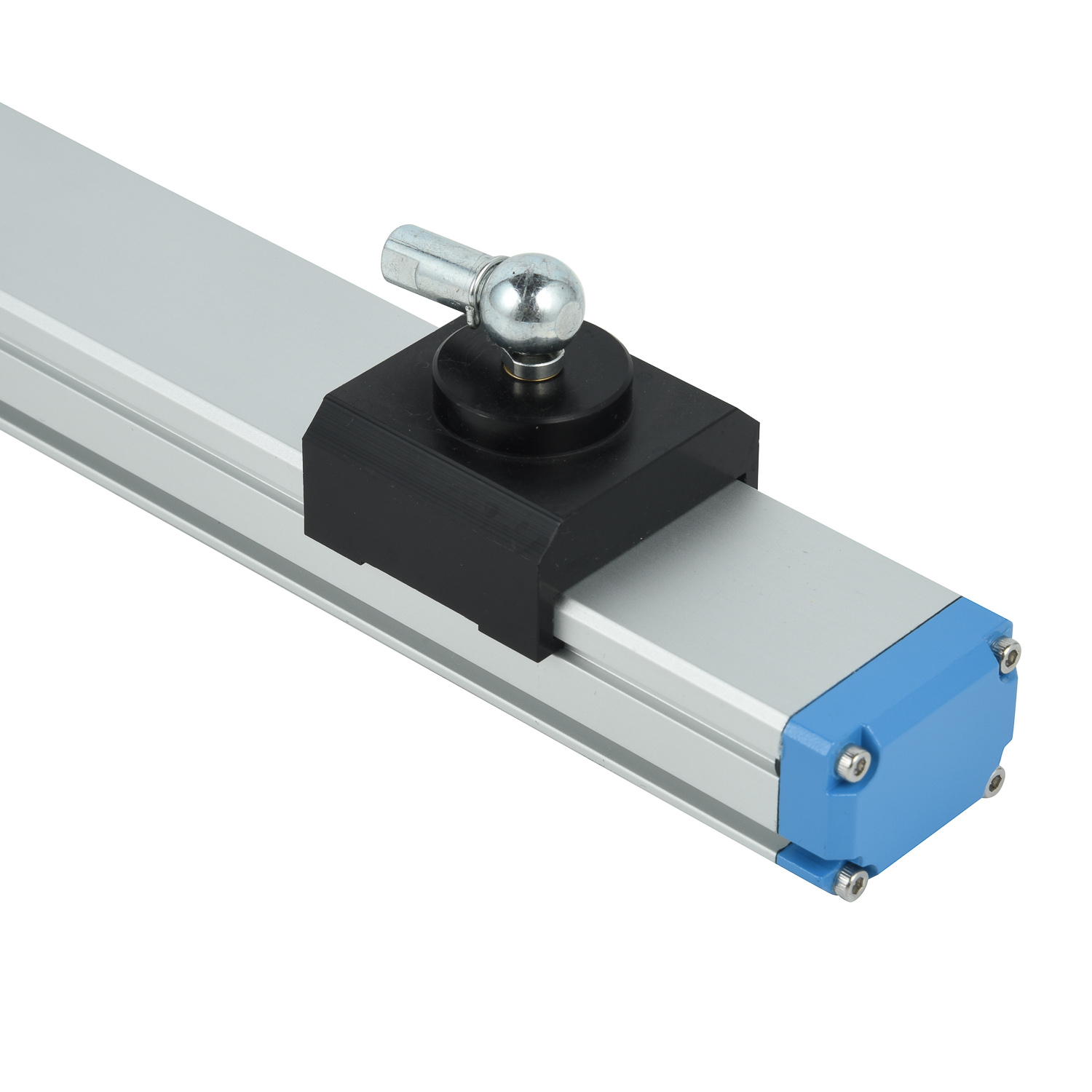
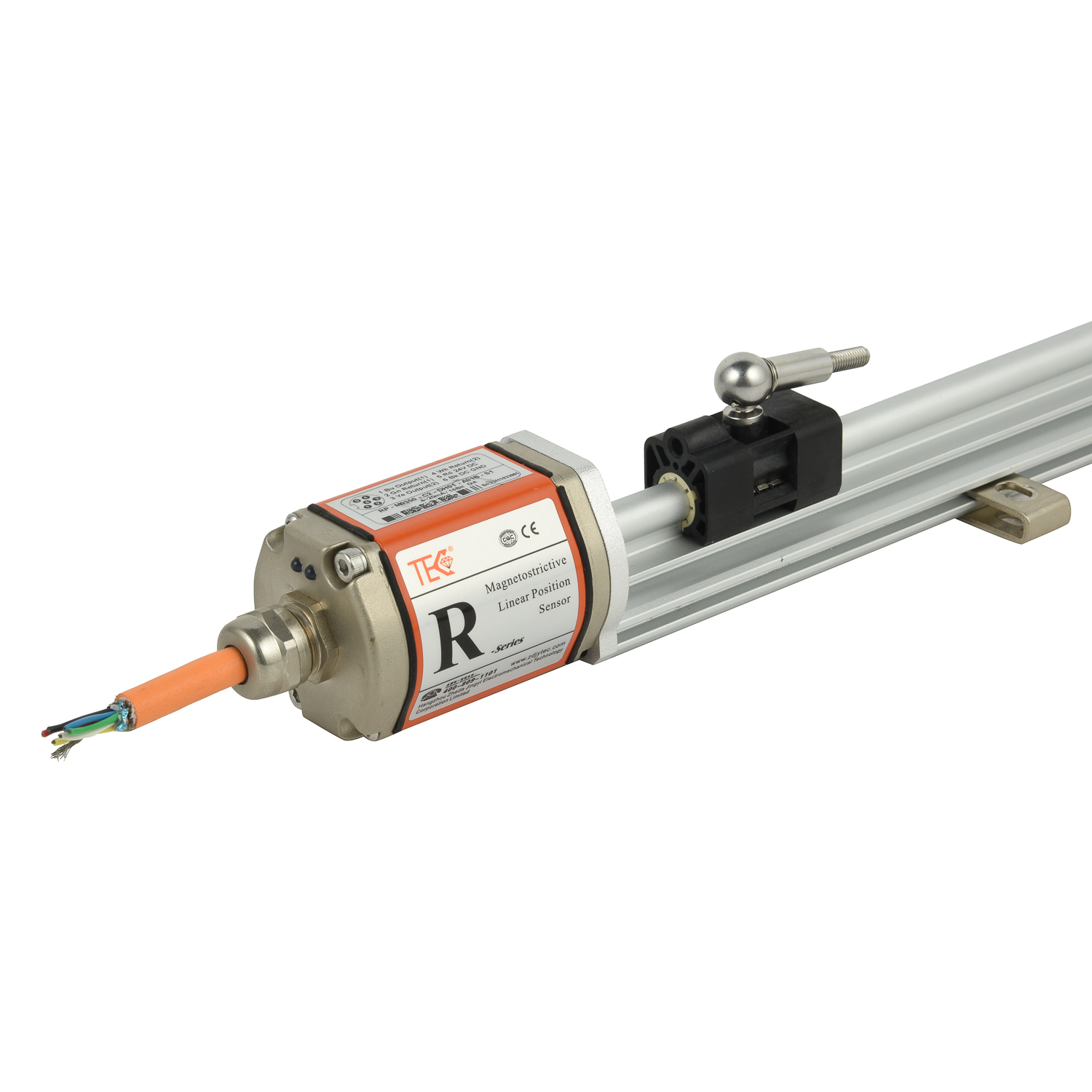 Field Application of Radar Sen
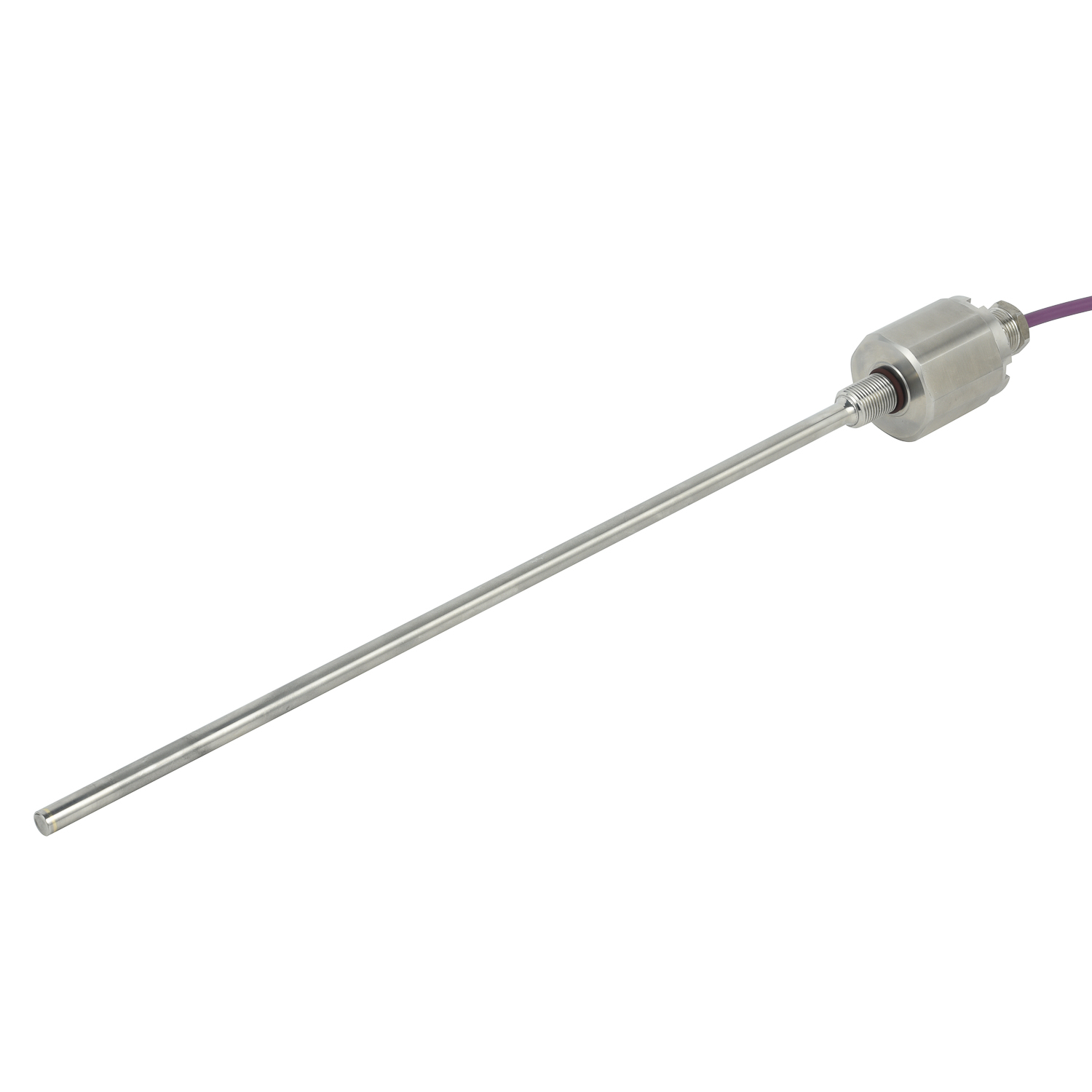 Model and Specification of Rad
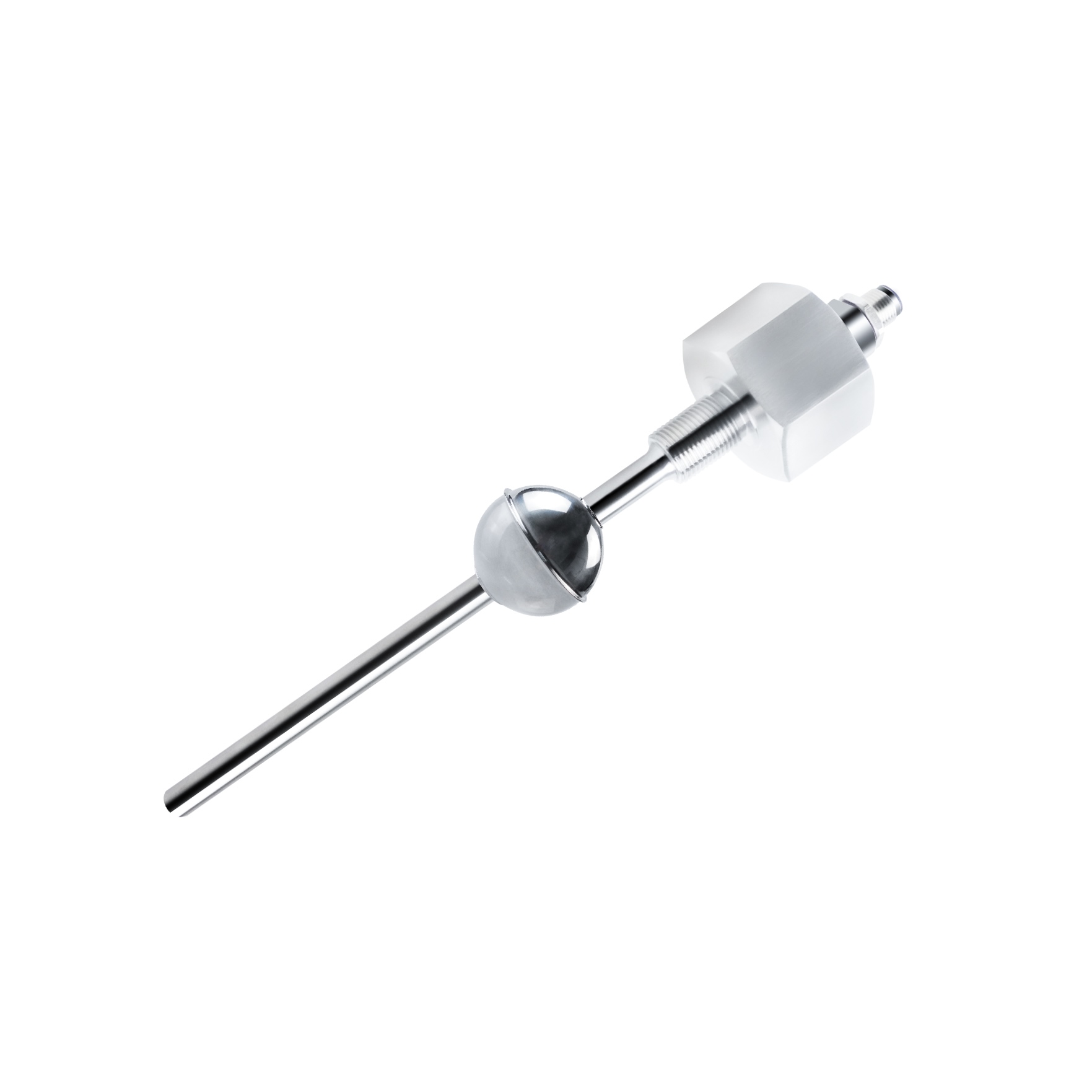 Import Substitute Radar Sensor
 Installation Method of Radar S