
Field Application of Radar Sensor
Radar sensors have moved beyond military systems. Today they are practical field devices used in traffic monitoring, industrial automation, security, agriculture, and autonomous vehicles. Radar works in darkness, rain, fog, and dust. It measures distance, speed, angle, and presence without touching the target, making it reliable for harsh outdoor environments.
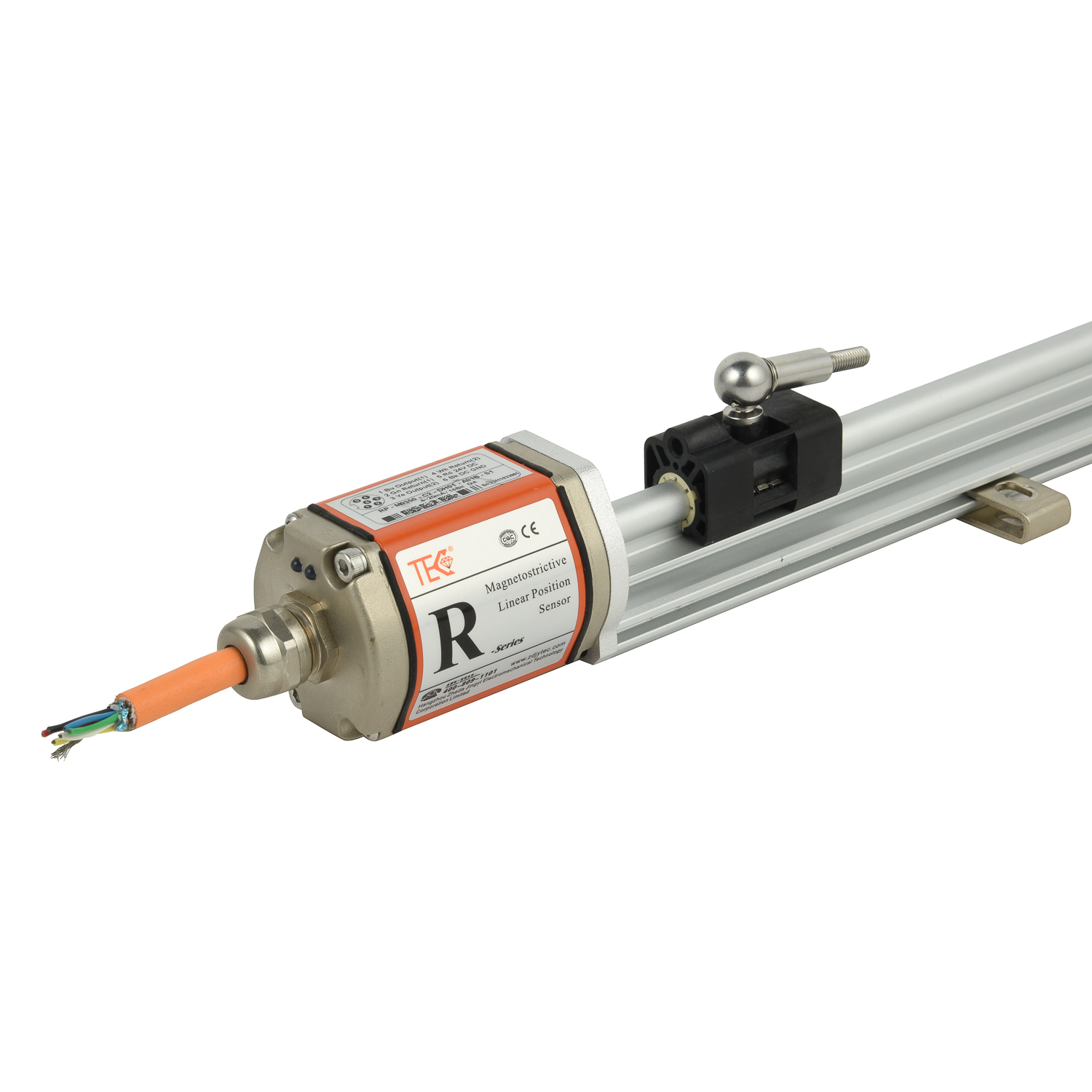
In traffic management, radar sensors mounted on poles or gantries count vehicles, classify lanes, and detect speed violations. They help adaptive traffic lights respond to real flow, reducing congestion. In industrial automation, radar sensors monitor silo levels, detect obstacles around robots, and trigger safety stops. They penetrate plastic and dust, suiting cement plants, mines, and food lines.
Autonomous vehicles use radar for adaptive cruise control, blind-spot detection, and collision warning. Radar complements lidar and cameras by providing robust range and velocity in poor weather. In agriculture, radar sensors guide harvesters, measure sprayer height, and detect crop rows. Security systems use them for perimeter protection, detecting intruders.
Field deployment requires calibration, interference management, and rugged housing. Engineers must consider frequency bands, mounting angle, and environmental reflections. With edge processing and AI, radar sensors classify objects and reduce false alarms. As costs fall and resolution rises, radar will become a core sensing layer in smart cities, factories, farms, and roads.
Field Application of Radar Sen
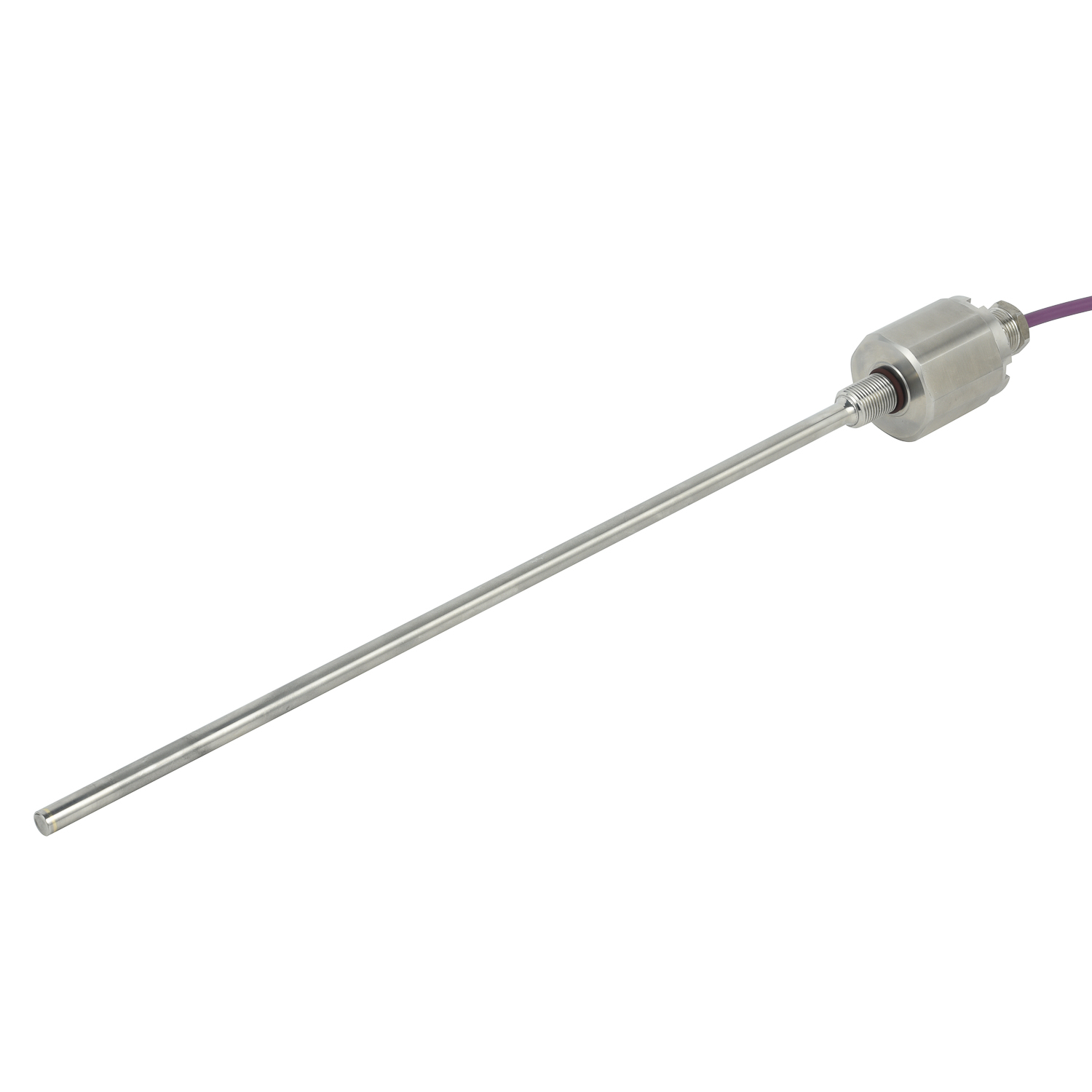 Model and Specification of Rad
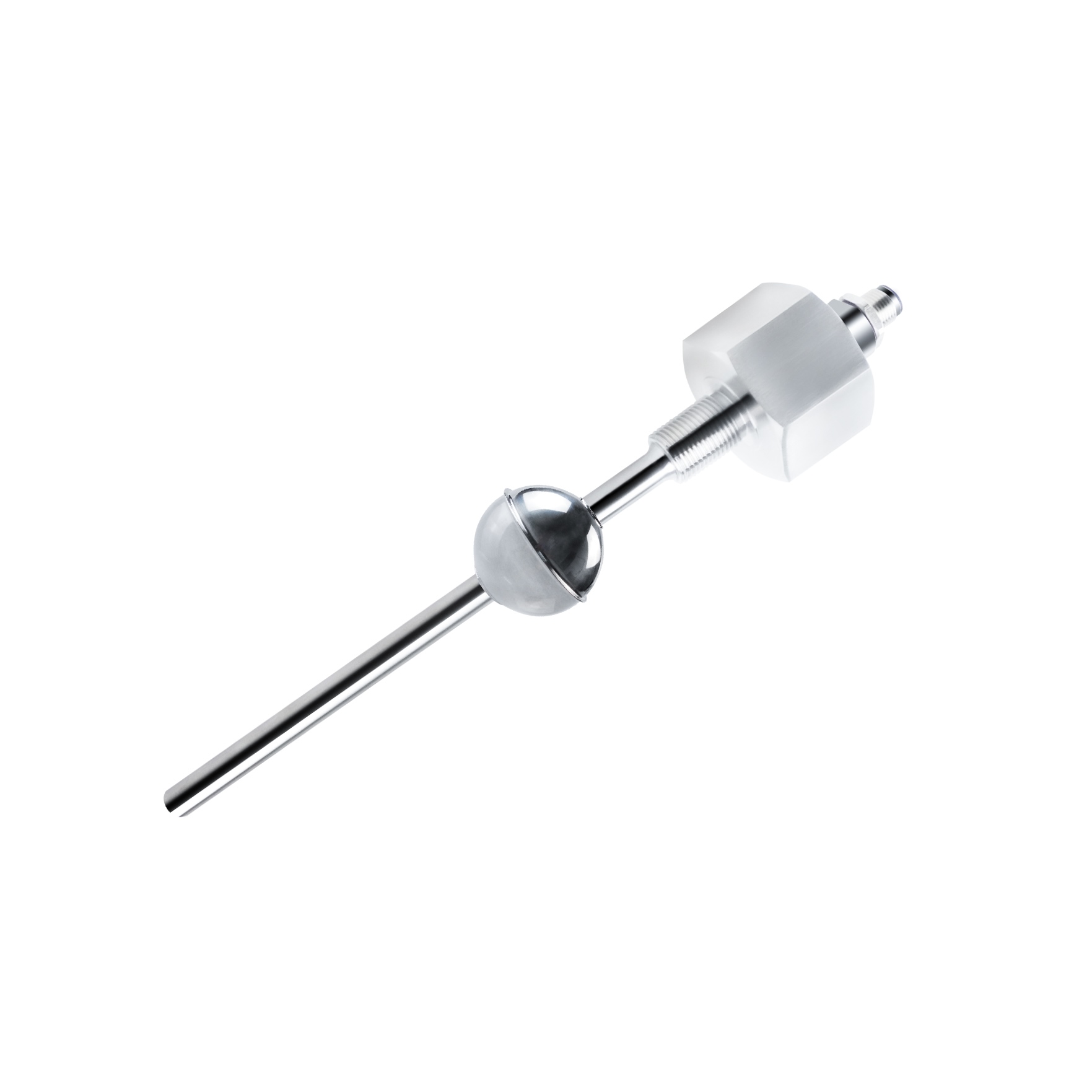 Import Substitute Radar Sensor
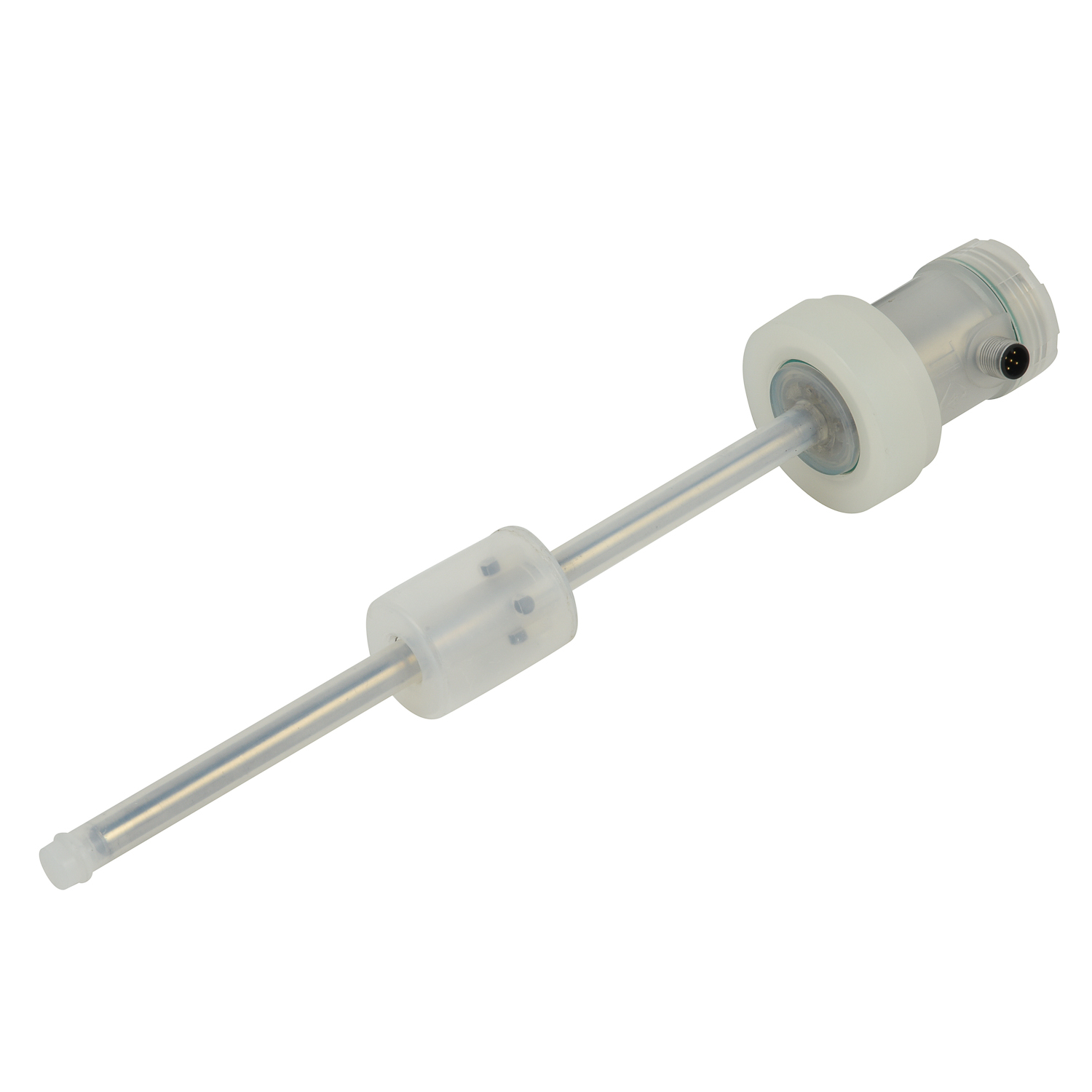 Installation Method of Radar S