
Radar Sensor Fault
Radar sensor faults can disable advanced driver assistance systems (ADAS), such as adaptive cruise control, blind spot monitoring, and automatic emergency braking. These sensors use radio waves to detect objects, so dirt, damage, or misalignment can trigger a fault code.
Common causes include mud, snow, ice, or water covering the sensor. A loose bracket, bent mount, or minor collision can shift its angle. Damaged wiring, corroded connectors, low voltage, or water intrusion may cause intermittent failures. Software glitches or missing calibration after bumper repairs can also create radar errors.
Symptoms include an ADAS warning light, "radar blocked" messages, cruise control dropping out, false collision alerts, or disabled safety features. Some vehicles limit radar-based functions until the fault is fixed.
To diagnose the issue, inspect and clean the sensor area. Look for cracks, dents, or loose mounting. Scan the vehicle with an OBD-II or manufacturer-specific tool to read codes. Check live data for signal strength, voltage, and communication. Inspect wiring and connectors for corrosion or damage. If the sensor is misaligned or replaced, calibration is usually required.
Repairs depend on the cause. Cleaning or reconnecting may fix temporary faults. Damaged wiring needs repair. A cracked or failed radar sensor must be replaced and calibrated. Never ignore radar faults, because safety systems may not work when needed. Prevention is simple: clean sensors and repair damage early.
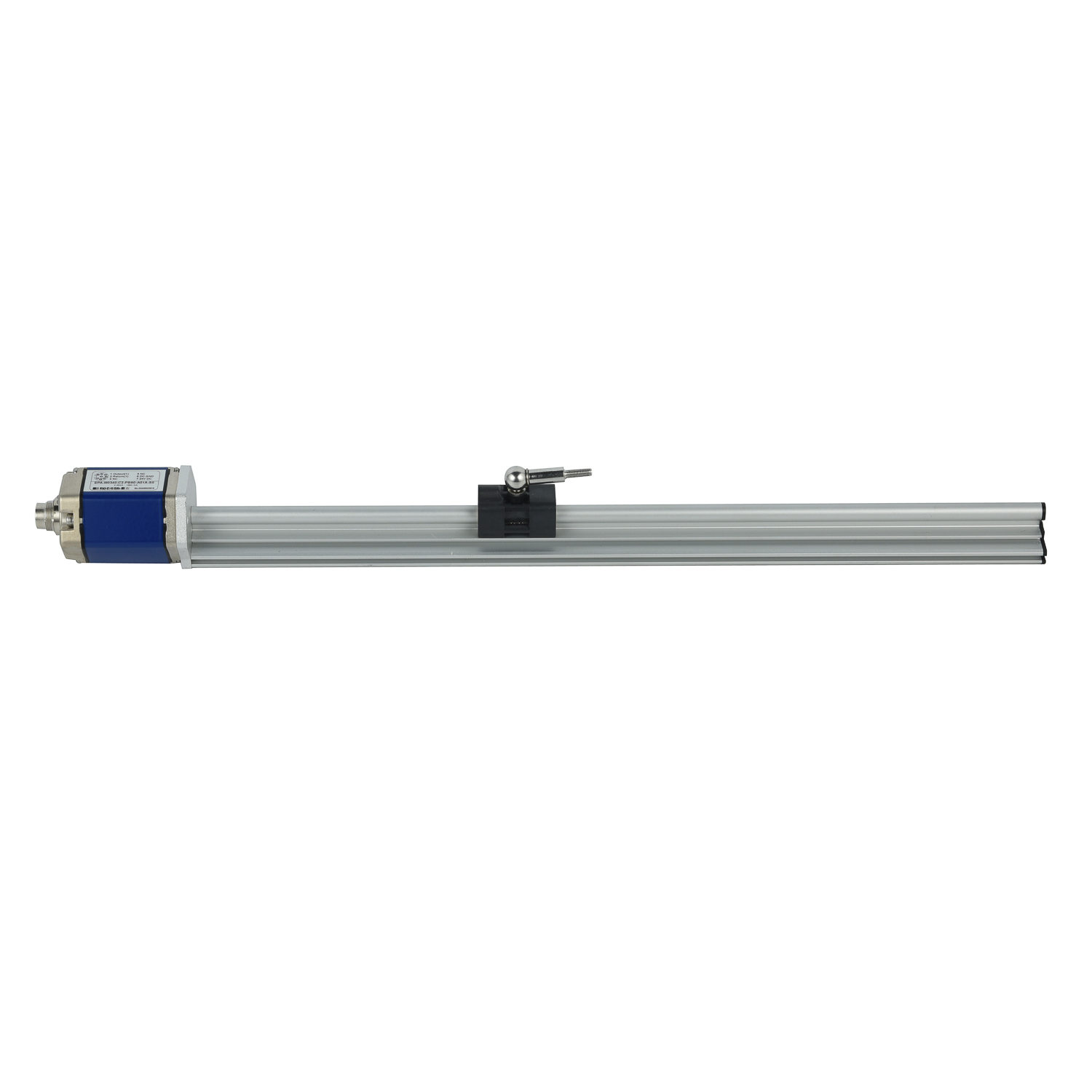 Radar Sensor Fault
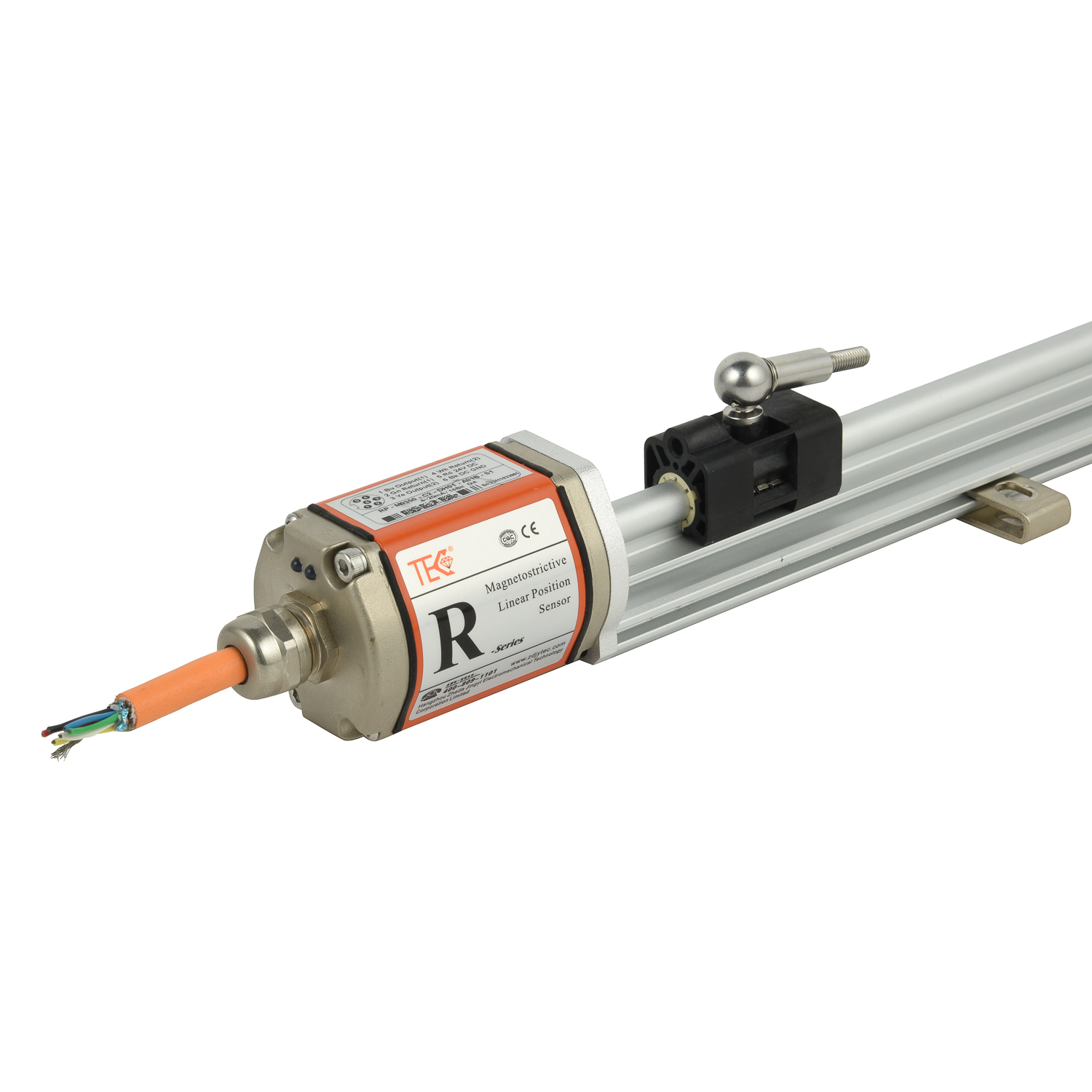 Field Application of Radar Sen
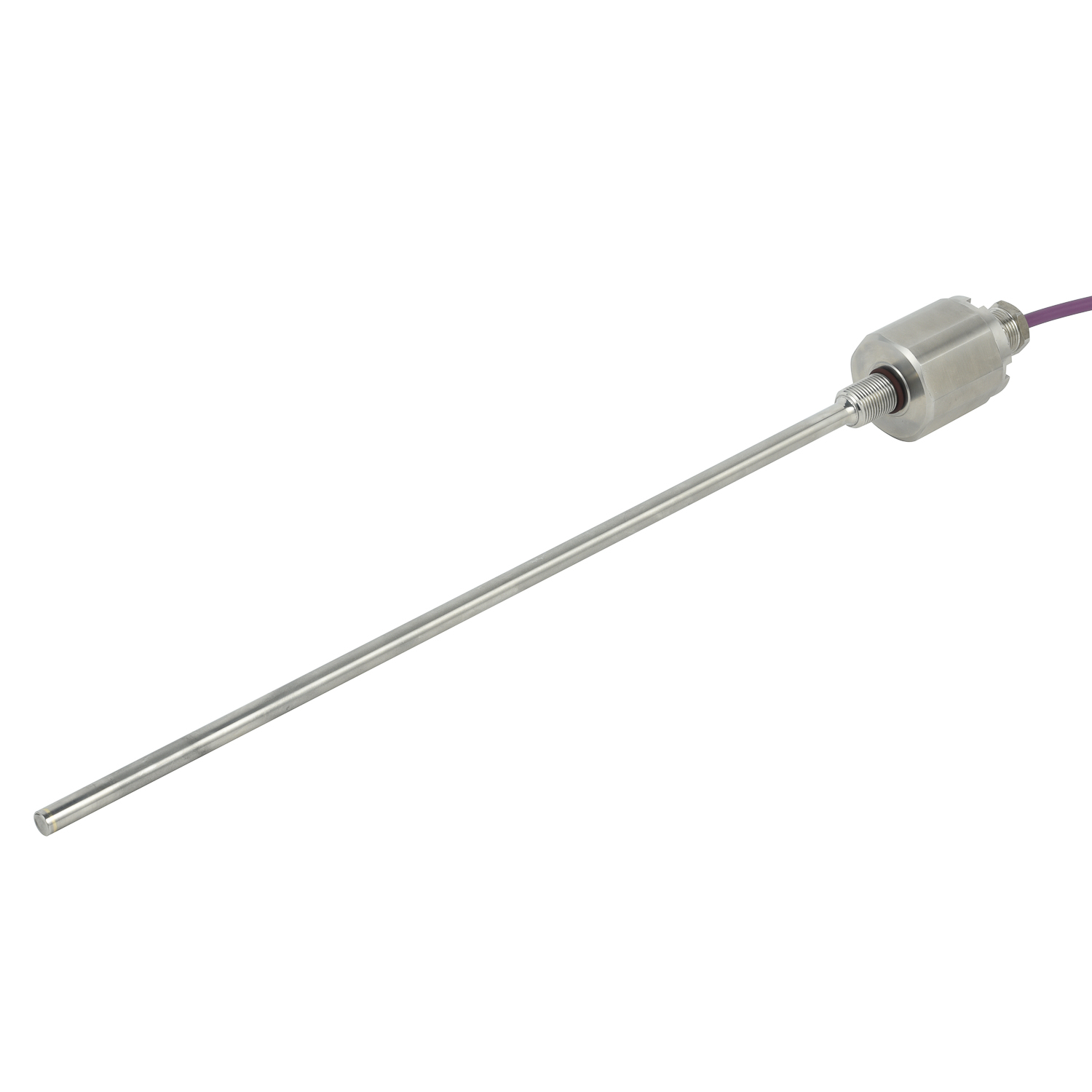 Model and Specification of Rad
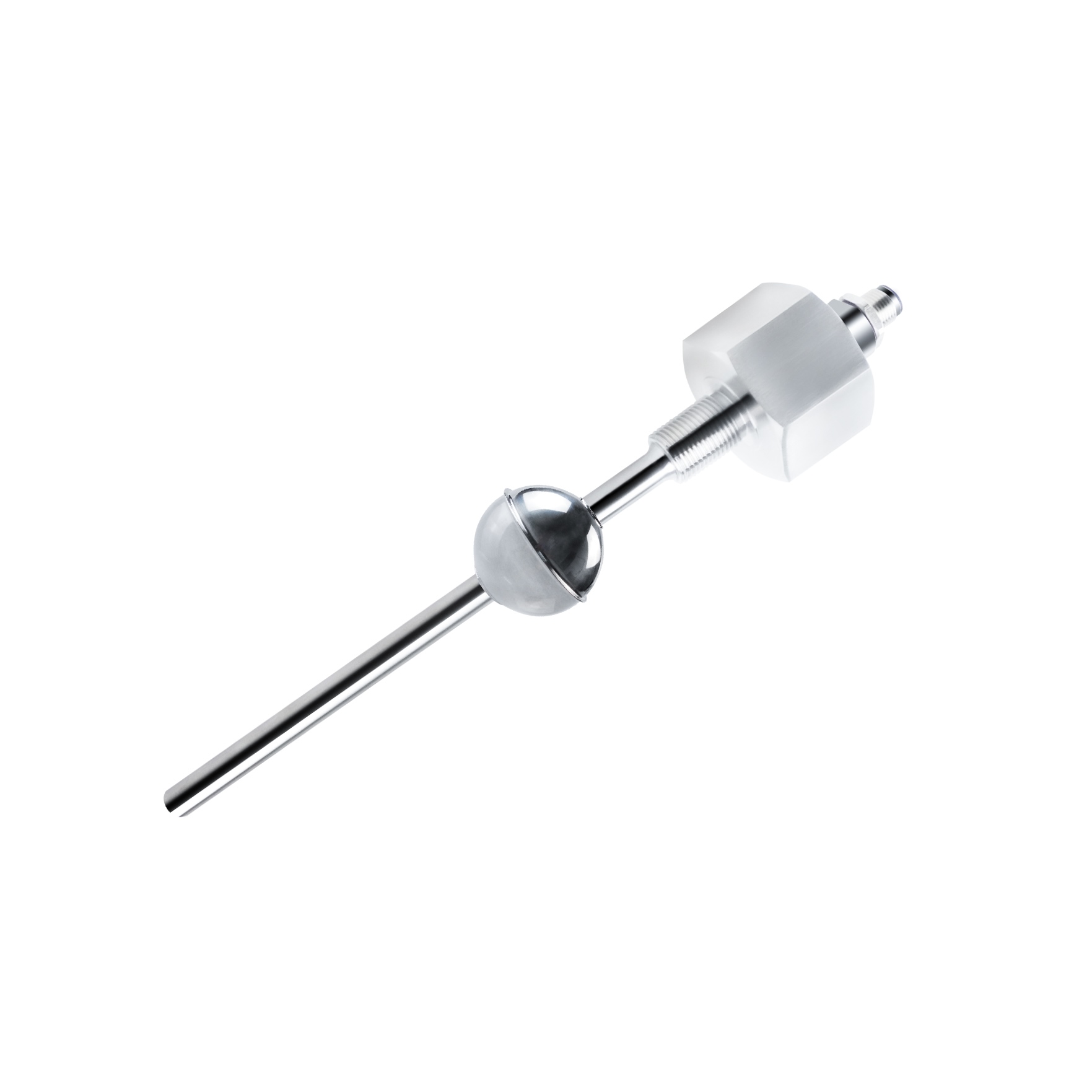 Import Substitute Radar Sensor