
Waterproof Crane and Trolley Positioning
Waterproof crane and trolley positioning systems are essential in ports, steel mills, wastewater plants, and outdoor yards. Rain, steam, dust, and washdowns can damage standard sensors, causing inaccurate movement, downtime, and safety risks. A waterproof crane uses sealed motors, IP65/IP67 enclosures, and protected cables. Trolley positioning tells the control system exactly where the hoist and trolley are along the bridge or runway.
Accurate positioning depends on the right technology. Absolute encoders on wheels or gear racks provide reliable travel distance after power loss. Laser sensors offer non-contact measurement for long runways. RFID tags and barcode strips identify zones and slow-down points. Magnetic sensors deliver stable feedback in dirty conditions. Outdoor cranes may use GPS or RTK, but local sensors remain necessary for final precision and anti-collision.
Waterproof design must stop water ingress at every joint. Use IP-rated connectors, stainless-steel hardware, and breathable enclosures. Add heaters in cold storage or winter ports. Cable carriers should drain water and resist UV. Inspect seals, gaskets, and sensor lenses regularly.
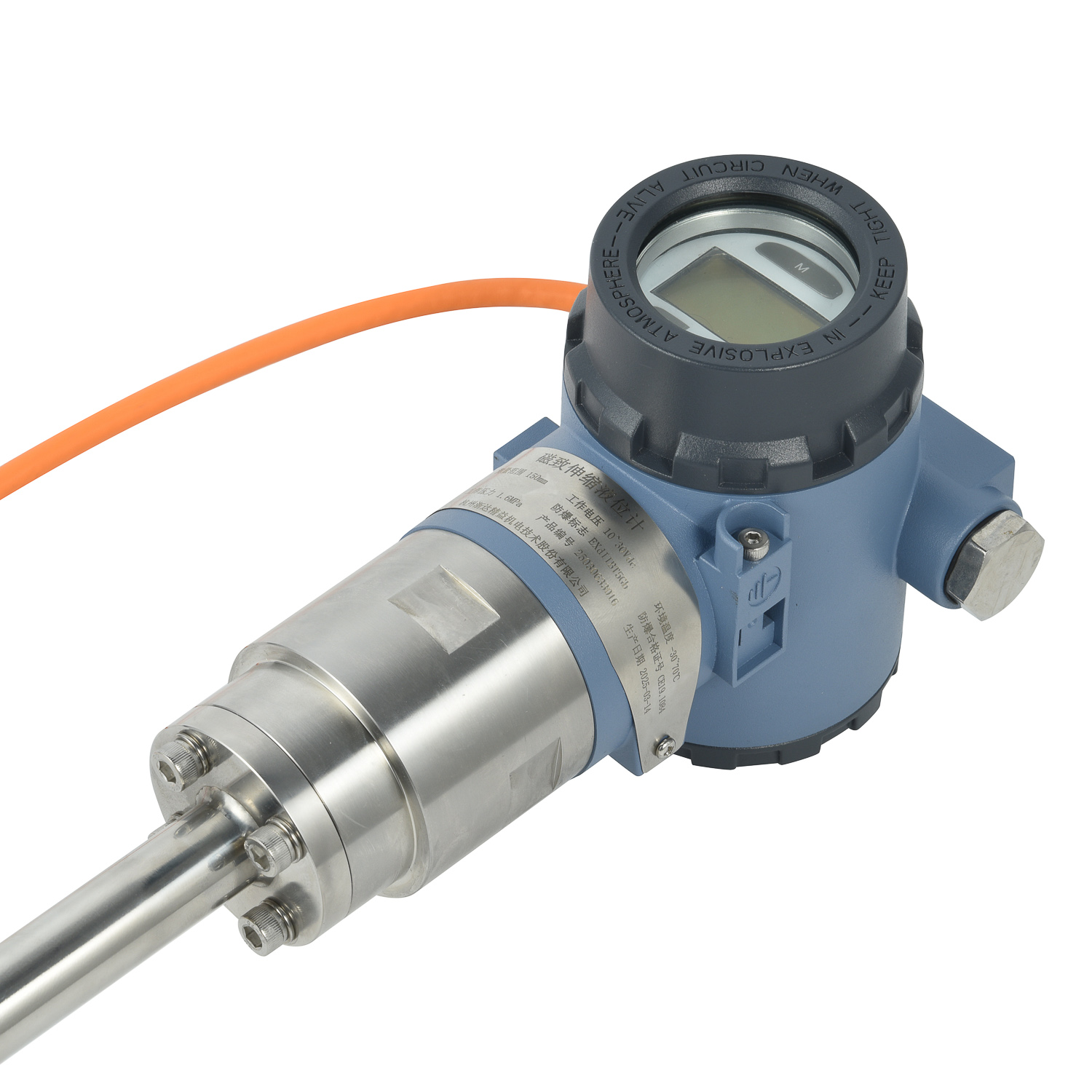
Trolley positioning also supports automation. With accurate feedback, the PLC can automate pick-and-place, stacking, and collision avoidance. Anti-sway algorithms use trolley speed and position data to reduce load swing. Redundant sensors are recommended for critical lifts. Wireless controls and monitoring track alignment, vibration, moisture alarms.
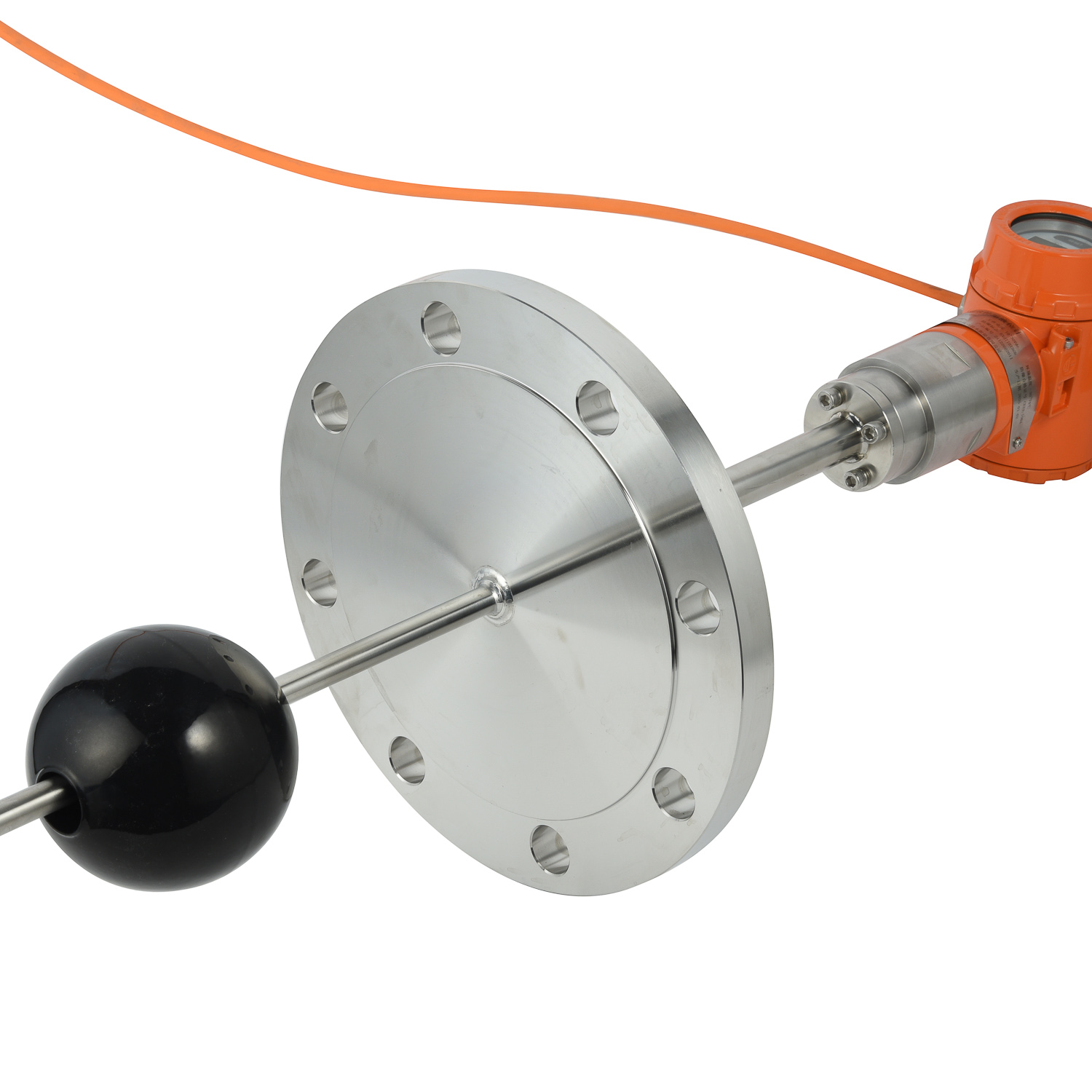 Corrosion-resistant Crane and
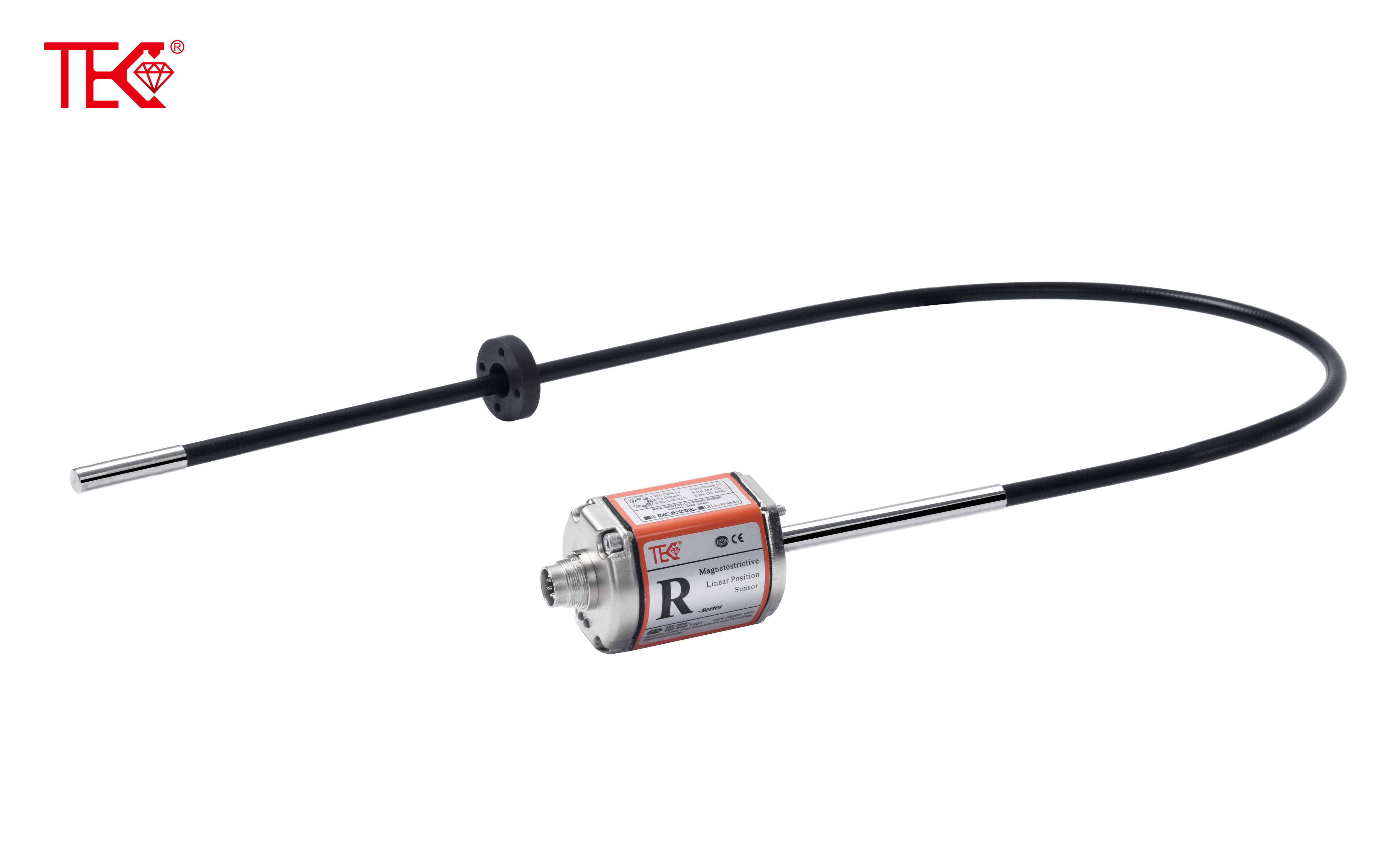 High-pressure Crane and Trolle
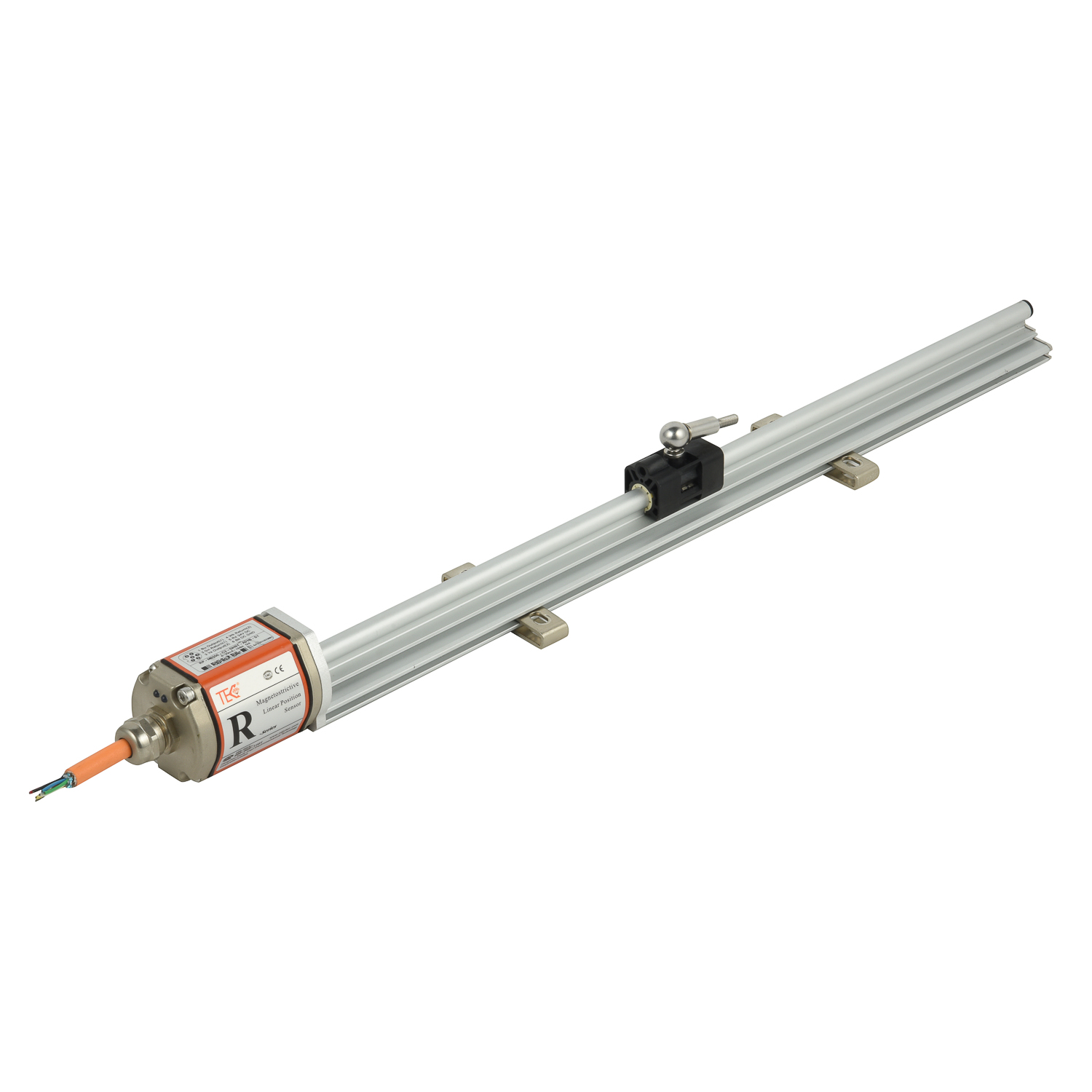 High-temperature Crane and Tro
Waterproof Crane and Trolley P
High-temperature Crane and Tro
Waterproof Crane and Trolley P