
High-pressure Crane and Trolley Positioning
High-pressure crane and trolley positioning is vital in steel mills, nuclear plants, and offshore sites. These cranes work under heat, dust, vibration, and pressure. Accurate positioning keeps loads stable, avoids collisions, and improves cycle time.
Modern systems use laser sensors, absolute encoders, RFID tags, and PLC controls. They track the bridge, trolley, and hoist in real time. As the trolley nears a target, the controller switches from fast travel to slow, creep, and stop. This staged motion cuts sway and wear.
High-pressure conditions demand rugged hardware. Hydraulic units may overheat or leak. Electrical parts must resist moisture, oil, and contaminants. IP-rated sensors, sealed cabinets, and redundant feedback loops are essential. If one sensor fails, a backup encoder or laser keeps position reliable.
PLC and SCADA integration supports remote monitoring. Operators view coordinates, load weight, and fault alarms. Data logs help predict maintenance and reduce downtime. Advanced algorithms compensate for rail expansion, wheel slip, and wind. Anti-sway control places loads within millimeters.
Commissioning requires careful calibration. Technicians set reference points, test repeatability, and check emergency stops. Regular inspection of rails, wheels, and sensors keeps accuracy stable. Operators also need training on limits, alarms, and manual recovery.
High-pressure crane and trolley positioning depends on robust sensors, smart control, and disciplined maintenance. Precision is essential.
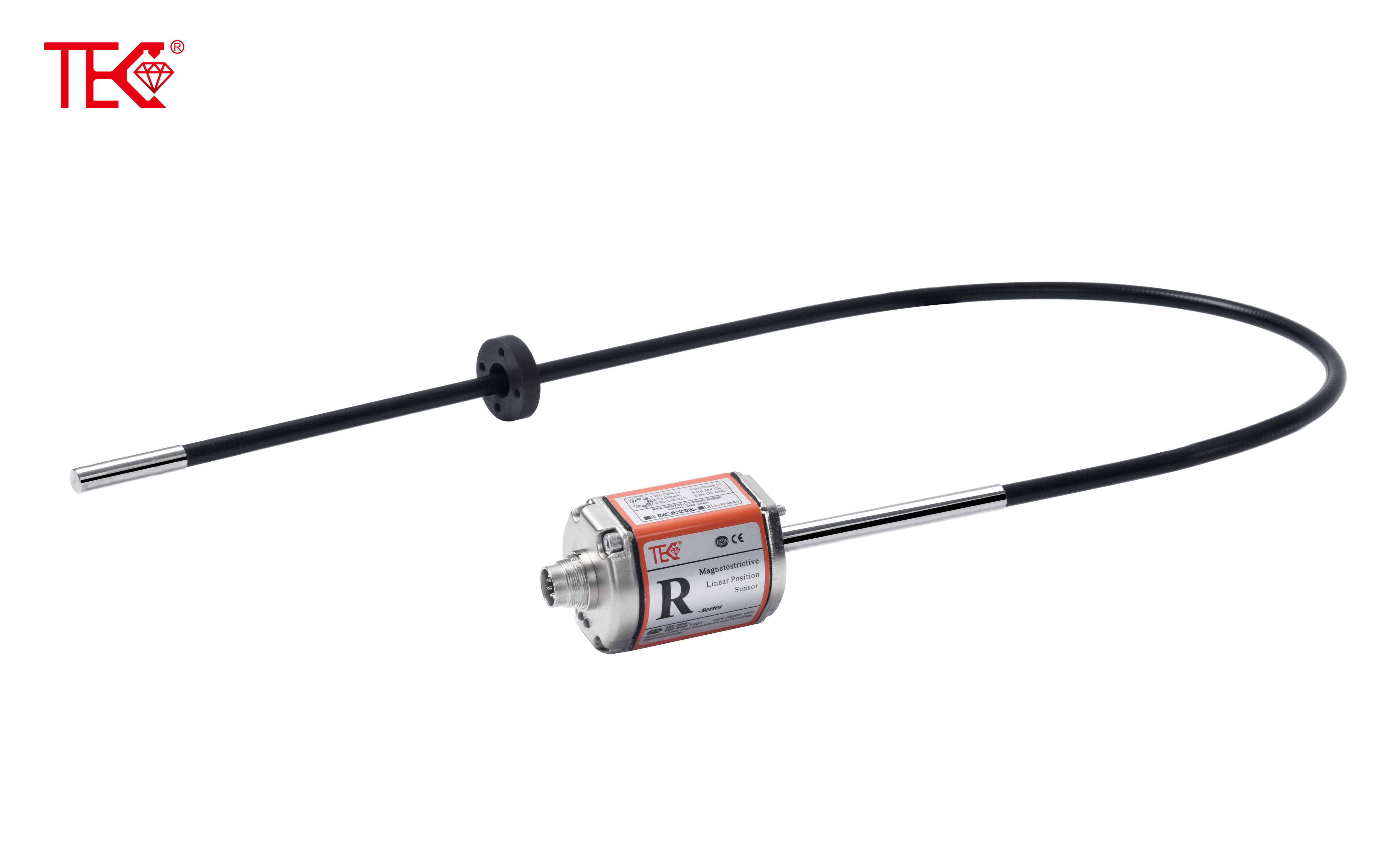
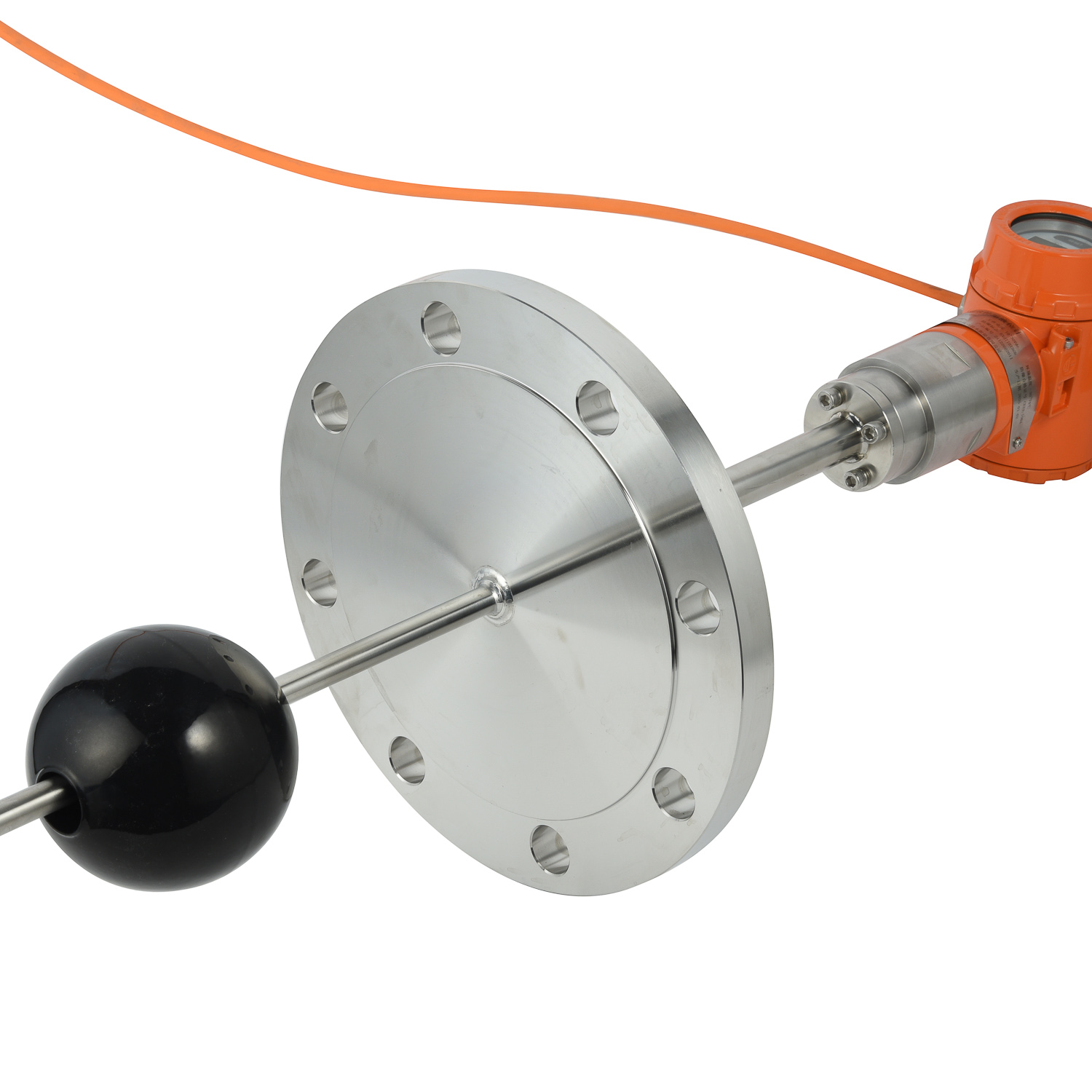 Corrosion-resistant Crane and
High-pressure Crane and Trolle
Corrosion-resistant Crane and
High-pressure Crane and Trolle
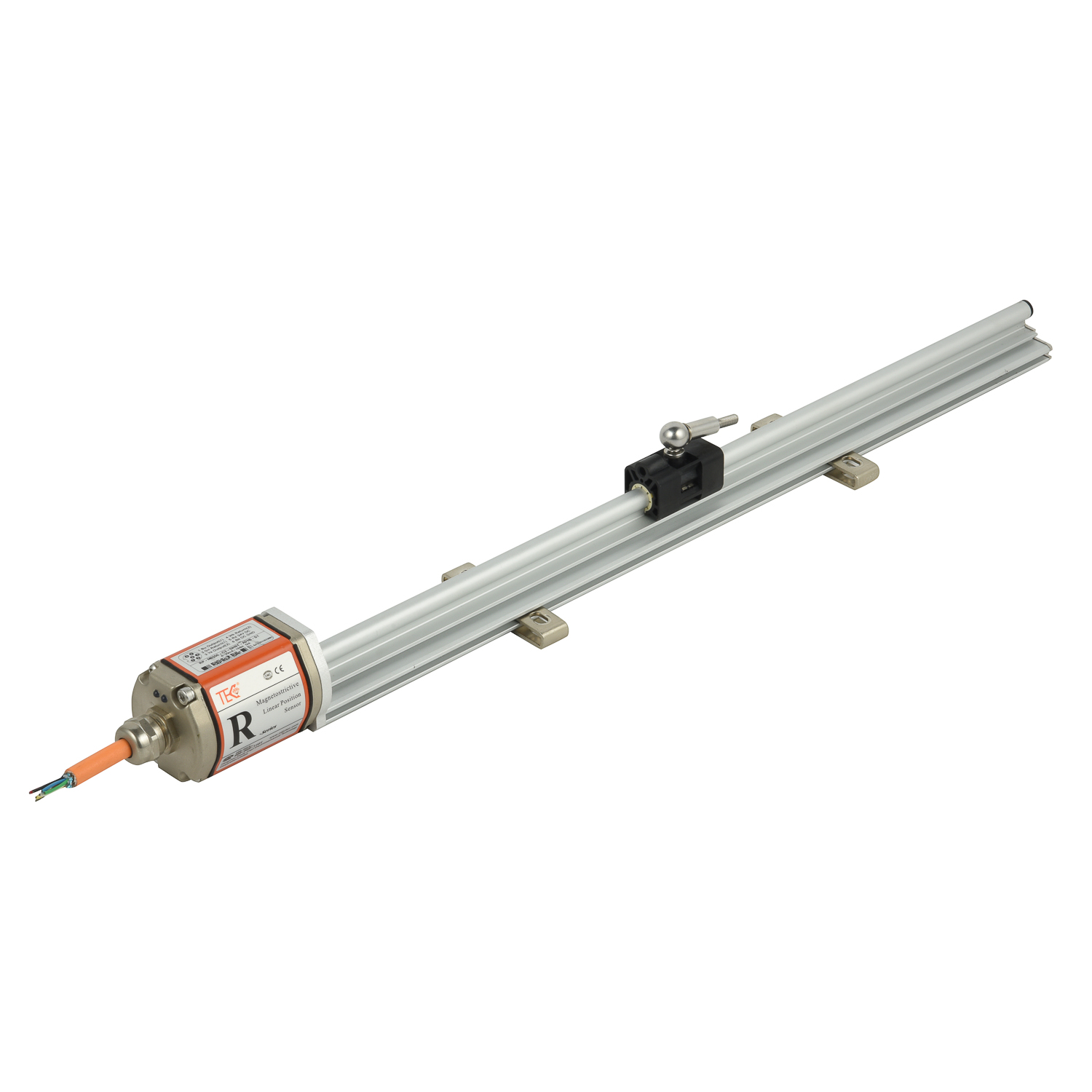 High-temperature Crane and Tro
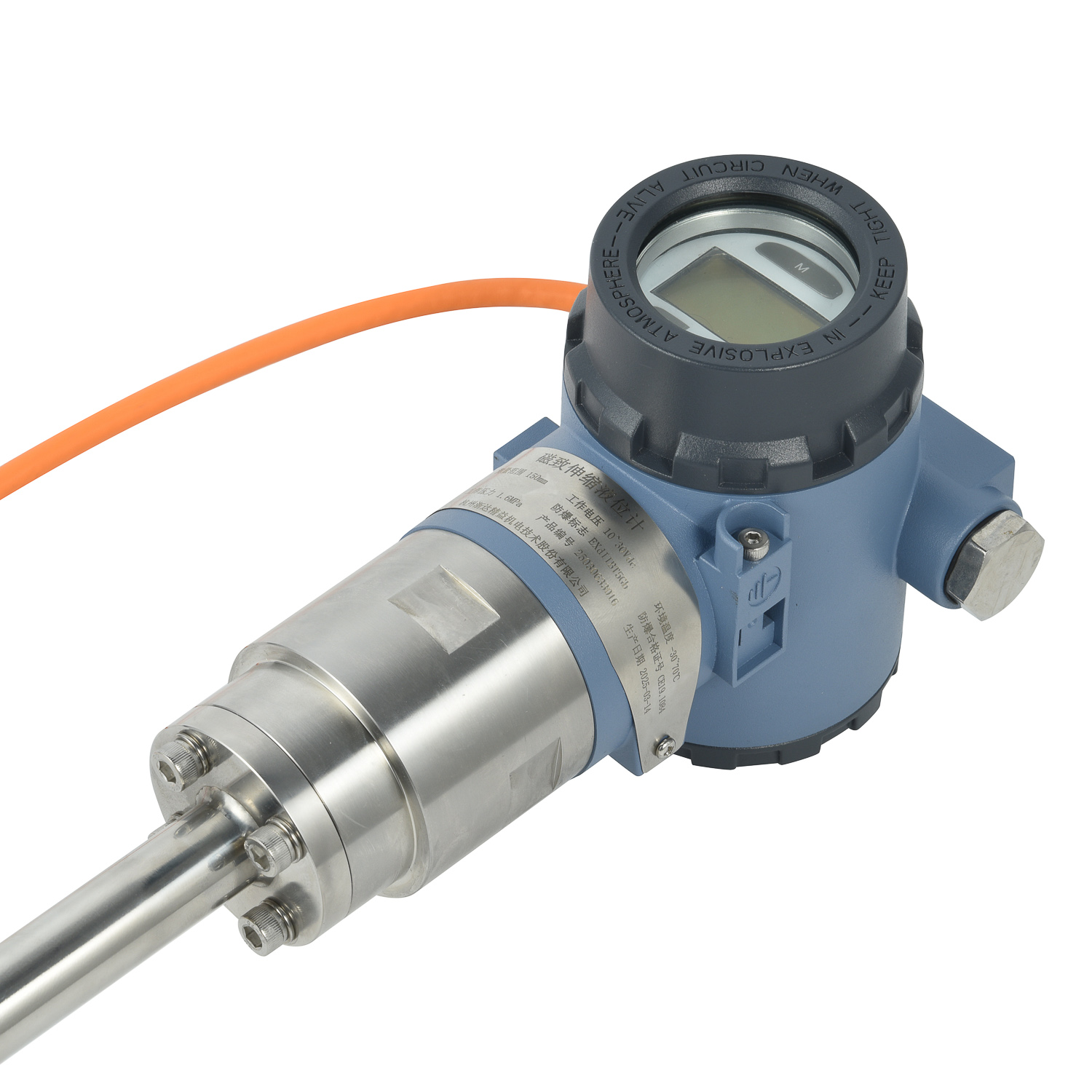 Waterproof Crane and Trolley P