
Corrosion-resistant Crane and Trolley Positioning
Corrosion-resistant crane and trolley positioning is essential in chemical plants, offshore platforms, ports, wastewater facilities, and food processing lines where moisture, salt, acids, and cleaning agents attack standard components. A reliable system combines rugged hardware with accurate control. Stainless steel or galvanized rails, sealed bearings, epoxy-coated frames, and IP67 sensors resist rust and chemical damage. For trolley positioning, laser distance sensors, absolute encoders, barcode strips, or RFID tags provide stable feedback even when dust, steam, or vibration are present. PLC and VFD logic then adjust travel speed, braking, and anti-sway control. This ensures the hook or trolley stops within millimeters of the target, reducing load swing and collision risk. Maintenance teams should schedule inspections, check cable festoons, clean optical windows, and replace seals before corrosion spreads. Remote diagnostics and predictive monitoring further cut downtime. By choosing corrosion-resistant materials and robust positioning technology, operators improve safety, throughput, and service life in tough environments. Designers should select materials based on exposure class, humidity, chemical concentration, and washdown frequency. Modular rails and sealed junction boxes simplify repairs. Drainage, rounded corners, and protective coatings prevent pitting and crevice corrosion. Calibration keeps positioning accuracy stable after temperature changes or mechanical wear.
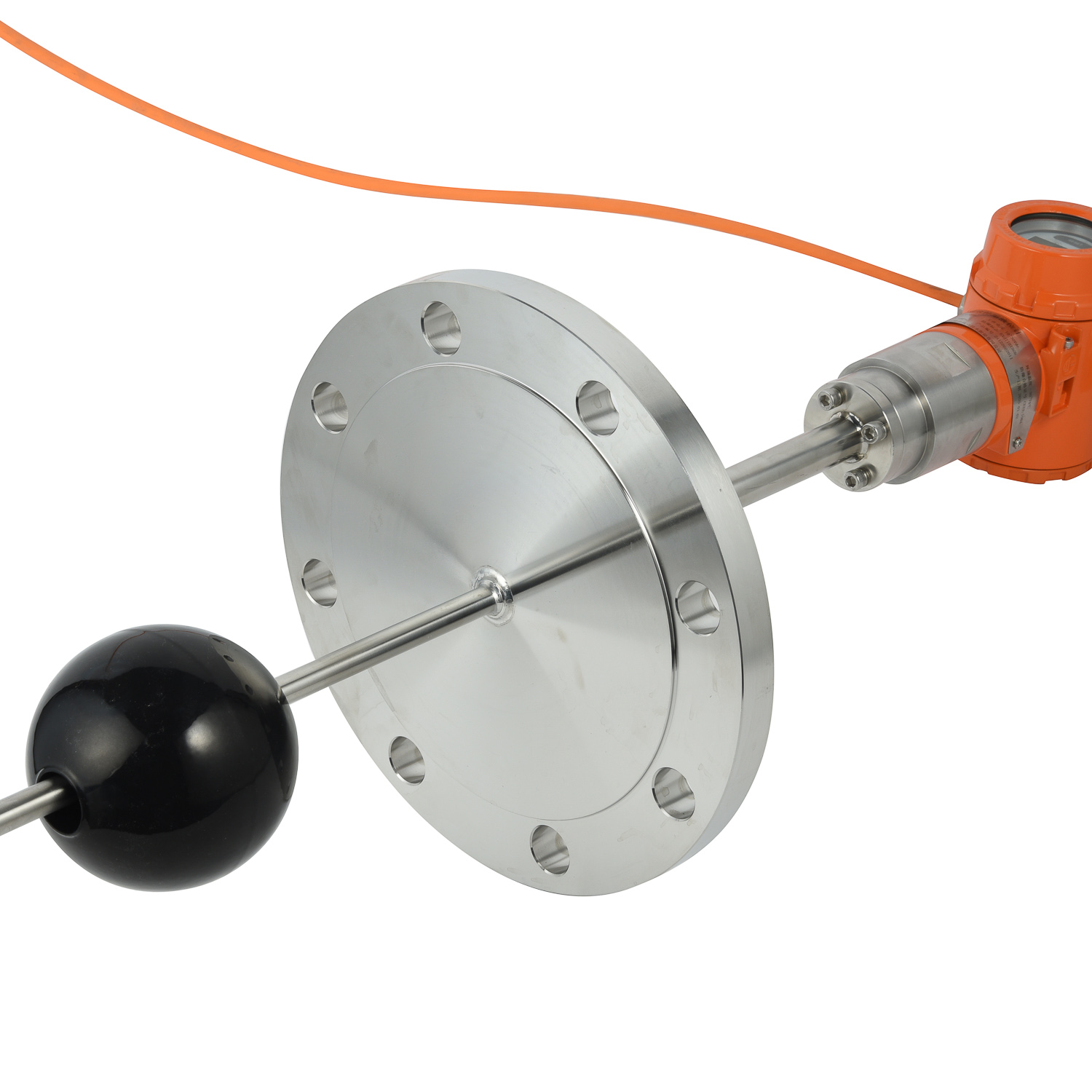
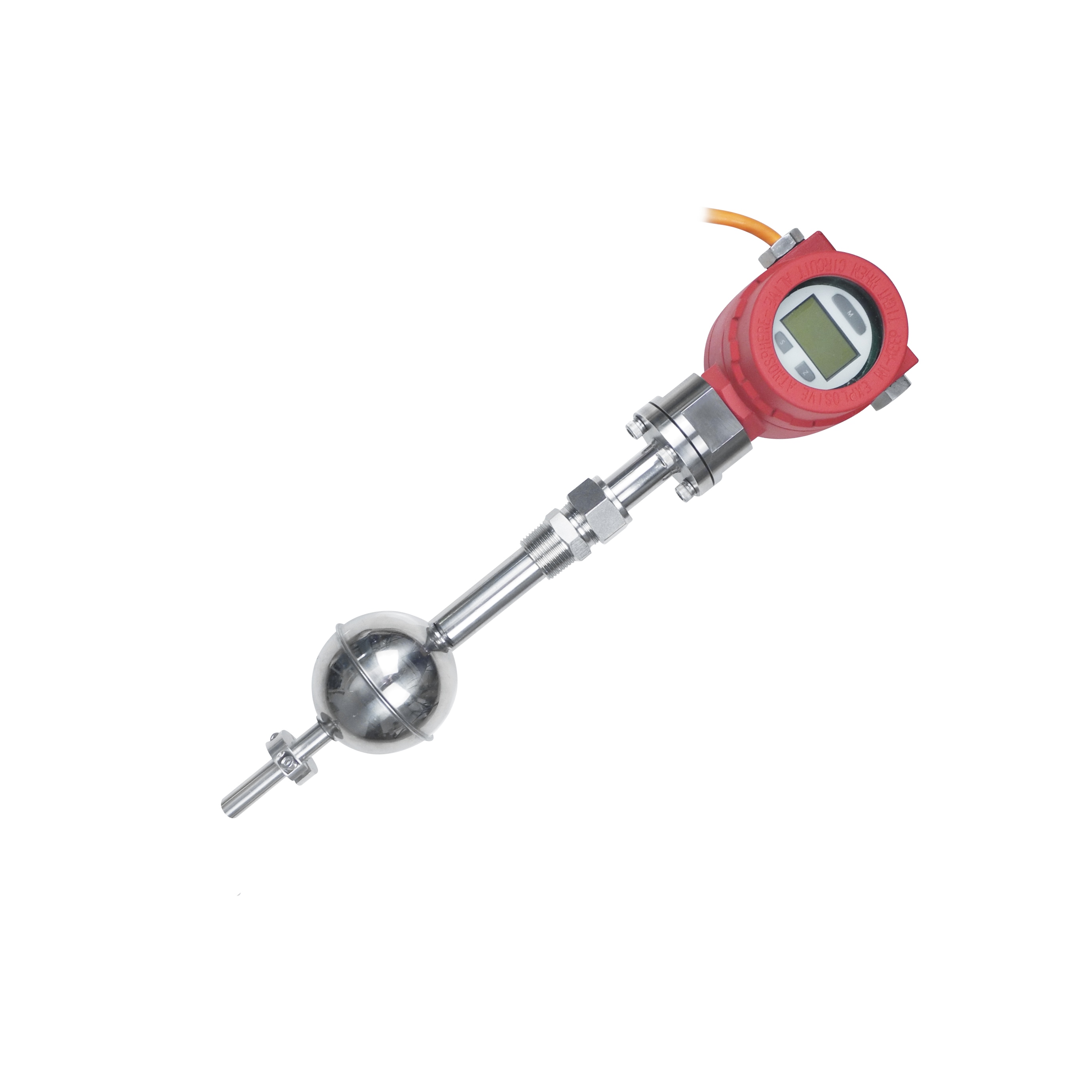 Crane and Trolley Positioning
Corrosion-resistant Crane and
Crane and Trolley Positioning
Corrosion-resistant Crane and
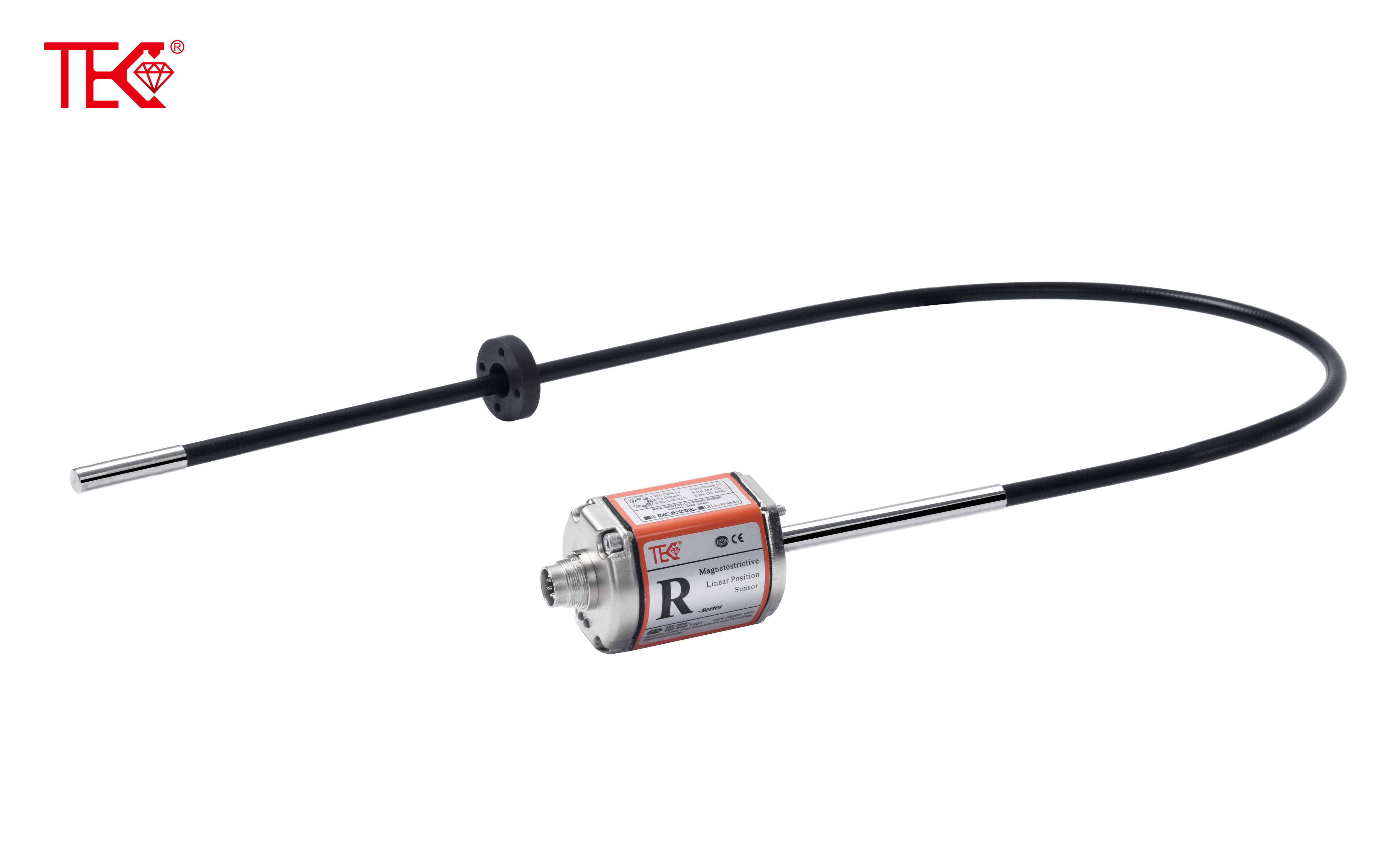 High-pressure Crane and Trolle
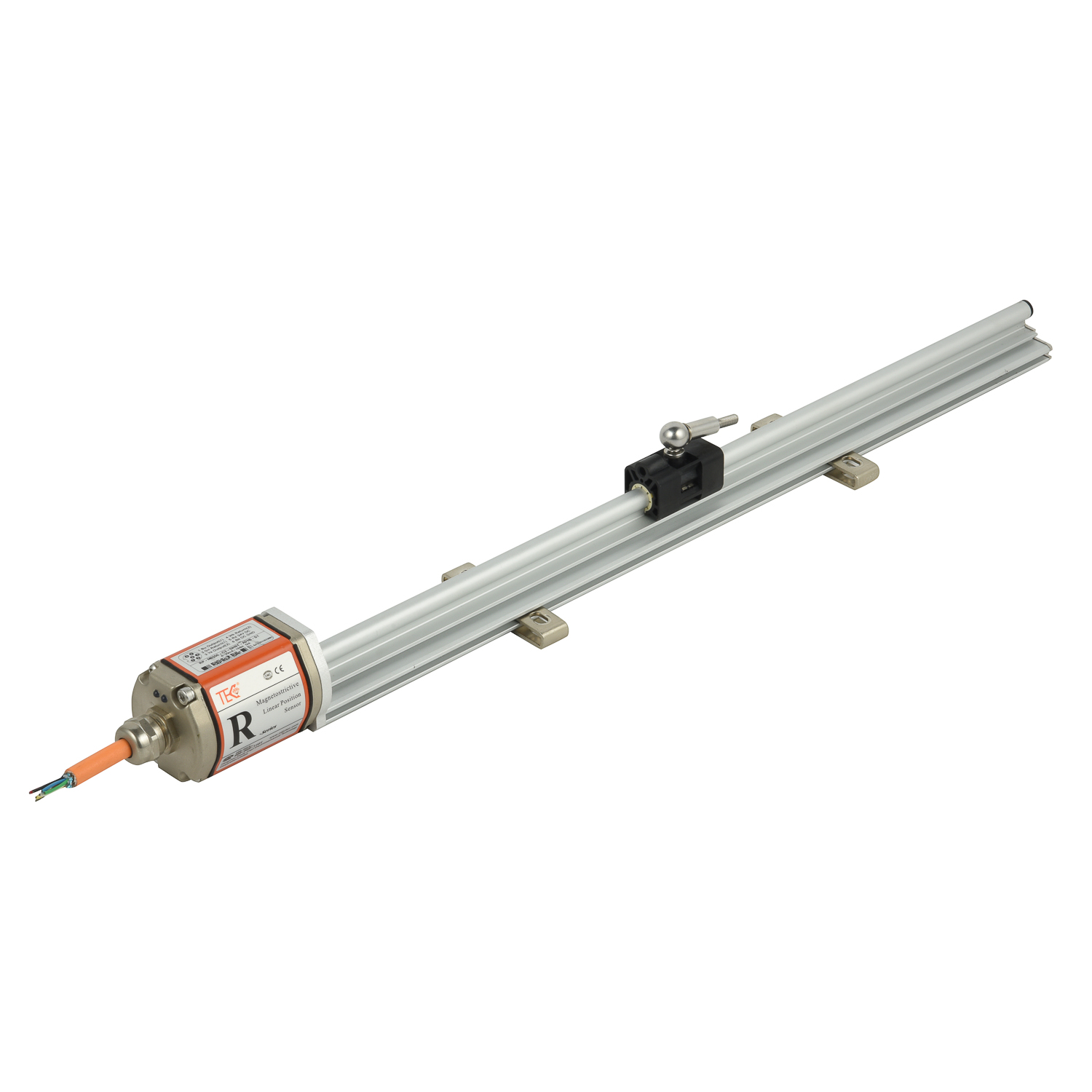 High-temperature Crane and Tro