
Intrinsically Safe Explosion-proof Crane and Trolley Positioning
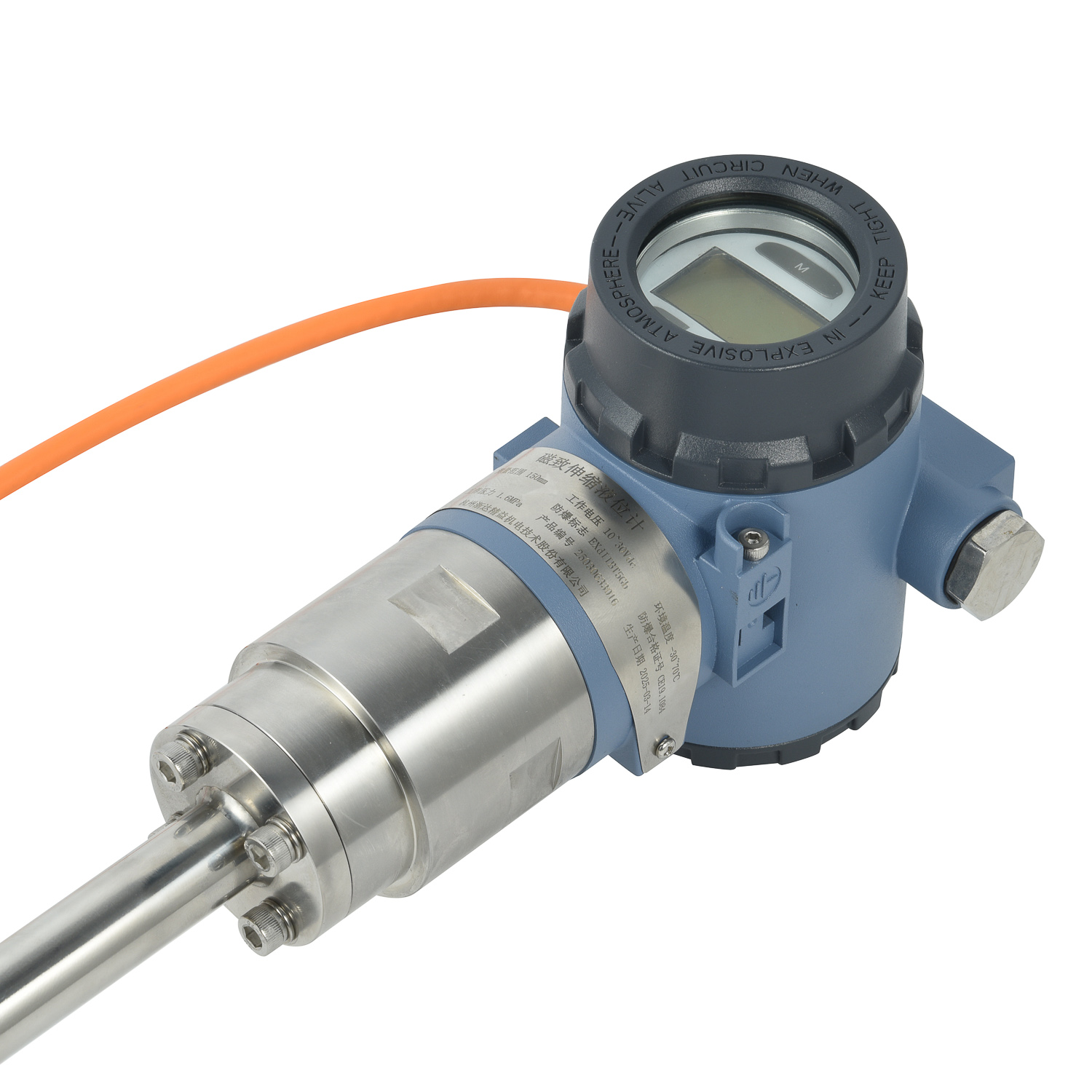
In hazardous industries such as petrochemical plants, paint booths, coal handling, and powder processing, cranes and trolleys must operate safely where explosive gases or combustible dust may be present. Intrinsically safe explosion-proof crane and trolley positioning systems prevent ignition by limiting electrical energy and using certified Ex components. Instead of conventional sensors that may spark, these systems rely on intrinsically safe encoders, inductive proximity switches, magnetic markers, RFID tags, fiber optic sensing, and galvanic isolation barriers. The positioning data helps control long travel, cross travel, hoisting, anti-collision, and automatic storage cycles. A typical solution combines an Ex ia IIC T4/T6 sensor, an IS barrier, and a rugged PLC or remote I/O cabinet placed outside the hazardous zone. Absolute position feedback is transmitted via safe protocols or converted to analog and digital signals. Magnetic tape and coded rails offer high repeatability, while RFID checkpoints reset cumulative errors. For trolley positioning, wheel-mounted encoders and rail-side markers provide real-time coordinates. The system must resist vibration, dust, humidity, temperature swings, and electromagnetic interference. Regular inspection, barrier verification, cable gland checks, and grounding are essential. With proper ATEX/IECEx design, the crane can achieve millimeter-to-centimeter accuracy, reducing collision risk, improving load handling, and supporting automated explosion-proof operation. Intrinsically safe positioning is not only a compliance feature; it is a core safety and productivity upgrade for hazardous-area material handling.
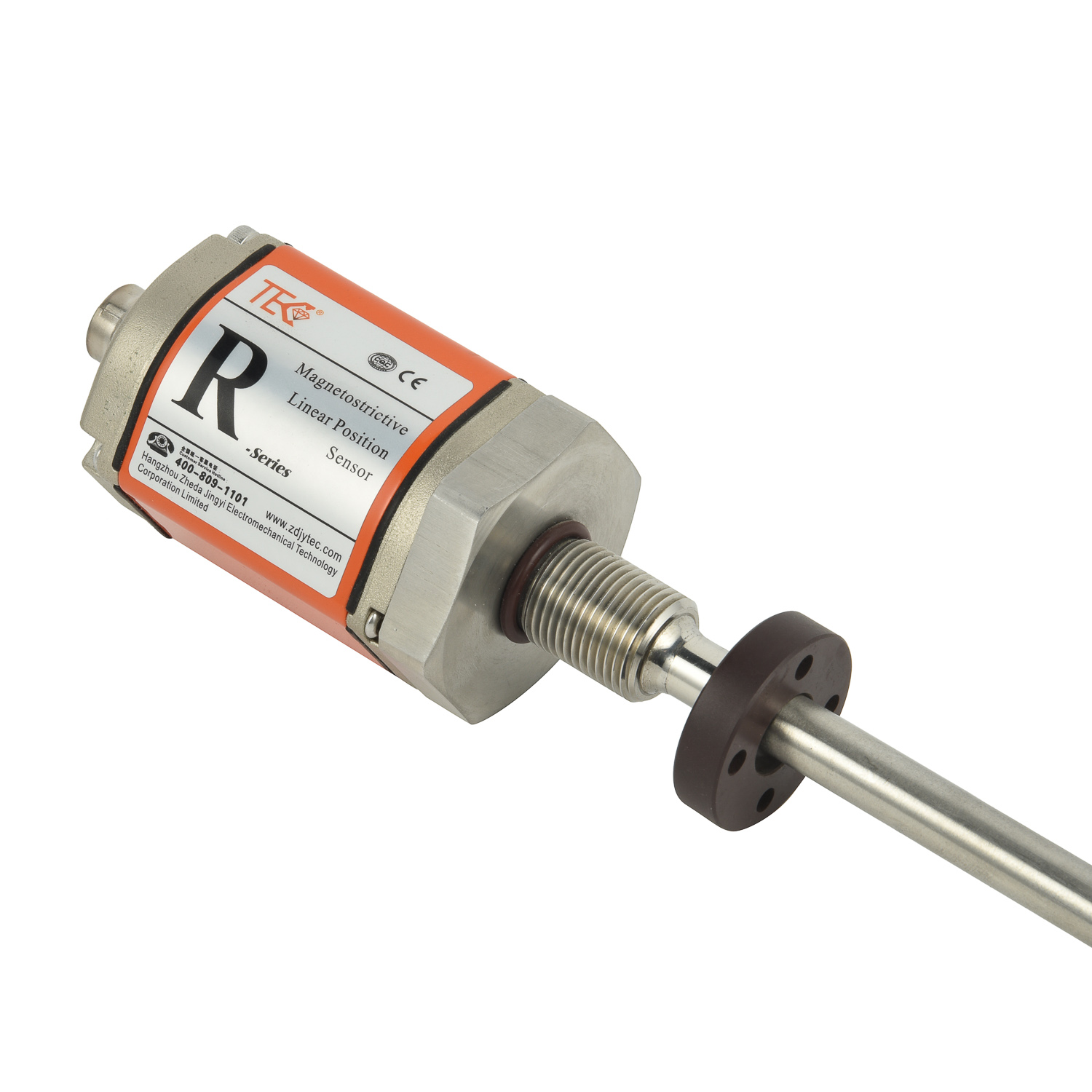
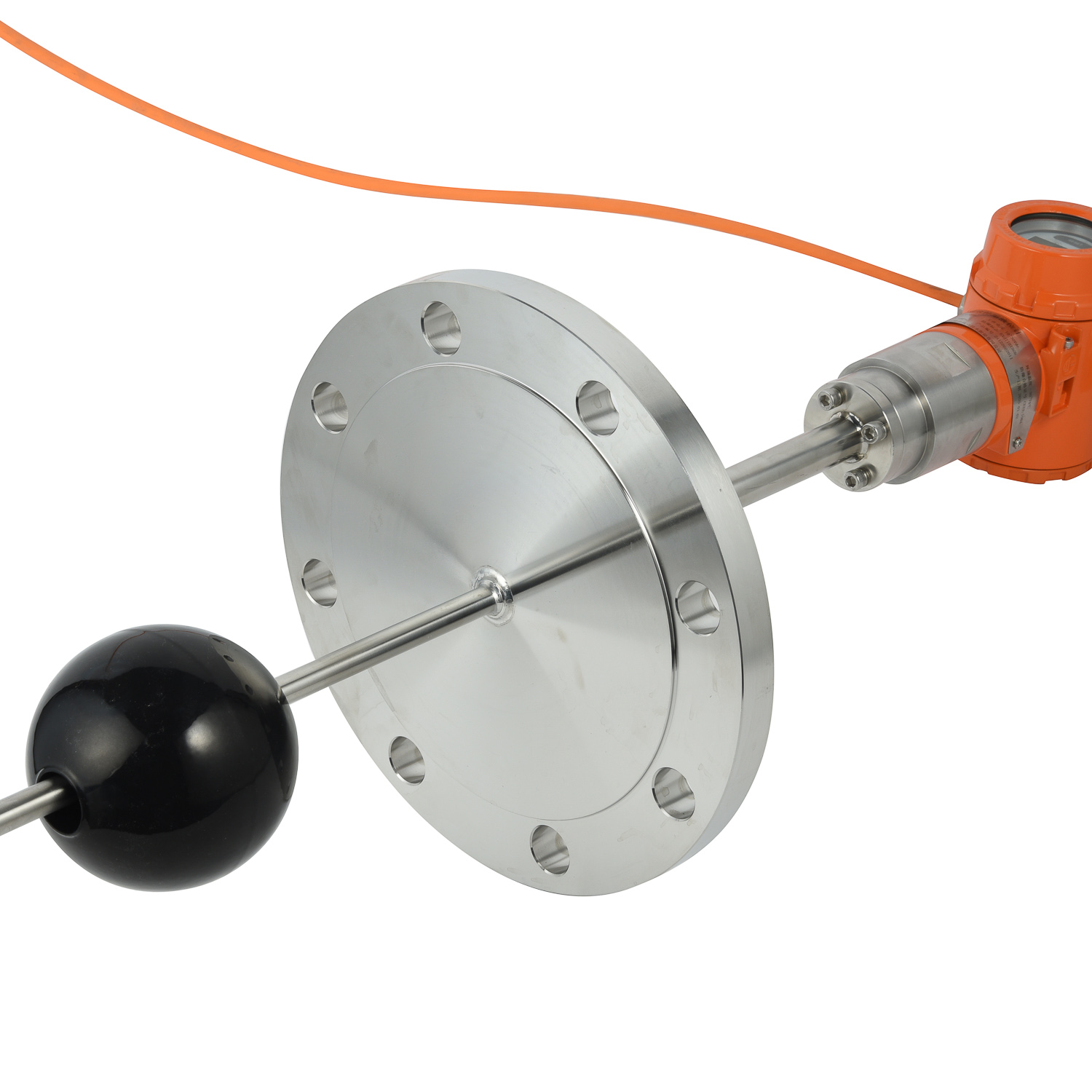 Corrosion-resistant Crane and
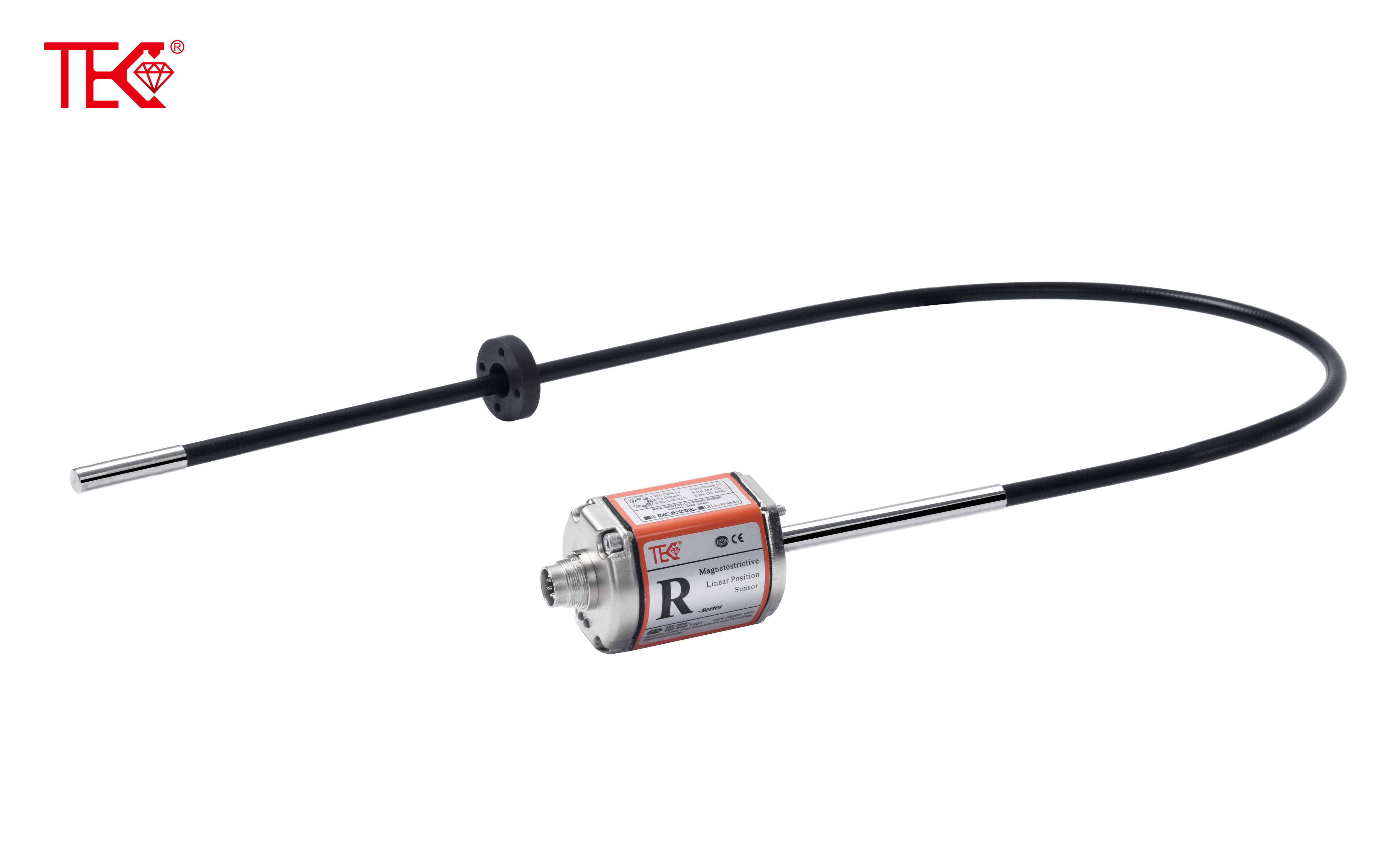 High-pressure Crane and Trolle
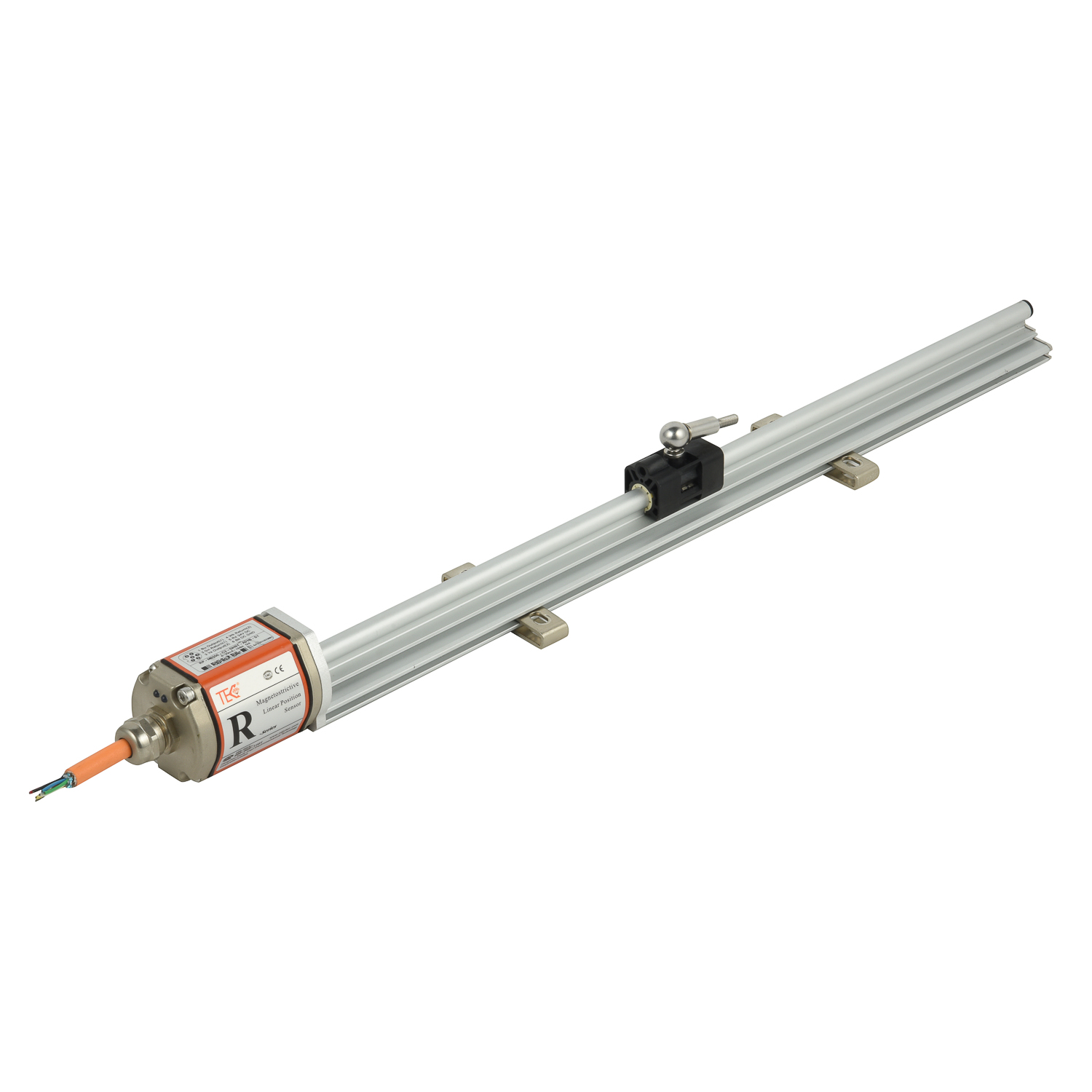 High-temperature Crane and Tro
 Waterproof Crane and Trolley P