
Working Principle of LVDT Displacement Sensor
An LVDT (Linear Variable Differential Transformer) displacement sensor converts linear motion into an electrical signal. Its working principle depends on mutual inductance and magnetic coupling. It has one primary coil and two identical secondary coils wound on a hollow former. A movable ferromagnetic core slides inside it without contact.
An AC excitation voltage drives the primary coil. This creates an alternating magnetic field. The field links the two secondary coils through the core. The secondaries are connected in series opposition, so their induced voltages subtract. At the center or null position, equal voltage is induced in both secondaries. The differential output is almost zero.
When the core moves toward one secondary, coupling to that coil increases while coupling to the other decreases. The output voltage rises in proportion to displacement. Its phase reverses when the core moves in the opposite direction. So amplitude indicates displacement magnitude, and phase indicates direction. A demodulator and signal conditioner convert the AC output into a DC voltage or digital reading.
Because there is no contact between the core and coils, an LVDT offers frictionless operation, high repeatability, excellent resolution, and long life. It is widely used for position feedback, automation, aerospace, civil engineering, and industrial metrology. Its limits include AC excitation, signal conditioning, and stray-field sensitivity. Overall, the LVDT is reliable for precise linear displacement measurement.
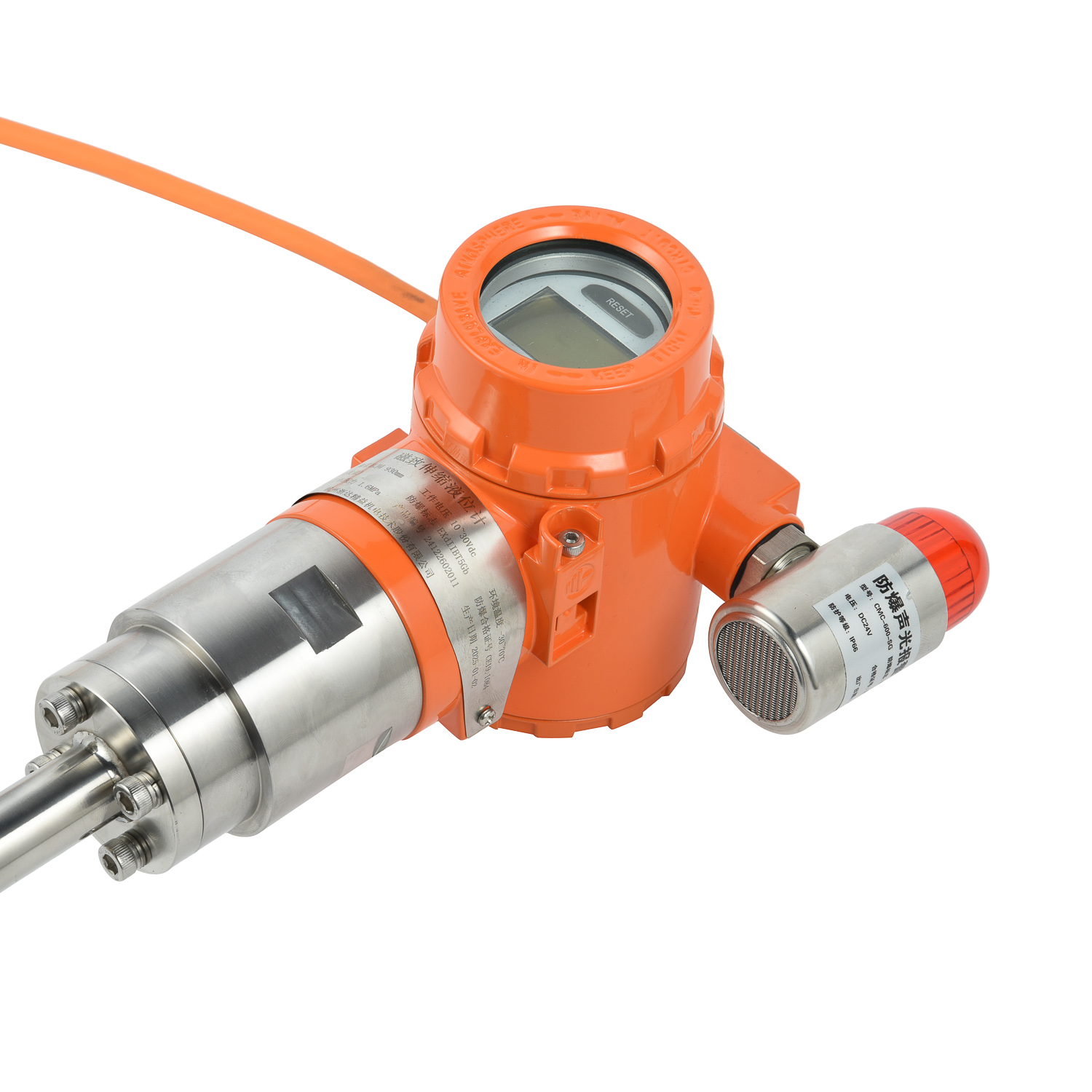
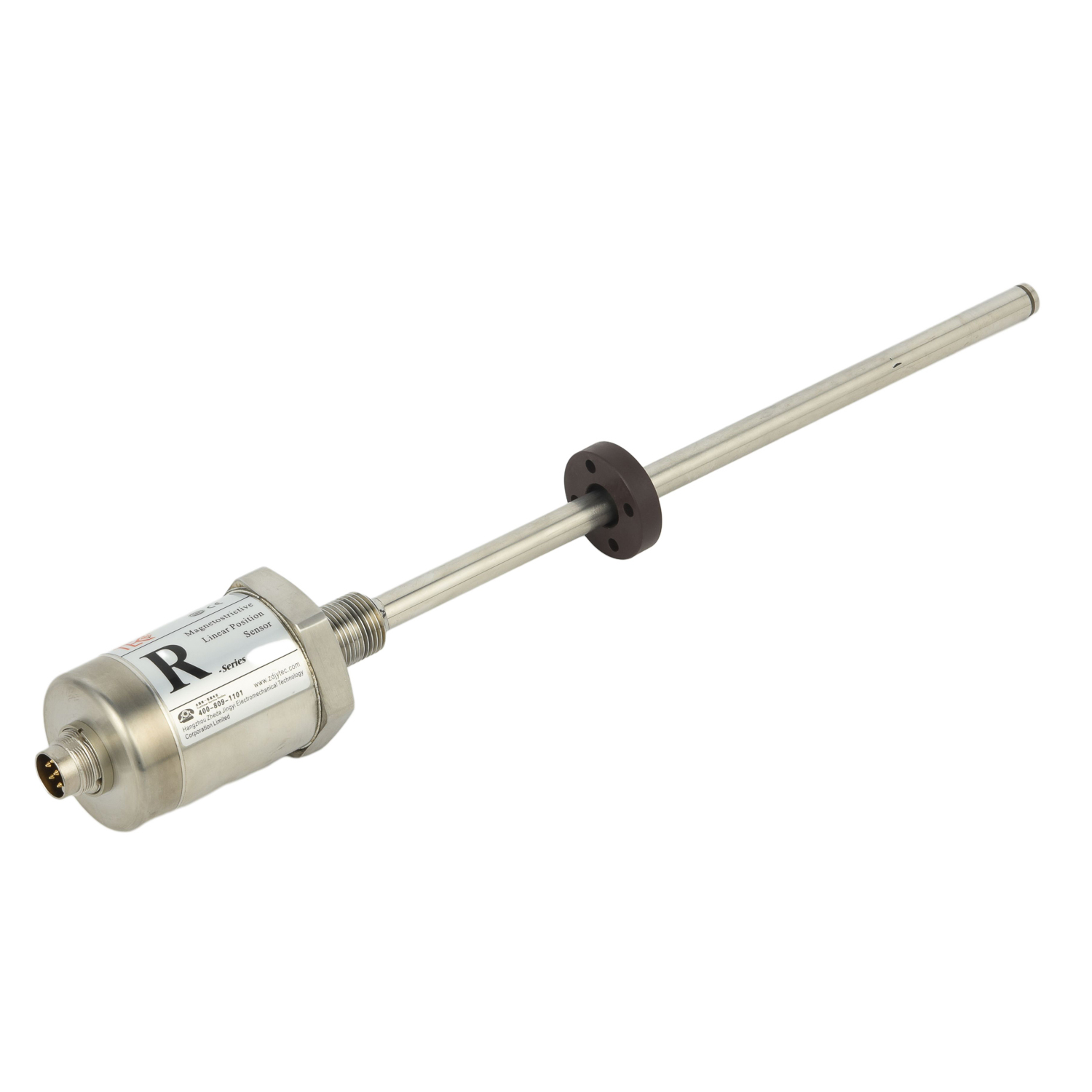 Model and Specification of Lon
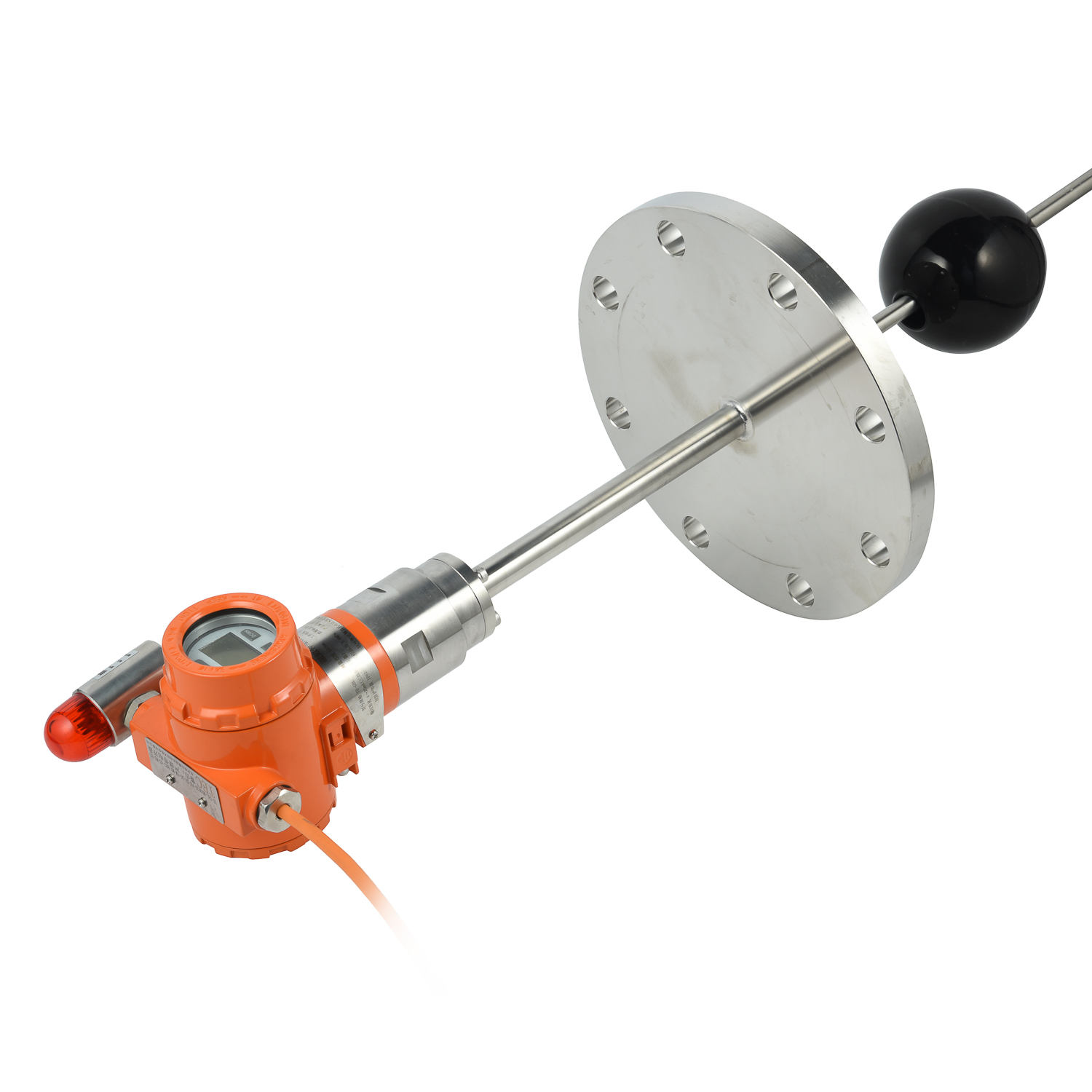 Import Substitute Long-distanc
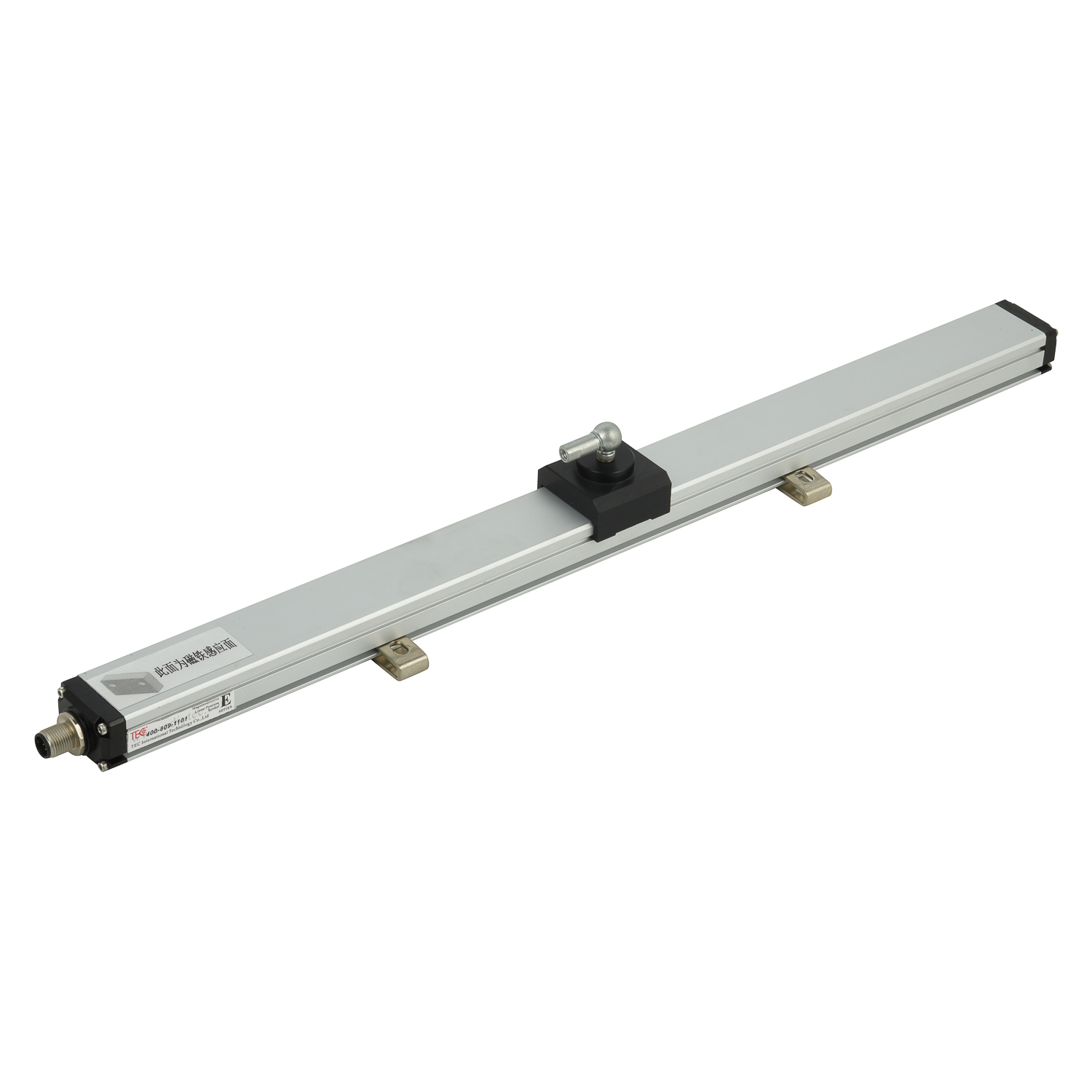 Installation Method of Long-di
 Working Principle of Long-dist