
Working Principle of Long-distance Positioning System
A long-distance positioning system locates objects or people across wide areas where short-range methods fail. It measures signals exchanged between a target and multiple reference stations. These signals may be radio, satellite, or low-power wide-area network transmissions. Most systems use time-based methods. Time of arrival measures how long a signal takes to travel to several receivers. Because radio waves travel at a known speed, each travel time defines a circle or sphere around a receiver. Three or more receivers produce intersecting circles or spheres, giving the position. Time difference of arrival improves accuracy without precise clocks in the target. Receivers record the same signal at slightly different times, creating hyperbolas. Intersecting hyperbolas from multiple receiver pairs locate the device. Angle of arrival uses antenna arrays to estimate signal direction; intersecting bearings reveal the position. Satellite navigation, such as GPS, follows similar principles. Satellites broadcast precise time and orbit data. A receiver calculates distances to at least four satellites. Three distances provide latitude, longitude, and altitude; the fourth corrects clock error. Filters reduce atmospheric delay, multipath, and timing drift. Many systems combine techniques. LPWAN anchors locate IoT devices using TDOA and RSSI. Cellular networks use cell ID, timing advance, and triangulation. A solver fuses measurements and outputs coordinates in real time. It enables tracking.
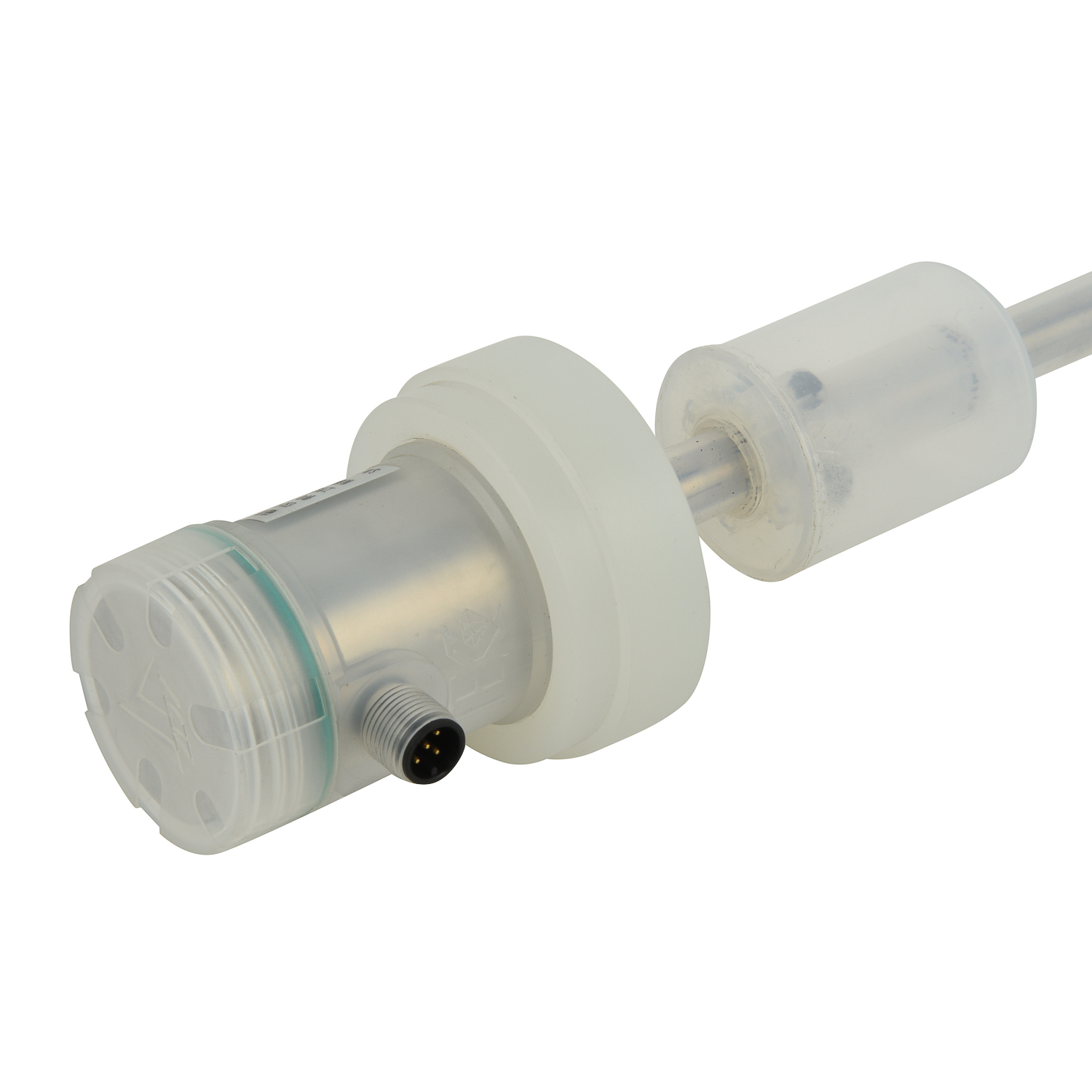 Working Principle of Long-dist
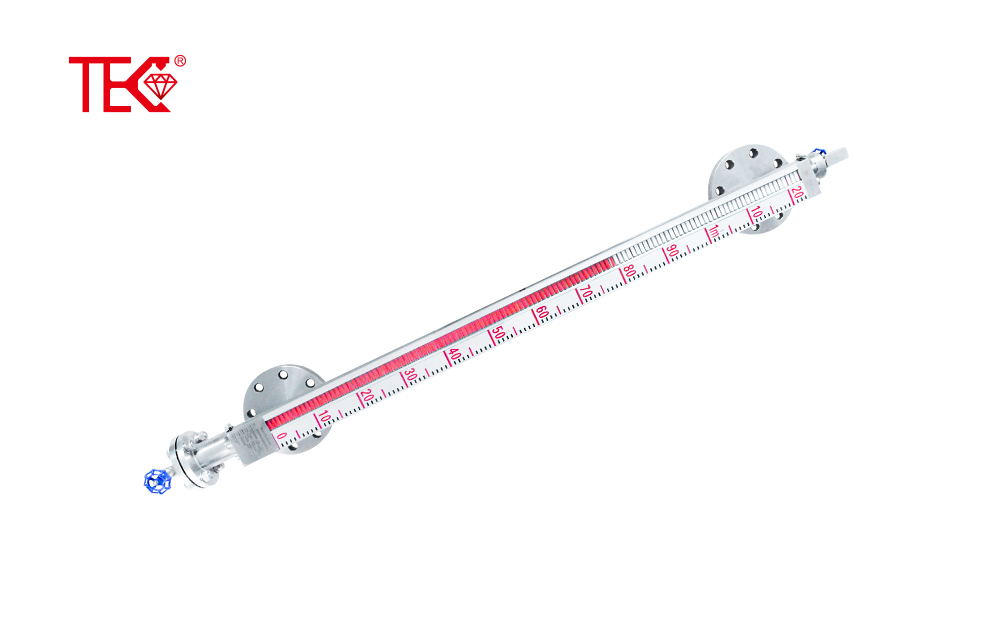 Technical Parameters of Long-d
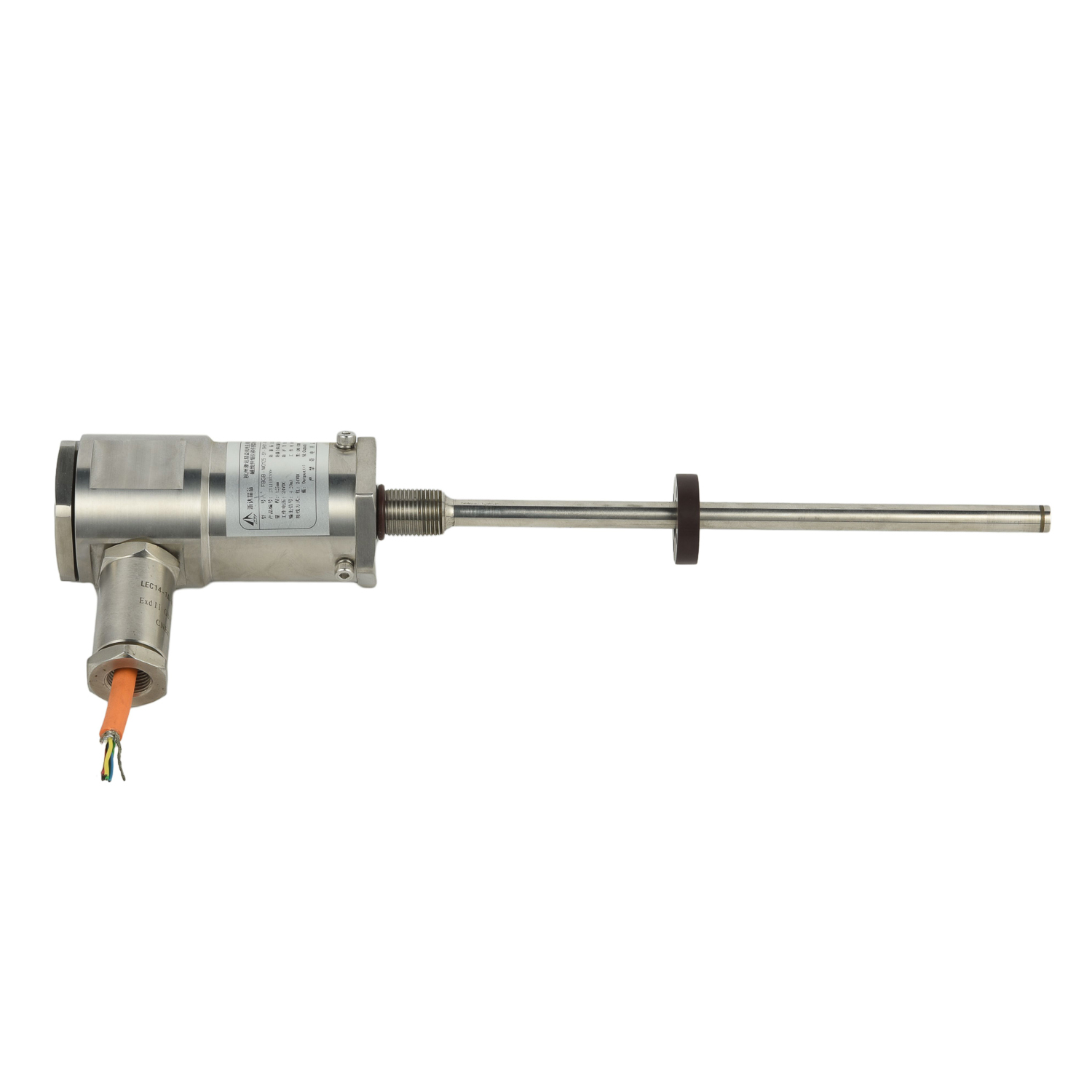 How Much is Long-distance Posi
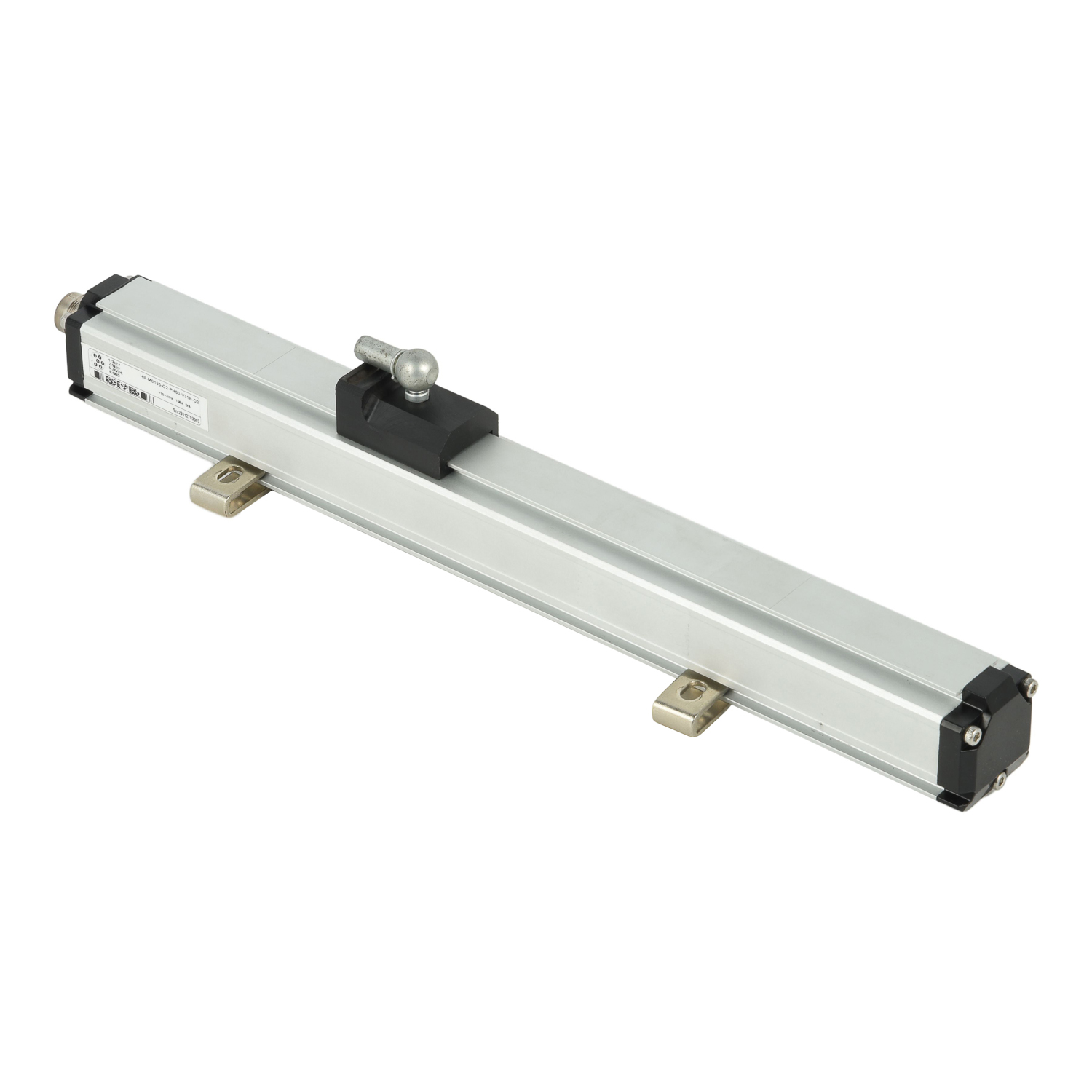 Long-distance Positioning Syst