
Installation Method of Long-distance Positioning System
Installing a long-distance positioning system requires planning, correct placement, stable power, and accurate calibration. It applies to GNSS, LoRa, cellular, and hybrid networks used in agriculture, logistics, construction, and fleet management.
First, survey the site. Map coverage, note buildings, hills, trees, and metal structures, and select elevated points for base stations. Keep clear line of sight and record coordinates for each device.
Next, install the base station on a rigid pole or rooftop with an open sky view. For GNSS, place the antenna above the receiver, connect the coaxial cable with waterproof connectors, and ground the mast against lightning.
Then install mobile tags. Fix them securely to vehicles, containers, or personnel. Keep antennas vertical and away from motors, batteries, and metal panels. Use regulated DC power, fuses, and waterproof cable glands. For solar power, angle the panel toward the equator and place the battery in a ventilated box.
After hardware installation, configure the network. Set unique IDs, channels, update rates, and transmission power. Choose a frequency plan that meets local rules for long-range radio. For cellular or LoRaWAN, activate SIM cards or join the gateway. Enter base coordinates accurately; wrong reference data reduces positioning accuracy.
Power on devices one by one. Check signal strength, latency. Test routes around coverage edge. Adjust antenna height and direction if signals drop. Calibrate with known reference points.
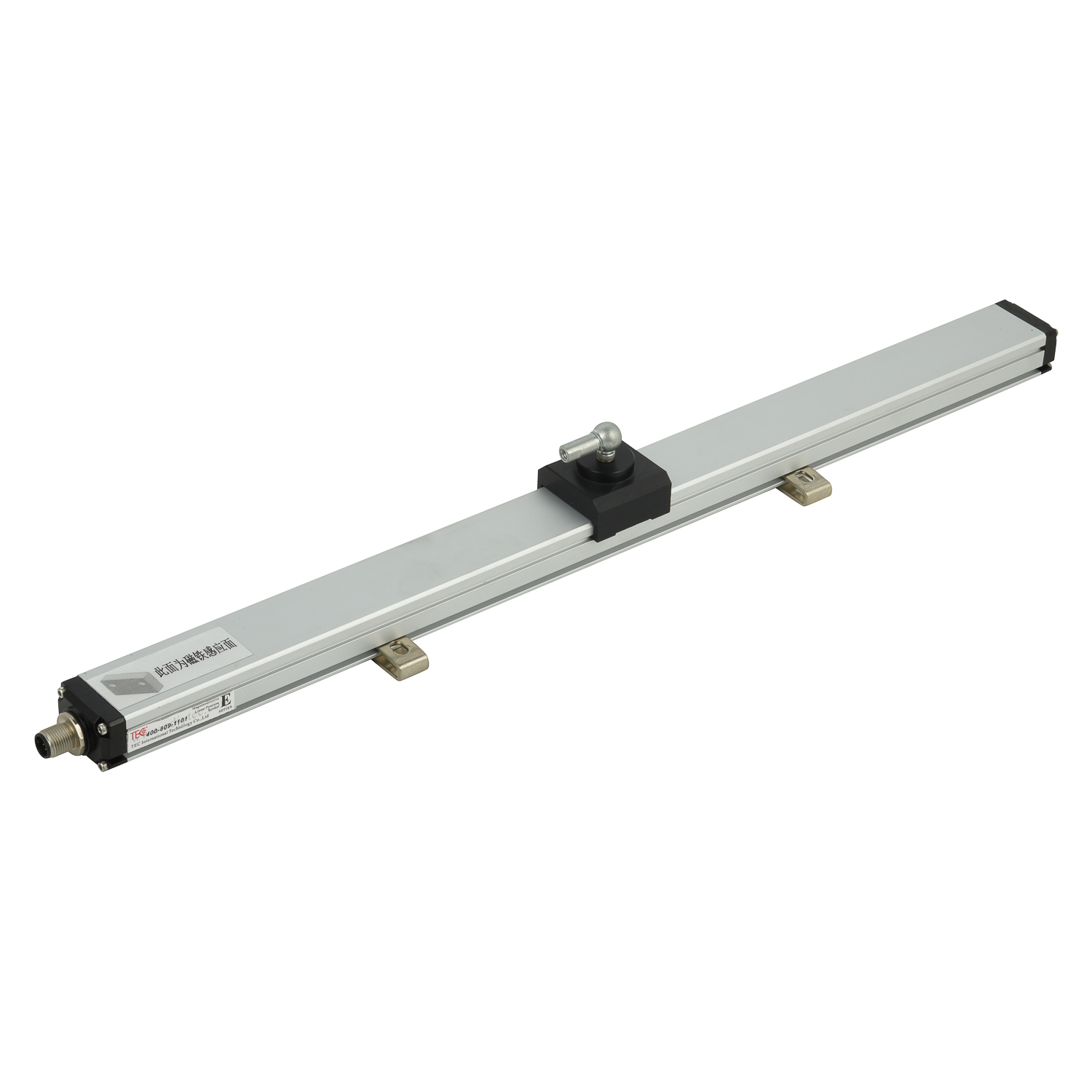 Installation Method of Long-di
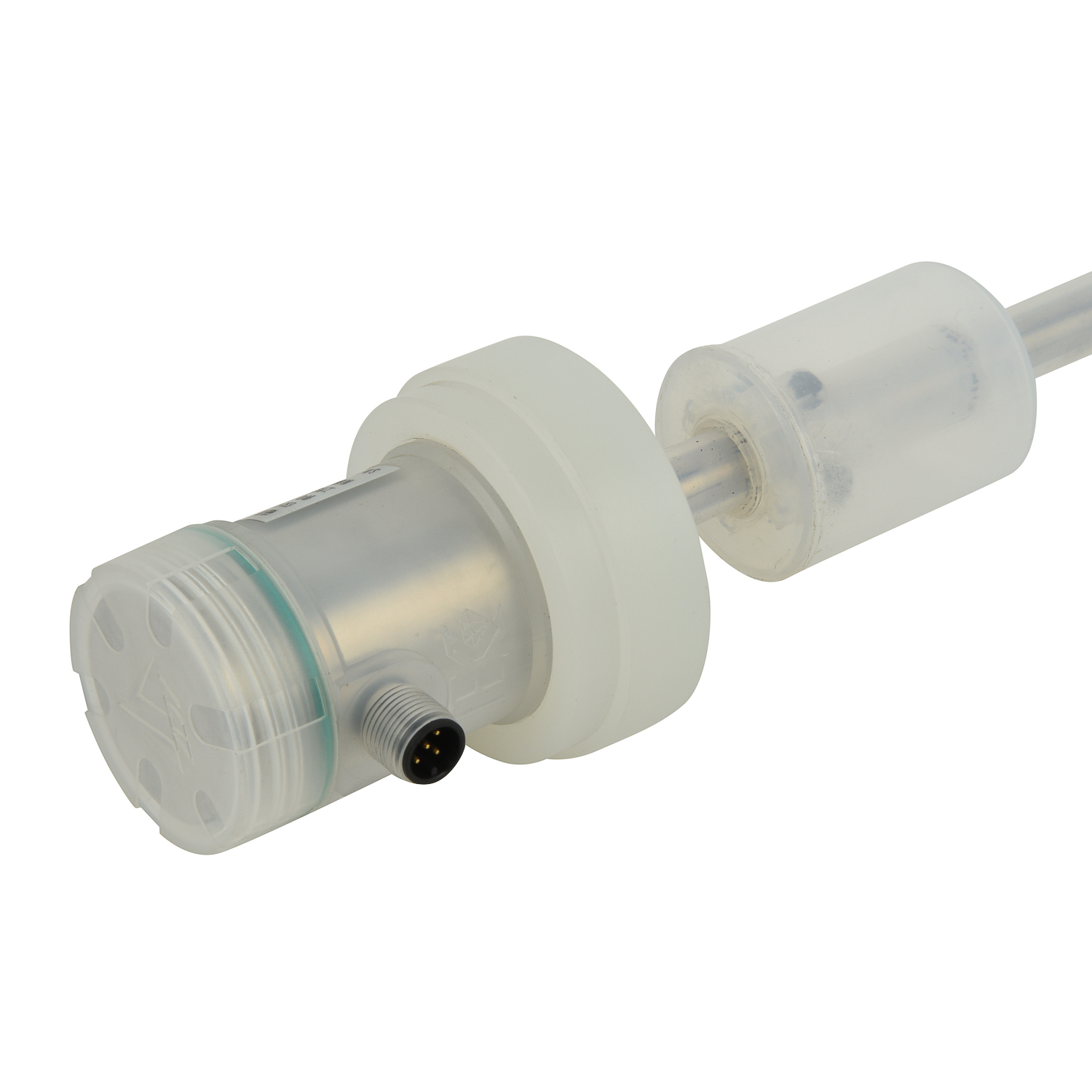 Working Principle of Long-dist
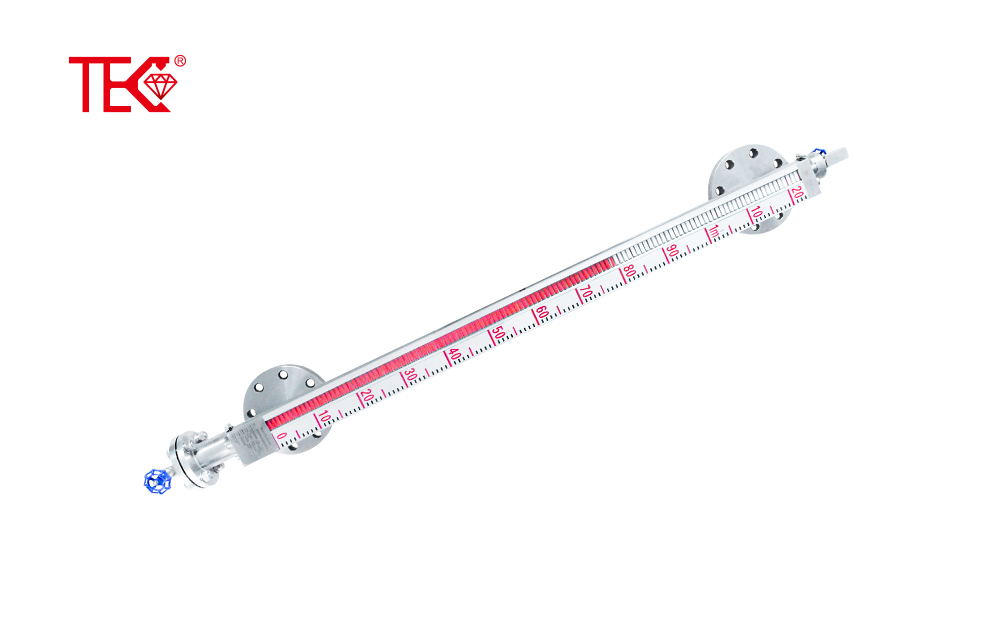 Technical Parameters of Long-d
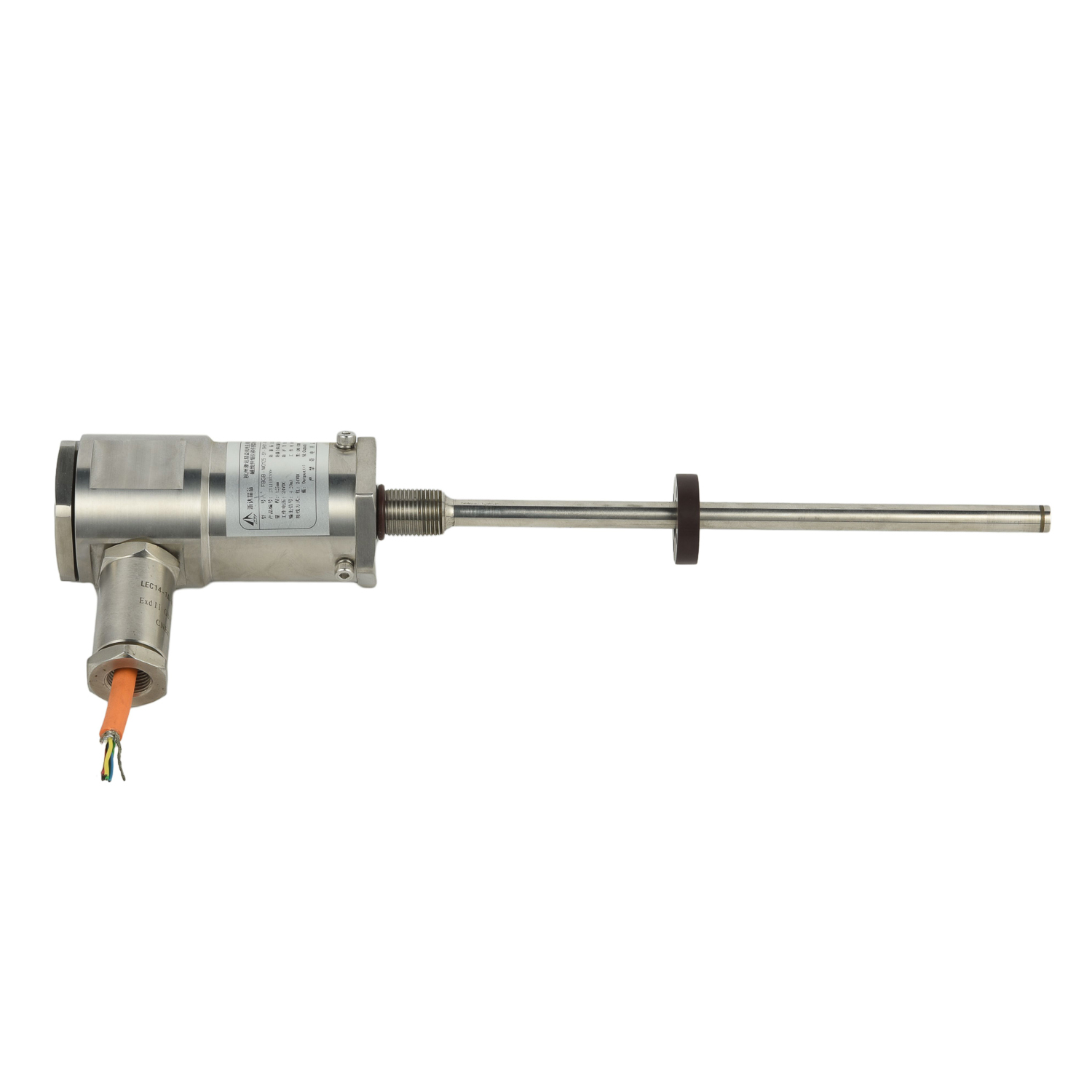 How Much is Long-distance Posi