
Import Substitute Long-distance Positioning System
An import substitute long-distance positioning system replaces foreign GNSS and tracking modules with domestic hardware, software, and service networks. It combines long-range links such as LoRa, NB-IoT, and private 5G with time-of-flight and differential correction. It locates assets over tens of kilometers while keeping data secure from sensor to server.
Demand is rising because many regions depend on foreign constellations at critical layers. A local design gives governments and enterprises more control over spectrum, encryption, firmware, and maintenance. It also cuts cost through local production and faster repair.
A typical system uses rugged tags, gateway towers, edge servers, and a dashboard. Tags send beacons or receive timing packets. Gateways measure arrival time and signal strength, then forward data to edge nodes. A positioning engine fuses measurements with maps, inertial sensors, and optional GNSS. This delivers stable tracking in ports, mines, farms, and coastal waters where ordinary GPS often fails.
Benefits include supply chain resilience, data sovereignty, and flexible deployment. Operators can set accuracy from meters to centimeters by adding anchors or correction services. The network supports geofencing, route replay, and emergency alerts. Locally certified parts make compliance easier.
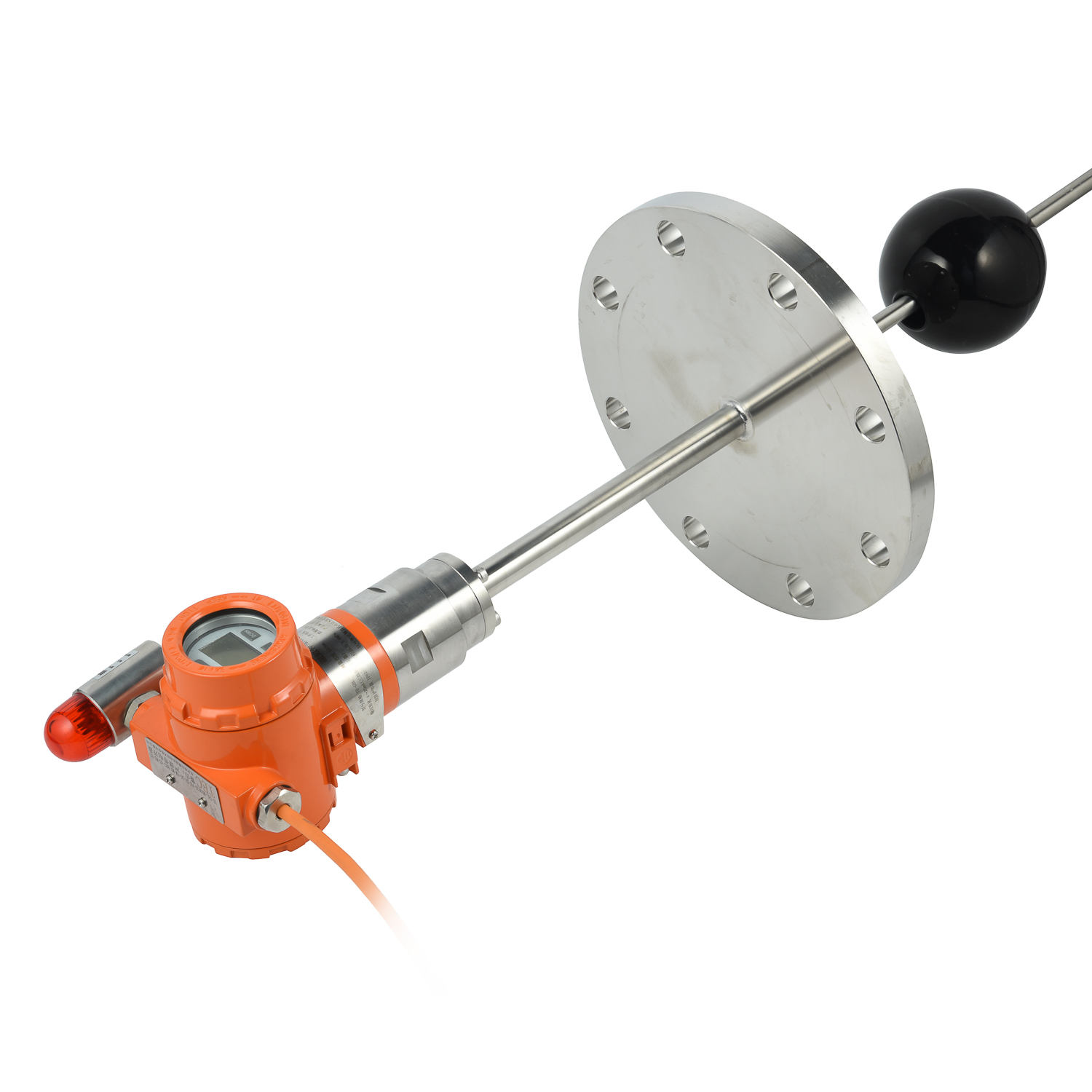
Challenges include multipath, weather, interoperability, and cybersecurity. With open standards and strong testing, import substitution can scale from pilot projects to nationwide infrastructure.
Import Substitute Long-distanc
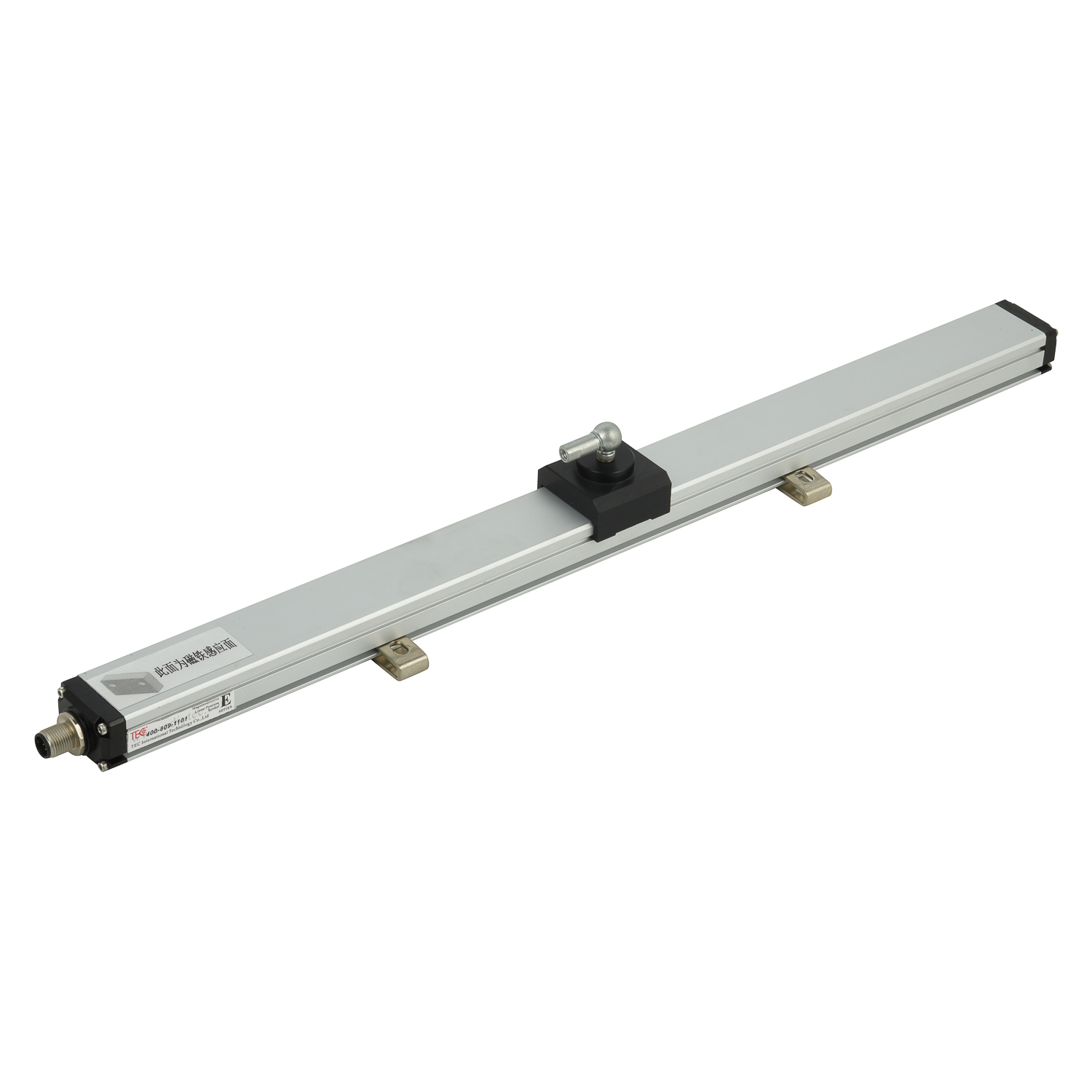 Installation Method of Long-di
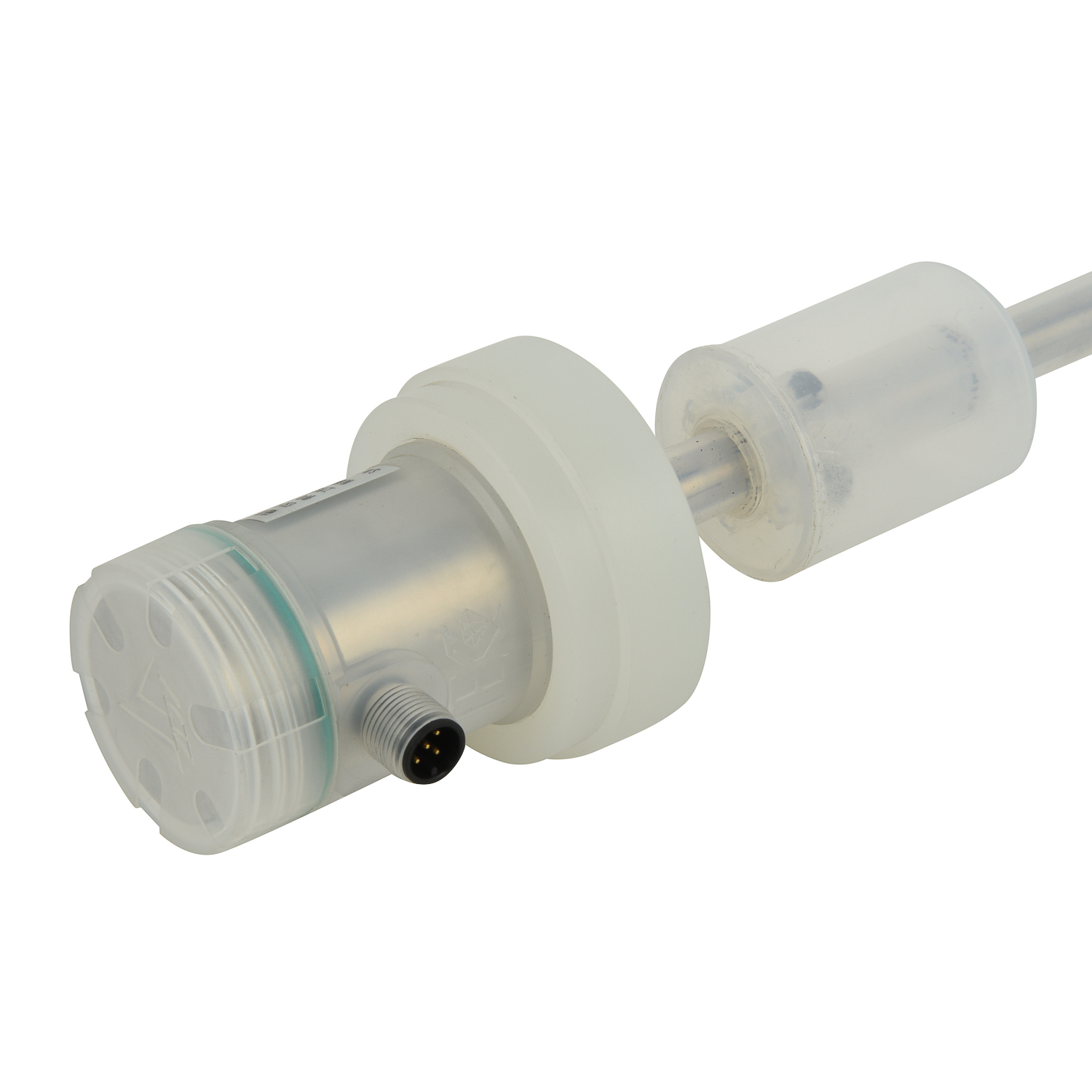 Working Principle of Long-dist
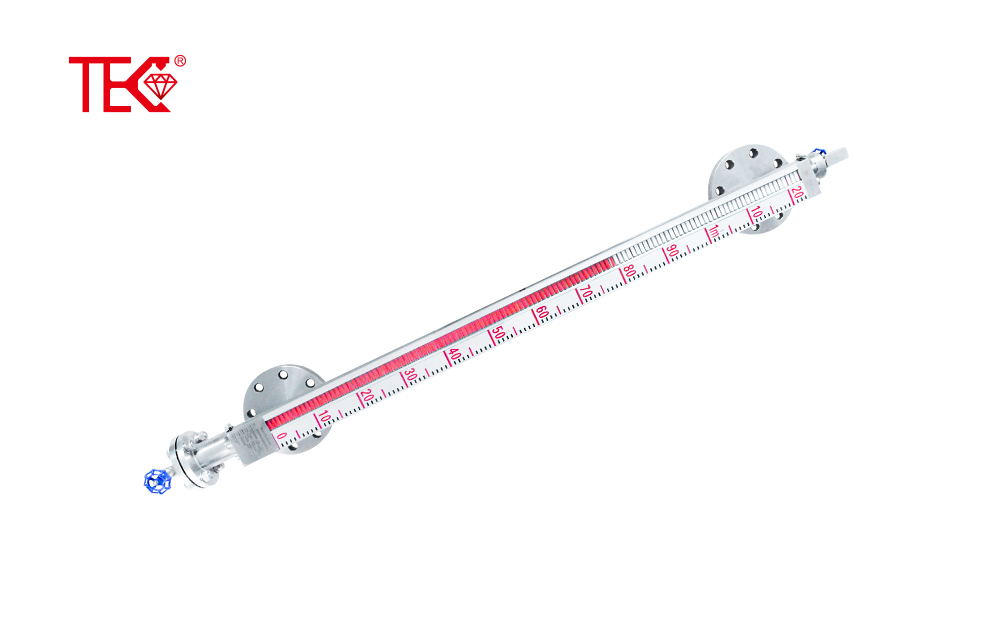 Technical Parameters of Long-d